If you’re someone who enjoys crafting or tackling DIY projects, you’ve probably heard about brazing. Brazing is a versatile method for joining metals, and one critical component in this process is flux. But what exactly is flux in brazing, and why is it so essential? That’s what we’re going to explore in detail.
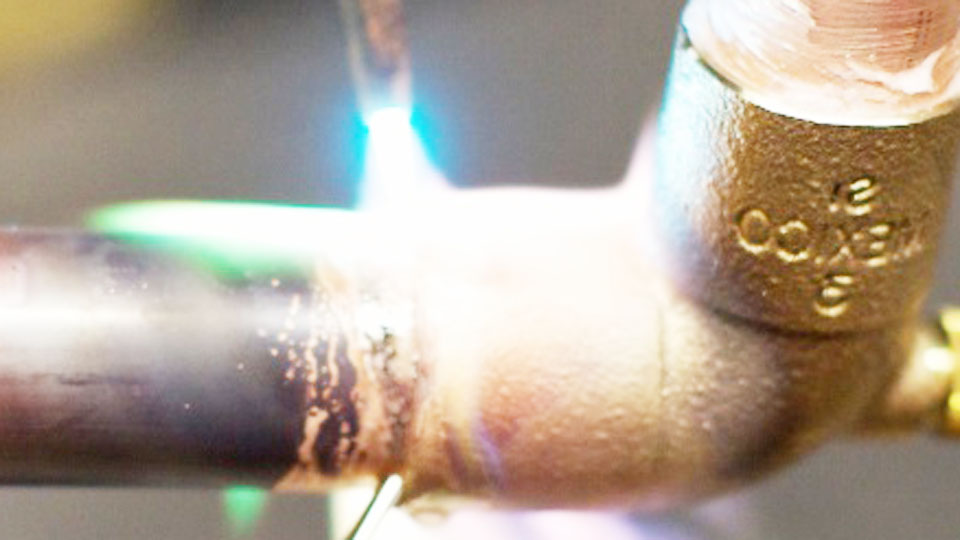
Image by harrisproductsgroup
I’ve spent a lot of time learning about brazing and experimenting with different techniques. I understand how confusing it can be when you’re just starting out, so let me break this down in a way that’s simple and easy to follow. By the end of this article, you’ll understand not only what flux is but also how it works and why it’s crucial for brazing.
Brazing and Its Importance
Before talking about flux, let’s quickly cover brazing itself. Brazing is a process of joining two or more pieces of metal by melting a filler metal that flows into the joint. The filler metal has a lower melting point than the base metals, meaning the base pieces stay intact while the filler bonds them together.
This process is popular in plumbing, HVAC systems, and even jewelry making because it creates strong, reliable joints. However, for brazing to work effectively, the metal surfaces need to be clean and free from contaminants. That’s where flux comes into play.
What Is Flux in Brazing?
Flux is a chemical compound or mixture designed to prepare and clean metal surfaces during the brazing process. When you heat metals to brazing temperatures, they tend to react with oxygen in the air, forming an oxide layer. This layer can prevent the filler metal from flowing properly and bonding with the base metals.
Flux solves this problem by:
- Removing oxides and contaminants: It cleans the surface of the metals.
- Preventing further oxidation: It creates a barrier between the metal and the air.
- Improving filler metal flow: It helps the molten filler metal spread evenly into the joint.
Without flux, brazed joints would often be weak, uneven, or fail altogether.
Types of Flux Used in Brazing
Choosing the right type of flux depends on the materials you’re working with and the conditions of your project. Let’s look at some common types of flux:
| Flux Type | Best For | Features |
|---|---|---|
| General-Purpose Flux | Basic metals like copper and brass | Versatile and easy to use |
| High-Temperature Flux | Applications requiring extreme heat | Works well above standard brazing temps |
| Silver Brazing Flux | Silver alloys | Designed for precision and strong bonds |
| Aluminum Flux | Aluminum or aluminum alloys | Prevents rapid oxidation in aluminum |
| Specialty Flux | Unique or exotic metals | Tailored for specific materials |
Each type of flux is formulated to handle different challenges. For example, aluminum oxidizes very quickly, so you’ll need a specialized flux for aluminum brazing.
How Flux Works During Brazing
Flux performs several key functions during the brazing process:
- Cleaning: As the flux heats up, it dissolves any oxides or impurities on the metal’s surface.
- Protecting: It forms a barrier that keeps oxygen out, preventing new oxides from forming.
- Encouraging Flow: Flux lowers the surface tension of the molten filler metal, helping it spread evenly into the joint.
You’ll know the flux is working when it starts to melt and bubble. This indicates it’s actively cleaning and protecting the metal.
How to Apply Flux for Brazing
Applying flux correctly is just as important as choosing the right type. Here’s how to do it:
Step 1: Clean the Metal
Start by cleaning the metal surfaces thoroughly. Use sandpaper, a wire brush, or a chemical cleaner to remove dirt, grease, and oxidation.
Step 2: Choose the Right Flux
Select a flux that matches your project’s requirements. If you’re brazing copper pipes, a general-purpose flux might work. For more challenging materials, pick a specialized option.
Step 3: Apply Flux Evenly
Use a small brush or applicator to spread a thin, even layer of flux onto the joint area. Make sure you cover all surfaces that will come into contact with the filler metal.
Step 4: Heat the Joint
As you heat the joint, the flux will melt and start working. Avoid overheating, as this can burn the flux and reduce its effectiveness.
Fluxless Brazing: Is It Possible?
While flux is essential in most brazing projects, there are some situations where you might not need it:
Phosphorus-Containing Fillers: Some filler metals, like those used in plumbing, contain phosphorus, which acts as a deoxidizer. These fillers can eliminate the need for flux in certain applications.
Inert Gas Shielding: In industrial settings, an inert gas like argon can be used to protect the joint from oxygen, removing the need for flux.
That said, fluxless brazing requires precise conditions and isn’t practical for most DIY or small-scale projects.
Common Mistakes When Using Flux
Even though flux is straightforward to use, there are some common mistakes to avoid:
- Applying Too Much Flux: Excess flux can interfere with the filler metal and leave behind stubborn residues.
- Skipping Surface Cleaning: Flux works best on clean surfaces. Skipping this step can lead to weak joints.
- Overheating: Too much heat can burn the flux, making it ineffective.
Cleaning Up After Brazing
Once your brazing project is complete, it’s important to clean off any residual flux. Flux residue can be corrosive if left on the metal. Use warm water and a brush, or a specialized cleaning solution, to remove it thoroughly.
Why Is Flux So Important in Brazing?
Let’s recap the key benefits of using flux:
- Stronger Joints: Flux ensures the filler metal bonds properly with the base metals.
- Cleaner Finish: It removes contaminants, resulting in a neater joint.
- Reduced Errors: By preventing oxidation, flux minimizes the chances of weak or failed joints.
Comparing Flux Types
Here’s a quick comparison table to help you choose the right flux for your project:
| Feature | General-Purpose Flux | High-Temperature Flux | Silver Brazing Flux |
|---|---|---|---|
| Ease of Use | Very Easy | Moderate | Easy |
| Temperature Range | Low to Medium | High | Low to Medium |
| Applications | Plumbing, Basic Repairs | HVAC, Industrial | Jewelry, Precision Work |
Final Tips for Beginners
If you’re new to brazing, here are a few tips to get you started:
- Practice on Scrap: Before working on your main project, practice brazing on scrap metal to get a feel for the process.
- Use the Right Tools: Invest in a good-quality torch, filler metals, and flux.
- Take Your Time: Brazing requires patience. Rushing can lead to mistakes.
Conclusion
Flux is a game-changer when it comes to brazing. It cleans and protects the metal, ensures a smooth filler metal flow, and creates strong, reliable joints. Whether you’re working on a plumbing repair or crafting something special, understanding how and when to use flux can make all the difference.
By following the tips and techniques shared here, you’ll be well on your way to mastering brazing. Remember, the more you practice, the more confident you’ll become.
FAQs
What is flux used for in brazing?
Flux prevents oxidation, cleans the metal surface, and helps the filler metal flow smoothly during brazing.
Can you braze without flux?
In some cases, such as with phosphorus-containing fillers, flux may not be necessary. However, most brazing projects require flux.
How do you remove flux residue?
Flux residue can be cleaned with warm water and a brush or a specialized cleaning solution.
What happens if you use too much flux?
Using too much flux can interfere with the flow of filler metal and leave behind excessive residue.
Is flux the same for all metals?
No, different metals require different types of flux. Be sure to choose a flux that matches your specific project.