If you’ve ever dealt with a leaking aluminum radiator, you know how frustrating it can be. Whether it’s in your car, motorcycle, or even an industrial cooling system, a damaged radiator can cause serious issues. Replacing it can be expensive, but what if I told you that you can fix it yourself by soldering?
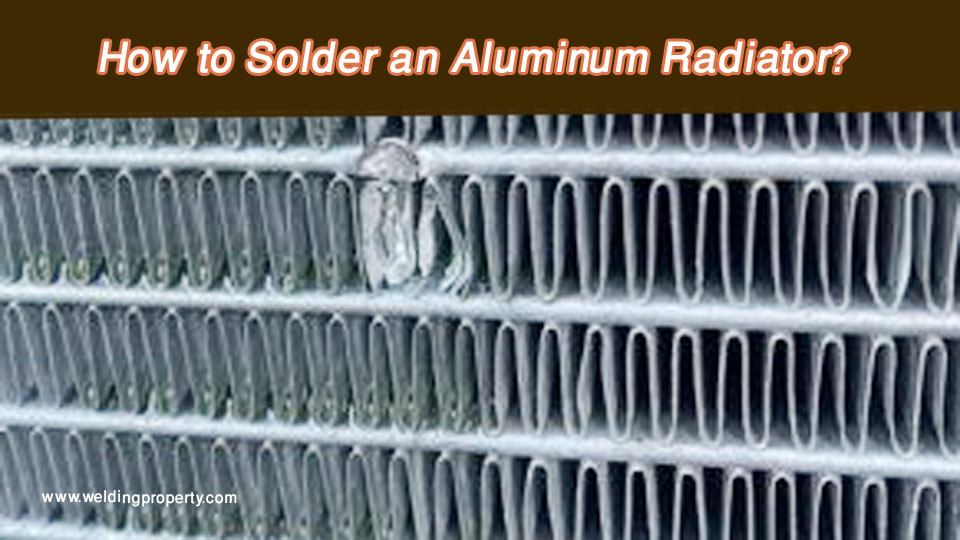
Image by reddit.com/r/MechanicAdvice
Many people believe aluminum can’t be soldered, but with the right materials and techniques, it’s absolutely possible. I’ve worked with aluminum radiators before, and I can tell you that soldering them is a great way to restore their function without spending a fortune. It just takes patience, the right tools, and some knowledge about aluminum soldering.
I’ll walk you through everything you need to know about soldering an aluminum radiator, from preparation to the actual soldering process. Let’s get started.
Why Solder an Aluminum Radiator Instead of Replacing It?
Radiators are critical for keeping an engine or cooling system running at the right temperature. A leak, crack, or corrosion spot can lead to overheating and major damage. Many people immediately think about replacing a faulty radiator, but soldering is a much more cost-effective solution in certain cases.
Here’s why soldering an aluminum radiator makes sense:
- Saves Money – A new radiator can be expensive, especially for high-performance or specialized vehicles.
- Extends Lifespan – Soldering can give your radiator more years of service before it truly needs a replacement.
- Quick Fix – If you need your vehicle running again as soon as possible, soldering is often the fastest repair.
- Prevents Waste – Instead of throwing away an otherwise good radiator, you can repair it and keep it working.
Soldering isn’t a universal fix for all radiator damage, but for small cracks, pinholes, and minor leaks, it’s an excellent solution.
Can You Really Solder Aluminum?
Many people assume that aluminum can’t be soldered like other metals, but the truth is, you can—if you use the right type of solder and flux. Aluminum has a strong oxide layer that prevents traditional solder from sticking. That’s why regular lead-based or tin-based solder won’t work.
To solder aluminum successfully, you’ll need:
- Specialized Aluminum Solder – Typically made with zinc, aluminum, or silver alloys.
- Aluminum Flux – Helps break down the oxide layer and allows the solder to bond.
- Proper Heat Source – A propane or MAP gas torch works best for aluminum soldering.
Using the wrong materials will result in a weak joint or no adhesion at all, so choosing the right solder and flux is essential.
Tools and Materials Needed
Before getting started, gather all the necessary tools and materials. Here’s what you’ll need:
| Item | Purpose |
|---|---|
| Aluminum solder | Creates a strong bond between aluminum surfaces |
| Aluminum flux | Removes oxidation and allows solder to flow |
| Propane or MAP gas torch | Heats the metal to allow soldering |
| Wire brush or sandpaper | Cleans the surface before soldering |
| Acetone or alcohol | Removes grease and contaminants |
| Heat-resistant gloves | Protects hands from burns |
| Safety glasses | Prevents eye injury from heat and fumes |
| Small brush | Applies flux to the repair area |
Having everything ready before you start will make the process smoother and safer.
Preparing the Radiator for Soldering
One of the most important steps in soldering an aluminum radiator is preparation. If you don’t clean the surface properly, the solder won’t bond, and your repair will fail.
Drain the Radiator
Make sure the radiator is completely drained of coolant before you begin. Any leftover liquid can interfere with the soldering process and cause contamination.
Identify the Leak or Crack
Carefully inspect the radiator to find the exact location of the damage. You can do this by looking for wet spots, corrosion, or using soapy water and air pressure to reveal bubbles from the leak.
Clean the Damaged Area
Use a wire brush or fine-grit sandpaper to clean the aluminum around the damaged spot. This removes oxidation, dirt, and corrosion. Then, wipe the area with acetone or isopropyl alcohol to remove grease and ensure a clean surface.
Apply the Flux
Using a small brush, apply a generous amount of aluminum flux to the cleaned area. This step is crucial because the flux breaks down the oxide layer, allowing the solder to bond with the aluminum.
How to Solder the Aluminum Radiator
Once your radiator is prepped, it’s time to solder the damaged area.
Heat the Area Evenly
Use a propane or MAP gas torch to gently heat the area around the leak or crack. Move the flame in circular motions to distribute the heat evenly. Be careful not to overheat, as aluminum melts at a much lower temperature than other metals.
Apply the Aluminum Solder
Once the flux begins to activate (you’ll see it bubbling or changing color), introduce the aluminum solder. Touch the solder to the heated area and allow it to flow naturally into the crack or hole. If the solder isn’t sticking, apply a little more flux and continue heating.
Spread the Solder Evenly
Use a small metal rod or pick to spread the solder evenly over the repair area. This ensures a strong, sealed bond. Avoid applying too much solder, as excess material can create weak spots.
Let the Repair Cool Naturally
Once the solder has fully covered the damaged spot, remove the heat and let the radiator cool naturally. Don’t use water or compressed air to cool it, as rapid cooling can create stress fractures.
Inspect the Repair
After the repair has cooled, visually inspect the soldered area. Look for any gaps or weak spots. If necessary, apply more flux and solder to reinforce the repair.
Testing the Radiator After Soldering
Once the soldering process is complete, you need to test the radiator to make sure the repair is solid.
- Pressurize the Radiator – Use compressed air and soapy water to check for leaks. If you see bubbles forming, the repair might need reinforcement.
- Fill with Coolant – After confirming the repair is airtight, refill the radiator with coolant.
- Run the Engine – Let the engine run for a while and monitor the repaired area to ensure it’s holding properly.
If everything looks good, your radiator is ready to go!
Common Mistakes to Avoid
Here are some common mistakes people make when soldering an aluminum radiator and how to avoid them:
| Mistake | Problem | Solution |
|---|---|---|
| Not cleaning the surface properly | Solder won’t stick | Always clean with sandpaper and acetone |
| Using regular solder and flux | No bond forms | Use aluminum-specific solder and flux |
| Overheating the aluminum | Causes warping or melting | Apply heat gradually and evenly |
| Cooling too fast | Cracks in the repair | Let it cool naturally |
Conclusion
Soldering an aluminum radiator is an excellent way to fix small leaks and extend the life of your cooling system. With the right tools, materials, and technique, you can create a strong, lasting repair.
I’ve personally repaired several radiators using this method, and I can say that it’s a reliable and cost-effective solution. The key is proper surface preparation, using the correct solder and flux, and applying heat carefully.
If your radiator has a minor crack or pinhole, don’t rush to replace it—try soldering it first. It might just save you a lot of time and money!
FAQs
Can I use regular plumbing solder on an aluminum radiator?
No, regular plumbing solder won’t bond to aluminum. You need an aluminum-specific solder and flux.
How do I know if my repair is successful?
Test the repair by pressurizing the radiator with air and using soapy water to check for leaks.
Is soldering better than using epoxy for radiator repairs?
Soldering creates a stronger, more durable bond compared to epoxy, which can degrade over time.
Can I use a soldering iron instead of a torch?
A torch is recommended because aluminum requires higher heat than a typical soldering iron can provide.
What should I do if my solder isn’t sticking?
Make sure the surface is clean, apply more flux, and reheat gradually.
I hope this guide helps you successfully repair your aluminum radiator! If you have any questions, feel free to ask.