
When it comes to protecting your home from rainwater damage, gutters are an essential component of your roofing system. But with so many materials available, how do you choose the right one for your home? Among the most popular options are galvanized steel and aluminum gutters.
Both have their pros and cons, and understanding the differences between them can help you make a more informed decision.
I’ve been through the process of choosing gutters for my own home and have explored both galvanized steel and aluminum gutters extensively. Let me take you through a detailed comparison to help you choose the best option for your needs.
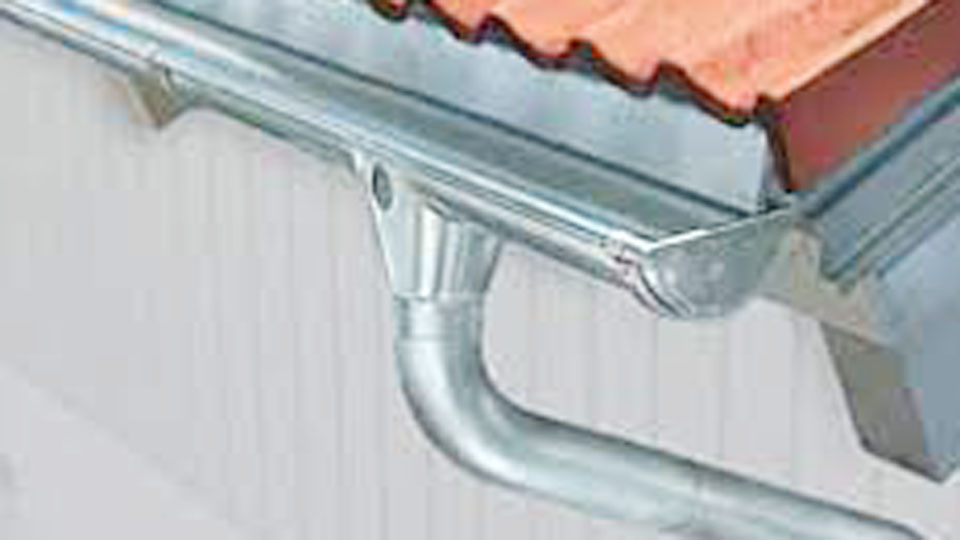
Image by seamlessguttersmn
What are Galvanized Steel Gutters?
Galvanized steel gutters are made from steel that has been coated with a layer of zinc to protect it from corrosion. The zinc acts as a protective barrier that prevents the steel from rusting. This process is known as galvanization, and it’s what gives these gutters their name.
Galvanized steel gutters are incredibly durable and are designed to last for many years. They are particularly resistant to the wear and tear caused by extreme weather conditions, making them a great choice for homes located in areas that experience heavy rain, snow, or ice.
What are Aluminum Gutters?
Aluminum gutters, on the other hand, are made from a lightweight metal that is naturally resistant to corrosion. Unlike galvanized steel, which requires a zinc coating, aluminum gutters are naturally rust-proof. This makes them an excellent choice for homeowners who are looking for a low-maintenance option.
Aluminum gutters are also lighter than galvanized steel, which can make installation easier and more affordable. They come in a variety of colors, allowing homeowners to choose gutters that complement the aesthetics of their home.
Differences Between Galvanized Steel and Aluminum Gutters
When comparing galvanized steel gutters and aluminum gutters, several factors come into play. Let’s break them down.
Durability
One of the most important considerations when choosing gutters is how long they will last. Galvanized steel gutters are incredibly durable. The zinc coating protects the steel from rusting, so these gutters can withstand harsh weather conditions, including heavy rain, snow, and even ice.
The steel itself is tough and can handle impacts, making it a great option for homes in regions that experience storms or high winds.
The zinc coating can wear away, especially in areas with acidic rain or salty air, which can lead to rusting. With proper maintenance, galvanized steel gutters can last up to 20 years, but they may require more care than aluminum gutters.
Aluminum gutters, on the other hand, are naturally resistant to rust, so they don’t require any extra protection. They are still highly durable and can last for around 20 years or more.
Aluminum is softer than galvanized steel, which means it can dent more easily if it is struck by debris or hail. Despite this, aluminum gutters still hold up well to the elements and are generally considered to be a long-lasting option.
Weight
Another important factor to consider is the weight of the material. Galvanized steel gutters are much heavier than aluminum gutters, which can make them more difficult and expensive to install. The added weight also means that they require more robust hangers and supports to keep them in place.
Aluminum gutters, on the other hand, are much lighter, which makes installation quicker and easier. They are also easier to handle, which reduces the risk of damage during installation. If you’re looking for a material that’s easier to work with, aluminum might be the way to go.
Maintenance
In terms of maintenance, galvanized steel gutters can be a bit more demanding. While the zinc coating protects the steel from rust, it can wear away over time, especially in areas with extreme weather or salty air.
When the coating wears away, the gutters become more susceptible to rust. This means that you may need to repaint or reseal the gutters periodically to maintain their protective coating.
Aluminum gutters are much easier to maintain. Since they don’t rust, there’s no need for regular sealing or repainting. They can still accumulate debris, dirt, and leaves, which can cause blockages.
Cleaning the gutters periodically is important to ensure they function properly, but the upkeep is generally simpler and less frequent than with galvanized steel.
Cost
When it comes to cost, aluminum gutters are typically more affordable than galvanized steel gutters. The material itself is less expensive, and the lightweight nature of aluminum also reduces installation costs. Additionally, since aluminum gutters don’t require as much maintenance, you may save money in the long run.
Galvanized steel gutters tend to be more expensive due to the cost of the steel and the galvanization process. The installation costs can also be higher because of the added weight and the need for more durable supports.
If you’re looking for gutters that will last a long time with minimal care, galvanized steel may still be worth the investment.
Aesthetics
Both galvanized steel and aluminum gutters come in a variety of styles and finishes, so you can find an option that complements the look of your home.
Aluminum gutters offer more color options since the material can be painted more easily. Many manufacturers offer aluminum gutters in a range of colors, allowing you to match your gutters to your home’s exterior.
Galvanized steel gutters, on the other hand, typically have a more industrial look due to their metallic finish. While some homeowners like this aesthetic, others may prefer the more refined look of aluminum gutters. Galvanized steel can also develop a patina or rust over time, which some people may find undesirable.
Environmental Impact
Both galvanized steel and aluminum gutters are recyclable, making them environmentally friendly options. However, aluminum gutters have a slight edge in this category.
Since aluminum is more widely recycled and doesn’t require the same energy-intensive process to produce as galvanized steel, it has a smaller environmental footprint overall.
Installation
Installation is another key factor to consider. As mentioned earlier, aluminum gutters are lighter, which makes them easier and faster to install.
This can be a big advantage if you’re looking to keep installation costs down. Aluminum gutters can also be customized on-site, which makes the installation process more flexible.
Galvanized steel gutters, being heavier, require more labor and expertise to install. They may require additional supports to ensure they stay in place, which can increase the complexity and cost of installation.
Galvanized Steel vs Aluminum Gutters: A Quick Comparison
| Feature | Galvanized Steel Gutters | Aluminum Gutters |
|---|---|---|
| Durability | Long-lasting, but susceptible to rust over time | Rust-resistant, durable but dents more easily |
| Weight | Heavy | Lightweight |
| Maintenance | Requires more maintenance (painting/sealing) | Low-maintenance, no rust |
| Cost | Higher installation costs | More affordable |
| Aesthetics | Industrial, metallic finish | Variety of colors |
| Environmental Impact | Recyclable, but more energy-intensive | More environmentally friendly |
| Installation | More complex, heavier materials | Easier, faster, lighter |
Which is the Best Choice for Your Home?
Both galvanized steel and aluminum gutters have their strengths and weaknesses, but which is the best for your home? The decision ultimately depends on your priorities:
Choose galvanized steel gutters if you’re looking for a highly durable, long-lasting option and are willing to invest a little more time and money in maintenance.
Choose aluminum gutters if you want a low-maintenance, affordable option that’s easier to install and comes in a wider variety of colors. Aluminum is also a great choice if you’re concerned about the environmental impact.
Conclusion
After considering all the factors, it’s clear that both galvanized steel and aluminum gutters have their place. For homeowners who want durability and strength, galvanized steel is an excellent choice. If you prefer something lightweight, low-maintenance, and budget-friendly, aluminum gutters might be the better option.
It comes down to your specific needs, climate, and budget. By carefully weighing these factors, you can make the right decision for your home and ensure your gutters provide the protection your home needs for years to come.
FAQs
How long do galvanized steel gutters last?
Galvanized steel gutters can last up to 20 years with proper maintenance, though they may require periodic painting or sealing to prevent rust.
Are aluminum gutters stronger than galvanized steel?
Galvanized steel is generally stronger and more resistant to impact than aluminum, but aluminum gutters are more rust-resistant and lighter in weight.
Can aluminum gutters be painted?
Yes, aluminum gutters can be painted, and they come in a variety of colors to match the aesthetic of your home.
Do aluminum gutters dent easily?
Yes, aluminum is a softer material compared to galvanized steel, so it is more prone to dents from heavy debris or hail.
Which gutters are best for coastal areas?
For coastal areas with salty air, aluminum gutters are often the better choice since they are naturally rust-resistant and won’t corrode as easily as galvanized steel.


