
Soldering stainless steel to copper can be trickier than it looks. Stainless doesn’t want to play nice, and copper heats up faster than you expect—so the solder either beads up or refuses to stick. I’ve spent my fair share of frustrating moments figuring out the right way, and trust me, it’s all about prep, the right flux, and a steady touch.
Get it right, though, and the joint is solid, clean, and built to last. That’s not just about pride—it keeps leaks, wasted material, and headaches to a minimum. Here’s the method that actually works, step by step, so you can get it done without banging your head against the bench.
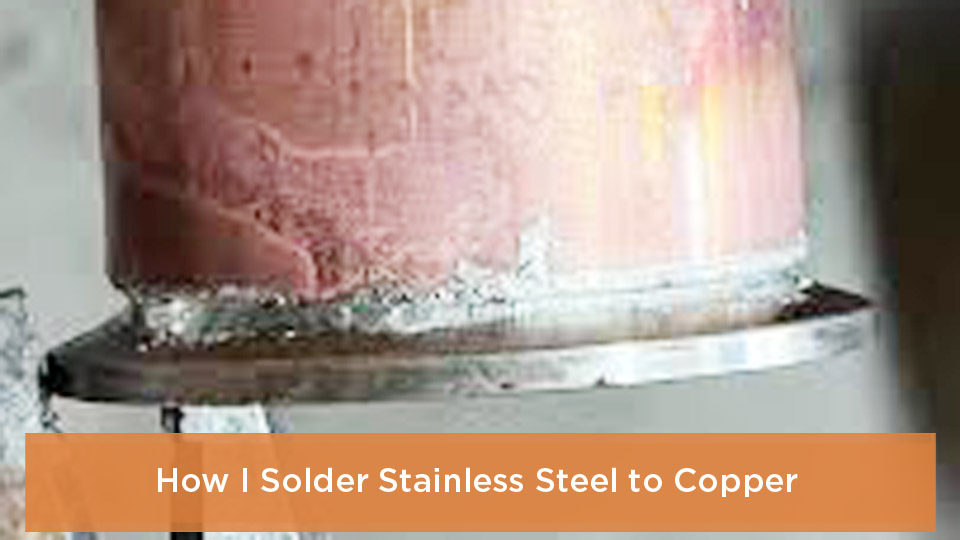
Image by reddit
Why Soldering Stainless to Copper Isn’t the Same as Regular Plumbing Work
Most plumbers grab 95/5 or 50/50 and call it a day on copper-to-copper. Throw stainless in the mix and suddenly nothing wets out, the joint looks ugly gray, and it leaks like a sprinkler. The problem is stainless steel grows a tough chromium oxide layer the instant it touches air, and regular tin-lead or tin-antimony solders hate that oxide.
Copper oxides are easy—flux eats them for breakfast. Stainless oxides laugh at regular flux. That’s why we have to change the game with either special aggressive flux or silver-bearing solder that can punch through the oxide on its own.
When You Actually Need This Joint in Real Life
I see this combination all the time in craft breweries (stainless kegs or tanks transitioning to copper still heads), HVAC and refrigeration (stainless linesets meeting copper), automotive oil coolers, high-end coffee machines, and even some solar thermal setups.
Anytime you need the corrosion resistance of stainless plus the thermal conductivity of copper in the same system, this joint shows up. It’s also cheaper than buying exotic transition fittings when you’re doing one-offs in the shop.
Best Solder Choices That Actually Work
Hands down, my shop lives on Harris Stay-Brite #8 or any of the 94% tin / 6% silver solders labeled for stainless. The silver is the magic—it lowers the melting point and gives the solder enough punch to wet stainless without eating the base metal.
I’ve also had great luck with the newer no-lead, phosphorus-free silver solders like Lucas-Milhapt Sil-Fos 5 when I’m joining refrigeration lines. Skip anything that says “for copper only” or regular plumbing solder. You’ll just burn flux and curse.
Flux Options: The Make-or-Break Decision
If you’re using Stay-Brite or any high-tin silver solder, pair it with Stay-Clean liquid flux or Superior No. 71 paste flux. These are hydrochloric-acid based and aggressive enough to strip stainless oxide. For food-grade or potable water work, I switch to Harris Bridgit flux—it’s still aggressive but leaves no corrosive residue if you clean properly afterward. Never, ever use regular rosin flux or water-soluble plumbing flux on stainless. It simply will not work.
Tools and Setup You’ll Actually Use in an American Shop
You don’t need anything exotic. A decent MAPP or MAP-Pro torch (the yellow bottles) or a small oxy-acetylene rig with a rosebud tip works perfect. I keep a TurboTorch with the A-3 tip for most of these joints.
Add a stainless wire brush, Scotch-Brite pads, emery cloth, and plenty of clean shop rags. Temperature indicator sticks (Tempilstiks) at 430°F and 450°F save your butt so you don’t overshoot and burn the flux.
Surface Prep: The Step Everyone Rushes and Regrets
Clean is not clean enough. I want the stainless shiny like a mirror and the copper bright orange with no green patina. Hit the stainless with a dedicated stainless wire brush or 120-grit emery until it gleams, then immediately wipe with acetone or alcohol.
Any fingerprint oils left behind will stop the solder cold. On the copper side, 220-grit emery cloth until it’s baby-skin smooth. Do this right before assembly—don’t prep parts hours ahead and let new oxide grow.
Fitting and Gap: Why 0.003–0.005″ Is Your Friend
Silver-bearing solders love a tight fit. I aim for three to five thousandths clearance all around. That capillary action is what pulls the solder through the entire joint. Too loose and the solder just blobs on top. Too tight and there’s no room for solder to flow. On tubing, I’ll often lightly expand the copper or swage the stainless so everything slides together with just a little resistance.
Heating Technique That Took Me Years to Perfect
Heat the stainless side first. Copper conducts heat like crazy and will steal it all if you’re not careful. Get the stainless just hot enough that the flux starts bubbling and turns clear, then move the flame around both parts evenly.
When you see the flux go glassy and the solder melts the instant it touches the joint (not the torch), you’re there. Feed solder at the edge and let capillary action do the work. If you have to keep touching the solder to the joint to make it melt, you’re not hot enough yet—be patient.
Step-by-Step Walkthrough I Use With Every New Guy in the Shop
- Cut and deburr both pieces square.
- Clean stainless to bright metal with dedicated brush.
- Clean copper to bright with emery cloth.
- Wipe both with acetone.
- Apply flux generously inside and outside the joint.
- Assemble while flux is still wet.
- Support the assembly so it can’t move.
- Heat stainless side first, then sweep flame evenly.
- Touch solder to joint edge when flux is clear and glassy.
- Let solder flash all the way through—look for the little ring at the back.
- Remove heat immediately.
- Let cool naturally—never quench silver solder joints.
- Clean residual flux with hot water and a brush until water sheets off clean.
Common Mistakes I Still See Pros Make
Biggest one: overheating. Burnt flux turns black and insulating, and the solder balls up instead of flowing. Second place: moving the joint before it’s fully solid. Silver solder stays mushy for a few seconds longer than plumbing solder—hold still or it cracks. Third: skimping on cleaning. If the solder sits on top like a bird dropped it there, you didn’t clean enough.
Machine Settings When You’re Using a TIG for Silver Brazing Instead
Sometimes I’ll silver-braze these joints with the TIG because I want maximum control (especially on thin-wall tubing). Use a 1/16″ silicon bronze or Stay-Brite rod, DCEN, 1% thoriated or 2% lanthanated tungsten, argon at 15–20 cfh. Pulse at 100–150 pps if your machine has it—keeps the puddle tiny and prevents burn-through on thin copper.
Pressure Testing and Why I Never Skip It
After the joint cools, I hit every single one with 150 psi nitrogen and soap solution. I’ve caught pinholes that looked perfect visually more times than I can count. Better to find it on the bench than when the customer fills the system.
Pros and Cons of Soldering vs Mechanical Transitions
Soldering gives you the smoothest internal bore (critical for refrigerant velocity) and costs pennies. Mechanical press fittings or ProPress transitions cost ten times more but require zero heat. I solder when strength and flow matter; I press when I’m on a service call and fire isn’t an option.
Maintenance and Long-Term Performance I’ve Seen in the Field
I’ve got stainless-to-copper soldered joints in breweries that are fifteen years old, still mirror-shiny inside with no pitting. The key is cleaning all flux residue—any leftover acid will eat the joint over time. In refrigeration, these joints handle 400+ psi and vibration without issue.
One Pro Tip That Saves Hours of Heartbreak
Keep a small jar of flux mixed with a few drops of alcohol so it paints on thin and even. Thick globs of flux burn before the metal gets hot enough and leave black crud that blocks solder flow.
Wrapping Up
Everything I know about soldering stainless steel to copper from thousands of joints that either held or taught me a lesson. Next time you’re looking at that oddball transition, you now have the exact process, materials, and tricks the pros use.
Grab the right solder, clean like your life depends on it (because sometimes the job does), heat smart, and you’ll turn out joints that look like jewelry and last decades. Now get out in the shop and make something cool.
FAQs
Can you solder stainless steel to copper with regular plumbing solder?
No. Regular tin-lead or tin-antimony plumbing solder won’t wet stainless steel properly. You need a silver-bearing solder like Stay-Brite or a high-quality stainless flux to make it work.
What temperature do you need to solder stainless to copper?
Most silver-bearing solders flow between 430°F and 460°F. Use a 450°F Tempilstik so you know exactly when you’re in the zone.
Is soldering or brazing stronger for stainless to copper?
Silver soldering (technically low-temperature brazing) with 4–6% silver is plenty strong—often stronger than the copper itself. High-temperature brazing with 15% silver or Sil-Fos is overkill unless you’re running 1000+ psi or extreme temperatures.
Do you need special flux for stainless steel to copper?
Yes, absolutely. Regular plumbing flux won’t cut the chromium oxide. Use Stay-Clean, Superior No. 71, or a dedicated stainless flux.
Can these joints be used for potable water?
Yes, if you use lead-free silver solder (Stay-Brite #8 or Bridgit) and thoroughly remove every trace of flux afterward. Many commercial coffee machines and brewery cold liquor tanks do exactly this.


