
One of the toughest challenges I faced early on was figuring out how to weld thin sheet metal without burning holes or warping it into a wavy mess. I remember my first attempt at patching a rusted fender on a ’67 Mustang—too much heat, and it looked like Swiss cheese. That failure taught me the tricks I’m sharing today.
Whether you’re a DIYer restoring a classic car, a hobbyist building art, or a pro tackling HVAC ducts, this guide will walk you through welding thin sheet metal like we’re side by side in the shop.
Thin sheet metal—typically 24-gauge to 1/8-inch—requires finesse to avoid burn-through or distortion. With the right prep, technique, and equipment, you can create strong, clean welds. Let’s dive into the best methods, tools, and tips to get it right.
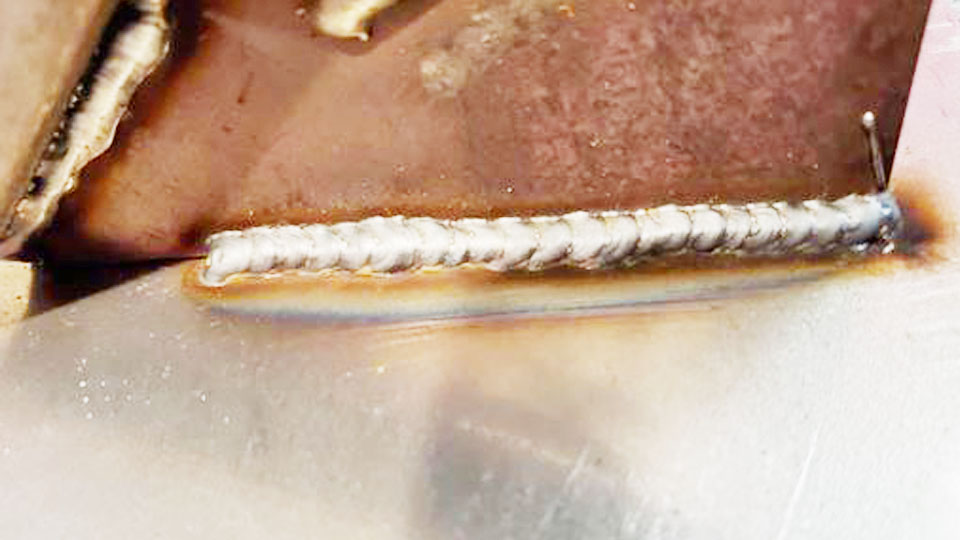
Image by reddit
Thin Sheet Metal and Its Challenges
Thin sheet metal, like 18- to 24-gauge steel or aluminum, is common in automotive, HVAC, and decorative projects. I’ve welded everything from car body panels to stainless steel kitchen backsplashes, and the biggest hurdle is heat control. Thin metal conducts heat quickly, so too much can warp it or blow holes. Too little, and you get weak, brittle joints.
Why Welding Thin Sheet Metal Is Tricky
Here’s what makes it tough:
Burn-Through: Excess heat melts holes in the metal. I’ve burned through 20-gauge steel by lingering too long with the torch.
Warping: Heat causes thin metal to expand and contract, leading to distortion. I’ve seen panels buckle because I didn’t manage heat properly.
Contamination: Dirt or rust can ruin welds. I learned to clean thoroughly after a porous weld failed on a trailer repair.
Mastering how to weld thin sheet metal means controlling heat, choosing the right process, and prepping like a pro.
Best Welding Processes for Thin Sheet Metal
You can weld thin sheet metal with MIG, TIG, or stick welding, but each has its strengths. Here’s what I’ve found from years in the shop.
MIG Welding
MIG (Metal Inert Gas) welding is my go-to for thin sheet metal. It’s fast, beginner-friendly, and versatile. I’ve used it to patch car panels and build HVAC ducts. The key is low heat and the right settings to avoid burn-through.
TIG Welding
TIG (Tungsten Inert Gas) welding is ideal for precision work, like stainless steel or aluminum sheets. It’s slower and requires more skill, but the control is unmatched. I’ve used TIG for decorative projects where clean welds matter.
Stick Welding
Stick welding (SMAW) is tough for thin metal due to high heat input. I’ve done it in a pinch on 14-gauge steel, but it’s not my first choice. It’s better for thicker materials or outdoor repairs.
| Welding Process | Pros | Cons | Best For |
|---|---|---|---|
| MIG | Fast, easy, versatile | Can spatter, needs shielding gas | Automotive, HVAC, general repairs |
| TIG | Precise, clean, great for aluminum | Slow, skill-intensive | Decorative, stainless, thin sheets |
| Stick | Works outdoors, simple setup | High heat, messy welds | Thicker steel, emergency repairs |
MIG and TIG are the best ways to weld thin sheet metal for most projects due to their heat control.
Tools and Materials You’ll Need
Before you start, gather the right gear. I’ve had welds fail because I skipped a tool or rushed prep. Here’s what you need:
- Welder: MIG or TIG welder with adjustable settings. I use a Miller 211 MIG for most jobs.
- Welding Wire/Electrodes: For MIG, 0.023- or 0.030-inch ER70S-6 wire; for TIG, 0.040-inch ER70S-2 or silicon bronze filler.
- Shielding Gas: 75/25 argon/CO2 for MIG steel; 100% argon for TIG or MIG aluminum.
- Grinder or Wire Wheel: To clean metal. I use a 60-grit flap disc.
- Backing Bar: Copper or aluminum to absorb heat. I’ve used copper strips to prevent burn-through.
- Safety Gear: Welding helmet (shade 10-12), welding gloves, flame-resistant jacket, safety glasses.
- Clamps: To hold metal tightly and prevent gaps.
- Degreaser: Acetone for cleaning oil or grease.
- Wire Brush: Stainless steel for final cleaning.
Pro tip: A copper backing bar is a game-changer for thin metal—it pulls heat away and prevents sticking.
Preparing Thin Sheet Metal for Welding
Prep is critical for thin sheet metal. Skipping it leads to porous welds or burn-through. Here’s how I do it.
Clean the Metal Thoroughly
Remove rust, paint, oil, or grease with a grinder or wire wheel. I sand down to bare metal with a 60-grit flap disc, then wipe with acetone. I once welded a car panel without cleaning properly, and the weld was full of pinholes—lesson learned.
Fit the Joint Tightly
Gaps cause burn-through. For butt joints, I ensure edges touch with less than 0.005-inch gap. Use clamps or tack welds to hold pieces flush. I’ve used magnetic clamps for quick setups on flat panels.
Use a Backing Bar
Clamp a copper or aluminum bar behind the weld to absorb heat. I’ve saved many jobs from burn-through by using a copper strip on 20-gauge steel.
Test on Scrap
Always test weld on scrap of the same thickness. I adjust settings until I get a smooth bead with no holes. This saved me from ruining a stainless backsplash once.
| Prep Step | Purpose | Tools Needed |
|---|---|---|
| Clean Metal | Removes contaminants for strong welds | Grinder, acetone, wire brush |
| Fit Joint | Minimizes gaps to prevent burn-through | Clamps, tack welds |
| Use Backing Bar | Absorbs heat to reduce warping | Copper/aluminum bar, clamps |
| Test Weld | Ensures settings are correct | Scrap metal, welder |
Best Techniques for Welding Thin Sheet Metal
Here’s how I weld thin sheet metal, focusing on MIG and TIG since they’re the most effective.
MIG Welding Thin Sheet Metal
MIG is great for beginners and pros. I’ve used it on car fenders and HVAC ducts with clean results. Here’s my process:
Set Up Your MIG Welder
For 20-gauge steel, I start with:
- Voltage: 15-18 volts
- Wire Feed Speed: 200-300 inches per minute (IPM)
- Shielding Gas: 75/25 argon/CO2 at 20-25 cubic feet per hour (CFH)
- Wire: 0.023-inch ER70S-6
For thinner metal (24-gauge), drop to 14-16 volts and 180-250 IPM. Test on scrap to dial it in.
Use Stitch Welding
Continuous beads build too much heat. I use stitch welding—short 1/2-inch welds with 1-2 seconds of cooling between. This prevents warping. I fixed a rusted trailer floor this way, keeping the panel flat.
Push, Don’t Pull
Push the torch at a 10-15 degree angle toward the weld direction. This focuses heat on the leading edge, reducing burn-through. I learned this after pulling caused holes in a thin exhaust panel.
Keep Arc Length Short
Maintain a 1/4- to 1/2-inch arc length (contact tip to workpiece). Too long, and the arc gets unstable, causing spatter. I check this constantly on thin jobs.
TIG Welding Thin Sheet Metal
TIG is my choice for precision, like stainless or aluminum sheets. Here’s how I do it:
Set Up Your TIG Welder
For 20-gauge steel or aluminum:
- Amperage: 30-60 amps (adjust with foot pedal)
- Electrode: 0.040-inch thoriated or ceriated tungsten, sharpened to a point
- Filler: 0.040-inch ER70S-2 or silicon bronze
- Shielding Gas: 100% argon at 15-20 CFH
For 24-gauge, drop to 20-50 amps. I use a foot pedal to control heat dynamically.
Use Pulsed TIG (If Available)
Pulsed TIG alternates high and low amperage, reducing heat buildup. I set it to 50-100 pulses per second for thin stainless. It saved a decorative panel from warping.
Weld Downhill
Move the torch downward for better control. I used this on a vertical aluminum sheet, keeping the bead smooth and tight.
Use a Gas Lens
A gas lens improves argon coverage, reducing oxidation. I’ve noticed cleaner welds on aluminum with this setup.
Safety Tips for Welding Thin Sheet Metal
Safety is non-negotiable. I’ve had close calls with sparks and fumes, so here’s how I stay safe:
- Wear a Welding Helmet: Shade 10-12 for MIG/TIG.
- Use Gloves and a Jacket: Flame-resistant gear prevents burns.
- Ventilate the Area: Use fans or work outdoors to clear fumes.
- Keep a Fire Extinguisher Nearby: Sparks can ignite debris.
- Avoid Galvanized Metal: Zinc fumes are toxic. Grind off coatings first.
I got a nasty burn once from skipping gloves on a quick job—never again.
Common Mistakes and How to Avoid Them
I’ve made plenty of errors welding thin sheet metal. Here’s how to avoid them:
- Too Much Heat: Causes burn-through. Use low settings and stitch weld.
- Poor Cleaning: Leads to porous welds. Always grind and degrease.
- Wide Gaps: Cause holes. Ensure tight joint fit-up.
- Moving Too Slow: Builds heat and warps metal. Keep a steady pace.
- Wrong Wire/Electrode: Thick wires or rods increase heat. Use 0.023-inch wire or 0.040-inch tungsten.
I ruined a car hood by moving too slow with MIG—stitch welding fixed my approach.
Applications for Welding Thin Sheet Metal
Thin sheet metal is everywhere. Here are common uses I’ve tackled:
Automotive Repairs
Car body panels, like fenders or hoods, are often 18- to 20-gauge steel. I’ve patched rusted panels with MIG, using stitch welds to keep them flat.
HVAC Systems
Ducts use 24-gauge galvanized or stainless steel. I use TIG for clean, airtight welds, grinding off zinc first to avoid fumes.
Decorative Projects
Stainless or aluminum sheets for art or furniture need TIG for smooth, polished welds. I built a stainless backsplash with TIG, and it looked flawless.
Choosing the Right Filler Material
Filler choice affects weld quality. Here’s what I use:
- MIG: 0.023-inch ER70S-6 wire for steel; 0.030-inch ER4043 for aluminum.
- TIG: 0.040-inch ER70S-2 for steel; silicon bronze for minimal heat on thin sheets.
- Stick: 3/32-inch 6011 or 7018 electrodes for thicker thin metal (1/8-inch).
I prefer silicon bronze TIG filler for ultra-thin steel—it melts at lower temperatures, reducing burn-through.
Troubleshooting Weld Imperfections
If your welds aren’t perfect, here’s how I fix common issues:
- Burn-Through: Lower voltage/amps, use stitch welding, or add a backing bar.
- Warping: Use skip or stitch welding to spread heat. Clamp tightly.
- Porosity: Clean metal thoroughly and check gas flow (20-25 CFH).
- Spatter: Reduce voltage or wire feed speed. Ensure proper arc length.
I had spatter ruin a clean aluminum weld once—adjusting gas flow fixed it.
Practical Tips for Welding Thin Sheet Metal
Here are my top tips from years of trial and error:
- Practice on Scrap: Dial in settings before touching your project.
- Use a Backing Bar: Copper strips prevent burn-through on thin steel.
- Stitch Weld: Short welds with cooling breaks keep heat low.
- Clean Between Passes: Remove slag or debris for smooth welds.
- Check Gas Flow: Low flow causes oxidation; too high wastes gas.
These tricks have saved me on countless jobs, from car repairs to art pieces.
Conclusion
Learning how to weld thin sheet metal takes practice, but it’s achievable with the right approach. Clean your metal, use low heat, and stick to MIG or TIG for the best results. My early mistakes—like burning through that Mustang fender—taught me to prep thoroughly, stitch weld, and test settings. Whether you’re patching a car, building ducts, or crafting art, these techniques will help you create strong, clean welds without warping or holes.
Grab your welder, practice on some scrap, and start small. You’ll be welding thin sheet metal like a pro in no time. Got questions? Check the FAQs below, and keep sparking!
What’s the best welding process for thin sheet metal?
MIG and TIG are the best. MIG is faster and easier for beginners, while TIG offers precision for stainless or aluminum. I use MIG for car panels and TIG for decorative work.
How do I prevent burn-through when welding thin metal?
Use low voltage/amps, stitch weld, and clamp a copper backing bar behind the joint. I’ve saved many jobs by keeping heat low and moving fast.
What wire size should I use for MIG welding thin sheet metal?
Use 0.023-inch ER70S-6 wire for steel up to 20-gauge. For 18-gauge or thicker, 0.030-inch works. Smaller wires need less heat, reducing burn-through.
Can I stick weld thin sheet metal?
It’s tough but possible with 3/32-inch 6011 or 7018 rods at 80-90 amps. I prefer MIG or TIG for better control, but stick works in a pinch.
How do I avoid warping when welding thin metal?
Stitch weld in short bursts, letting the metal cool between. Clamp tightly and use a backing bar. I’ve kept panels flat this way on car repairs.


