
If you’ve ever used a kitchen sink, handled food-grade equipment, or walked past a stainless steel railing, chances are you’ve come across 304 stainless steel. It’s one of the most widely used stainless steel alloys in the world. I’ve worked with it in various applications, and what makes it stand out is its versatility, corrosion resistance, and strength.
This material is a go-to choice in industries where durability and hygiene are essential. Whether in construction, manufacturing, or household items, 304 stainless steel is everywhere. Let’s take a closer look at why it’s so popular and where it’s used.
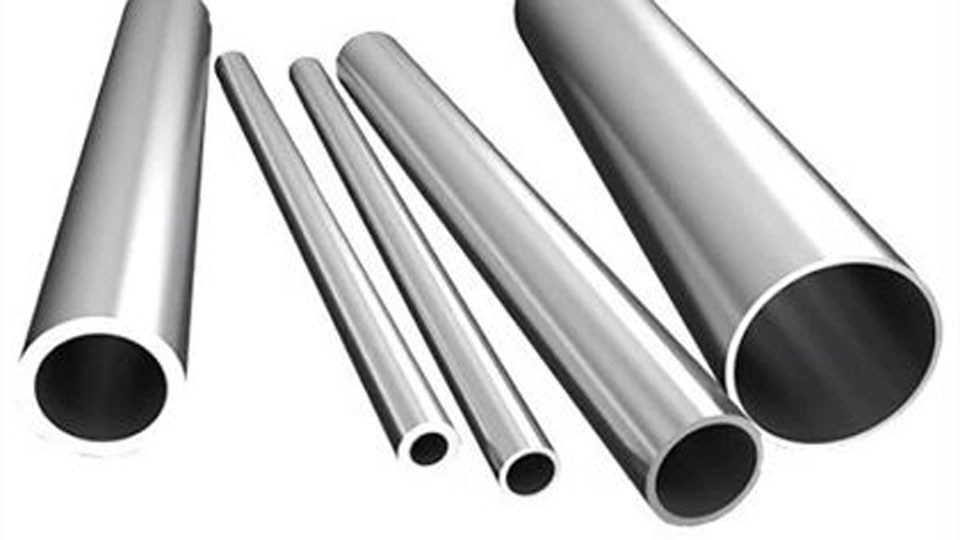
Image by indiamart
Understanding the 304 Stainless Steel
304 stainless steel is a type of austenitic stainless steel, meaning it has a high chromium and nickel content. This composition gives it exceptional corrosion resistance and strength while remaining easy to fabricate.
Here’s a quick breakdown of its chemical composition:
| Element | Percentage (%) |
|---|---|
| Chromium (Cr) | 18 – 20 |
| Nickel (Ni) | 8 – 10.5 |
| Carbon (C) | ≤ 0.08 |
| Manganese (Mn) | ≤ 2.00 |
| Silicon (Si) | ≤ 1.00 |
| Phosphorus (P) | ≤ 0.045 |
| Sulfur (S) | ≤ 0.030 |
| Iron (Fe) | Balance |
The high chromium content creates a protective oxide layer, making it resistant to rust and corrosion. This is why it’s so widely used in environments exposed to moisture, chemicals, and heat.
Common Uses of 304 Stainless Steel
Kitchen and Food Industry
One of the most well-known uses of 304 stainless steel is in kitchenware and food processing equipment. It’s non-reactive, meaning it won’t affect the taste or quality of food. It’s also easy to clean, making it ideal for applications where hygiene is a priority.
Some common food-related uses include:
- Sinks and countertops – Found in both home and commercial kitchens.
- Cookware and utensils – Pots, pans, and cutlery are often made from 304 stainless steel.
- Food processing equipment – Industrial food mixers, conveyor belts, and storage tanks.
- Refrigerators and dishwashers – Many commercial appliances use 304 stainless steel for durability.
Medical and Pharmaceutical Industry
In hospitals and laboratories, sterility is crucial. 304 stainless steel is commonly used in:
- Surgical instruments – Scalpels, forceps, and medical tools.
- Hospital furniture – Bed frames, trays, and IV stands.
- Pharmaceutical processing equipment – Tanks, pipes, and containers for drug manufacturing.
It’s used in these settings because it resists corrosion from cleaning agents, bodily fluids, and harsh chemicals.
Construction and Architecture
When you see a modern building with stainless steel accents, there’s a good chance it includes 304 stainless steel. It’s used for:
- Handrails and balustrades – Durable and stylish, often seen in commercial buildings.
- Exterior facades – Provides an elegant and corrosion-resistant finish.
- Structural components – Used in bridges, staircases, and public spaces.
Because it withstands exposure to the elements, 304 stainless steel is ideal for both indoor and outdoor construction projects.
Automotive and Aerospace Industry
Stainless steel isn’t just for buildings and kitchens—it’s also found in cars and airplanes. 304 stainless steel is used for:
- Exhaust systems – Resists corrosion from heat and gases.
- Aircraft parts – Some interior panels and fasteners are made from 304 stainless steel.
- Decorative trim – Car grills, emblems, and accents for aesthetic appeal.
Since it’s strong, lightweight, and resistant to rust, 304 stainless steel is a reliable choice for vehicle components.
Chemical and Marine Applications
Certain industries require materials that can withstand harsh chemicals and moisture. 304 stainless steel is often used in:
- Chemical storage tanks – Resistant to many acids and corrosive substances.
- Piping systems – Used in refineries, chemical plants, and water treatment facilities.
- Marine hardware – Boat railings, ladders, and fasteners.
Although 316 stainless steel is even better for marine environments (due to added molybdenum), 304 stainless steel is still widely used in areas with moderate exposure to saltwater and chemicals.
Household Applications
Even in everyday life, 304 stainless steel is all around us. Some common household uses include:
- Appliances – Refrigerators, ovens, and washing machines.
- Bathroom fixtures – Faucets, showerheads, and towel racks.
- Decorative items – Picture frames, sculptures, and furniture accents.
Because it resists rust and staining, it’s an excellent choice for home improvement and design.
Benefits of Using 304 Stainless Steel
Now that we know where it’s used, let’s talk about why it’s such a popular material.
Excellent Corrosion Resistance
304 stainless steel doesn’t rust easily, even when exposed to water, acids, or cleaning chemicals. That’s why it’s perfect for kitchens, hospitals, and industrial environments.
High Strength and Durability
Despite being relatively lightweight, 304 stainless steel is strong and long-lasting. It withstands wear and tear, making it ideal for heavy-duty applications.
Easy to Clean and Maintain
One of the biggest reasons 304 stainless steel is so popular in kitchens and hospitals is its hygienic properties. It doesn’t harbor bacteria, and cleaning is as simple as wiping it down with a cloth.
Aesthetic Appeal
With its sleek, polished finish, 304 stainless steel looks great in modern designs. It’s commonly used for interior and exterior decor because of its elegance and shine.
Cost-Effective
While not the cheapest metal, 304 stainless steel offers excellent value for its price. It lasts a long time, which means fewer replacements and lower maintenance costs.
Limitations of 304 Stainless Steel
While 304 stainless steel is an excellent choice for many applications, it’s not perfect for everything.
- Not ideal for highly saline environments – If you need stainless steel for marine use, 316 stainless steel is a better choice.
- Vulnerable to chloride exposure – Certain chemicals, like chlorides and bleach, can cause pitting corrosion.
- Not the hardest stainless steel – If you need high wear resistance, other alloys may be more suitable.
Conclusion
304 stainless steel is one of the most versatile and widely used stainless steels in the world. From kitchens and hospitals to buildings and automobiles, it’s found in countless applications.
Its corrosion resistance, strength, and easy maintenance make it an excellent choice for food processing, construction, medical equipment, and household appliances.
While it’s not perfect for every environment, its cost-effectiveness and reliability make it a preferred material in many industries. If you’re looking for a durable, stylish, and practical stainless steel, 304 stainless steel is hard to beat.
FAQs
What makes 304 stainless steel different from 316 stainless steel?
304 stainless steel contains 18-20% chromium and 8-10.5% nickel, while 316 stainless steel has molybdenum, making it more resistant to saltwater and harsh chemicals.
Can 304 stainless steel rust?
While very resistant to rust, 304 stainless steel can corrode if exposed to chlorides or extreme conditions.
Is 304 stainless steel food-safe?
Yes, it’s commonly used in food processing and kitchenware because it doesn’t react with food and is easy to clean.
Can 304 stainless steel be welded?
Yes, it’s easily weldable using TIG, MIG, or stick welding. However, proper shielding gas and techniques are required to prevent contamination.
This guide helped you understand where 304 stainless steel is used and why it’s such a popular material. If you have any questions, feel free to ask!


