Sparks were flying, the pieces kept slipping, and the seam came out weak and uneven—that’s when I realized that Ultrasonic Welding Joint Design isn’t just about pressing two parts together. It’s about understanding how the materials, pressure, and vibration interact.
I learned this the hard way, by trial and error, and by paying attention to what actually held under stress versus what failed in seconds.
Getting this right isn’t just about neat welds—it can mean the difference between a durable, safe joint and one that fails under load. I’ve discovered practical ways to plan and shape joints so they stick reliably, saving both material and frustration.
If you’ve ever wrestled with misaligned pieces, inconsistent welds, or an unpredictable ultrasonic setup, stick around. I’ll walk you through the joint design techniques that actually work, step by step, straight from my own shop experience.

Image by indiamart
What Exactly Is Ultrasonic Spot Welding and Why Should You Care?
Ultrasonic spot welding is a solid-state joining process that bonds materials at specific points using ultrasonic vibrations—no melting the base metal like in resistance spot welding or adding filler like in SMAW.
Instead, it relies on mechanical friction to create a metallurgical or molecular bond. For metals, it’s great for aluminum, copper, or nickel; for plastics, think thermoplastics like ABS or polypropylene.
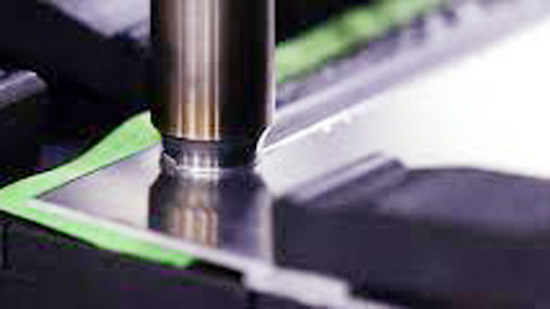
How does it work in the real world? Imagine clamping two sheets together under pressure, then applying vibrations at 20-40 kHz through a tool called a sonotrode (or horn). The friction scrubs away oxides and contaminants, allowing atoms to diffuse and form a bond.
No external heat source means minimal distortion, which is huge for thin materials where warping could scrap a part. I’ve used it on battery tabs where even a slight bend means rework, and it cuts distortion by up to 90% compared to resistance methods.
Why use it? In practical terms, it’s fast—welds in seconds—energy-efficient, and eco-friendly since there’s no filler or flux waste. For safety, you’re dealing with vibrations, not arcs, so less risk of burns or eye strain.
But it’s not for everything; thick steels or high-melt alloys might need something else. If you’re fixing a cracked plastic housing on a tool or joining wires in an EV harness, this is your go-to for reliable, low-cost joins.
How Does Ultrasonic Spot Welding Actually Work in the Shop?
The setup starts with the machine: a generator converts electrical power to high-frequency signals, a transducer turns that into mechanical vibes, and the sonotrode delivers it to your workpiece. Pressure comes from a pneumatic or servo actuator, holding everything steady.
Step one: Prep your materials. Clean surfaces are crucial—wipe off oils or oxides with isopropyl alcohol. For metals, a quick sand might help, but don’t overdo it or you’ll create uneven spots. Align the pieces in a fixture to prevent slipping; I’ve learned the hard way that misalignment leads to weak, off-center welds.
Next, set parameters: Amplitude (vibration strength, usually 20-100 microns), weld time (0.1-1 second), pressure (100-500 psi), and hold time (for cooling).
Start low and test—too much amplitude can crack plastics, too little won’t bond metals. For a basic metal spot weld, I’d go 30 kHz frequency, 50 microns amplitude, 0.5 seconds weld time on 0.5mm aluminum.
Apply the sonotrode tip—it’s like a mini anvil punching vibes into the spot. The friction heats the interface to about 30-50% of the material’s melt point, creating a bond without full melt.
Cool under pressure, and you’re done. In my shop days, I’d run test welds on scrap to dial this in; one bad parameter and you’d get “cold welds” that peel apart.
When Should You Reach for Ultrasonic Spot Welding Over Other Methods?
Think about your job: Is it thin sheets under 3mm? Dissimilar materials like aluminum to copper? Or plastics where glue fails? That’s prime territory. Use it for battery packs, wire harnesses, electronics enclosures, or even medical devices where cleanliness matters—no slag or spatter.
Why over resistance spot welding? Ultrasonic doesn’t require electrical conductivity, so it’s better for non-ferrous metals or coated surfaces. No electrodes to wear out means less downtime. But if you’re on thick steel, resistance might be cheaper and stronger.
Pros: Fast (under 1 second per spot), low energy (95% less than resistance), strong bonds (up to 90% parent strength), no consumables.
Cons: Limited to thin materials, higher upfront machine cost (handheld units start at $1,000), and vibrations can fatigue nearby components if not isolated.
In a real fab job, like repairing an HVAC panel, I’d choose ultrasonic to avoid heat distortion that could warp the assembly. For hobbyists, it’s forgiving—less skill needed than TIG, but practice on scraps to avoid over-vibrating and cracking.
Common Mistakes Beginners Make with Ultrasonic Spot Welding and How to Fix Them
I’ve botched my share. One classic: Ignoring surface prep. Dirt or oxide leads to weak bonds—fix by always degreasing and using a fixture for alignment.
Another: Overdoing amplitude. It melts plastics unevenly or fatigues metals; dial back and monitor with a force gauge.
Pros mess up too—forgetting to check sonotrode wear. A worn tip scatters energy, causing inconsistent spots. Inspect weekly and replace when pitted. If welds are brittle, check hold time; too short and the bond doesn’t set. Add 0.2-0.5 seconds.
On a wire harness job, I once skipped calibrating the machine after a power surge—welds failed pull tests.
Lesson: Always verify frequency and amplitude post-maintenance. For fixes, run diagnostics; most US machines like those from Herrmann or Dukane have built-in monitors.
Setting Up Your Ultrasonic Spot Welder: Machine Tips for US Shops
In the States, brands like Branson, Sonobond, or Tech-Sonic dominate—reliable, with good parts availability. For DIY, a handheld 35 kHz unit (around $800) works; pros need servo-controlled for precision.
Joint prep: For metals, lap joints with 10-20% overlap; for plastics, add energy directors—small ridges that focus vibes. Material handling: Store thermoplastics dry to avoid moisture absorption weakening welds.
Safety first: Wear ear protection (vibes are loud), gloves for hot spots, and eye shields. Machines have auto-shutoffs, but ground properly to avoid shocks. In humid shops, dehumidify to prevent inconsistent bonds.
Step-by-Step Guide: Performing an Ultrasonic Spot Weld on Metal Sheets
- Gather gear: Clean sheets, fixture, machine calibrated to 20-40 kHz.
- Prep surfaces: Degrease, align in fixture.
- Set parameters: Amplitude 40-60 microns, pressure 200-300 psi, time 0.3-0.6s.
- Position sonotrode: Center on spot, apply pressure.
- Weld: Trigger vibes—listen for consistent hum.
- Hold and cool: 0.4s hold.
- Inspect: Pull test or visual for ring-shaped upset (good sign).
For plastics, lower amplitude to avoid melting through.
Comparing Ultrasonic Spot Welding to Other Processes: A Shop Table
| Process | Speed | Material Thickness | Distortion | Cost per Weld | Best For |
|---|---|---|---|---|---|
| Ultrasonic Spot | Very Fast (0.5s) | Thin (<3mm) | Minimal | Low (no consumables) | Dissimilar metals/plastics, electronics |
| Resistance Spot | Fast (1-2s) | Medium (1-5mm) | Moderate | Medium (electrode wear) | Steel auto bodies |
| Laser Spot | Fast | Varied | Low | High (equipment) | Precision, thick materials |
| Friction Stir Spot | Slow | Thick | Low | Medium | Aluminum aerospace |
Ultrasonic wins for low-heat needs, but resistance is king for high-volume steel.
Pros and Cons of Ultrasonic Spot Welding in Everyday Use
Pros: Clean, no filler, joins dissimilar materials, portable for field work. I’ve welded copper to aluminum tabs without issues.
Cons: Vibration noise (use earplugs), limited penetration for thick stacks, initial setup time for parameters.
Material Compatibility: What Works Best with Ultrasonic Spot Welding?
Metals: Aluminum, copper, nickel—great for batteries. Avoid brittle ones like cast iron.
Plastics: ABS, PC, PP—amorphous melt easier than crystalline. Test compatibility; dissimilar plastics need similar melt points.
Shop tip: For hybrids like metal-plastic, use lower frequency to avoid delamination.
Dialing in Parameters: Amplitude, Time, and Pressure Tips
Amplitude: 20-50 microns for plastics, 50-100 for metals. Too high? Cracks.
Time: Short bursts prevent overheating.
Pressure: Balances friction—too low, no bond; too high, marks.
From experience, log settings for each material; it speeds repeat jobs.
Real-World Applications: From Batteries to Plastics in US Fabrication
In EV shops, it’s for tab welding—strong, conductive bonds without heat damage. Hobbyists use handhelds for model repairs. Pros in medical: Sterile joins for devices.
Anecdote: Fixed a cracked ABS enclosure on a power tool—spot welds held better than glue, no distortion.
Troubleshooting Weak Welds: Shop-Floor Fixes
If bonds fail: Check alignment, increase time slightly. Brittle? Reduce amplitude.
Overweld: Melt-through means lower pressure. Use quality inspection like pull tests or ultrasonic NDT.
Common mistake: Ignoring machine calibration—annual checks prevent drifts.
Safety Considerations: Keeping Your Shop Accident-Free
Vibrations can cause hand fatigue—use anti-vibe gloves. Noise: Ear protection mandatory. No arcs, but secure workpieces to avoid pinch points. Ground machines, inspect cables.
In my shops, we always had emergency stops and trained on overload alarms.
Advanced Tips: Optimizing for High-Volume Production
For pros: Servo machines for precise control. Integrate with robots for auto lines.
Multi-spot: Use larger sonotrodes for efficiency.
Cost savings: Low energy (under 1000W) means cheap runs.
Wrapping Up
Thinking back on all those late-night fab sessions, ultrasonic spot welding isn’t just a technique—it’s a game-changer for precise, efficient work. I’ve covered the basics: what it is, how it vibes materials together, when to pull it out over resistance or laser, and those crucial shop tips like prepping surfaces and tweaking amplitudes.
You’ve got the lowdown on avoiding pitfalls like weak bonds from poor alignment or overwelds from high pressure, plus step-by-step guides and comparisons to keep your projects on point.
Now, you’re equipped to tackle ultrasonic spot welding with confidence—whether it’s a quick DIY fix or a pro repair job. You’ll save on rework, minimize distortion, and deliver stronger, cleaner results.
Always run a peel test on your first few welds of the day; it’s the quickest way to catch parameter drifts and ensure every spot holds like it should.
FAQ’s
How do I know if my ultrasonic spot weld is strong enough?
Pull test it—aim for 80-90% of base material strength. Visually, look for a uniform upset ring without cracks. For critical jobs, use NDT like ultrasonic inspection.
What thickness of material can ultrasonic spot welding handle?
Typically up to 3mm for metals, less for plastics. Beyond that, bonds weaken—switch to seam welding or another process.
Why are my plastic spot welds melting through?
Too high amplitude or time. Drop to 20-40 microns and shorten to 0.2-0.4 seconds. Ensure good fixture support.
Can I use ultrasonic spot welding on dissimilar metals?
Yes, like aluminum to copper—friction bonds them without intermetallics. Test parameters first to avoid brittleness.
How often should I maintain my ultrasonic welder?
Weekly: Clean sonotrode. Monthly: Check transducer. Annually: Full calibration. Worn tips kill consistency—replace proactively.