If you’ve been welding as long as I have, you start to notice the small things that make a big difference. One of those things is the tungsten electrode. I know it might seem like a tiny piece of metal, it can completely change the quality of your weld. I want to share what I’ve learned over the years about the best welds tungsten electrodes.
If you’re new to TIG welding or have been at it for decades, this guide will help you understand what makes certain tungsten electrodes better than others. I’ll break down the types, what they’re best used for, how to choose them, and how to get the most out of them. Let’s dive into it like we’re sitting at the welding table together.
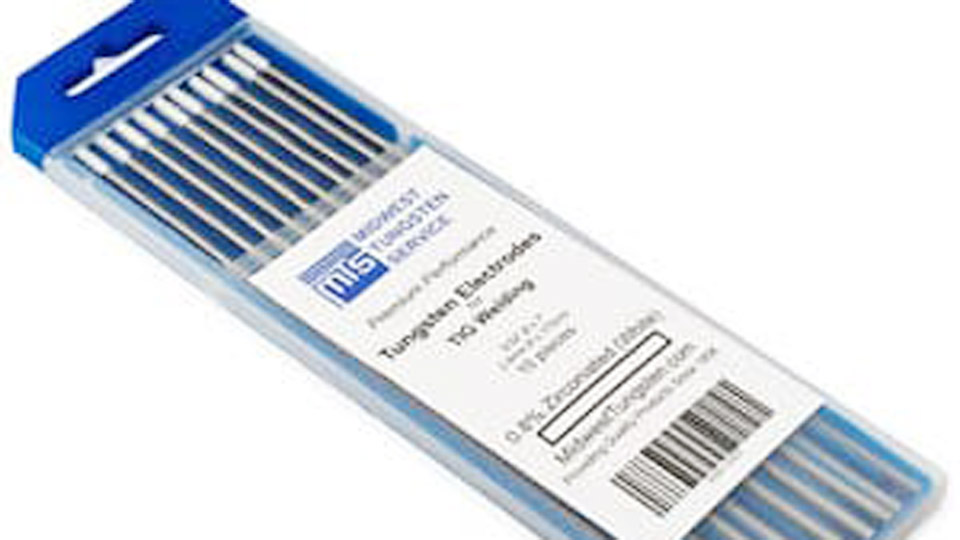
Photo by bloomenterprisess
What Are Tungsten Electrodes and Why Are They Important?
Tungsten electrodes are used in TIG (Tungsten Inert Gas) welding. They’re the tip of the torch—the part that carries the arc that melts your metal. Because tungsten has the highest melting point of all metals (around 6,192°F), it can withstand the intense heat of the arc without breaking down quickly.
Using the right type of tungsten electrode means better arc starts, more stable arcs, cleaner welds, and less rework. And for folks like us—whether we’re in a garage or a shop—time, quality, and safety all matter.
Different Types of Tungsten Electrodes
There isn’t just one type of tungsten. Each variety is doped with different elements to improve performance in specific applications. Here’s a look at the most common types and their identifying colors.
| Electrode Type | Color Code | Composition | Best For |
|---|---|---|---|
| Pure Tungsten | Green | 99.5% Tungsten | AC welding of aluminum or magnesium |
| 2% Thoriated | Red | 97.3% Tungsten, 1.7-2.2% Thorium | DC welding of steel, stainless, titanium |
| 2% Ceriated | Gray | 97.3% Tungsten, 1.8-2.2% Cerium | Low amperage welding, great for thin metals |
| 1.5% Lanthanated | Gold | 97.8% Tungsten, 1.3-1.7% Lanthanum | Versatile—works well on both AC and DC |
| 2% Lanthanated | Blue | 97.5% Tungsten, 1.8-2.2% Lanthanum | Long life, excellent arc starts |
| Rare Earth | Purple | Blend of rare earth elements | Universal use, great arc stability |
What Makes a “Best” Tungsten Electrode?
I get this question a lot: “Which one is the best?” Honestly, it depends. The best tungsten electrode depends on what you’re welding, the current type (AC or DC), and the position you’re working in.
Generally speaking, the best tungsten electrodes will:
- Have easy arc starts
- Offer stable arc performance
- Last longer (less grinding and swapping out)
- Maintain shape under heat
I’ve come to rely on a few specific types depending on the job. Let me walk you through them.
Best Tungsten for Steel: 2% Thoriated (Red)
If I’m welding mild steel or stainless on DC, I almost always reach for red-tipped thoriated tungsten. It holds a sharp point really well and provides a consistent arc. It’s a favorite in many shops for a reason.
One heads-up though—thorium is slightly radioactive. It’s safe to use, but be cautious when grinding. Use a proper respirator and grinder with dust collection.
Best Tungsten for Aluminum: Pure or 2% Lanthanated
For aluminum, which is usually welded using AC, you can go with green (pure tungsten) if you’re old-school. It balls up nicely, giving you a soft arc.
But more and more welders, myself included, are switching to blue-tipped 2% lanthanated. Why? It lasts longer, starts arcs more easily, and handles AC and DC. It’s kind of like an all-in-one upgrade.
Best All-Around Choice: 1.5% Lanthanated (Gold)
If you want one type of tungsten to cover both AC and DC, I’d suggest gold-tipped 1.5% lanthanated. It works beautifully across a range of materials and current types.
This is especially helpful if you’re mobile, working in a field, or don’t want to swap electrodes between jobs. The arc stays stable and the tip doesn’t degrade too fast, even if you’re going from mild steel to aluminum and back.
Best for Thin Metals: 2% Ceriated (Gray)
When you’re working with really thin stuff like sheet metal or doing delicate TIG work, gray-tipped ceriated tungsten is the way to go. It performs great at low amperages, and I’ve found it super useful in automotive and HVAC welding where precision matters.
It also holds up well during repeated start-stops—something I do a lot during tack welding and edge joints.
Choosing the Right Diameter of Tungsten
Another part of getting the best weld is picking the right size. Bigger isn’t always better here.
| Electrode Diameter | Best Amperage Range | Best Used For |
|---|---|---|
| 0.040” (1.0mm) | 5-30 amps | Ultra-thin materials |
| 1/16” (1.6mm) | 20-100 amps | Light sheet metal to medium plate |
| 3/32” (2.4mm) | 80-200 amps | Most general applications |
| 1/8” (3.2mm) | 150-300 amps | Heavy-duty welding, thicker materials |
Match the tungsten diameter with the amperage range of your welder and the material thickness. I usually keep 1/16” and 3/32” stocked because they cover most of my day-to-day needs.
Sharpening Matters Too
A sharp, properly prepared tungsten tip changes everything. A clean point gives you better arc control and weld bead consistency. You’ll want to grind the electrode lengthwise, not across, to keep the current flowing smoothly to the tip. I keep a dedicated tungsten grinder just for this. You don’t want contamination from other metals. It’s also safer and keeps your tips uniform.
Why Cheap Tungsten Isn’t Worth It
I’ve tested cheaper tungsten rods from no-name brands before. They’re tempting when you’re trying to save a few bucks—but more often than not, they burn out faster, arc poorly, and don’t hold their shape.
It’s better to buy quality tungsten from reputable brands like CK, Weldcraft, or Best Welds. You’ll notice the difference right away in arc stability and longevity. Plus, fewer replacements means fewer interruptions while you’re working.
Tips to Extend Tungsten Life
Let me share a few practical tips to make your tungsten last longer:
- Use the right gas flow—too much or too little argon can cause arc instability.
- Keep the tip out of the weld puddle. Contamination is a tungsten killer.
- Use the proper polarity. AC for aluminum, DC for steel.
- Store them in sealed containers to avoid moisture and dust buildup.
I also recommend having a color-coded storage case. It keeps your electrodes organized and clean. Trust me, grabbing the wrong one mid-project is frustrating.
Environmental Considerations
Like I mentioned earlier, thoriated tungsten contains radioactive elements. While they’re low-risk when used properly, many welders now prefer safer options like lanthanated or rare-earth tungsten. It’s all about making smart choices for the long term. If you’re doing high-volume TIG work, switching to a safer alternative could be a good move for your health and safety.
Wrapping It All Up
Welding is part science, part art. And just like a painter needs the right brushes, we welders need the right tungsten. I’ve worked with just about every kind over the years, and I can tell you this—investing in the right electrode makes your job smoother, your welds cleaner, and your time more productive.
If you’re just starting out, try a few different types and see what works best for your projects. If you’ve been doing this a while like me, maybe it’s time to revisit your favorites and see if a new type fits your workflow better.
Good tungsten doesn’t just make better welds—it makes better welders.
Frequently Asked Questions
What is the best tungsten electrode for aluminum?
The best choice for aluminum is usually 2% lanthanated (blue) or pure tungsten (green) for AC welding.
Can I use the same tungsten for steel and aluminum?
Yes, 1.5% lanthanated (gold) is a great universal option for both AC and DC applications.
What size tungsten electrode should I use?
It depends on your amperage. For general use, 3/32″ works well for most jobs. Use 1/16″ for light work and 1/8″ for heavier materials.
How do I know when to replace my tungsten?
If the arc becomes unstable, the tip is deformed, or contamination is visible, it’s time to regrind or replace your electrode.
Is thoriated tungsten safe to use?
Yes, with proper precautions. Always grind in a well-ventilated area with a respirator and dust collection system.
Can I grind tungsten on a bench grinder?
You can, but it’s best to use a dedicated tungsten grinder to avoid contamination and get more precise points.