I’m thrilled to share my passion for a tool that’s been a game-changer in my welding career: the ultrasonic type leak detector. If you’ve ever been frustrated by a hidden leak in a gas line or industrial system, this device is your new best friend. I’ve spent years using these detectors, and I’m excited to explain how they work in a way that’s clear and engaging.
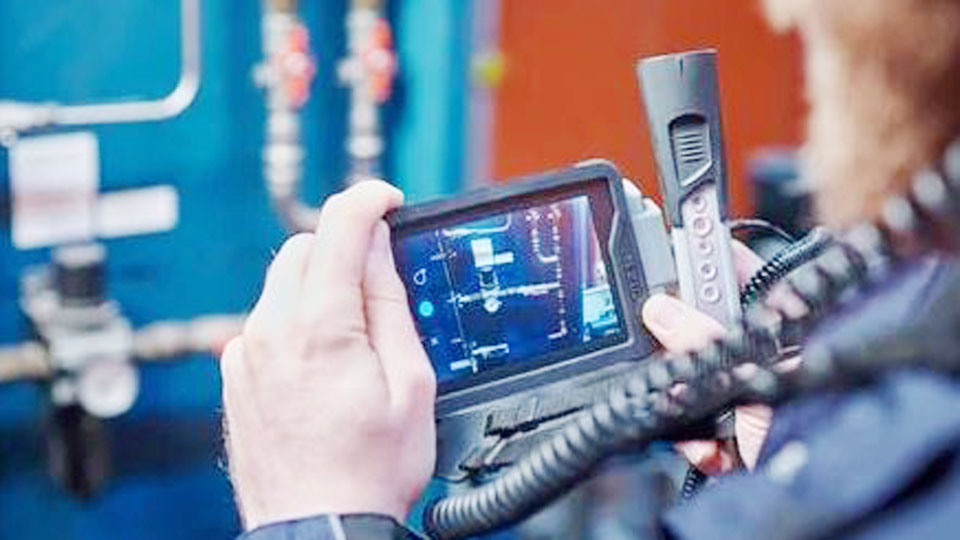
Photo by sonotec
If you’re a welder, a DIY enthusiast, or just curious about the technology, this article will guide you through the magic of ultrasonic leak detection. Let’s dive in and explore how these devices catch those sneaky leaks!
What Is an Ultrasonic Type Leak Detector?
You’re working on a welding project, and there’s a tiny gas leak somewhere in the system. You can’t see it, and you definitely can’t hear it with your ears. That’s where an ultrasonic type leak detector comes in.
It’s a handheld device that picks up high-frequency sound waves—sounds way beyond what humans can hear. These sounds are created when gas or liquid escapes through a small hole, causing turbulence in the air.
I remember the first time I used one of these gadgets. It felt like having a superpower! The detector helped me find a pesky leak in a compressed air line that was driving everyone nuts.
These devices are used in welding, HVAC systems, automotive repair, and even plumbing. They’re lifesavers when you need to find leaks without tearing apart equipment.
Why Ultrasonic Detection Works So Well
You might be wondering, why not just listen for the leak or use soapy water to spot bubbles? Well, sometimes leaks are too small, or they’re in hard-to-reach places. Ultrasonic detectors don’t rely on your eyes or ears—they use science.
When gas or liquid escapes, it creates turbulence, which generates ultrasonic sound waves. These waves are typically above 20 kHz, far beyond the 20 Hz to 20 kHz range of human hearing.
What’s cool is that ultrasonic detectors are super sensitive. They can pick up even the tiniest leaks in pressurized systems, like argon or helium lines used in welding. PlThey work in noisy environments, like a busy shop floor, because they focus only on those high-frequency sounds.
I’ve used them in loud welding shops where you can barely hear yourself think, and they still pinpointed the leak like a champ.
How Does the Technology Behind It Work?
Let’s get into the nitty-gritty of how these devices do their magic. An ultrasonic leak detector has a few key components that work together to sniff out leaks. Here’s a simple breakdown of what’s going on inside:
- Microphone or Sensor: This is the heart of the detector. It captures ultrasonic sound waves and converts them into electrical signals. Think of it like a super-sensitive ear that only hears high-pitched sounds.
- Signal Processor: Once the sensor picks up the sound, the processor amplifies and filters it. This step is crucial because it separates the leak’s sound from background noise.
- Display or Indicator: Most detectors have a screen or LED lights to show the strength of the ultrasonic signal. Some even have headphones so you can “hear” the processed sound.
- Power Source: Usually a battery, keeping the device portable and easy to use in tight spaces.
When I first opened up an ultrasonic detector (don’t try this at home!), I was amazed at how compact yet powerful the tech was.
The sensor is the real star—it’s designed to ignore regular sounds, like voices or machinery, and zero in on the hissing or turbulence caused by leaks.
Step-by-Step: How to Use an Ultrasonic Leak Detector
Using an ultrasonic leak detector is easier than you might think. Let me walk you through the process, step by step, based on my own experience:
- Turn On the Device: Most detectors have a simple power button. Make sure the battery is charged or fresh.
- Adjust the Sensitivity: Start with a medium sensitivity setting. If you’re in a noisy environment, you might need to tweak it to avoid picking up irrelevant sounds.
- Scan the Area: Slowly move the detector’s sensor around the suspected leak area. I like to move in a grid pattern to cover every inch.
- Watch (or Listen) for Signals: The device will show a spike in signal strength on the display or make a louder sound through the headphones when you’re near a leak.
- Pinpoint the Leak: Once you get a strong signal, slow down and move the sensor carefully to find the exact spot.
- Mark and Fix: Mark the leak with a marker or tape, then repair it according to your system’s requirements.
I’ve found that patience is key. Rushing the scan can make you miss the leak, especially if it’s tiny. I spent 20 minutes scanning a welding gas line, and the detector finally caught a leak so small it was barely hissing. Fixing it saved us a ton on gas costs!
Types of Ultrasonic Leak Detectors
Not all ultrasonic leak detectors are the same. I’ve used a few different types, each with its own strengths. Here’s a quick look at the main types you’ll come across:
| Type | Description | Best For |
|---|---|---|
| Handheld Detectors | Portable, battery-powered devices with a sensor wand and display. | General welding and industrial use. |
| Headphone-Based Detectors | Include headphones to “hear” the leak as a processed sound. | Noisy environments like weld shops. |
| Fixed Detectors | Installed in one place to monitor large systems continuously. | Factories or large-scale operations. |
| Advanced Digital Models | Feature digital displays, data logging, and adjustable frequency ranges. | Precision work or professional audits. |
Handheld models are my go-to for welding jobs because they’re easy to carry and versatile. If you’re working in a loud shop, get one with headphones—it makes a huge difference. Fixed detectors are more for big industrial setups, like a factory with miles of piping.
Where Ultrasonic Leak Detectors Shine in Welding
In welding, gas leaks are a big deal. If you’re using MIG, TIG, or stick welding, you rely on shielding gases like argon, helium, or CO2 to protect the weld pool.
A leak in the gas line can mess up your weld quality and cost you money. I’ve seen welds go bad because of a tiny leak letting air into the system, causing porosity or weak joints.
Ultrasonic leak detectors are perfect for checking:
- Gas Hoses and Fittings: These are common leak points, especially if they’re old or worn.
- Regulators and Valves: Small cracks or loose connections can let gas escape.
- Welding Machines: Internal leaks in the machine’s gas delivery system can be tricky to find without a detector.
- Storage Tanks: Compressed gas cylinders can develop leaks at the valve or seams.
I used a detector to find a leak in a TIG setup that was causing inconsistent welds. The culprit? A tiny crack in the regulator. The detector saved the day, and we were back to perfect welds in no time.
Benefits of Using Ultrasonic Leak Detectors
Why do I love these tools so much? Let me count the ways:
- Non-Invasive: You don’t need to shut down the system or dismantle anything to find a leak.
- Fast and Accurate: They pinpoint leaks quickly, even in complex systems.
- Safe: No need to use chemicals or open up pressurized lines.
- Cost-Saving: Finding and fixing leaks early prevents wasted gas and costly repairs.
- Versatile: They work on all kinds of systems—gas, air, vacuum, or even liquid.
I once helped a shop save thousands of dollars a year by finding leaks in their compressed air system. The detector paid for itself in a month!
Limitations to Keep in Mind
No tool is perfect, and ultrasonic leak detectors have a few quirks. For one, they only work on pressurized systems. If the system isn’t under pressure, there’s no turbulence to create ultrasonic waves. They can’t tell you what kind of gas is leaking—just that there’s a leak.
Another thing I’ve noticed is that they can pick up false positives. For example, a loose belt or vibrating pipe might create similar ultrasonic sounds.
You need to double-check your findings, maybe with soapy water or a pressure test. Lastly, really cheap models might not be sensitive enough for tiny leaks, so invest in a good one if you’re serious about leak detection.
Tips for Getting the Most Out of Your Detector
After years of using these devices, I’ve picked up a few tricks to make them work even better:
- Practice in a Quiet Area First: Get a feel for how the detector responds to leaks by testing it on a known leak, like a slightly loose valve.
- Use Headphones: They help you focus on the sound and block out distractions.
- Keep the Sensor Clean: Dust or grease on the sensor can reduce its sensitivity.
- Check the Battery: A low battery can make the detector less accurate.
- Move Slowly: Rushing the scan can make you miss small leaks.
I was training a new welder on how to use a detector. He was waving it around like a magic wand! I showed him how to move slowly and methodically, and he found a leak in under five minutes. It was a proud moment.
Comparing Ultrasonic Detectors to Other Leak Detection Methods
You might be wondering how ultrasonic detectors stack up against other methods, like soapy water or electronic sniffers. Here’s a quick comparison based on my experience:
- Soapy Water: Cheap and simple, but only works on accessible areas. It’s messy and doesn’t help with tiny leaks.
- Electronic Sniffers: Great for detecting specific gases, but they’re expensive and can be affected by other chemicals in the air.
- Pressure Tests: Reliable for finding leaks, but they require shutting down the system and can take a long time.
- Ultrasonic Detectors: Fast, non-invasive, and versatile, but they need a pressurized system and can’t identify the gas type.
For welding, I usually start with an ultrasonic detector and use soapy water to confirm the leak. It’s a one-two punch that gets the job done.
Choosing the Right Ultrasonic Leak Detector
If you’re thinking about getting an ultrasonic leak detector, here are a few things to consider:
- Sensitivity: Look for a model with adjustable sensitivity to handle different environments.
- Portability: A lightweight, handheld model is best for welding jobs.
- Display and Audio: A clear display and headphone option make it easier to use.
- Durability: Welding shops are tough on tools, so pick one that’s built to last.
- Price: Basic models start around $100, while pro-grade ones can cost $500 or more. Match the tool to your needs.
I’ve had great luck with brands like Amprobe and Inficon. They’re reliable and easy to use, even for beginners.
Real-World Applications Beyond Welding
While I mostly use ultrasonic detectors for welding, they’re handy in all sorts of industries. In HVAC, they find refrigerant leaks. In automotive, they track down vacuum leaks. Even plumbers use them to locate water leaks in pipes. It’s amazing how one tool can do so much!
I once helped a buddy in the HVAC business use my detector to find a refrigerant leak in a commercial cooling system. He was blown away by how fast it worked. It’s proof that these tools are worth their weight in gold, no matter what trade you’re in.
Conclusion
Well, there you have it—everything I’ve learned about how ultrasonic type leak detectors work! These little devices are like having a sixth sense for finding leaks. They use high-frequency sound waves to detect turbulence, making them fast, accurate, and non-invasive.
If you’re a welder like me, an HVAC tech, or just someone who loves cool tech, ultrasonic detectors are a game-changer.
Frequently Asked Questions
What is an ultrasonic leak detector used for?
It’s used to find leaks in pressurized systems, like gas lines in welding, HVAC systems, or plumbing. It detects high-frequency sound waves created by escaping gas or liquid.
Can ultrasonic leak detectors find all types of leaks?
They work best on pressurized systems, like gas or air lines. They can’t detect leaks in non-pressurized systems or identify the type of gas leaking.
Are ultrasonic leak detectors easy to use?
Yes! They’re user-friendly, especially handheld models. Just turn it on, adjust the sensitivity, and scan the area slowly. Practice helps you get the hang of it.
Do I need special training to use one?
No special training is required. Most detectors come with clear instructions, and with a little practice, anyone can use them effectively.
Can these detectors work in noisy environments?
Absolutely. They focus on ultrasonic frequencies, so background noise like machinery or voices doesn’t interfere. Headphones can help in really loud settings.
How much does a good ultrasonic leak detector cost?
Basic models start around $100, while professional-grade ones can cost $500 or more. It depends on features like sensitivity and durability.