Gas welding is one of those processes that teaches you a lot about heat control and metal behavior. I’ve used it on repair jobs where portability mattered and power sources weren’t available, and it quickly showed me that every welding method comes with trade-offs.
That’s why understanding the Advantages and Disadvantages of Gas Welding is important before deciding when to use it. I’ve found gas welding extremely useful for thin metal, small fabrication work, and field repairs where hauling heavy equipment isn’t practical.
At the same time, it can be slower and less efficient compared to modern welding methods, especially when working on thicker materials or high-production jobs. Choosing the wrong process can cost time, fuel, and material quality.
If you’re trying to decide whether gas welding is the right choice for your projects, you’re in the right place. Let me break down the real pros and cons so you can understand where this process shines—and where it falls short.

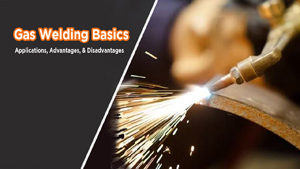
Photo from interestingengineering
What Is Gas Welding and How Does It Actually Work?
Gas welding, often called oxy-fuel welding, is one of the oldest methods still kicking around in shops today. At its core, it’s about using a flame from mixed gases to melt the base metals and add filler if needed. I remember my first time lighting up an oxy-acetylene torch; the whoosh of the flame felt like holding a dragon on a leash.
Here’s how it breaks down: You mix oxygen with a fuel gas—usually acetylene, but sometimes propane or hydrogen—in a torch. The flame hits temperatures up to 6,300°F, hot enough to melt most metals without electricity.
You hold the torch in one hand, directing the flame to create a molten puddle, and feed a filler rod with the other to build up the weld.
It works best on thinner materials like steel up to 1/4 inch or non-ferrous metals such as aluminum and copper. The key is controlling the flame type—neutral for most jobs, carburizing if you need extra carbon, or oxidizing for cutting. In practice, I always start with a neutral flame to avoid porosity or weak spots.
Why bother learning this when arc welding dominates? Because in tight spots or outdoors without power, gas welding is your go-to. It’s portable, and you can braze or cut with the same setup.
Just remember, joint prep is everything—clean the edges with a wire brush and bevel them for better penetration on thicker stuff.
Key Advantages That Make Gas Welding a Shop Staple
Gas welding isn’t flashy like TIG, but it has perks that keep it relevant, especially for hobbyists and field repairs. I’ve used it to patch exhaust pipes on trucks where dragging out a welder wasn’t feasible.
Versatility Across Materials and Applications
One big plus is how gas welding handles a wide range of metals without swapping machines. Steel, cast iron, brass—you name it. For aluminum, it’s forgiving if you flux the rod properly to break through the oxide layer.
We’d switch from welding a wrought iron railing to brazing a copper fitting seamlessly. It’s ideal for repairs where matching the base metal’s properties matters, like on vintage cars. Use it when distortion is a concern; the slower heat input lets you control warping better than faster processes.
For thin gauge steel, keep the flame small and move steadily. I’ve seen pros burn through by lingering too long, but a quick pass with a #3 tip at 5-7 psi acetylene and 20-30 psi oxygen gives clean results.
Portability and Low Setup Costs
No need for bulky generators or extension cords—grab your tanks, torch, and hoses, and you’re set. This saved my bacon on remote job sites, like fixing a gatepost in a field.
Startup costs are low too. A basic oxy-acetylene kit runs $300-500, versus thousands for a good MIG welder. For DIYers, it’s accessible; you can practice on scrap without frying circuits.
But portability shines in emergencies. Once, a trailer hitch cracked on a haul, and gas welding got us back on the road without towing. Keep tanks secured and use flashback arrestors—I’ve dodged close calls without them.
Precise Control Over Heat and Weld Quality
With gas welding, you see the puddle form in real time, adjusting heat on the fly. This beats arc methods where amperage spikes can cause undercut.
For intricate work like jewelry or model building, it’s unbeatable. Hobbyists love it for scale models; the flame’s finesse prevents melting delicate parts.
Match rod diameter to material thickness—1/16 inch for sheet metal, 1/8 for heavier. Too thick, and it won’t melt evenly; too thin, and you’ll chase puddles all day. I’ve fixed many botched jobs by grinding out and rewelding with proper heat.
Minimal Equipment Maintenance
Unlike arc welders with electrodes that stick or wires that jam, gas setups are straightforward. Clean the tips regularly, and you’re good.
In high-use shops, this means less downtime. I’ve gone months without issues, just swapping regulators occasionally.
For students, it’s a great learning tool—teaches heat management without electronic bells and whistles.
The Downsides of Gas Welding You Can’t Ignore
Every process has trade-offs, and gas welding’s aren’t minor. I’ve switched to MIG for efficiency on bigger projects because gas can drag on.
Slower Welding Speeds in Production Settings
Gas welding is methodical, which is code for slow. On long seams, you’re hand-feeding rod while managing the torch—fatiguing after hours.
In fabrication shops, this kills productivity. For a 10-foot pipe, MIG finishes in minutes; gas takes triple the time.
Why use it then? For quality over quantity, like artistic welds. But pros often reserve it for spot fixes. Mistake I see: Rushing the puddle leads to incomplete fusion. Slow down, let it flow.
Higher Risk of Distortion and Warping
That concentrated flame heat can warp thin metals if you’re not careful. I’ve straightened more panels than I care to admit after overdoing it.
Compared to pulsed MIG, gas inputs more heat overall, expanding and contracting metal unevenly. Tack weld first, then fill in sections to minimize this.
Always wear shaded goggles—I’ve treated flash burns from skipping them. And ventilate; acetylene fumes build up fast in enclosed spaces.
Limited to Thinner Materials Effectively
Push gas welding on thick plates, and penetration suffers. Over 1/4 inch steel, you need multiple passes, risking cracks.
For heavy fabrication, stick or flux-core is better. I’ve layered welds on cast iron successfully, but it’s tedious. Prep joints with a V-groove and use low-hydrogen rods for strength.
Beginners mess up by skimping on filler—leads to weak, brittle joints. Test bends on scraps to check.
Gas Consumption and Storage Hazards
Tanks run out mid-job, and refills add up—acetylene isn’t cheap. Plus, storing pressurized gases demands care; leaks spark fires.
I’ve enforced chain-secured tanks after a near-miss rollover. Use in well-ventilated areas; oxygen accelerates combustion.
For hobbyists, this means planning ahead—keep spares or switch to propane for cost savings, though it’s cooler.
When to Pick Gas Welding Over Modern Alternatives
Choosing gas welding boils down to the job’s demands. If portability and versatility trump speed, go for it. I’ve grabbed the torch for outdoor repairs where power’s spotty.
Compare it to arc processes: No electricity needed, but slower. For aluminum, it’s cheaper than TIG without argon costs.
Fixing a bike frame in the garage—gas welding’s low heat preserves the temper. But for structural beams, I’d arc weld for deeper penetration.
Table: Gas Welding vs. Common Alternatives
| Process | Speed | Portability | Material Thickness | Cost | Best For |
|---|---|---|---|---|---|
| Gas Welding | Slow | High | Thin to medium | Low initial | Repairs, thin metals |
| MIG Welding | Fast | Medium | Medium to thick | Moderate | Production, auto body |
| TIG Welding | Medium | Low | Thin to thick | High | Precision, aerospace |
| Stick (SMAW) | Medium | High | Thick | Low | Construction, outdoors |
Use this when deciding—I’ve referenced similar charts in my notebook for years.
Step-by-Step Guide to Setting Up and Performing Gas Welding
I’ll walk you through a basic butt joint on mild steel, like patching a muffler.
First, gather gear: Oxy-acetylene tanks, regulators, hoses, torch with tips (#0-5), filler rods (RG45 for steel), flux if needed, striker, goggles, gloves.
Step 1: Set pressures. Acetylene at 5-15 psi, oxygen 20-40 psi. Too high, and the flame blows out; too low, no heat.
Step 2: Light the torch. Open acetylene slightly, ignite with striker—never a lighter. Add oxygen for a neutral flame: Sharp inner cone, no soot.
Step 3: Prep the joint. Clean oxides with emery cloth, bevel edges 30 degrees for penetration.
Step 4: Tack the pieces. Short bursts to hold alignment without warping.
Step 5: Weld. Hold torch at 45 degrees, 1/8 inch from metal. Heat to red, dip rod into puddle. Move in circles for even fill.
Step 6: Cool slowly. Cover with blanket to prevent cracks.
Common fix: If the weld beads up without fusing, increase heat or clean better. I’ve ground out and redone many.
For amperage? Wait, gas doesn’t use it—but if comparing to arc, think flame size like current. Small tip for low “amps,” large for high.
Material Compatibility and Filler Choices in Gas Welding
Matching fillers is key. For steel, RG45 or RG60 rods melt at similar temps.
Diameter matters: 3/32 inch for general work. Too big, and it cools the puddle.
On copper, use phosphor-bronze with flux. I’ve brazed plumbing lines this way—stronger than solder.
Mistake: Using wrong rod leads to cracks. Always check compatibility charts.
A trainee used aluminum rod on steel—disaster. We laughed, then taught proper selection.
Safety First: Avoiding Common Gas Welding Pitfalls
Gas welding’s hazards are real—flashbacks, burns, explosions.
Always check hoses for cracks; I’ve replaced plenty mid-shift.
Wear leather—sparks fly. And never weld near flammables; a spark once ignited rags in my shop.
For students: Practice flame adjustment dry first. Wrong mix oxidizes metal, weakening welds.
Pro tip: Install reverse flow valves—they’ve saved equipment from backfires.
Joint Preparation Techniques That Make or Break Your Weld
Skip prep, and your weld fails. For gas, clean to bare metal.
Bevel thick joints; chamfer thin ones.
In repairs, grind out cracks fully. I’ve chased hidden flaws leading to repeats.
Use backing strips on gaps for support.
Real-World Applications in US Shops and DIY Projects
In American fabrication, gas welding fixes farm gear in the heartland or custom choppers in Cali garages.
For hobbyists: Build a go-kart frame—portable and precise.
Pros use it for HVAC copper lines; brazing beats soldering for pressure.
Case: I repaired a historic wrought iron fence—gas preserved the patina better than arc.
Troubleshooting Bad Gas Welds on the Fly
Porous weld? Too much oxygen—dial back for neutral flame.
Cracks? Rapid cooling; insulate post-weld.
Undercut? Torch angle wrong—keep it perpendicular.
I’ve fixed all these in the field; grind, re-prep, reweld.
The beauty is gas lets you feather edges smoothly.
Welding thin to thick? Heat the thicker side more.
Final Thoughts
I’ve seen gas welding evolve from a daily driver to a specialty tool, but its fundamentals remain solid. You’ve now got the lowdown on its strengths—like unmatched portability for those off-grid fixes—and its limitations, such as slower speeds that can bog down bigger jobs.
Armed with these insights, you’ll pick the right process more confidently, avoiding costly mistakes like warped panels or weak joints. Whether you’re a weekend warrior patching a trailer or a pro tackling intricate repairs, this knowledge sharpens your edge in the shop.
Is Gas Welding Suitable for Beginners?
Absolutely, but start small. Practice on scrap steel with a neutral flame and 1/16-inch rods. Focus on puddle control; it’ll build confidence before tackling real projects. Skip thick materials until you’re comfortable—thin sheet metal forgives more.
What’s the Best Gas Mixture for Aluminum Welding?
Oxy-acetylene with a slight carburizing flame works well, paired with aluminum fluxed rods. Set acetylene to 3-5 psi and oxygen to 5-10 psi for clean flow. I’ve found it beats oxy-propane for penetration on aircraft skins.
How Do I Prevent Warping in Gas Welding?
Tack frequently and weld in short segments, alternating sides. Use clamps or fixtures to hold shape. For sheet metal, a smaller tip and quicker passes minimize heat buildup—I’ve straightened less this way.
Can Gas Welding Be Used for Cutting Too?
Yes, switch to a cutting tip and boost oxygen pressure to 40-60 psi. It’s precise for shapes in plate steel up to 6 inches. Safety first: Clear the area of debris, as slag flies hot.
What’s the Cost Difference Between Gas and Arc Welding for Hobbyists?
Gas setups start cheaper, around $400, but ongoing gas refills add $50-100 monthly for regular use. Arc like stick might cost $200 more upfront but saves on consumables long-term. Factor in your project volume—gas wins for occasional repairs.