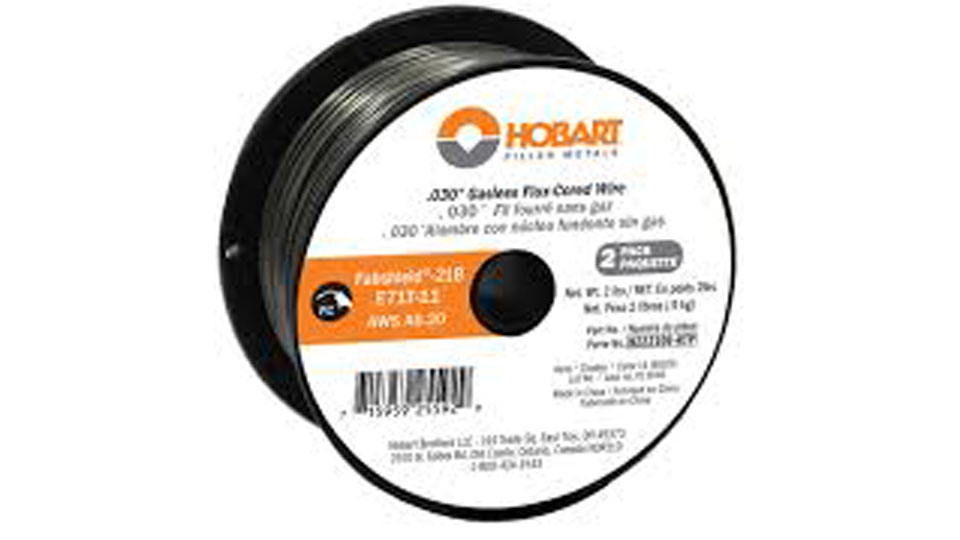
When working with mild steel, choosing the best arc welding rod makes all the difference. It affects the strength and quality of your welds. Not all rods handle mild steel the same way, so picking the right one is key. You want a rod that offers smooth welds, good penetration, and minimal spatter.
Durability and ease of use are important too, especially if you’re tackling different projects. Finding the best arc welding rod for mild steel means balancing performance with reliability, ensuring your work holds up over time. Let’s dive into what to look for and how to make the best choice for your welding needs.
Yeswelder Mild Steel Welding Rod
The Best Arc Welding Rod for Mild Steel designed for hobbyists and professionals who need reliable general-purpose welding rods.

What to Expect in Everyday Use
- Works well with both AC and DC welding currents, making it versatile for various setups.
- All-position welding capability helps when working on awkward or tight spots.
- Low spatter and easy slag removal reduce cleanup time after welding.
- Suitable for light gauge metals and sheet work, fitting a range of mild steel projects.
- Consistent performance with recommended amperages between 45A and 90A.
Considerations Before Choosing
- Not ideal for deep penetration tasks; better suited for shallow welds or poorly fitted joints.
- The 3/32″ diameter may not be the best fit for heavy-duty or thick steel applications.
- Users unfamiliar with E6013 rods might need some practice to optimize results.
Thoughts for Your Welding Projects
This welding rod offers a dependable solution for general mild steel work, especially if you’re working with thinner materials or need a rod that performs well in all positions. Its easy slag removal and low spatter make the cleanup part less tedious, which I appreciated during extended projects.
Keep in mind, if you require deeper penetration or are welding thicker steel, you might want to consider a different rod type. However, for light to moderate tasks, this rod provides confidence and smooth operation without fuss.
Finding the Right Fit
This rod fits best for hobbyists or professionals tackling light gauge metal, sheet metal, or duct work who want a versatile, easy-to-use rod for mild steel. Its ability to work on both AC and DC machines adds to its flexibility.
If your projects demand heavy-duty welding or deeper penetration, this rod might feel limiting. Those looking for high-penetration or heavy structural welding could find it frustrating.
- Great for all-position welding on mild steel.
- Ideal for beginners and intermediate welders handling light metals.
- Less suitable for thick steel or demanding structural welds.
Careful Choice for Everyday Welding Needs
If you’re working on mild steel with mostly light or medium gauge materials, this rod is worth considering. It’s especially helpful if you need a rod that works well in various positions and on different current types.
On the other hand, if your work requires deep penetration or heavy structural welds, this might not meet your needs. To get the best results, I suggest matching amperage settings closely to the recommended range and practicing a bit on scrap material first.
Overall, this rod delivers consistent performance and makes welding mild steel less of a chore, offering a steady and straightforward experience.
Elesedi E6013 Carbon Steel Welding Rod
The Best Arc Welding Rod for Mild Steel designed for both hobbyists and professionals seeking reliable all-position welding performance.
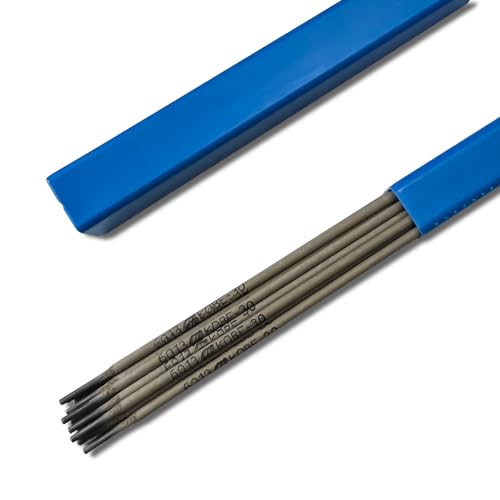
This is a carbon steel welding rod designed for mild steel applications, supporting all-position welding with low spatter and strong welds. It solves common welding challenges like arc instability and slag removal by providing a stable arc and flux coating that lifts off cleanly. This makes it suitable for both AC and DC welding machines, ideal for a variety of settings such as workshops and farms.
In use, the rod offers a smooth arc start that minimizes sticking, which is especially helpful for beginners. The welding process feels controlled and consistent, and cleaning up after welding takes less time due to the neat slag removal. I found it reliable for light fabrication and automotive repairs where precision is important without risking burn-through.
Practical Insights for Welding Mild Steel
- Stable arc ignition supports all-position welding including vertical and overhead.
- Low spatter means less cleanup and a cleaner workspace.
- Flux coating designed for easy slag removal saves time after welding.
- Works well on light-gauge materials, preventing warping and burn-through.
- Consistent rod diameter ensures predictable performance and weld quality.
- Suitable for both beginners and experienced welders needing reliable results.
Choosing the Right Welding Rod
This welding rod fits well with users who need versatility and ease of use across different welding positions and mild steel thicknesses. It is particularly good for those who want to avoid frequent arc sticking and reduce post-weld cleanup.
However, if your work involves very heavy-duty or specialized alloy steels, this rod may not provide the depth of penetration or properties required. Also, those expecting ultra-high production welding speeds might find the amperage range limiting.
- Ideal for DIY projects, automotive repairs, and farm maintenance.
- Not best suited for thick steel plates requiring deep penetration.
- May not meet demands of high-volume industrial welding setups.
A Thoughtful Choice for Mild Steel Welding
If you are working on mild steel and need a dependable rod that offers smooth operation and less mess, this product is a solid option. It works well for both newcomers and seasoned welders who want a hassle-free experience with consistent welds.
On the other hand, those requiring specialized rods for exotic alloys or very thick materials might want to consider alternatives.
Keep in mind to match your machine’s amperage settings with the rod’s recommended range for best results. With proper use, this rod can provide strong, crack-resistant welds without extensive cleanup. It’s a sensible choice if you value reliability and straightforward performance in mild steel welding.
Soundacture E6013 Welding Rod
The Best Arc Welding Rod for Mild Steel for beginners and pros tackling light gauge metalwork and sheet metal projects.

This welding rod is designed for arc welding on mild steel, especially suitable for light gauge and sheet metal tasks. It solves the common issue of difficult arc strikes by offering a smooth and reliable arc, making it easier to start and maintain welds.
In use, the rod feels balanced and consistent, giving confidence in every pass. The all-position performance means welding in various orientations is straightforward, which saves time and reduces frustration during projects.
Everyday Welding Insights
- Easy arc strikes reduce start-up struggles for beginners.
- Works well in any welding position, adapting to your needs.
- Shallow penetration protects thinner metal from damage.
- Convenient 1lb pack keeps rods fresh and manageable.
- Suitable for detailed small-scale welding tasks.
Considerations Before Buying
- Not ideal for heavy-duty or thick steel welding projects.
- The rod size (3/32″) limits deep weld penetration.
- May not suit those needing high-volume or industrial capacity.
Thoughts for the Practical Welder
This welding rod fits well for hobbyists and professionals working on mild steel with light to medium thickness. It shines in tasks requiring precision and ease of use rather than brute strength. Keep in mind that for thicker metals or heavy fabrication, a different rod might be necessary.Who Should Consider This Rod?
If you often weld mild steel sheets or light gauge metals and want a rod that’s easy to handle and versatile in position, this is a good fit. It helps avoid frustration with arc starts and supports detailed work well. On the other hand, if your projects involve thick steel or require deep penetration welds, this rod might feel limiting and slow.- Great for hobby welders and light fabrication pros.
- Perfect for home workshops and small repair jobs.
- Less suited for heavy industrial or structural steel work.
Balanced Choice for Mild Steel Welding
This rod offers a calm, dependable experience for those focused on mild steel projects that need a gentle touch. It’s not for everyone, especially if you need deep welds or tackle thick metals regularly. For light and medium tasks, the easy arc strike and all-position use provide confidence and efficiency.Arccaptain Mild Steel Tig Welding Rod
For welders seeking the Best Arc Welding Rod for Mild Steel, this product suits professionals and hobbyists who need reliable TIG welding performance.

Practical Use Highlights
- Stable arc with minimal spatter keeps the workspace cleaner.
- Designed for low-carbon and low-alloy steel welding projects.
- Good weld strength supported by balanced carbon and alloy elements.
- Compatible with 100% Argon shielding gas for optimal results.
- Fast deposition rate helps save time on medium to large welds.
Considerations Before Buying
- Only suitable for TIG welding setups, not for stick welding.
- Requires use of pure Argon gas, adding to equipment needs.
- Diameter and length are fixed, so not ideal if you need different sizes.
This TIG welding rod is made for mild steel projects where weld quality and toughness are important. It uses a mix of carbon, manganese, and silicon to improve crack resistance and mechanical strength. This makes it a solid choice for structural and automotive work where those traits matter.
In practical use, the rod produces a steady arc with very little spatter, which means less cleanup and fewer defects. I found that welds come out neat and well-formed, boosting confidence in the final result while speeding up the process. It’s straightforward to handle once the right shielding gas setup is in place.
Who Finds This Rod Useful?
This rod fits best for TIG welders working on mild steel who want consistent weld quality in various applications, from machinery to bridge construction. It’s especially useful if you already use Argon shielding gas and want a filler rod that balances strength and toughness.
It might not suit those who need rods for other welding methods or sizes, or who prefer a more versatile, multi-purpose rod. Also, beginners without Argon setups may find it less convenient.
- Ideal for professional and experienced hobbyist TIG welders
- Great for projects requiring clean, strong welds on mild steel
- Less suitable for beginners without proper shielding gas equipment
Thoughtful Use Advice
If you work regularly with mild steel and have TIG equipment ready, this rod can be a reliable part of your kit. Avoid using it without pure Argon gas, as that affects weld quality. Take time to adjust settings for the best arc stability.
While it’s not a universal solution, it offers dependable performance for its intended use. This makes it a practical choice if you want a straightforward filler rod that delivers consistent welds without fuss.
How To Quickly Narrow Down Your Best Arc Welding Rod For Mild Steel
Choosing the right welding rod can feel overwhelming with so many options available. Start by considering the type of welding you will do most often, such as light fabrication or heavy repair. Next, focus on rods that perform well on mild steel, which is the most common material for general welding tasks.
Check if the rod supports all-position welding, especially if your projects require versatility. Most people miss the importance of matching the rod size and amperage to their welding machine for smooth operation. Also, consider ease of slag removal and arc stability, as these affect the quality and cleanliness of your welds.
By filtering with these criteria, you can quickly exclude rods that don’t fit your machine or project needs. This approach saves time and reduces confusion when comparing products.
The 30-second Checklist For Best Arc Welding Rod For Mild Steel
- Does it support both AC and DC welding currents?
- Is the rod suitable for all welding positions you require?
- Can it handle the thickness of mild steel you usually work with?
- Is slag removal easy and clean after welding?
- Does the rod size match your welding machine’s amperage range?
- Is the rod known for stable arc and low spatter during use?
Common Regrets When Choosing Arc Welding Rods And How To Avoid Them
Regret #1: Buying a rod that doesn’t match your machine’s amperage. This leads to poor arc stability and difficult welding. To fix this, always check your welder’s recommended amperage range before purchasing rods.
Regret #2: Overlooking the welding position capability. Some rods work well only in flat or horizontal positions, causing frustration if you need vertical or overhead welding. Choose rods labeled for all-position welding to avoid this.
Regret #3: Ignoring slag removal quality. Tough slag can slow your work and damage the weld surface. Select rods with easy slag removal and low spatter to keep your welds clean and your workflow smooth.
Best Arc Welding Rod For Mild Steel: Quick Pick Decision Table
| If you want… | Look for this | Avoid this |
|---|---|---|
| Easy arc start and smooth welding | Welding rods with stable arc and easy strike features | Rods known for frequent sticking or unstable arcs |
| Versatility for all welding positions | All-position welding rods like E6013 types | Rods recommended only for flat or horizontal welding |
| Low spatter and clean slag removal | Rods with refined flux coatings for easy slag removal | Rods that produce heavy slag and require tough cleaning |
| Compatibility with light gauge mild steel | Rods designed for shallow penetration and thin metals | High penetration rods that risk burn-through |
| Rod size matching your welding machine | Check amperage recommendations and rod diameter | Ignoring amperage specs leading to poor weld quality |
Tips For Using And Caring For Your Best Arc Welding Rod For Mild Steel
- Store rods in a dry place to prevent moisture absorption and weld defects.
- Match the rod diameter and length to your welding machine’s settings for optimal performance.
- Clean the base metal before welding to ensure good adhesion and weld strength.
- Use appropriate amperage settings based on rod diameter and welding position.
- Remove slag carefully after each pass to maintain a clean weld surface.
- Practice welding on scrap metal to adjust settings and technique before working on your main project.
Best Arc Welding Rod For Mild Steel: Frequently Asked Questions
Can I use E6013 rods on both AC and DC welding machines?
Yes, E6013 rods are designed to work well with both AC and DC currents. They provide stable arcs and good weld quality on mild steel with either current type.
What rod size is best for thin mild steel sheets?
Smaller diameter rods like 1/16″ or 3/32″ are ideal for thin mild steel. They offer better control and reduce the risk of burn-through on thin materials.
How important is slag removal in choosing a welding rod?
Easy slag removal saves time and improves weld appearance. Rods with clean slag that peels off easily help prevent weld contamination and rework.
Are these rods suitable for beginners?
Many E6013 rods are beginner-friendly due to easy arc start and stable welding characteristics. They help new welders achieve good results with less frustration.
How long do welding rods stay good after opening the package?
Rods should be stored in a dry, sealed container. If exposed to moisture, they can absorb it and cause weld defects. Use rods within a few months for best results.
Can I weld vertical or overhead with these rods?
Yes, rods labeled for all-position welding allow you to weld vertical and overhead. Check product details to confirm suitability for your project’s positions.
Is there a difference between TIG and stick welding rods for mild steel?
Yes, TIG rods like ER70S-6 are different from stick electrodes. TIG rods require shielding gas and different equipment, while stick rods are flux-coated for arc welding without gas.
Final Thoughts
Finding the best arc welding rod for mild steel depends on your specific welding needs, machine compatibility, and project types. Focus on rods that offer stable arcs, easy slag removal, and all-position capability for the most flexibility.
If you’re unsure, a good tie-break rule is to choose rods known for easy arc starts and broad machine compatibility. This ensures smoother welding sessions and better results over time.