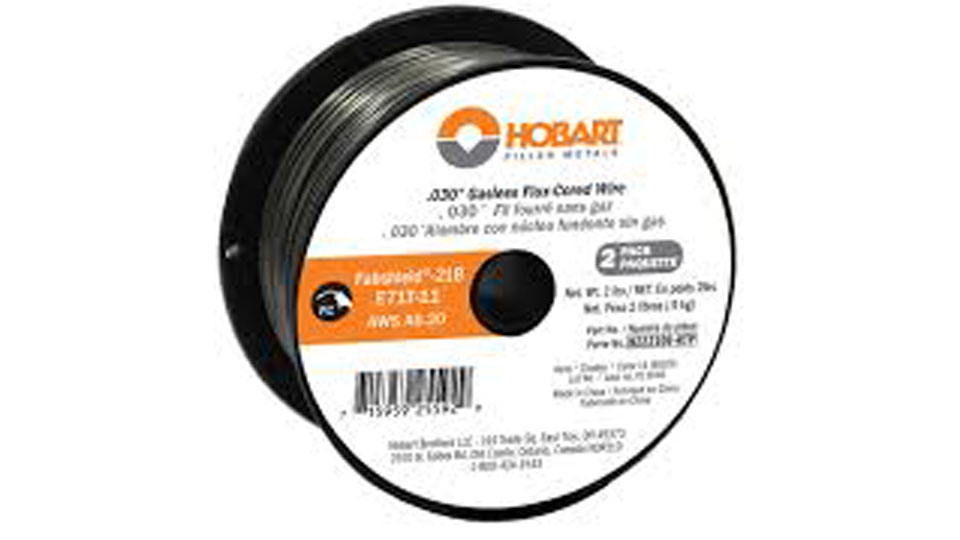
Running a quick repair at home—maybe fixing a gate, patching a bracket, or welding thin steel—can go sideways fast if you grab the wrong rod.
The arc feels unstable, slag won’t come off clean, and suddenly a simple job turns frustrating. That’s usually when welders start asking about the Best Welding Rod for Home Use and what actually works in a garage setup.
In real home welding conditions, you don’t always have perfect metal prep, high-end machines, or ideal positions. That’s why rod choice matters more than people think.
For example, rods like 6013 are popular because they’re easy to strike, run smoothly, and work well on light repairs and thin steel—making them beginner-friendly and practical for everyday jobs.
But not every rod fits every situation. Some give you cleaner welds, others give deeper penetration, and a few require more skill or proper storage to even work right.
I’ll break down the best welding rods for home use, what each one is good at, and how to pick the right one so you’re not fighting your weld every time you strike an arc.
Green Thin-gauge Welding Rod
This Best Welding Rod for Home Use suits DIYers working with galvanized and mild steel needing precision and clean welds.

This welding rod is designed for thin-gauge applications on galvanized and mild steel, tackling the challenge of clean, precise welds on delicate metal sheets. The slim 1.6 mm core makes it effective for thin materials, helping to avoid burn-through and ensuring controlled welds in home projects.
Using it feels straightforward and manageable, especially for those familiar with arc welding basics. The green flux coating reduces spatter and makes slag removal simpler, which saves time on cleanup and allows better focus on the work itself. The moisture-resistant tube keeps rods ready to use even after storage.
Practical Insights for Home Welders
- Works well on galvanized pipes and roofing panels without excessive spatter.
- Slim core offers better control on thin metal sheets from 0.8 to 3 mm.
- Flux coating aids in smooth slag removal and cleaner welds.
- Rod storage tube helps maintain rod quality by preventing moisture exposure.
- Available in multiple pack sizes to suit various project needs.
Thoughts on Fit and Limitations
This rod fits home users aiming for precision on thin metals and galvanized steel. It may not be ideal for heavy-duty or thicker steel welding. Some beginners might find the thin gauge less forgiving if not accustomed to delicate arc control.
Choosing This Rod for Your Workshop
If you regularly weld thin sheets or galvanized parts at home, this rod offers consistent results with less mess and good control. It’s less suited for thicker metals or large-scale projects where a heavier rod would perform better.
Consider storing rods properly and working in a dry environment to maximize their lifespan. With proper handling, this rod can be a dependable part of your home welding toolkit.
Green-coated Thin Welding Rod
The Best Welding Rod for Home Use designed for DIYers and hobbyists who work with thin galvanized and mild steel sheets.
This welding rod is a thin-gauge electrode made for precise work on galvanized and mild steel, particularly suited for thin sheets between 0.8 and 3 mm. Its 1.6 mm slim core helps achieve accuracy and control, which is important when working on delicate home projects where excess heat or spatter can cause damage.
Using this rod feels reliable and straightforward. The green flux coating reduces spatter and makes slag removal easier, so cleanup is less frustrating. I found it smooth to handle, giving me confidence that the welds would hold well without extra fuss.
Practical Considerations for Home Welding
- Precise for thin metals, ideal for light home repairs or crafts
- Low spatter means less cleanup after welding
- Works well on galvanized steel, avoiding common corrosion issues
- Comes with moisture-resistant storage tube to keep rods ready for use
- Available in various pack sizes to suit project scale
Thoughts on Suitability and Limitations
This rod fits home welders working mostly on thin materials and galvanized parts. If you need something for thicker steel or heavy-duty construction, it might not deliver enough penetration or strength. Also, professionals looking for industrial-grade electrodes will find this too light for intensive use.
Choosing This for Your Home Workshop
If you often weld thin sheets or galvanized metal around the house, this rod offers a balance of control and neat results. Those who require heavier-duty rods or weld thicker materials regularly should consider other options.
Keep the rods stored properly in the provided tube to maintain their performance over time. Overall, it’s a dependable choice for precision home welding tasks without unnecessary complexity.
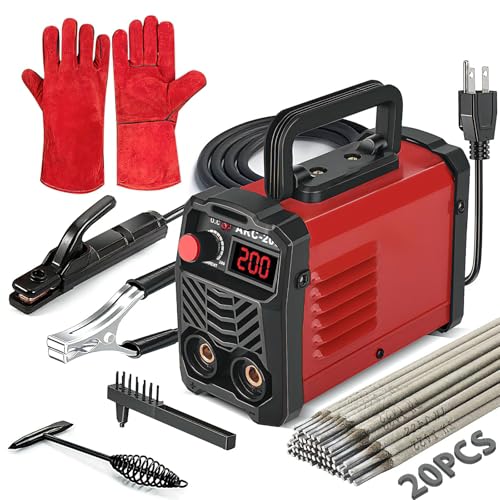
Hpoouo Portable 200amp Stick Welder
For homeowners looking for the Best Welding Rod for Home Use, this portable stick welder fits small repairs and DIY metalwork.
Key Features at a Glance
| Power Output | Adjustable 20-200A |
| Rod Compatibility | 1/16″ to 1/8″ rods (AWS E6013, E6011, E6010, E308) |
| Portability | Compact and lightweight (3.7 lb) |
| Safety Features | Over-voltage, over-current, over-heating protection |
This Hpoouo stick welder is a compact machine designed for home use. It handles welding tasks on metal thicknesses from 0.06 to 0.2 inches, suitable for mild steel and cast iron repairs. Its adjustable current up to 200 amps and compatibility with common welding rods make it a practical choice for small projects.
Using it feels straightforward thanks to its lightweight design and advanced IGBT inverter technology. The hot start and anti-stick features help create smoother welds without frustrating rod sticking. For a home user, it brings confidence and efficiency when fixing metal parts or crafting small items.
Who Finds This Useful and Who Might Look Elsewhere
This welder fits homeowners or hobbyists who need a reliable, portable welding setup for occasional repairs and DIY metalwork. Its size and power range make it easy to carry around and capable of handling most home welding tasks with common rods.
It may not suit professionals who require heavy-duty continuous welding or specialized rod types. Also, those looking for a multi-process welder or more than stick welding might find it limiting.
- Easy to transport to different work sites
- Good for thin to medium metal thickness
- Simple controls and reliable arc stability
- Not ideal for industrial-scale or heavy welding
Practical Insight for Home Welders
If you often fix metal fences, tools, or small machinery at home, this welder offers a balanced mix of portability and performance. Keep in mind the rods included are acidic, so correct polarity setup is important. For other rod types, check connections carefully to avoid issues.
This product doesn’t overwhelm with complicated features but focuses on welding essentials. If you want a dependable stick welder that fits in a small space and performs well for home projects, this is a reasonable choice to consider.
Extra-fine Green Welding Rod
For DIY enthusiasts and homeowners seeking the Best Welding Rod for Home Use, this product offers precision and versatility in welding thin galvanized and mild steel sheets.
Daily Use Insights for Home Welding
- Thin 1.6 mm core enables precise welding on delicate sheet metals.
- Green flux coating reduces spatter and eases slag removal for cleaner results.
- Designed to work well on galvanized steel surfaces, including pipes and panels.
- Comes in moisture-resistant packaging, helping maintain rod quality over time.
- Available in multiple pack sizes to match project scale.
Considerations Before You Buy
- Not ideal for very thick steel or heavy industrial welding.
- Requires some familiarity with handling thin-gauge electrodes to avoid burn-through.
- Limited to carbon steel types; may not suit specialized alloys.
Thoughts on Suitability and Use
This welding rod suits homeowners and hobbyists working on light metal projects, especially where galvanized steel is involved. Its slim core and flux coating make it easier to manage thin materials without damaging them.
However, those needing rods for heavy-duty or high-strength welds might find this less suitable. It’s designed more for precision and neatness than maximum weld strength.
Guidance for Practical Use
If your projects include thin sheets or galvanized parts, this rod offers a straightforward welding experience with less cleanup afterward. I found the moisture-resistant tube helpful in preserving the rods’ quality between uses.
For best results, pair it with appropriate welding settings and take your time to maintain control on thin metals.
Finding the Right Fit for Your Workshop
This welding rod is a solid choice for anyone focused on home repairs or crafting with galvanized and mild steel, where neat, controlled welds matter more than heavy-duty strength. If you often weld thin materials and want cleaner finishes, it’s worth considering.
On the other hand, if you need a rod for thick or industrial-grade metals, this might frustrate rather than help. It’s not built for rugged or high-load welds.
- Ideal for DIY projects and light sheet metal repair.
- Best for users comfortable with thin electrode handling.
- Skip if your work demands heavy structural welding.
Thoughtful Choice for Home Welders
If you’re working on household tasks involving thin or galvanized steel, this rod can provide control and cleaner results without much fuss. It’s well-suited for those who value precision over raw power.
However, if your projects frequently require thick or industrial-grade welding, you might find its limitations restrictive. A practical tip is to store the rods in their original moisture-resistant tube to extend their lifespan.
Overall, it’s a dependable option for home welders looking to do neat work on delicate metals with confidence and less cleanup.
Soundacture E6013 Welding Rod
The Best Welding Rod for Home Use for hobbyists and DIYers working on light metal projects.

This welding rod is a carbon steel stick electrode designed for arc welding machines. It addresses the common challenge of striking an arc easily and maintaining a smooth, consistent burn, which is important for users working on home projects or light fabrication.
One standout feature is its easy strike capability, making it accessible for beginners and reliable for more experienced welders.
Using these rods feels straightforward and manageable. The all-position performance allows welding in various angles without hassle, and the shallow penetration helps protect thinner metals from damage. I found it saves time by reducing the need for rework, giving more confidence on delicate tasks.
Daily Welding Experience Highlights
- Easy arc strike reduces start-up frustration.
- Works well on thin and light gauge metals.
- All-position usability fits diverse project needs.
- Compact 1lb pack keeps rods fresh and handy.
- Shallow penetration protects delicate materials.
- Consistent burn offers predictable weld quality.
Some Practical Considerations
- Not suited for heavy industrial or thick steel welding.
- Limited pack size may require frequent replenishment for larger jobs.
- Requires a compatible stick welding machine for best results.
Choosing This Rod for Home Welding
This rod suits home users and hobbyists who need a reliable and easy-to-use electrode for light metal projects. Its ease of use and versatility make it a practical choice for those focused on small repairs or sheet metal work.
On the other hand, welders who regularly handle thick or heavy-duty metals might find this rod less effective and should consider alternatives designed for tougher jobs.
Before starting, make sure your welding setup matches the rod specifications, and store the rods properly to keep them dry and ready. This attention helps maintain performance and reduces welding issues over time.
For home use, this rod offers a calm and steady welding experience without unnecessary complexity. It’s a solid option if you want a straightforward tool that handles most light welding tasks with ease.
How To Quickly Narrow Down The Best Welding Rod For Home Use
Start by considering the type of metal you usually work with. Mild steel and galvanized steel require rods designed for those materials. Thickness matters too—thin sheets need finer rods for precision. Think about the welding machine you have or plan to use. Some rods work better with certain machines or power settings.
Most people miss the importance of flux coating, which affects cleanup and weld quality. Also, consider storage—rods that come with moisture protection last longer. Keeping these points in mind will help you avoid confusion and pick the right rod faster.
The 30-second Checklist For Choosing Welding Rods
- Does the rod match the metal type you weld? Yes / No
- Is the rod size suitable for the thickness of your materials? Yes / No
- Can your welding machine support this rod type and size? Yes / No
- Does the rod’s coating help reduce spatter and improve cleanup? Yes / No
- Is the packaging moisture-resistant to keep rods fresh? Yes / No
- Is the rod easy to strike and maintain a stable arc? Yes / No
Common Regrets When Choosing Welding Rods And How To Avoid Them
Regret #1: Buying rods that don’t suit your metal type. This leads to weak welds and frustration. Fix this by checking rod compatibility with your materials before purchase.
Regret #2: Choosing rods that are too thick or too thin. Too thick rods can burn through thin metal; too thin rods may not penetrate enough. Match rod diameter to material thickness for best results.
Regret #3: Ignoring rod storage and moisture protection. Moisture ruins rods and causes poor welds. Keep rods in moisture-resistant tubes or dry storage to maintain quality.
Best Welding Rod For Home Use: Quick Decision Table
| If you want… | Look for this | Avoid this |
|---|---|---|
| Precision on thin galvanized steel | Extra-fine green flux-coated rods (1.6mm core) | Thick or standard rods without special coating |
| Easy arc strike and smooth welds | E6013 rods known for stable arcs and easy use | Rods with inconsistent arc or poor strike quality |
| Portability and a complete beginner setup | Mini portable stick welder with included rods | Heavy, bulky welders without starter rods included |
| Long-lasting rod storage | Packages with moisture-resistant tubes | Loose rods without protective packaging |
| Versatile rods for multiple projects | Multipacks with 20, 50, or 100 rods | Small packs that may run out quickly |
Tips For Using The Best Welding Rod For Home Use
- Always clean the metal surface before welding to improve adhesion.
- Store rods in a dry place or moisture-resistant container to avoid rust and poor welds.
- Match rod diameter to your metal thickness—thinner metal needs thinner rods.
- Adjust your welder’s current according to rod specifications for stable arcs.
- Practice striking the arc on scrap metal to get a feel for the rod and machine.
Best Welding Rod For Home Use: Frequently Asked Questions
Can I use the same welding rod for both galvanized and mild steel?
Some rods, like extra-fine green-coated ones, are designed to work well on both galvanized and mild steel. Always check the rod specifications to confirm compatibility.
What size welding rod should I choose for thin sheets?
Thin sheets typically require rods with a slim core, around 1.6 mm diameter, to achieve precise control and avoid burn-through.
Are welding rods reusable once the package is opened?
Welding rods can be used until they are consumed, but they must be stored properly to avoid moisture absorption which reduces effectiveness.
How do I know if a rod is suitable for my welding machine?
Check your machine’s amperage range and rod diameter compatibility. Most home welders support rods in the 1.6mm to 3.2mm range.
Do welding rods require any special maintenance?
Keep rods dry and store them in moisture-resistant containers. Avoid dropping or damaging the coating to maintain welding quality.
Is noise level a concern when using welding rods at home?
Welding rods themselves don’t affect noise, but the welding process can produce some sound. Using proper safety gear helps reduce discomfort.
Can I use the same rods for all welding positions?
Many rods like E6013 are designed for all-position welding, making them versatile for various home projects.
Final Thoughts On Choosing The Best Welding Rod For Home Use
Choosing the right welding rod for home use is about matching the rod to your specific materials and projects. Pay attention to rod size, coating, and storage to avoid common pitfalls. Most people find success by starting with rods designed for thin galvanized or mild steel and then adjusting as needed.
If you’re unsure, pick a rod that offers versatility and ease of use, like an E6013 or a fine green-coated rod. This simple tie-break rule helps you get started without overcomplicating your choice.