
Welding in the rain sounds like a bad idea, and honestly, it usually is—but it’s not impossible if you take the right precautions. Rain brings risks like electric shock, poor weld quality, and equipment damage, but with the right setup and techniques, you can stay safe and get the job done.
I’ve welded through some drizzles and learned a lot along the way, so let’s dive into everything you need to know about welding in wet conditions, keeping safety first and your welds strong.
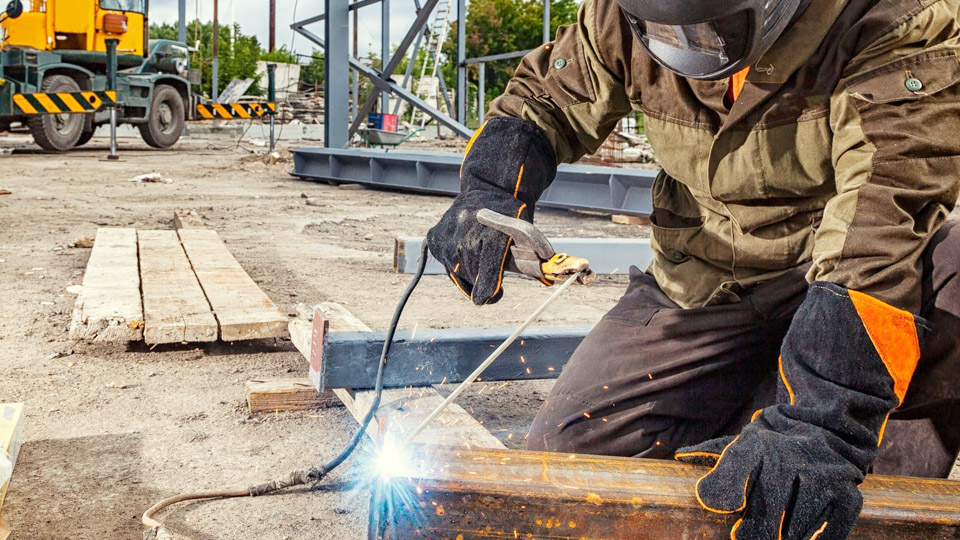
Image by sydneywelders
Why Welding in the Rain Is Risky
Welding in the rain is like trying to cook over an open flame while someone’s spraying a hose nearby. Water and electricity don’t mix, and welding involves a lot of electricity. If you’re using stick, MIG, or TIG welding, the process creates an electric arc that can be dangerous in wet conditions. I’ve felt that uneasy tingle when working in damp environments, and it’s not something you want to mess with.
Water can cause electric shock, damage your equipment, or mess up your welds. Rain can also make surfaces slippery, increasing the chance of falls. Plus, wet metal doesn’t weld well—it can lead to porosity, cracking, or weak beads.
But sometimes, you’re on a tight deadline, and waiting for clear skies isn’t an option. That’s when you need to know how to protect yourself and your work.
Safety Concerns When Welding in Wet Conditions
I’ve seen what happens when safety takes a backseat, and it’s not pretty. Here’s what you’re up against when welding in the rain:
Electric Shock: Welding machines use high voltage and current. If water gets into the circuit—say, through wet gloves or a soaked electrode holder—it can send a shock through you. I once saw a guy get a jolt because his boots were wet and his ground clamp wasn’t secure. He was fine, but it was a wake-up call.
Equipment Damage: Water can short-circuit your welder or corrode internal components. I learned this the hard way when my old stick welder started acting up after a rainy day. Repairs aren’t cheap.
Poor Weld Quality: Wet metal conducts heat differently, leading to issues like porosity (tiny holes in the weld) or cracking. I’ve had welds look like Swiss cheese because I didn’t dry the metal properly.
Slippery Surfaces: Rain makes everything slick—ladders, scaffolds, or even the ground. I’ve slipped on a wet steel plate before, and it’s not fun.
Arc Instability: Moisture can make the welding arc sputter or wander, especially with stick or MIG welding. This makes it hard to lay a clean bead.
Here’s a quick table summarizing these risks and how to address them:
| Risk | Why It’s a Problem | How to Mitigate |
|---|---|---|
| Electric Shock | Water conducts electricity, risking a shock. | Use dry gloves, boots, and insulated mats; check cables for damage. |
| Equipment Damage | Water can short-circuit or corrode your welder. | Keep equipment dry with covers or shelters; store indoors when not in use. |
| Poor Weld Quality | Wet metal causes porosity, cracking, or weak welds. | Dry metal thoroughly; use a torch or heater to remove moisture. |
| Slippery Surfaces | Wet surfaces increase fall risks. | Wear non-slip boots; clear water from work areas; use stable platforms. |
| Arc Instability | Moisture disrupts the arc, leading to uneven welds. | Shield the arc with tarps or windbreaks; use dry electrodes or wire. |
Can You Weld Safely in the Rain?
Yes, you can weld in the rain, but only if you take serious precautions. I wouldn’t recommend it for beginners, and even pros should avoid it unless absolutely necessary. The key is to minimize water exposure for you, your equipment, and the workpiece.
I’ve welded in light drizzles and even heavy rain (with a shelter), and I’ve learned that preparation is everything. Let’s go through the steps to make it work.
Essential Safety Gear for Welding in the Rain
Your gear is your first line of defense. Here’s what I use to stay safe when welding in wet conditions:
Dry Welding Gloves: Wet gloves conduct electricity. I always keep a spare pair of dry, insulated gloves in a sealed bag. Leather gloves with a waterproof lining are my go-to.
Rubber-Soled Boots: Non-conductive, rubber-soled boots keep you grounded (pun intended). I learned to avoid steel-toe boots with worn soles after a close call on a wet job site.
Waterproof Clothing: A waterproof welding jacket or raincoat keeps you dry without restricting movement. I like ones with flame-resistant fabric for extra protection.
Insulated Mats: Standing on a rubber or insulated mat isolates you from the ground. I carry a small one in my truck for outdoor jobs.
Welding Helmet with Clear Visor: Rain can fog up your helmet. I use a helmet with good ventilation and keep a microfiber cloth handy to wipe it down.
Setting Up Your Work Area
Your work area needs to be as dry as possible. I’ve welded on construction sites where rain was a constant issue, and these setup tips saved my welds:
Use a Shelter: A tarp, canopy, or portable welding tent is a lifesaver. I set up a small pop-up canopy over my work area to keep rain off the metal and equipment. Make sure it’s secure—wind can turn a tarp into a kite.
Elevate Your Welder: Keep your welding machine off the ground. I use a sturdy table or crate to avoid puddles. Cover it with a waterproof tarp, but leave vents open to prevent overheating.
Dry the Metal: Wet metal is a weld killer. I use a propane torch or heat gun to dry the workpiece before welding. A wire brush helps remove rust or damp debris.
Secure the Ground Clamp: A loose or wet ground clamp can cause arc issues or shocks. I make sure it’s tightly attached to a clean, dry spot on the metal.
Check Cables and Connections: Water can seep into damaged cables or connectors. I inspect my electrode holder, ground clamp, and cables for cracks or exposed wires before starting.
Welding Techniques for Wet Conditions
Different welding processes handle rain differently. Here’s how I approach each one when the weather’s bad:
Stick Welding (SMAW)
Stick welding is tough in the rain because electrodes can absorb moisture, making the arc unstable. I keep my electrodes in a waterproof container or rod oven to stay dry. If it’s just a light drizzle, I’ll set up a tarp and use a 6011 or 7018 electrode—they’re more forgiving. Keep your arc short and your travel speed steady to avoid burn-through or porosity.
MIG Welding (GMAW)
MIG welding is tricky in wet conditions because the wire feeder and gun can get wet. I use a welding tent and make sure my wire spool is dry. A light breeze can also blow away shielding gas, so I increase the gas flow slightly (around 25-30 CFH). If the metal’s damp, I’ll preheat it to evaporate moisture.
TIG Welding (GTAW)
TIG welding is the least forgiving in rain due to its precision. I rarely TIG weld outdoors unless I have a fully enclosed shelter. The tungsten electrode and gas shielding are super sensitive to moisture. If you must TIG weld, keep everything dry and use a high-frequency start to stabilize the arc.
Tips for Better Welds in the Rain
Here are some extra tricks I’ve picked up to improve weld quality in wet conditions:
Work in Short Bursts: Long welds build up heat, which can worsen porosity on wet metal. I do short, controlled beads and let the metal cool between passes.
Use a Backing Strip: For thin metals, a copper or steel backing strip absorbs excess heat and prevents burn-through. I’ve used this on rainy days to save tricky welds.
Adjust Your Settings: Wet metal conducts heat differently, so I lower my amperage slightly (about 10%) compared to dry conditions. Test on scrap first.
Shield the Arc: A tarp or windbreak protects the arc from rain and wind. I’ve even used a piece of plywood in a pinch to block drizzle.
Stay Patient: Rushing in the rain leads to mistakes. I take my time to set up properly, even if it means a longer workday.
When to Avoid Welding in the Rain
Sometimes, it’s just not worth it. I’ve learned to call it quits when the conditions are too dangerous. Here’s when I pack up and wait for better weather:
Heavy Rain or Storms: Lightning is a dealbreaker. If thunder’s rumbling, I’m not risking it. Heavy rain also makes it impossible to keep anything dry.
Standing Water: If your work area has puddles or the ground is saturated, the risk of shock is too high. I’ve walked away from jobs like this.
Freezing Rain: Ice adds slip hazards and can damage equipment. I once tried welding in freezing rain, and my electrode holder kept icing up—not fun.
Beginner Skill Level: If you’re new to welding, stick to dry conditions until you’re confident. Rain adds too many variables for a rookie.
My Personal Experience with Welding in the Rain
I’ll never forget my first rainy welding job. I was working on a farm, fixing a steel gate in a light drizzle. I thought, “How hard can it be?” Turns out, pretty hard. My gloves got wet, my arc kept sputtering, and my welds looked like a toddler’s art project. I ended up with porosity everywhere and had to grind it all out later. That day taught me to respect the weather.
I’ve welded in all sorts of conditions—light rain, misty mornings, even under tarps during a downpour. One memorable job was repairing a bridge railing in a steady drizzle. I set up a welding tent, dried the metal with a torch, and used dry 7018 electrodes.
The welds came out clean, and I felt like a pro. But it took years of practice and plenty of mistakes to get there. Now, I always check the weather forecast and pack extra tarps, dry gloves, and a rod oven for outdoor jobs.
Conclusion
Welding in the rain isn’t ideal, but with the right safety gear, setup, and techniques, you can make it work. It’s all about keeping yourself, your equipment, and your workpiece dry while staying focused on safety. From using waterproof gear to setting up a sturdy shelter, every step counts.
Rain or shine, welding is a craft that rewards preparation and patience. So, next time the clouds roll in, don’t panic—just grab your tarp, double-check your setup, and weld with confidence. You’ve got this!
FAQs
Can I weld in a light drizzle without a shelter?
It’s risky, but possible with stick welding if you keep everything dry. Use dry gloves, boots, and electrodes, and work fast. A tarp or canopy is still the safest bet.
Will rain ruin my welding machine?
Water can short-circuit or corrode your welder if it gets inside. Keep it elevated, covered, and dry. I always store mine indoors after a rainy job.
Why do my welds look porous in the rain?
Moisture on the metal or electrodes causes porosity. Dry the workpiece with a torch and store electrodes in a waterproof container or rod oven.
Is MIG welding harder in the rain than stick welding?
Yes, MIG welding is trickier because the wire and gas shielding are sensitive to moisture and wind. Use a shelter and increase gas flow slightly.
What’s the best way to dry wet metal before welding?
I use a propane torch or heat gun to evaporate moisture. A wire brush helps remove rust or debris. Make sure the metal is completely dry before starting.
Can I weld in the rain if I’m a beginner?
I wouldn’t recommend it. Rain adds risks like shock and poor welds, which can be overwhelming for new welders. Practice in dry conditions first.


