Back when I first started TIG welding, I thought tungsten was just tungsten—grab a rod, fire up the machine, and go. But after burning through a few tips and getting some ugly arcs on stainless, I realized real quick: not all tungsten is created equal. Whether you’re working with thin-gauge aluminum, prepping joints on stainless steel, or switching between TIG and MIG for different metal thicknesses, choosing the right type of tungsten for TIG welding can make or break your results.
From arc stability to electrode longevity, the type you pick affects everything—especially when you’re chasing clean welds, tight heat control, or doing delicate filler rod work. It’s one of the most overlooked decisions in the shop, but it’s critical for quality, safety, and saving time. If you’ve ever wondered which color tip to grab—or why your arc keeps wandering—stick around. This guide breaks it all down, straight from real shop floor experience.
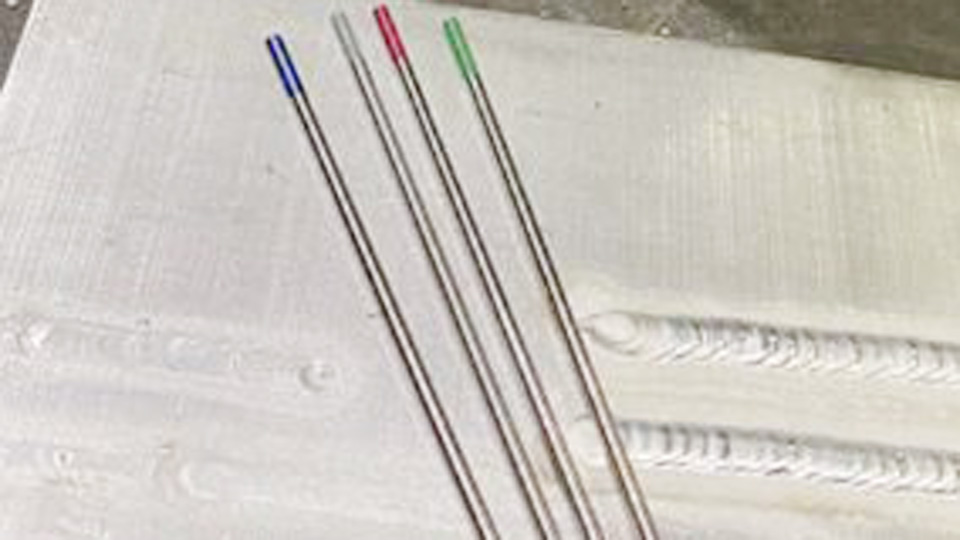
Image by bakersgas
Why Tungsten Matters in TIG Welding
TIG welding (Gas Tungsten Arc Welding) relies on a non-consumable tungsten electrode to create an arc that melts the base metal and filler rod. The tungsten’s composition affects arc stability, heat resistance, and weld quality. Picking the right type ensures clean, strong welds that meet standards like AWS D1.1 or ASME for structural or pressure vessel work.
I learned this early on when I used a thoriated tungsten on aluminum and got a wandering arc that ruined the weld. The right tungsten matches your material, current type (AC or DC), and project needs, saving you from rework and ensuring safety. For example, in food processing or medical equipment, a contaminated weld could be a health hazard.
Types of Tungsten Electrodes for TIG Welding
Tungsten electrodes come in pure and alloyed varieties, each with specific additives (oxides) to enhance performance. Here’s a breakdown of the main types I’ve used, based on real-world experience.
Pure Tungsten (Green, EWP)
Pure tungsten is 99.5% tungsten with no additives. It’s old-school and mostly used for AC welding on aluminum or magnesium due to its clean arc and good balling properties.
How It Works: Pure tungsten forms a balled tip when used with AC, creating a wide, stable arc for aluminum. It’s less durable than alloyed tungstens, so it’s not ideal for high-amperage or DC welding.
When to Use It: Best for AC welding thin aluminum or magnesium, like in aerospace or automotive repairs. I’ve used green tungsten to weld aluminum panels for a boat, and it gave me smooth, clean beads.
Practical Tips:
- Grind the Tip: Ball the tip by running a short AC arc (50-80 amps for 1/16” electrode) on a copper block. Don’t grind to a point—it’s meant to stay balled.
- Machine Settings: Use AC with 60-100 amps for 1/8” aluminum, pure argon at 15-20 CFH.
- Common Mistake: Don’t use pure tungsten for DC welding—it overheats and spits, contaminating the weld. I made this mistake once and had to grind out the mess.
Pros: Clean welds, great for aluminum, affordable.
Cons: Poor durability, not for DC or high amperage.
Thoriated Tungsten (Red, EWTh-2)
Thoriated tungsten contains 2% thorium oxide, making it excellent for DC welding on steel, stainless steel, or titanium. It’s durable and handles high amperage well.
How It Works: The thorium improves electron emission, creating a stable, focused arc for DCEN (direct current electrode negative) welding. It holds a sharp point for precise welds.
When to Use It: Ideal for DC welding mild steel, stainless, or titanium in structural or industrial work. I’ve used red tungsten to weld stainless exhaust pipes, and the arc was rock-steady.
Practical Tips:
- Grind the Tip: Taper to a point with a 20-30° angle using a dedicated grinder to avoid contamination. I use a diamond wheel for clean cuts.
- Machine Settings: Use DCEN, 80-120 amps for 1/8” steel, with pure argon at 15-20 CFH.
- Common Mistake: Don’t use on AC—it doesn’t ball well and can split. I tried this early on and got a messy arc.
Pros: Stable arc, long-lasting, great for DC.
Cons: Slightly radioactive (thorium), not for AC, requires careful handling.
Safety Note: Thorium is mildly radioactive, so grind in a ventilated area and wear a dust mask. I keep a separate grinder for thoriated tungsten to avoid cross-contamination.
Lanthanated Tungsten (Blue, EWLa-2)
Lanthanated tungsten, with 2% lanthanum oxide, is versatile for both AC and DC welding. It’s a great all-purpose choice for steel, stainless, aluminum, and more.
How It Works: Lanthanum improves arc starts and stability across AC and DC, with good heat resistance. It holds a point for DC and can ball for AC.
When to Use It: Perfect for mixed-material projects or when you don’t want to switch electrodes. I used blue lanthanated to weld both steel and aluminum parts for a custom bike frame, saving time.
Practical Tips:
- Grind the Tip: Point for DC (20-30°), ball for AC. Use a fine grit wheel for a smooth finish.
- Machine Settings: For 1/8” stainless (DCEN), use 80-110 amps; for aluminum (AC), 70-100 amps. Pure argon at 15-20 CFH works well.
- Common Mistake: Don’t overheat the electrode—it can degrade lanthanum. If the arc wanders, lower your amperage or check your tip.
Pros: Versatile, good arc starts, durable.
Cons: Slightly pricier than pure or thoriated.
Ceriated Tungsten (Grey, EWCe-2)
Ceriated tungsten has 2% cerium oxide, offering good performance for AC and DC welding, especially at low amperages. It’s a safer alternative to thoriated.
How It Works: Cerium enhances arc stability and starting, making it great for thin materials or low-current welds. It’s less durable at high amperages.
When to Use It: Best for thin steel, stainless, or aluminum in precision work, like medical equipment or small repairs. I used grey ceriated for TIG welding thin stainless tubing, and it handled low amps beautifully.
Practical Tips:
- Grind the Tip: Taper to a point for DC, slight ball for AC. Use a dedicated grinder to keep it clean.
- Machine Settings: For 1/16” stainless (DCEN), use 40-70 amps; for aluminum (AC), 50-80 amps. Argon at 10-15 CFH for thin materials.
- Common Mistake: Don’t use for high-amperage jobs—it wears out faster. I burned out a ceriated electrode on a thick steel plate once.
Pros: Safe (non-radioactive), great for low amps, versatile.
Cons: Less durable at high amperages.
Zirconiated Tungsten (Brown, EWZr-1)
Zirconiated tungsten, with 1% zirconium oxide, is designed for AC welding on aluminum or magnesium. It resists contamination and handles high currents well.
How It Works: Zirconium stabilizes the arc and prevents tungsten spitting, forming a clean balled tip for AC welding.
When to Use It: Ideal for high-amperage AC welding on thick aluminum, like in aerospace or marine applications. I used brown zirconiated to weld thick aluminum plates for a boat repair, and it held up great.
Practical Tips:
- Grind the Tip: Ball the tip with a short AC arc (80-100 amps for 3/32” electrode). Avoid pointing—it’s meant to stay balled.
- Machine Settings: For 1/4” aluminum (AC), use 120-150 amps with pure argon at 20 CFH.
- Common Mistake: Don’t use on DC—it overheats and degrades. I tried this once and got a contaminated weld.
Pros: Great for high-amperage AC, resists contamination.
Cons: Not for DC, less versatile than lanthanated.
Rare Earth Tungsten (Purple, E3)
Rare earth tungsten (like E3) uses a mix of oxides (lanthanum, cerium, zirconium) for enhanced performance across AC and DC. It’s a newer, high-performance option.
How It Works: The oxide mix improves arc stability, longevity, and low-amp performance, making it a versatile choice for modern welders.
When to Use It: Great for all-purpose welding on steel, stainless, or aluminum, especially in automated or high-precision setups. I used purple E3 for a mixed-material project, and it handled everything flawlessly.
Practical Tips:
- Grind the Tip: Point for DC, slight ball for AC. Use a fine diamond wheel for a clean taper.
- Machine Settings: For 1/8” steel (DCEN), use 80-120 amps; for aluminum (AC), 70-100 amps. Argon at 15-20 CFH.
- Common Mistake: Don’t reuse a contaminated tip—regrind or replace it. I once got inclusions from a dirty tip, ruining a weld.
Pros: Highly versatile, long-lasting, great arc starts.
Cons: Expensive, not always available.
Comparing Tungsten Types for TIG Welding
Here’s a table to help you choose the right tungsten, based on my experience.
| Tungsten Type | Color | Best For | Pros | Cons |
|---|---|---|---|---|
| Pure (EWP) | Green | AC, aluminum, magnesium | Clean welds, affordable | Poor durability, not for DC |
| Thoriated (EWTh-2) | Red | DC, steel, stainless, titanium | Stable arc, durable | Radioactive, not for AC |
| Lanthanated (EWLa-2) | Blue | AC/DC, steel, stainless, aluminum | Versatile, good arc starts | Slightly pricier |
| Ceriated (EWCe-2) | Grey | AC/DC, thin materials | Safe, great for low amps | Less durable at high amps |
| Zirconiated (EWZr-1) | Brown | AC, thick aluminum | High-amp capable, clean | Not for DC, less versatile |
| Rare Earth (E3) | Purple | AC/DC, all-purpose | Versatile, long-lasting | Expensive, less common |
When to Choose Each: Use pure or zirconiated for AC aluminum welding, thoriated for DC steel or stainless, lanthanated or rare earth for mixed projects, and ceriated for thin materials or low amps.
How to Prepare and Use Tungsten Electrodes: Step-by-Step Guide
Here’s a guide for prepping and using tungsten electrodes for TIG welding, focusing on lanthanated (blue) for versatility.
Step 1: Choose the Right Tungsten
Match the tungsten to your material and current. For a 1/8” steel plate (DCEN), I’d use 3/32” blue lanthanated tungsten. For aluminum (AC), the same size works but may need balling.
Step 2: Grind the Tungsten
Use a dedicated bench grinder with a diamond or fine grit wheel to avoid contamination. For DC, grind a 20-30° taper, about 2-3 times the electrode diameter in length. For AC, slightly round the tip or ball it with a short arc. I keep a separate wheel for each tungsten type to prevent cross-contamination.
Mistake to Avoid: Don’t use a grinder used for steel—it leaves particles that contaminate the weld. I ruined a stainless weld once this way.
Step 3: Set Up Your TIG Welder
For 1/8” steel (DCEN), set your welder to 80-110 amps, with a 3/32” lanthanated tungsten and pure argon at 15-20 CFH. For aluminum (AC), use 70-100 amps. Test on scrap to ensure a stable arc.
Pro Tip: Clean the tungsten tip with acetone if it’s been handled to remove oils that can cause arc issues.
Step 4: Weld the Joint
Clean the base metal with a stainless steel brush or acetone. Strike the arc by tapping or using high-frequency start, keeping a 1/16” arc length. Feed the filler rod (e.g., ER70S-6 for steel) steadily into the weld pool. Maintain a steady hand for clean beads.
Mistake to Avoid: Don’t dip the tungsten in the weld pool—it contaminates the electrode and base metal. I’ve done this and had to stop to regrind.
Step 5: Inspect and Maintain
Check the weld for smoothness, no porosity, or inclusions. If the tungsten tip is contaminated (discolored or pitted), regrind or replace it. Store tungstens in a labeled, sealed container to prevent damage.
Pro Tip: Mark your tungsten containers (e.g., “Blue 3/32”) to avoid mix-ups in the shop.
Practical Tips for Success
Here are some tips I’ve learned from years of TIG welding:
- Dedicated Grinder: Use a grinder only for tungsten to avoid contamination. I label mine “Tungsten Only” to keep it clean.
- Check Polarity: Use DCEN for steel/stainless, AC for aluminum. Wrong polarity ruins the tungsten and weld. I learned this after frying a thoriated electrode on AC.
- Store Properly: Keep tungstens in a dry, sealed case to prevent oxidation. Moisture ruined a batch of my ceriated tungstens once.
- Test Welds: Practice on scrap to dial in amperage and tip shape before starting your project.
- Safety First: Grind tungsten in a ventilated area with a dust mask, especially for thoriated electrodes, to avoid inhaling particles.
Safety Considerations
TIG welding is safe with proper precautions, but tungsten prep and welding have risks:
- Grinding Dust: Wear a dust mask and use a fume extractor when grinding, especially thoriated tungsten, due to mild radioactivity.
- Eye Protection: Use a welding helmet (shade 10-12) to prevent arc flash. I got a mild burn once from looking at the arc without proper shade.
- Fumes: Weld in a well-ventilated area or use a fume extractor, especially for stainless or galvanized steel. Fumes gave me a headache early on.
- Fire Safety: Keep a fire extinguisher nearby. Sparks can ignite rags or debris—I had a close call once.
- Gloves: Wear flame-resistant gloves to avoid burns from hot metal or tungsten.
Real-World Applications in the USA
TIG welding with the right tungsten is used across industries and DIY projects:
- Automotive: Welding aluminum or stainless exhausts. I used lanthanated tungsten for a custom stainless exhaust, and it gave me clean, precise beads.
- Aerospace: Joining aluminum or titanium parts, requiring pure or zirconiated tungsten for AC welding to meet strict standards.
- Food Processing: Welding stainless steel pipes with ceriated or lanthanated tungsten for hygienic, corrosion-resistant joints.
- DIY: Fixing aluminum lawnmower frames or building custom steel furniture. I welded a steel table with thoriated tungsten for durability.
- Industrial: Repairing pipelines or machinery, often using lanthanated or rare earth tungsten for versatility.
For students, mastering tungsten selection is key for AWS or ASME certifications, opening doors to high-demand welding careers.
Conclusion
Knowing what are the different types of tungsten for TIG welding empowers you to tackle any project with confidence. From pure tungsten for aluminum to lanthanated for all-purpose welding, each type has unique strengths for specific materials and currents.
You now understand how to choose, prep, and use tungstens, along with settings and tips to avoid mistakes like contamination or wrong polarity. Whether you’re a DIYer fixing a bike frame, a hobbyist crafting a sculpture, or a pro welding critical components, you’re ready to select the right tungsten and create clean, strong welds.
FAQ
What tungsten is best for aluminum TIG welding?
Pure (green) or zirconiated (brown) tungsten is best for AC welding aluminum. Use 70-100 amps for 1/8” aluminum with a balled tip and pure argon at 15-20 CFH.
Can I use thoriated tungsten for all TIG welding?
No, thoriated (red) tungsten is best for DC welding steel or stainless, not AC for aluminum. It’s also mildly radioactive, so handle with care and use alternatives like lanthanated for versatility.
How do I grind tungsten electrodes correctly?
Use a dedicated diamond or fine grit wheel to grind a 20-30° taper for DC or a slight ball for AC. Grind lengthwise, and keep the wheel clean to avoid contamination.
What’s the most versatile tungsten for TIG welding?
Lanthanated (blue) or rare earth (purple) tungsten works well for both AC and DC on steel, stainless, or aluminum, making them great all-purpose choices.
Is thoriated tungsten safe to use?
Thoriated tungsten is mildly radioactive, so grind it in a ventilated area with a dust mask and use a dedicated grinder. Consider safer alternatives like lanthanated or ceriated for most jobs.