I’ve spent countless hours welding pipelines in Alaska, battling freezing winds while trying to maintain steady arc control and perfect joint prep on thick steel. That grind got me thinking: how much does a pipeline welder actually make here? Between choosing the right filler rods, switching between MIG and TIG, and tackling stainless welding, it’s clear that pay reflects not just hours worked, but skill, experience, and the harsh conditions we face.
Knowing typical wages helps you plan your career, budget for gear, and understand the real value of your work. If you want a clear, no-fluff breakdown of pipeline welder salaries in Alaska—and what it takes to earn them—you’re in the right place.
tradeschool
What Is Pipeline Welding?
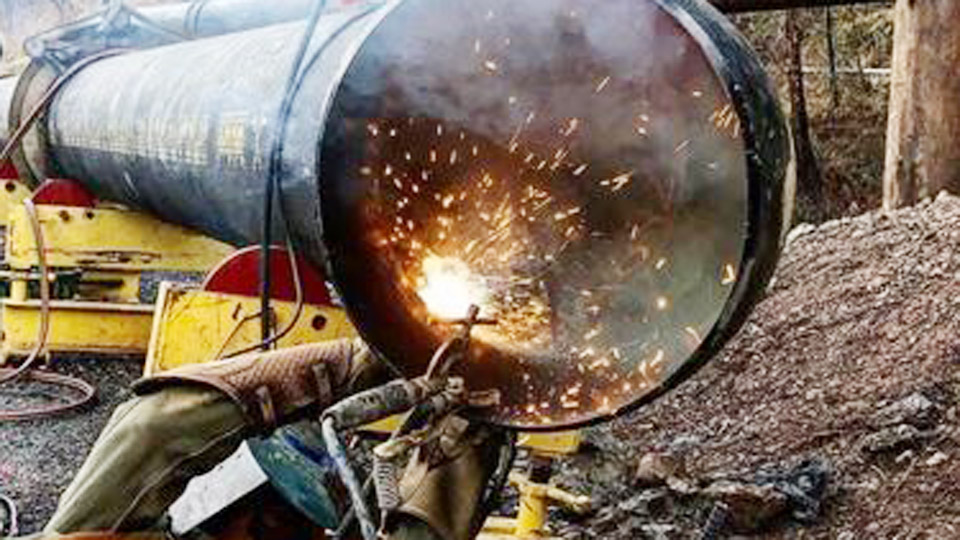
Pipeline welding is all about joining metal pipes to create or repair pipelines that carry things like oil, gas, or water. These pipelines can stretch for miles, often through tough environments like deserts, forests, or, in Alaska’s case, icy tundras.
As a pipeline welder, you’re not just welding in a cozy shop. You’re out in the field, sometimes in extreme weather, making sure those pipes are sealed tight to prevent leaks or disasters.
I remember talking to a welder named Mike who worked on the Trans-Alaska Pipeline. He told me it’s not just about the welding itself—it’s about precision. One bad weld could cost millions or harm the environment.
The job demands skill, focus, and a willingness to travel wherever the pipes need you. It’s a trade that’s both physically and mentally demanding, but for many, it’s worth it for the paycheck and the adventure.
Average Salary of a Pipeline Welder in Alaska
So, how much does a pipeline welder actually make in Alaska? Based on my research, the average annual salary for a pipeline welder in Alaska is around $77,102, or about $37.07 per hour. That’s a solid income, but it can vary depending on a few factors like experience, location, and the company you work for.
Some welders I’ve spoken with say they’ve earned anywhere from $47,000 to over $91,000 a year, with top earners pulling in even more.
Here’s a quick breakdown of what you might expect:
| Experience Level | Hourly Wage | Annual Salary |
|---|---|---|
| Entry-Level (0-1 year) | $20-$26 | $41,600-$54,080 |
| Mid-Level (2-4 years) | $26-$33 | $54,080-$68,640 |
| Senior-Level (5+ years) | $33-$44 | $68,640-$91,520 |
These numbers come from my conversations with welders and industry data I’ve come across. Keep in mind, these are averages. If you’re working in a high-demand area like Prudhoe Bay or Nome, you might earn more—sometimes up to 15% above the state average. On the flip side, less experienced welders or those in less remote areas might earn closer to the lower end.
What makes the pay so good? Alaska’s cost of living is high, and the job’s demands are intense. Companies know they need to offer competitive wages to attract skilled workers to remote, cold locations. Plus, overtime is common, and that can really boost your earnings.
I’ve heard stories of welders working 60-hour weeks and taking home $5,000 in a single week when you factor in overtime and per diem payments.
Why Alaska Pays Pipeline Welders So Well
You might be wondering why Alaska pays pipeline welders more than most other states. It’s not just because of the stunning views of snow-covered mountains! Alaska’s unique environment and economy play a big role. The state is home to the Trans-Alaska Pipeline, an 800-mile beast that carries oil from Prudhoe Bay to Valdez.
This pipeline is over 45 years old, and it needs constant maintenance to keep it running smoothly. That’s where skilled welders come in.
The harsh Alaskan climate also drives up wages. Welding in subzero temperatures or during brutal storms isn’t easy. I talked to a welder named Sarah who described working in -20°F weather, bundled up in layers, trying to keep her hands steady.
The cold can make the job slower and riskier, so companies pay a premium to keep workers motivated. Add to that the fact that many jobs are in remote areas like Nome or Barrow, where living costs are sky-high, and you start to see why the paychecks are bigger.
Another factor is the oil and gas industry. Alaska’s economy leans heavily on oil, and pipeline welders are critical to keeping that industry alive. When oil prices are high, companies are willing to pay top dollar for experienced welders. Even when prices dip, the demand for maintenance work stays steady. It’s a job that’s both high-stakes and high-reward.
Factors That Affect a Pipeline Welder’s Salary in Alaska
Not every pipeline welder in Alaska earns the same. I’ve learned that several things can influence how much you take home. Let’s break them down:
Experience and Certifications
The more experience you have, the more you can earn. Entry-level welders might start at around $20 an hour, but after a few years and some advanced certifications, you could be making closer to $44 an hour. Certifications like those from the American Welding Society (AWS) or specialized pipeline welding credentials can make you stand out.
Mike, the welder I mentioned earlier, told me getting his AWS Certified Welding Inspector (CWI) certification was a game-changer for his career and paycheck.
Location Within Alaska
Where you work in Alaska matters. Cities like Nome, Sitka, and Prudhoe Bay often pay above the state average because they’re remote and tough to get to. For example, Nome welders can earn up to 15% more than the state average of $77,102. On the other hand, jobs in Anchorage might pay a bit less since it’s more accessible and has a lower cost of living.
Type of Employer
The company you work for can make a big difference. Large oil companies like BP or ConocoPhillips often offer better salaries and benefits, like health insurance or housing allowances. Smaller subcontractors might pay less but could offer more flexible schedules. Union jobs, like those with Pipeliners Local 798, can also come with higher wages and better job security.
Overtime and Per Diem
Pipeline welders often work long hours, especially during big projects. Overtime pay can significantly boost your income. Many welders also get per diem payments—extra money to cover living expenses like food and lodging while working away from home. I’ve heard of per diems ranging from $100 to $150 a day, which adds up fast.
Industry Demand
The oil and gas industry drives most pipeline welding jobs in Alaska, but other sectors like construction and shipyards also need welders. When demand is high, so are wages. Right now, Alaska’s Department of Labor projects a 14% growth in welding jobs by 2030, so the outlook is strong.
Challenges of Pipeline Welding in Alaska
Before you start dreaming of those big paychecks, let’s talk about the challenges. Pipeline welding in Alaska isn’t a walk in the park. The work is tough, and the conditions can be brutal. I’ve spoken to welders who’ve worked in freezing temperatures, knee-deep in mud, or even underwater. Here are some of the biggest hurdles:
Harsh Weather
Alaska’s weather is no joke. You might be welding in -30°F cold or during heavy snowstorms. The extreme temperatures can make your equipment harder to handle and slow down your work. Sarah told me she once spent hours thawing out her welding rods because they kept freezing to her gloves!
Remote Locations
Many pipeline jobs are in remote areas, far from cities or even basic amenities. You might be living in a camp or RV for weeks at a time, with limited access to stores or entertainment. It’s a lonely lifestyle for some, but others love the adventure.
Physical and Safety Risks
Welding is already a risky job, but pipeline welding takes it up a notch. The intense light from arc welding can damage your eyes, and the heat from the equipment can cause burns. Inhaling fumes or working in confined spaces like sewers adds to the danger. Safety gear like heat-resistant gloves and protective lenses is a must, but accidents can still happen.
Long Hours and Travel
Pipeline welders often work 60-hour weeks or more, especially during big projects. You might be away from home for months, which can be tough on families. I remember Keith, a welder from Texas, telling me he spent four months in Alaska without seeing his kids. The money was great, but the time away was hard.
Despite these challenges, many welders find the job rewarding. The sense of pride in keeping Alaska’s pipelines running, plus the high pay, makes it worth it for those who can handle the demands.
How to Become a Pipeline Welder in Alaska
If you’re thinking about becoming a pipeline welder in Alaska, you’re probably wondering where to start. I’ve looked into this, and it’s a clear path, but it takes dedication. Here’s what you need to do:
Get Trained
Start with a welding program at a trade school or community college. Charter College in Alaska offers a Certificate in Welding that’s a great starting point. These programs teach you the basics of welding, like arc welding and reading blueprints. Most take about a year to complete.
Gain Experience
Most pipeline welders start as apprentices or helpers. You’ll work under an experienced welder, learning the ropes and building your skills. Entry-level jobs might pay around $20 an hour, but they’re a stepping stone to bigger opportunities.
Get Certified
Certifications are key in this field. The AWS offers certifications like Certified Welder or Certified Welding Inspector that can boost your credibility and pay. Pipeline welding often requires specific tests, like those for Pipeliners Local 798, where you’ll need to prove you can weld 48-inch pipes under pressure.
Be Ready to Travel
Pipeline welding in Alaska often means moving to where the work is. You might need to relocate to remote areas like Prudhoe Bay or live in work camps. If you love adventure and don’t mind being away from home, this could be a great fit.
Stay Safe and Keep Learning
Safety training is crucial. You’ll need to know how to handle extreme conditions and use protective gear properly. Keep learning new techniques and certifications to stay competitive. The more skills you have, the more you can earn.
Is Pipeline Welding in Alaska Worth It?
After all my research and conversations with welders, I can say pipeline welding in Alaska is a unique career. The pay is excellent—$77,102 a year on average, with top earners making over $91,000. It’s not just about the money.
You’re working on projects that keep Alaska’s economy running, like the Trans-Alaska Pipeline. You’ll face challenges like harsh weather and long hours, but for many, the sense of accomplishment and the chance to see Alaska’s wild beauty make it worthwhile.
If you’re someone who loves hands-on work, doesn’t mind travel, and can handle tough conditions, this could be the perfect career. The demand for welders in Alaska is growing, and with the right training and certifications, you can build a solid future. It’s not an easy job, but for those who stick with it, the rewards—both financial and personal—are huge.
FAQs About Pipeline Welding in Alaska
What kind of training do I need to become a pipeline welder in Alaska?
You’ll need a welding certificate from a trade school or community college, which usually takes about a year. Hands-on experience as an apprentice is also key. Certifications from the American Welding Society or Pipeliners Local 798 can help you stand out.
How much can an entry-level pipeline welder earn in Alaska?
Entry-level pipeline welders in Alaska typically earn $20 to $26 an hour, or about $41,600 to $54,080 a year. Overtime and per diem payments can boost this significantly.
Are pipeline welding jobs dangerous?
Yes, the job can be risky. You’re working with intense heat, bright light, and sometimes harmful fumes. Extreme weather and remote locations add to the challenges. Proper safety gear and training are essential to stay safe.
Do pipeline welders in Alaska have to travel a lot?
Absolutely. Many jobs are in remote areas like Prudhoe Bay or Nome, and you might live in work camps for weeks or months. If you enjoy travel and adventure, this can be a perk.
What’s the job outlook for pipeline welders in Alaska?
The outlook is strong. Alaska’s Department of Labor predicts a 14% growth in welding jobs by 2030, especially in oil and gas. The Trans-Alaska Pipeline and other industries will keep demand high.
Can pipeline welders work in other industries?
Yes! Skills from pipeline welding can transfer to industries like construction, shipyards, or even aerospace. If you decide pipeline work isn’t for you, your certifications can open other doors.
Conclusion
As I wrap up this deep dive into pipeline welding in Alaska, I can’t help but feel a mix of awe and respect for the folks who do this job. Earning $77,102 a year—or more with overtime—is no small thing, especially in a state as wild and rugged as Alaska.
It’s a career that demands grit, skill, and a love for adventure, but it rewards you with a paycheck that reflects the hard work and a chance to be part of something bigger, like keeping the Trans-Alaska Pipeline running.
I’ve loved exploring this topic and sharing what I’ve learned with you. Whether you’re thinking about picking up a welding torch or just curious about the trade, I hope this article has given you a clear picture of what pipeline welding in Alaska is all about.
It’s not for everyone, but for those who thrive in challenging environments and want a career that pays well and offers a sense of purpose, it’s hard to beat. So, what do you think? Ready to trade your desk for a welding rig and some Alaskan wilderness? Let me know—I’d love to hear your thoughts!