I’ve been running inverter welders for years, switching between MIG and TIG, handling stainless steel and thick plates, and constantly adjusting arc control and joint prep. Early on, I kept asking myself: how long will this machine actually last under real shop conditions? Choosing the right filler rods and maintaining your welder isn’t just about keeping the sparks flying—it affects weld quality, safety, and long-term cost-efficiency.
A reliable inverter welder can make the difference between a clean, strong weld and a frustrating day of stoppages and repairs. In this guide, I’ll share what I’ve learned about maximizing lifespan and keeping your inverter running like new.

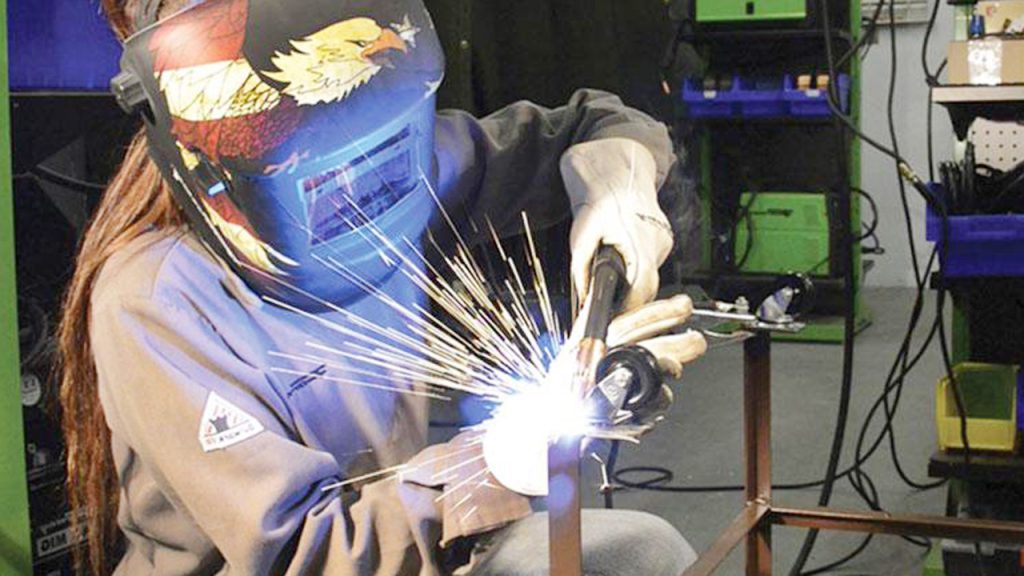
Image by cigweld
What Is an Inverter Welder?
Before we dive into longevity, let’s first understand what makes an inverter welder unique. Unlike traditional transformer-based welders, inverter welders use advanced electronic components to convert AC power into a more efficient, controllable DC output. This technology makes inverter welders lighter, more compact, and highly efficient compared to their older counterparts. But because of their electronic nature, many people wonder if they’re as durable.
Average Lifespan of an Inverter Welder
From my experience and conversations with other welders, the lifespan of an inverter welder can vary widely depending on how it’s used and maintained. On average, a well-maintained inverter welder can last anywhere from 7 to 15 years. Some high-quality models may even last longer, especially if used intermittently and stored properly.
However, cheaper models or those used in harsh environments without proper care may only last a few years. The longevity largely depends on factors like build quality, usage patterns, and maintenance.
Factors That Affect the Lifespan of an Inverter Welder
Several key factors influence how long your inverter welder will last. Let’s take a closer look at each one.
Build Quality and Brand Reputation
Not all welders are created equal. Reputable brands like Miller, Lincoln Electric, and ESAB are known for producing durable and reliable inverter welders. These machines often come with better components and advanced features that enhance their lifespan. Cheaper, off-brand models might save you money upfront, but they often compromise on quality, leading to a shorter lifespan.
Usage Frequency
The more frequently you use your welder, the faster its components will wear out. If you’re a professional welder using your machine daily, it will naturally have a shorter lifespan compared to a hobbyist who uses it occasionally.
Operating Conditions
Harsh environments can take a toll on your inverter welder. Dust, moisture, and extreme temperatures can damage the internal components. For example, welding outdoors in humid or rainy conditions can cause the electronics to corrode over time.
Duty Cycle
The duty cycle refers to how long the welder can operate continuously before needing a break to cool down. Exceeding the duty cycle can overheat the machine and damage its components, significantly reducing its lifespan.
Maintenance and Care
Regular maintenance is crucial for extending the life of your inverter welder. Simple practices like cleaning the vents, checking the connections, and storing the machine in a dry, cool place can make a big difference.
Comparing Inverter Welders to Transformer Welders
To truly understand the lifespan of an inverter welder, it helps to compare it with traditional transformer welders.
| Feature | Inverter Welder | Transformer Welder |
|---|---|---|
| Lifespan | 7–15 years (average) | 20+ years (average) |
| Portability | Lightweight and compact | Heavy and bulky |
| Efficiency | High | Moderate |
| Maintenance Needs | Higher (due to electronics) | Lower |
| Cost | Higher upfront cost | Lower upfront cost |
While transformer welders are known for their durability, they are heavy and less efficient. Inverter welders, on the other hand, are easier to transport and offer superior performance, but their lifespan may be slightly shorter due to their reliance on sensitive electronics.
How to Extend the Life of Your Inverter Welder
Having used several inverter welders over the years, I’ve learned a few tricks to keep them running smoothly for as long as possible.
Regular Cleaning
Dust and debris can accumulate inside the machine and block ventilation, causing overheating. Make it a habit to clean the vents and internal components periodically.
Store in a Safe Environment
Always store your welder in a dry, cool, and well-ventilated area. Avoid areas with excessive moisture, as this can corrode the electronic components.
Use a Stable Power Source
Fluctuations in power supply can damage the sensitive electronics inside an inverter welder. Using a surge protector or stabilizer can help protect your machine.
Follow the Duty Cycle
Pay attention to the duty cycle specified by the manufacturer and avoid exceeding it. This prevents overheating and prolongs the life of your welder.
Inspect Cables and Connections
Check the power cords, ground clamps, and connections regularly for wear and tear. Damaged cables can lead to poor performance and additional stress on the machine.
Invest in Quality Accessories
Using high-quality consumables like electrodes and wires can improve the performance of your inverter welder and reduce unnecessary strain.
Signs Your Inverter Welder May Be Failing
It’s important to recognize the warning signs of a failing inverter welder so you can address the issue before it becomes irreparable.
- Overheating Frequently: If the machine overheats despite following the duty cycle, it may indicate internal damage.
- Erratic Arc Performance: Inconsistent arcs or difficulty starting the arc can signal problems with the electronics.
- Unusual Noises: Buzzing, clicking, or other unusual sounds can indicate issues with internal components.
- Error Codes: Many modern inverter welders display error codes when something is wrong. Refer to the user manual to diagnose the problem.
When to Repair or Replace Your Inverter Welder
If your welder starts showing signs of wear, you might wonder whether to repair or replace it. Here are some things to consider:
- Repair: Minor issues like replacing a circuit board or fixing a damaged cable are usually worth repairing.
- Replace: If the repair cost exceeds half the price of a new machine or if the welder is nearing the end of its expected lifespan, it might be time to invest in a new one.
Common Myths About Inverter Welders
Inverter Welders Are Fragile
While it’s true that inverter welders rely on electronics, they’re not inherently fragile. With proper care, they can last many years.
Inverter Welders Are Only for Professionals
Inverter welders are versatile and user-friendly, making them suitable for beginners as well.
They Can’t Handle Heavy-Duty Work
Many high-end inverter welders are designed for industrial applications and can handle demanding workloads.
Frequently Asked Questions
How long can an inverter welder run continuously?
It depends on the duty cycle. For example, a 60% duty cycle at 150 amps means the welder can run for 6 minutes out of a 10-minute period before needing to cool down.
Are inverter welders worth the investment?
Yes, especially if you value portability, efficiency, and advanced features.
Do inverter welders require special maintenance?
They don’t require special maintenance but do benefit from regular cleaning, proper storage, and attention to duty cycle limits.
Can inverter welders handle outdoor conditions?
They can, but they need to be protected from moisture, dust, and extreme temperatures.
Are inverter welders expensive to repair?
Repairs can be costly, especially for complex electronic components, so proper care is essential.
Conclusion
Inverter welders are a fantastic tool for both professionals and hobbyists, offering unmatched efficiency and portability. While their lifespan may not rival that of traditional transformer welders, proper care and maintenance can ensure they last for many years.
Whether you’re investing in your first inverter welder or looking to extend the life of your current one, understanding how to care for it and recognizing its limitations will help you get the most out of your machine. With the right approach, an inverter welder can become a reliable companion for all your welding projects.