When I first got into welding, one of the biggest decisions I had to make was choosing between an inverter welder and a transformer welder. It felt like stepping into a debate where both sides had compelling arguments. If you’re in the same boat, let me break it down for you.
Each type of welder has its strengths and weaknesses, and what works best for you depends on your needs, preferences, and the kind of welding projects you plan to tackle. I’ll walk you through the key differences between inverter and transformer welders so you can make an informed choice.

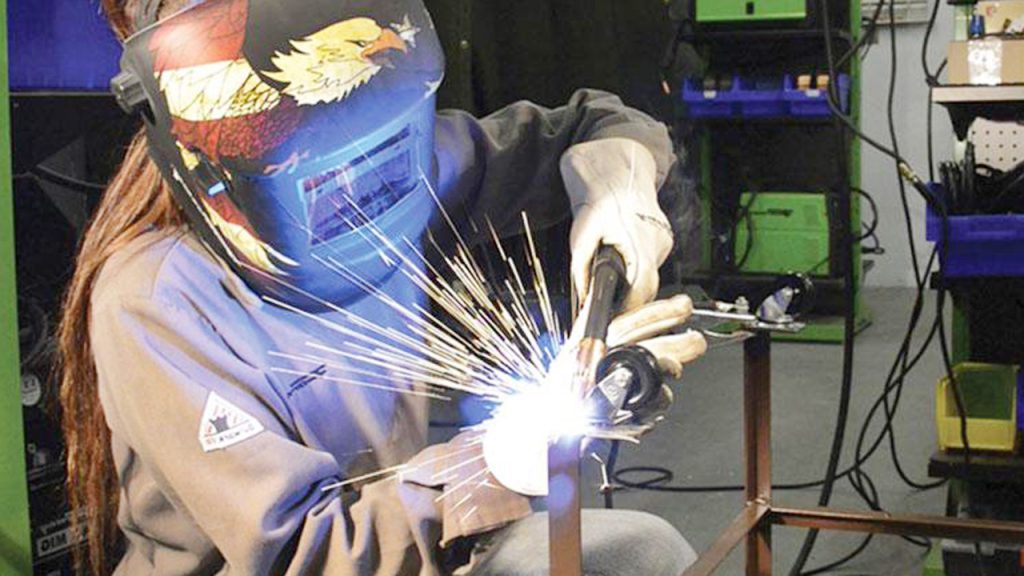
Image by thefabricator
What Is an Inverter Welder?
An inverter welder is a modern, compact welding machine that uses advanced electronics to control the welding current. Unlike traditional welders, which rely on bulky transformers, inverter welders use high-frequency technology to convert power. The result? A lightweight, portable, and energy-efficient machine that’s suitable for various welding applications.
What Is a Transformer Welder?
Transformer welders are the classic workhorses of the welding world. They use a large transformer to step down the voltage and increase the current to create a stable welding arc. While these machines are heavier and bulkier than their inverter counterparts, they are known for their durability and ability to handle heavy-duty welding tasks.
Differences Between Inverter and Transformer Welders
To understand which one might suit you better, let’s look at the main differences between inverter and transformer welders:
| Feature | Inverter Welder | Transformer Welder |
|---|---|---|
| Size and Portability | Compact and lightweight | Large and heavy |
| Efficiency | Highly energy-efficient | Less energy-efficient |
| Cost | Higher initial cost | Lower initial cost |
| Technology | Advanced electronic circuits | Simple and robust transformer |
| Arc Stability | Consistent and adjustable | Stable but less precise |
| Maintenance | Requires more care and expertise | Low maintenance, simple repairs |
| Power Consumption | Lower due to efficiency | Higher power usage |
Advantages of Inverter Welders
Inverter welders have gained a lot of popularity, and it’s easy to see why. Here are some of the reasons people prefer them:
Portability
One of the biggest selling points of inverter welders is their portability. These machines are compact and lightweight, making them easy to transport. If you’re working in a shop or out in the field, carrying an inverter welder is a breeze.
Energy Efficiency
Inverter welders consume significantly less power than transformer welders. This can lead to noticeable savings on your energy bills, especially if you’re welding regularly.
Precise Controls
Modern inverter welders come with adjustable settings that allow you to fine-tune the arc. This level of control is particularly useful for delicate or specialized welding tasks.
Multi-Process Capability
Many inverter welders are versatile and can handle multiple welding processes like TIG, MIG, and stick welding. This makes them a great choice for hobbyists and professionals who work on different projects.
Advantages of Transformer Welders
While inverter welders have their perks, transformer welders still hold their ground in certain areas:
Durability
Transformer welders are built like tanks. They can withstand tough working conditions and are less prone to damage from power fluctuations.
Lower Initial Cost
If you’re on a tight budget, a transformer welder might be a better choice. They typically cost less upfront compared to inverter welders.
Simpler Maintenance
With fewer electronic components, transformer welders are easier and cheaper to repair. This makes them a reliable option for long-term use.
Heavy-Duty Performance
When it comes to welding thick materials or working on heavy-duty projects, transformer welders excel. They deliver consistent performance for industrial applications.
Inverter vs Transformer Welders: Which One Should You Choose?
The right welder for you depends on your specific needs. Here are a few scenarios to help you decide:
If You Value Portability and Energy Savings
Go with an inverter welder. It’s ideal for mobile work, DIY projects, and tasks that require precision.
If You Need a Workhorse for Heavy-Duty Jobs
Choose a transformer welder. It’s better suited for industrial applications and jobs that require welding thick materials.
If You’re on a Budget
A transformer welder is the way to go. The lower upfront cost can make it a more affordable option for beginners.
If You Want Versatility
Inverter welders offer more flexibility, especially if you plan to use different welding techniques.
Common Applications for Inverter and Transformer Welders
To help you understand where each type of welder shines, here’s a quick rundown of their common applications:
| Welder Type | Applications |
|---|---|
| Inverter Welder | Auto repairs, home projects, precision welding |
| Transformer Welder | Industrial fabrication, shipbuilding, heavy-duty repairs |
How Long Do They Last?
When properly maintained, both inverter and transformer welders can last for years. However, their longevity depends on factors like usage, maintenance, and working conditions.
- Inverter Welders: Typically last 5–10 years with regular use. Proper care is crucial since the electronic components are sensitive.
- Transformer Welders: Can last over 20 years due to their simple and robust design.
Maintenance Tips
Regardless of the type of welder you choose, proper maintenance is essential to keep it running smoothly:
For Inverter Welders:
- Keep the machine clean and dust-free.
- Avoid exposing it to moisture.
- Regularly check for software updates if applicable.
For Transformer Welders:
- Inspect cables and connections regularly.
- Keep the unit free from dirt and debris.
- Store in a dry, safe place to prevent rust.
My Personal Experience
When I first started welding, I opted for a transformer welder because it was affordable and reliable. It served me well for years, especially when I worked on heavy-duty projects. As I got into more intricate tasks, I switched to an inverter welder. The portability and precise controls were a game-changer for me, especially when working on-site or tackling smaller, detailed jobs.
FAQs
Which is better for beginners: inverter or transformer welder?
For beginners, an inverter welder is often the better choice due to its ease of use, portability, and versatility.
Can I use an inverter welder for industrial applications?
Yes, many high-end inverter welders are designed for industrial use. However, transformer welders are generally more durable for heavy-duty work.
Do transformer welders consume more electricity?
Yes, transformer welders are less energy-efficient compared to inverter welders.
Are inverter welders more expensive to repair?
Yes, repairs for inverter welders can be costly because of their complex electronic components.
Which welder lasts longer: inverter or transformer?
Transformer welders typically have a longer lifespan due to their robust design.
Conclusion
Choosing between an inverter welder and a transformer welder ultimately comes down to your specific needs and preferences.
If you’re looking for portability, energy efficiency, and advanced features, an inverter welder is a fantastic choice. On the other hand, if you need a reliable workhorse for heavy-duty tasks and want something that can last for decades, a transformer welder is hard to beat.
Both types of welders have their place, and understanding their strengths and limitations can help you make the best decision for your projects. If you’re a beginner or an experienced welder, investing in the right equipment will set you up for success.