
Stainless steel stove tops show everything. I’ve wiped one down thinking it was clean, only to step back and see streaks, dull spots, or fine scratches catching the light. It doesn’t take much—one wrong pad or gritty cloth can permanently mark the surface.
That’s why so many people ask how to clean stainless steel stove top without scratching and still make it look new.
Through trial and error, I’ve learned that stainless needs a gentle approach and the right direction of cleaning. Harsh cleaners and rough scrubbers might remove grease fast, but they also damage the finish and make future cleaning harder. Done correctly, you can remove burnt-on food, fingerprints, and discoloration without harming the surface.
If you want a clean, shiny stove top without swirl marks or scratches, the method matters more than elbow grease. Let me walk you through the safe, proven way to clean it properly—step by step.
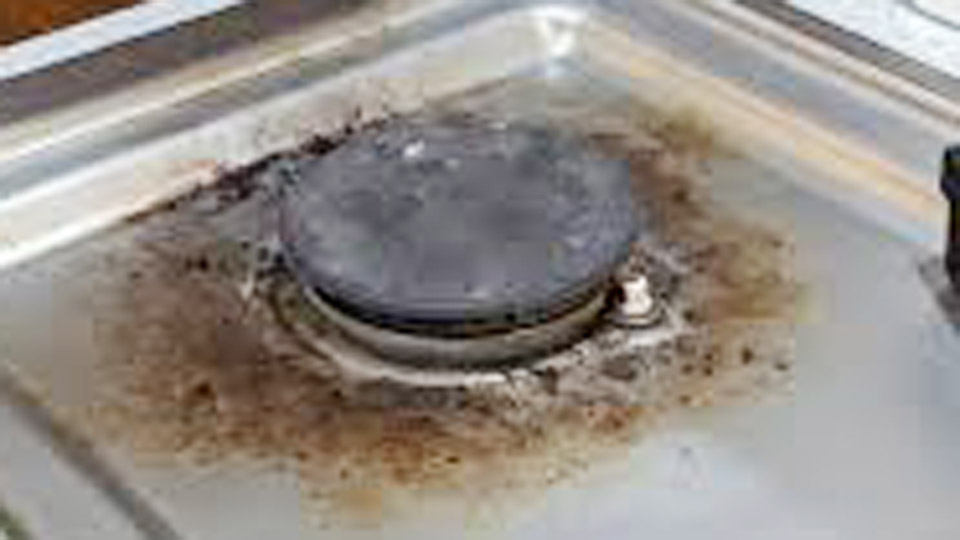
Photo by reddit
Why Stainless Steel Demands Special Care in Welding and Cleaning
Stainless steel is that tough, corrosion-resistant alloy we love for everything from stove tops to exhaust systems. It’s made up mostly of iron, chromium (at least 10.5%), and nickel in many grades, forming a passive oxide layer that protects against rust. But here’s the catch: that layer is thin and easily disrupted by scratches or improper cleaning, leading to pitting or staining over time.
In welding, this material works by melting the base metal and filler to create a strong bond, but heat can cause discoloration or “heat tint” around the weld zone. Cleaning removes that without breaching the surface.
Use it when fabricating or repairing items exposed to moisture or food, like stove tops, to maintain hygiene and aesthetics. Scratches trap contaminants, weakening corrosion resistance and potentially causing weld failures in high-stress applications.
On the shop floor, I always start with a quick grain check—stainless has a directional “brush” pattern. Clean along it to avoid micro-scratches.
Tip: If you’re prepping for welding, a clean surface ensures better arc stability and reduces spatter. I’ve seen beginners skip this and end up with porous welds that need grinding out, wasting rods and time.
Preparing Stainless Steel Surfaces Before Welding
Pre-weld prep is where many jobs go right or wrong. It’s about removing oils, dirt, or oxides to ensure clean fusion. For stove tops, which often use 304 or 316 grades, degrease with a solvent like acetone first—it’s non-abrasive and evaporates fast.
How it works: Solvents dissolve contaminants without etching the metal. Apply with a lint-free cloth, wiping in the grain direction. Use this step always before welding to prevent inclusions that cause cracks or poor penetration. Why? Contaminants burn off unevenly, leading to distortion or excessive rod consumption.
Practical tip: In my shop, we use dedicated cloths for stainless to avoid cross-contamination from carbon steel particles—they can embed and rust.
Common mistake? Using the same rag for everything, which I’ve seen lead to “rust blooms” on finished pieces. Fix it by isolating your stainless tools. For joint prep, bevel edges at 30-45 degrees for better filler access, and clamp securely to minimize warping.
Choosing the Right Welding Process for Stainless Steel Projects
For stainless steel stove tops, SMAW (stick welding) shines in repair work or field jobs where portability matters. It’s a manual process using flux-coated electrodes that shield the weld from air, producing slag for protection.
How it works: The electrode melts into the joint, with flux creating gas and slag to prevent oxidation. Use SMAW when TIG isn’t feasible—it’s faster for thicker sections but requires skill to control heat input and avoid warping thin sheets like stove tops.
Why choose it? Cost-effective with no gas needed, ideal for shop or onsite repairs. But watch for higher heat causing distortion.
Tip: For US machines like a Lincoln Idealarc, set polarity to DCEP for deeper penetration.
Anecdote: On a restaurant stove repair, SMAW let me fix a cracked seam quickly, but I dialed heat low to prevent buckling the top.
Selecting Welding Rods for Stainless Steel
Welding rods, or electrodes, are your filler metal in SMAW. For stainless, go with austenitic types like E308L or E316L—low carbon to minimize carbide precipitation and cracking.
What they are: Coated sticks classified by AWS, like E308-16 (all-position, AC/DC). Diameter matters: 3/32″ for thin stove tops (under 1/8″), 1/8″ for thicker joints.
How they work: The coating fluxes, stabilizes the arc, and adds alloys. Use E308L for 304 stainless—matches composition for corrosion resistance. Why? Mismatched fillers cause galvanic corrosion or weak bonds.
Shop tip: Store rods dry to avoid moisture pickup, which leads to porosity.
Common error: Using mild steel rods on stainless—results in brittle welds. Fix by grinding out and rewelding with proper filler. I’ve learned this the hard way on an early job, costing me a full redo.
Here’s a comparison table for common stainless rods:
| Rod Type | Diameter | Typical Use | Pros | Cons |
|---|---|---|---|---|
| E308L-16 | 3/32″ | Thin sheets, stove tops | Low spatter, good fusion | Higher cost |
| E308L-16 | 1/8″ | Structural joints | Versatile positions | More heat input |
| E316L-16 | 3/32″ | Marine-grade stainless | Better pitting resistance | Slower burn rate |
| E316L-16 | 1/8″ | Heavy fabrication | Strong in moist environments | Prone to slag inclusions if not cleaned |
Optimal Amperage Settings for SMAW on Stainless Steel
Amperage controls heat and penetration—too low, and you get poor fusion; too high, burn-through or distortion.
What it is: Current flow measured in amps, set on your welder. For stainless, run 20-30% lower than carbon steel due to lower thermal conductivity.
How it works: Higher amps melt rod faster for thicker metal. For 3/32″ E308L, start at 60-90 amps; 1/8″ at 90-120 amps. Adjust based on position—lower for vertical to control puddle.
When to use: Low amps for thin stove tops to avoid warping. Why? Stainless retains heat, so excess causes buckling.
Tip: On Miller Thunderbolt machines, use the dial for fine tweaks—test on scrap first.
Personal lesson: I once cranked amps too high on a stove edge, causing warp that needed hammering straight. Now, I always bracket: start mid-range, adjust by 10 amps.
Amperage chart for stainless SMAW:
| Electrode Diameter | Rod Type | Amperage Range (DCEP) | Material Thickness | Notes |
|---|---|---|---|---|
| 3/32″ | E308L | 60-90 amps | 1/16″ – 1/8″ | Low heat for thin tops |
| 1/8″ | E308L | 90-120 amps | 1/8″ – 1/4″ | Good for seams |
| 5/32″ | E316L | 120-160 amps | 1/4″ + | Heavy repairs |
| 3/16″ | E308L | 150-200 amps | Thick sections | Rare for stove tops |
Safety Considerations When Welding and Cleaning Stainless
Safety isn’t optional—it’s your lifeline. In SMAW, fumes from chromium can be hazardous, so ventilate well or use respirators.
What they are: Risks like arc flash, burns, or hexavalent chrome exposure in stainless fumes. How to handle: Wear ANSI-approved helmets, gloves, and leather aprons. For cleaning, avoid harsh chemicals that release vapors.
Use always: In enclosed shops, extractors pull fumes away. Why? Long-term health impacts like lung issues. Tip: For stove top jobs, ground properly to prevent shocks. Mistake: Skipping PPE—I’ve seen burns from spatter that could’ve been avoided with sleeves.
Post-Weld Joint Preparation and Material Handling
After welding, prep for cleaning by removing slag with a chipping hammer—gently to avoid gouges.
What it is: Slag is the cooled flux; chip it off, then wire brush lightly along the grain. How: Use stainless brushes only to prevent contamination.
When: Immediately post-weld to ease removal. Why? Leftover slag traps moisture, causing rust.
Tip: Handle with clean gloves—fingerprints etch in. Anecdote: Forgot this once on a stove prototype; oils baked in, requiring acid pickle.
Step-by-Step Guide to Cleaning Stainless Steel Stove Top Without Scratching
Now, the core: how to clean stainless steel stove top without scratching. This method works post-weld or for maintenance.
Step 1: Gather supplies—microfiber cloths, dish soap, white vinegar, baking soda, soft sponge.
Step 2: Mix warm soapy water; wipe surface to remove loose debris, following grain.
Step 3: For stains, make baking soda paste (3:1 with water); apply, let sit 10-15 minutes.
Step 4: Gently rub with damp sponge in grain direction—no pressure.
Step 5: Rinse with vinegar-water (1:1) to neutralize and shine.
Step 6: Dry immediately with clean microfiber to prevent spots.
Step 7: Buff with olive oil drop for protection if needed.
This process dissolves grime chemically, avoiding abrasion. Use for heat tint or grease. Tip: Test on edge first. Mistake: Using steel wool—scratches deep. Fix: Polish with fine compound, but prevention’s better.
Common Mistakes Beginners and Pros Make in Welding Stainless
Even vets slip up. Beginners often overheat, causing warp—fix by peening or heat sinking.
Pros might rush cleaning, leaving tint that corrodes. Anecdote: A trainee used wrong rod; weld cracked under test. Lesson: Double-check compatibility.
Machine tip: On US welders like Hobart, calibrate amps accurately. Joint prep: Back purge with argon for full penetration on stove seams.
Pros and Cons of Cleaning Methods for Stainless Steel
Vinegar: Pros—cheap, natural, cuts grease; cons—mild for heavy tint.
Baking soda: Pros—gentle abrasive; cons—messy if overused.
Bar Keepers Friend: Pros—effective on tint; cons—needs rinsing well.
Electrochemical cleaning: Pros—fast, no scratches; cons—equipment cost for shops.
Choose based on job—vinegar for daily, paste for post-weld.
Table comparing methods:
| Method | What It Is | How It Works | When to Use | Pros | Cons | Shop Tip |
|---|---|---|---|---|---|---|
| Soap & Water | Basic degreaser | Dissolves oils | Daily maintenance | Safe, cheap | Not for tint | Quick wipes |
| Vinegar Mix | Acidic cleaner | Breaks down minerals | Water spots, light stains | No residue | Slow on grease | Dilute 1:1 |
| Baking Soda Paste | Mild abrasive | Scrubs without scratching | Burnt-on residue | Effective, natural | Time to sit | Rinse thoroughly |
| Commercial Cleaner | Formulated polish | Chemical reaction | Heavy post-weld | Fast shine | Costly | Follow label |
Filler Metal Compatibility for Stainless Welding
Match filler to base—E308 for 304, E309 for dissimilar joins.
What: Ensures similar expansion rates. How: Prevents cracking from stress.
Use when: Mixing grades, like carbon to stainless. Why? Compatibility avoids failures. Tip: Check AWS specs. Mistake: Ignoring this—leads to rework.
Wrapping Up
Now, it’s clear that nailing the details—like rod choice and cleanups—turns good work into great. You’ve got the tools now to tackle stainless projects with confidence, picking the right electrode diameter and amps to avoid burn-through or weak spots.
This knowledge equips you to save time, cut costs on rework, and deliver welds that hold up in real-world use. Always run a stringer bead test on scrap before the final pass—it’ll reveal any amp tweaks needed for that perfect fusion.
FAQ’s
What welding rod should I use for stainless steel stove top repairs?
Stick with E308L-16 for 304 grade—it’s low-carbon for less cracking. Run at 70-100 amps for 3/32″ on thin sections, DCEP polarity. Prep by cleaning thoroughly to ensure adhesion.
How do I set amperage to avoid distorting thin stainless sheets?
Start low, like 60 amps for 3/32″ rods, and increase gradually. Use tack welds to hold shape, and interpass cooling with a fan. Overheating warps—fix by clamping to a heat sink.
Can I use the same amps for stainless as mild steel?
No, drop 20-30% for stainless—its lower conductivity builds heat fast. For 1/8″ rod, 90-120 amps max to prevent burn-off or porosity.
What’s the best way to fix a scratched stainless weld?
If minor, polish with 400-grit along grain, then passivate with nitric acid gel. For deep ones, grind and reweld with matching filler at low amps to minimize heat zone.
Why does my stainless weld look discolored, and how do I clean it?
Heat tint from oxidation—clean with baking soda paste or electrochemical method without scratching. Prevent by back purging with argon during welding.


