
A few marker lines on a stainless steel surface might not seem like a big deal—until they refuse to wipe off. Whether you’re marking cut lines in the shop, labeling parts, or writing on a stainless appliance at home, permanent marker has a way of sticking around longer than expected.
That’s why knowing How to Get Permanent Marker Off Stainless Steel can save you time and keep the surface looking clean without causing damage.
Not every cleaning method is safe for stainless steel. Using the wrong solvent or scrubbing too aggressively can leave scratches, dull the finish, or even damage protective coatings. I’ve found that the best results come from using the right cleaner and technique instead of applying more force.
Most permanent marker stains can be removed with items you may already have on hand. I’ll show you the safest and most effective methods, explain what to avoid, and share practical tips for restoring stainless steel without leaving marks behind.
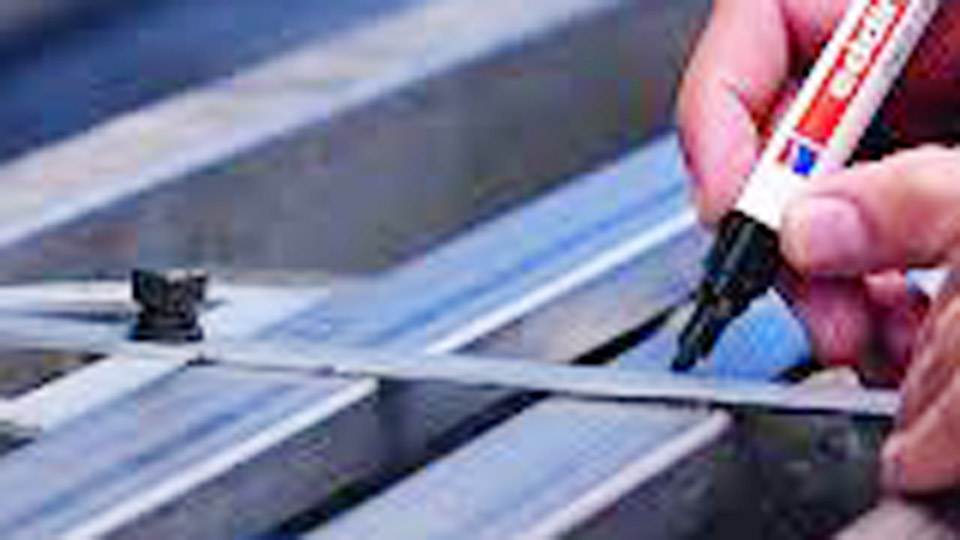
Image by edding
Why Permanent Marker Sticks So Well to Stainless Steel
Permanent markers use solvent-based inks with resins that bond quickly to non-porous surfaces like stainless. On brushed or polished SS, the ink sits in the grain lines, making it tougher to lift once it dries fully. Heat from welding or grinding can “bake” it in further, turning a quick wipe into a project.
In the shop, we mark for a reason: visibility under shop lights, on oily metal, or during assembly. But cleanup is part of the job. The key is dissolving the ink without damaging the chromium oxide layer that gives stainless its corrosion resistance.
Safest and Most Effective Ways to Remove Permanent Marker from Stainless Steel
The Dry-Erase Marker Trick: My Go-To Shop Hack
This one surprises a lot of new guys, but it’s been a shop staple for me. Grab a standard dry-erase marker (black or whatever color matches best) and scribble right over the permanent marker lines. Let it sit for 10-30 seconds, then wipe with a clean microfiber cloth or whiteboard eraser.
How it works: The solvents in the dry-erase ink reactivate and lift the permanent ink.
When to use it: Fresh marks before any heat or welding. Perfect for layout lines on sheet metal or tubing that haven’t been exposed to grinding dust.
Practical tips: Work with the grain of brushed finishes. On polished surfaces, it leaves almost nothing behind. Test on a scrap first if you’re dealing with a high-end piece. I’ve used this on 316L kitchen equipment and 304 structural parts with zero issues.
Common mistake: Using cheap dry-erase markers with weak solvents—they smear more than lift. Stick to name brands like Expo.
Rubbing Alcohol (Isopropyl): The Reliable Solvent
70% or 91% isopropyl alcohol on a soft lint-free cloth is my everyday cleaner. Dampen the cloth, rub gently along the grain, and wipe dry immediately.
How it works: Alcohol dissolves the ink binders quickly without water that could cause spotting on stainless.
When and why: After tacking or when dry-erase isn’t enough. Safe for most shop environments and won’t leave conductive residue that affects TIG welding.
Tips from the bench: Use microfiber or cotton rags—paper towels can scratch. On larger areas like a stainless tank, spray lightly and work in sections. Follow up with a clean wipe to remove any alcohol film. Avoid soaking; it evaporates fast anyway.
Pros: Cheap, available in every shop, evaporates clean.
Cons: Less effective on very old, baked-on marks.
Other Shop-Friendly Options and Comparisons
| Method | Best For | Pros | Cons | Shop Notes |
|---|---|---|---|---|
| Dry-Erase + Wipe | Fresh marks | No chemicals, fast | Less effective on old stains | Great for students & quick jobs |
| Isopropyl Alcohol | Most situations | Safe, effective, cheap | Needs follow-up wipe | Always in my toolbox |
| WD-40 | Stubborn residue | Penetrates well | Oily—must degrease after | Use sparingly before welding |
| Toothpaste (non-gel) | Light marks on polished | Mild abrasive | Can dull finish if overused | Baking soda mix for extra power |
| Nail Polish Remover (acetone-free) | Tough spots | Strong solvent | Test first—can be aggressive | Avoid on sensitive finishes |
WD-40 works but requires thorough degreasing afterward with alcohol or brake cleaner to prevent weld issues. Hairspray or hand sanitizer can serve in a pinch but aren’t as consistent in the shop.
Avoid: Bleach, ammonia, steel wool, or harsh abrasives. These pit or dull stainless and create future corrosion headaches.
Step-by-Step Guide for Removing Marker Before Welding
- Assess the mark: Fresh or set? On brushed, polished, or mill-scale surface?
- Start mild: Dry-erase method first.
- Escalate if needed: Alcohol on cloth, work with grain, 15-30 seconds max per pass.
- Wipe dry thoroughly.
- Inspect under good light—any haze means repeat or switch methods.
- Final clean: Wipe with acetone or dedicated stainless cleaner if prepping for TIG.
- Protect: If storing the piece, consider light oil or passivator.
I’ve walked apprentices through this on pressure vessels where one scratch could fail inspection.
Handling Marker After Welding or Heat Exposure
Heat changes everything. Weld spatter or grinding can embed ink deeper. Let the piece cool fully first. Start with alcohol, then if needed, a very fine Scotch-Brite pad (maroon) used lightly with the grain. Never cross-grain or you’ll see those lines forever.
For post-weld cleanup on stainless, I often combine mechanical and chemical: light flap disc or pad followed by solvent wipe. But go easy—over-grinding removes material and thins the section.
Material-Specific Advice: 304, 316, and Different Finishes
- 304 Stainless: Most common. Forgiving but shows scratches easily. Alcohol and dry-erase shine here.
- 316/316L: More corrosion-resistant, often used in harsh environments. Be extra careful with chemicals—maintain the passive layer.
- Brushed Finish: Clean strictly with the grain.
- Polished/Mirror: Extra gentle; even mild abrasion shows.
- Sheet vs. Heavy Plate: Thin material warps easier with aggressive cleaning; support it well.
In repair work, matching the original finish is half the battle.
Common Mistakes Welders and Hobbyists Make
- Scrubbing in circles: Creates swirl marks visible under inspection.
- Using abrasives too early: Ruins the surface before solvents even get a chance.
- Skipping the final degrease: Leaves residue that causes weld porosity.
- Marking too heavily: Light lines are easier to remove.
- Waiting too long: Old marks set harder, especially near heat-affected zones.
New guys especially grab the grinder right away. Slow down—chemical removal preserves material and time.
Prevention: Better Marking Practices in the Shop
Why remove what you don’t have to? Use soapstone for carbon steel, silver pencils or specific stainless markers for SS. Some paint pens are designed to burn off cleanly during welding. For precision, scribes work but require care not to gouge.
I keep a dedicated set: fine-tip Sharpies for detail, but only where removal is planned. For critical jobs, mask areas or use removable tapes.
Tools and Supplies Every Welding Bench Should Have
- Isopropyl alcohol (91% preferred)
- Dry-erase markers in a few colors
- Microfiber cloths
- Scotch-Brite pads (non-metallic)
- Dedicated stainless cleaners (like Barkeepers Friend for non-weld areas)
- Degreasers safe for SS
Stock these and you’ll save hours over a career.
When to Call in Professional Help or Replace the Piece
For high-value architectural stainless or certified pressure work, if cleaning risks the material, sometimes it’s cheaper to replace. Learn to spot when a mark has etched—dull spots or discoloration that won’t buff out.
Real-World Examples from the Shop Floor
On a recent food trailer build, apprentices marked cut lines heavily on 304 sheets. Dry-erase handled 80%, alcohol the rest. No rework needed. Another time on a marine railing, baked-in marks from grinding required careful pad work followed by passivation to restore corrosion resistance.
These small details separate acceptable work from pro-level jobs.
Final Thoughts
Taking care of your stainless properly turns frustrating cleanups into quick, routine steps. You’ve got the methods, the order of operations, and the warnings from years of burning rods and fixing mistakes. Next time a Sharpie line stares back at you, you’ll know exactly how to handle it without compromising the piece.
Always test your removal method on a hidden corner or scrap of the same material and thickness. That 30-second habit has saved me more material and reputation than I can count. Clean metal welds better, looks better, and lasts longer—simple as that.


