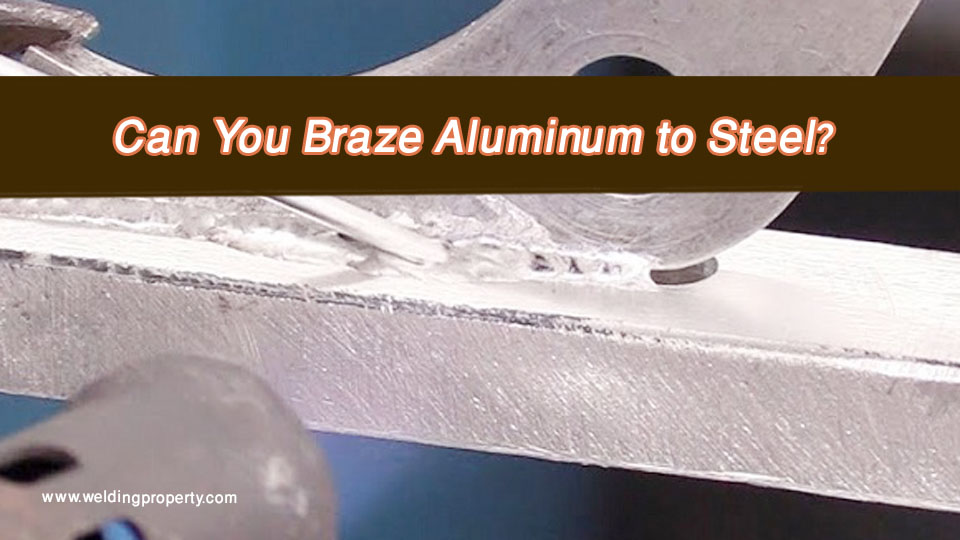
A pinhole leak in an aluminum radiator might seem like a small problem, but it can quickly turn into a major headache. A tiny hole can lead to coolant loss, overheating, and even engine damage if left unchecked. Fixing a pinhole in an aluminum radiator isn’t as difficult as it may seem, and you don’t always need to replace the radiator entirely.

Image by knowhow.napaonline
I’ve dealt with radiator leaks before, and I know how frustrating they can be. If you’re looking for a temporary fix to get back on the road or a permanent repair to restore your radiator’s performance, I’ll walk you through the best methods. I’ll also share some tips to prevent future leaks so you don’t have to deal with the same issue again.
Why Do Pinhole Leaks Occur in Aluminum Radiators?
Pinhole leaks in aluminum radiators can happen for several reasons. Understanding the cause can help you prevent future damage. Here are some common reasons aluminum radiators develop pinhole leaks:
Corrosion – Coolant can break down and become acidic, leading to internal corrosion. If the coolant isn’t changed regularly, small holes can form.
Electrolysis – Electrical currents passing through the coolant system can cause metal erosion, leading to pinholes. This is common in vehicles with faulty grounding.
Vibration and Stress – Continuous engine vibrations and external impacts can weaken aluminum, creating tiny cracks that turn into leaks.
Coolant Contamination – Using the wrong coolant or mixing different types can cause chemical reactions that eat away at the radiator’s metal.
Physical Damage – Even a small rock hitting the radiator while driving can cause a pinhole. Over time, minor damage can lead to leaks.
How to Identify a Pinhole Leak in an Aluminum Radiator
Before you can fix the leak, you need to find it. Since pinholes are tiny, they’re not always easy to spot. Here’s how you can locate the leak:
- Look for Coolant Puddles – If you notice coolant pooling under your vehicle, trace the source back to the radiator.
- Check for Wet Spots – Inspect the radiator for damp areas or coolant streaks, especially near the fins and seams.
- Use a Pressure Test – If you can’t see the leak, a radiator pressure tester can help. This tool pressurizes the system, making the leak more visible.
- Look for Steam or Bubbles – With the engine running, you might see steam or bubbling coolant near the leak. Just be careful not to get burned.
Once you’ve identified the pinhole, you can decide on the best repair method.
Methods to Fix a Pinhole in an Aluminum Radiator
There are different ways to repair a pinhole, depending on whether you need a temporary or permanent fix. Below are the most effective methods, starting from quick repairs to more long-lasting solutions.
Using a Radiator Stop Leak Product (Temporary Fix)
If you need a quick solution, a radiator stop leak product can temporarily seal small pinholes. It’s not a permanent fix, but it can help in emergencies.
Steps:
- Ensure the engine is cool before working on the radiator.
- Open the radiator cap and pour the stop leak solution into the radiator.
- Start the engine and let it run for about 15-20 minutes to circulate the sealant.
- Monitor the leak to see if it stops.
Pros:
- Quick and easy
- No special tools required
- Can temporarily seal small leaks
Cons:
- Not a permanent fix
- Can clog cooling passages if overused
- May not work for larger holes
Using Epoxy or Aluminum Radiator Sealant
For a stronger repair, an aluminum-based epoxy can be used to seal small pinholes. This method works well if the hole is in an accessible area.
Steps:
- Drain the coolant below the level of the leak to keep the area dry.
- Clean the affected area with sandpaper or a wire brush to remove dirt and oxidation.
- Wipe the area with alcohol or acetone to ensure a clean surface.
- Mix the epoxy according to the instructions and apply it over the pinhole.
- Let it cure for the recommended time before refilling the radiator.
Pros:
- Stronger and more durable than stop leak products
- Can seal pinholes effectively
- Works well on accessible areas
Cons:
- Takes time to cure
- May not work for leaks in hard-to-reach areas
Soldering the Pinhole (Permanent Fix)
Soldering is one of the most effective ways to permanently fix a pinhole in an aluminum radiator. However, aluminum requires special soldering techniques and materials.
Steps:
- Drain the coolant and clean the area around the leak.
- Use sandpaper or a stainless steel brush to remove the aluminum oxide layer.
- Apply flux designed for aluminum soldering.
- Use a propane torch or low-temperature aluminum soldering rod to heat the area until the solder flows into the pinhole.
- Let it cool, then test for leaks before refilling the radiator.
Pros:
- Permanent and durable fix
- Restores the radiator’s strength
- Works well for small to medium-sized leaks
Cons:
- Requires soldering skills
- Can damage the radiator if overheated
Welding the Pinhole (Best Permanent Fix)
If you have welding experience, TIG welding is the best way to permanently repair a pinhole. Aluminum welding requires precision, so this method is best left to experienced welders.
Steps:
- Drain and clean the radiator.
- Grind or sand the area to remove oxidation.
- Use a TIG welder with aluminum filler rod to seal the hole.
- Allow it to cool, then pressure test the repair.
Pros:
- Strongest and most permanent solution
- Ideal for large or multiple pinholes
Cons:
- Requires specialized equipment
- Not suitable for beginners
Preventing Future Pinhole Leaks
Once you’ve fixed the pinhole, it’s important to prevent future leaks. Here’s how:
- Use the Right Coolant – Always use aluminum-safe coolant and avoid mixing different types.
- Flush the Radiator Regularly – Flushing removes contaminants that can cause corrosion.
- Check Electrical Grounding – Poor grounding can cause electrolysis, leading to radiator damage.
- Inspect Hoses and Clamps – Loose or leaking hoses can cause coolant loss and pressure fluctuations.
- Avoid Physical Damage – Be careful when working around the radiator to prevent accidental dents or punctures.
Conclusion
Fixing a pinhole in an aluminum radiator is easier than it might seem. Whether you need a quick fix to get back on the road or a permanent repair to extend the life of your radiator, there’s a method that suits your needs.
From stop leak products to epoxy, soldering, and welding, each repair option has its own advantages. If you’re looking for a long-term solution, soldering or welding is the best way to ensure the leak won’t return.
I’ve personally worked on aluminum radiators, and I know how important it is to act fast when you spot a leak. Ignoring it can lead to bigger problems down the road, so it’s always better to fix it sooner rather than later.
If you follow these steps, your radiator should be back in good shape in no time. And with proper maintenance, you can avoid dealing with leaks again in the future.
FAQs
Can I use JB Weld on an aluminum radiator?
Yes, JB Weld can be used for small pinhole leaks, but it’s not a permanent fix. For a long-term solution, soldering or welding is recommended.
How long will a radiator stop leak product last?
Stop leak products can last for a while, but they are not permanent. They might hold for weeks or months, but eventually, the pinhole may reopen.
Is it safe to drive with a pinhole leak in the radiator?
It’s not recommended. Even a small leak can lead to overheating and engine damage. It’s best to fix the leak as soon as possible.
What’s the best way to permanently fix a pinhole in an aluminum radiator?
TIG welding is the most durable repair method, but soldering with aluminum-compatible solder is also a strong and effective solution.