
Welding is one of those hands-on skills that opens up a world of creativity and usefulness. Whether you’re interested in building things around the house, fixing up a classic car, or just exploring something new with your hands, welding is a hobby that can be both exciting and rewarding.
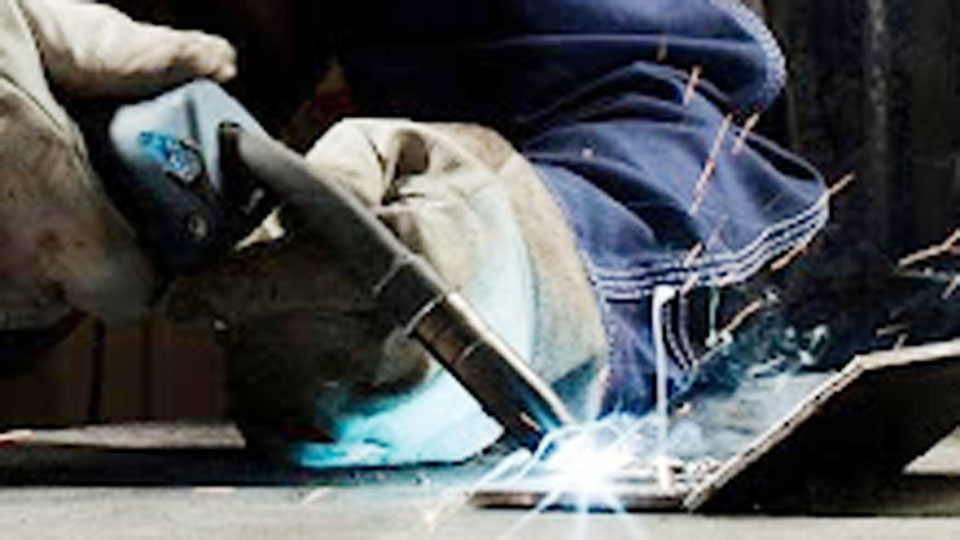
Photo by speed.academy
When I first thought about learning welding, I honestly felt a bit intimidated. There’s sparks flying, big machines, and terms like MIG, TIG, and flux core that sounded like another language. Once I started, I realized it wasn’t just about melting metal—it was about learning to shape and build things that last.
I want to walk you through everything I’ve learned so far about how to learn welding as a hobby, from the very beginning.
This guide is for anyone who wants to get into welding for fun, even if you’ve never picked up a torch before. I’ll explain it simply, like we’re sitting in my garage together, chatting over coffee. If you’ve been curious, let’s dive into what it really takes to start welding as a hobby.
Why Choose Welding as a Hobby?
Welding is more than just joining metal—it’s a creative outlet, a practical skill, and sometimes even a form of stress relief. For me, it became a hobby because I wanted to make things with my hands again. In today’s world, so much is digital and fast-paced. Welding slows things down.
Here are a few reasons people get into welding as a hobby:
- Creative freedom – You can build custom furniture, sculptures, or even a BBQ smoker.
- Fixing and repairing – Weld broken metal parts at home instead of tossing them.
- Hands-on satisfaction – Seeing your finished weld bead is like looking at a mini victory.
- Potential side hustle – Hobby welding can lead to selling projects or taking small repair jobs.
It gives you the power to make and fix, and that’s a satisfying feeling.
Basics of Welding
Before we touch any equipment, it’s good to know what welding really is. In simple terms, welding is the process of joining two pieces of metal by melting and fusing them together. You often use a filler material to help make the joint stronger.
There are different types of welding, and each has its own feel, purpose, and gear. Let me give you a quick rundown of the most common ones you’ll come across as a beginner hobbyist:
| Welding Type | Description | Good for Beginners? |
|---|---|---|
| MIG Welding (GMAW) | Uses a wire feed and shielding gas. Easy to learn and fast. | Yes ✅ |
| TIG Welding (GTAW) | Clean, precise, and great for thin metals. Takes time to master. | Not ideal to start ❌ |
| Stick Welding (SMAW) | Uses rods to weld. Tough and portable. | Somewhat ✅ |
| Flux-Core Welding (FCAW) | Similar to MIG but doesn’t need gas. Great for outdoors. | Yes ✅ |
I personally started with MIG welding because it’s the most forgiving when you’re new. It’s kind of like the training wheels of welding but still very powerful.
Is Welding Safe for a Hobbyist?
Yes, welding is safe as long as you take it seriously and follow safety steps. I remember my first weld, I wore all the gear, but I still got a tiny sunburn on my wrist where my glove didn’t cover fully. That taught me quick—don’t cut corners.
Here’s the basic safety gear you’ll want:
- Auto-darkening welding helmet – Protects your eyes and face.
- Welding gloves – Heavy-duty gloves to handle heat and sparks.
- Flame-resistant jacket or apron – Don’t wear synthetic fabrics.
- Proper boots – Leather work boots are best.
- Ventilation or fume extractor – Especially if you’re welding indoors.
Once you suit up properly, welding feels much more comfortable. And honestly, putting on all that gear makes it feel official and exciting.
Tools You’ll Need to Start Welding as a Hobby
You don’t need a full professional setup to start welding in your garage or backyard. But you do need the essentials.
Here’s a list of starter tools and equipment I used when I was just beginning:
- MIG welder (110V or 120V) – A basic wire-feed welder is a solid starting point.
- Welding helmet (auto-darkening) – Saves your eyes and sanity.
- Angle grinder – For cleaning metal, cutting pieces, and smoothing welds.
- Welding table or a fire-safe surface – Not your kitchen counter, please.
- Clamps and magnets – To hold your metal in place.
- Welding wire and shielding gas – If using MIG.
- Basic hand tools – Tape measure, hammer, wire brush, and pliers.
Start simple. As you grow in confidence and skills, you can slowly build out your workshop.
Where Can You Learn Welding as a Hobby?
When I decided I wanted to learn, I didn’t sign up for a fancy school right away. I explored free resources, watched experienced welders, and practiced a lot on scrap metal. Here are a few good ways to get started:
Community College or Vocational School
Many local community colleges offer part-time or evening welding classes. These are perfect if you want hands-on learning with an instructor nearby. They often supply all the gear too, so it’s a budget-friendly way to try it out.
Welding Workshops or Maker Spaces
Some cities have maker spaces or hobbyist clubs that offer welding stations. You can pay a monthly fee or attend weekend workshops. This is a fun way to meet other people with similar interests.
Online Videos and Courses
YouTube is packed with great channels for welding. Look for beginner-focused series that walk through safety, setup, and technique. I learned a lot this way, especially on the weekends when I had free time.
Practice at Home
Once you get comfortable with the basics, home practice is where the magic happens. Just remember to create a safe area, preferably in a garage or shed with proper ventilation.
What Metals Should You Start Welding?
As a beginner hobbyist, start with mild steel. It’s the easiest to work with and most forgiving. It’s also cheap and widely available.
I wouldn’t recommend jumping into aluminum or stainless steel right away. They behave differently, and you need more control and sometimes different gases or equipment.
You can usually find scrap steel from local metal suppliers or junkyards. Look for flat stock or square tubing to start.
What Projects Can You Make as a Hobby Welder?
This is where things get really fun. The sky’s the limit with welding. Once I had my technique somewhat down, I started building all sorts of useful and fun stuff.
Here are a few project ideas for beginners:
- Simple workbench or welding table
- Firewood rack
- Small metal sculptures or garden art
- BBQ grill stand
- Motorcycle or bicycle stand
- Wall hooks and tool holders
- Repair broken metal tools or chairs
Start with something small and simple. You’ll feel accomplished, and it keeps the pressure low.
How to Get Better at Welding Over Time
Like any hobby, the more you practice, the better you get. But with welding, your learning curve will be smoother if you pay attention to your technique.
Here’s what helped me improve:
- Practice weld beads on scrap – Don’t just build stuff. Practice running beads over and over until they look clean and even.
- Adjust your settings – Learn how voltage and wire speed affect your weld. Take notes.
- Watch your travel speed – Moving too fast or slow changes the shape of the weld.
- Check your angles – Holding the gun at the wrong angle can lead to poor fusion.
Don’t worry if your first few welds look messy. Mine sure did. I kept some of them as a reminder of how far I’ve come.
Tips to Stay Motivated While Learning
It’s easy to feel frustrated in the beginning. Trust me, I had welds pop off, metal warping, and ugly beads. But if you stick with it, it gets really fun.
Here are a few things I did to stay motivated:
- Set small goals—like welding a straight bead or finishing a project.
- Join online welding forums or hobby groups.
- Celebrate your wins—even if it’s just not burning a hole in the metal!
- Watch pros and try to copy their hand motion.
- Take breaks if you get stuck and come back with fresh eyes.
The joy really kicks in when you finish your first real project and realize—you did that.
Can You Turn Welding from a Hobby into a Side Gig?
Absolutely. A lot of people I know started welding as a hobby and now sell custom gates, smokers, or even art pieces online or locally. If you’re into fixing things, you can do small repair jobs for neighbors too.
Start by sharing your work on social media or Etsy, and you might be surprised who wants to buy your creations. Just make sure your welds are strong and safe before selling anything load-bearing.
Conclusion
Learning welding as a hobby has honestly been one of the most fulfilling decisions I’ve ever made. It started out as just something I wanted to try, but it turned into a creative outlet, a skill-building journey, and a great way to disconnect from screens and reconnect with my hands.
If you’re thinking about trying welding, don’t overthink it. Start small. Pick up a basic MIG welder, get your safety gear, and practice on scrap metal. Take a class, watch videos, and most importantly—have fun with it.
You don’t have to be perfect. You just have to be curious and consistent. Before you know it, you’ll be looking around your house wondering, “What can I weld next?”
Frequently Asked Questions
What is the easiest type of welding for beginners?
MIG welding is usually the easiest type for beginners. It’s simple to learn, doesn’t require too much coordination, and is great for most home projects.
Do I need a lot of space to start welding as a hobby?
No, you just need a small, well-ventilated area like a garage or a backyard shed. Make sure it’s fire-safe and clear of flammable materials.
Can I learn welding by myself at home?
Yes, many people do! With the right tools, safety gear, and online resources, you can teach yourself the basics and get plenty of practice at home.
How much does it cost to start welding as a hobby?
A basic beginner setup with a MIG welder, helmet, gloves, and gas can cost anywhere from $500 to $1,000. You can find good deals on used gear too.
Is welding as a hobby dangerous?
Welding has risks like burns, eye damage, and fumes, but if you use proper safety equipment and follow the rules, it’s very safe—even at home.


