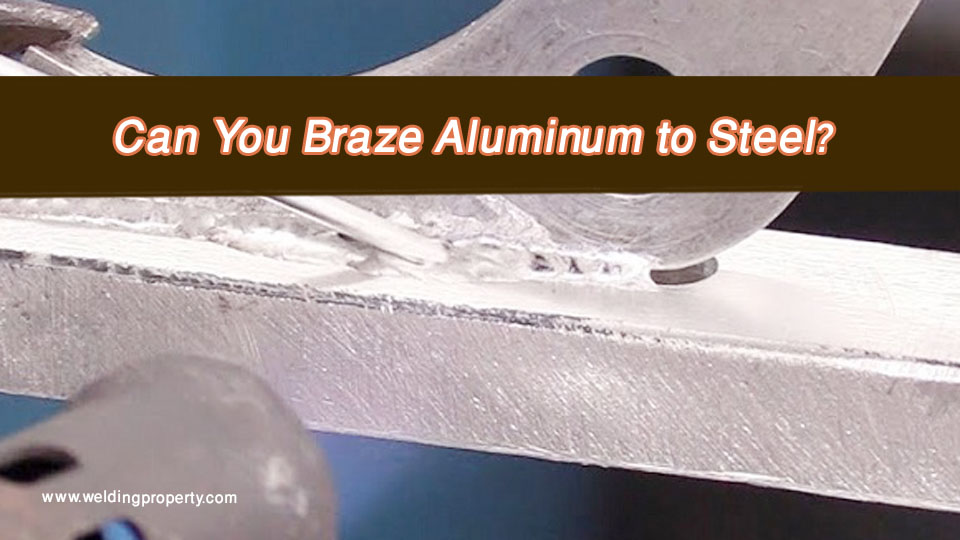
Welding aluminum can seem like an intimidating task, especially if you don’t have access to the usual welding tools. But what if I told you that you can still weld aluminum without a welder? Yes, you can! I’ll walk you through the step-by-step process of welding aluminum without using traditional welding equipment, using some simple tools and techniques.

Image by red-d-arc
If you’re working on a DIY project, a repair job, or just want to explore welding without investing in expensive equipment, this guide is for you. I’ve had the chance to experiment with different methods of welding aluminum, and I’m excited to share the knowledge I’ve gathered over time.
What Is Welding and Why Would You Want to Weld Aluminum?
Welding is the process of joining two pieces of metal by heating them until they melt and fuse together. When it comes to aluminum, it’s an attractive material for many reasons – it’s lightweight, corrosion-resistant, and has a variety of uses in industries like automotive, aerospace, and home projects.
But aluminum can be a bit tricky to work with, especially because of its low melting point and tendency to warp under heat. If you don’t have a traditional welder, it’s still possible to join aluminum pieces together using alternative methods.
Methods for Welding Aluminum Without a Welder
If you’re keen on welding aluminum without the use of a traditional welding machine, there are several methods you can use. Let’s explore some of the most effective ways.
Using a Soldering Iron for Aluminum Welding
One of the easiest ways to weld aluminum without a welder is by using a soldering iron. This method is best suited for light-duty work and smaller aluminum projects.
How to do it:
Preparation: Start by cleaning the aluminum surfaces to remove dirt, grease, and oxidation. A clean surface is crucial for a good bond.
Heating: Plug in your soldering iron and let it heat up. The tip should reach temperatures between 600°F and 800°F, which is sufficient to melt aluminum solder.
Soldering: Apply the solder to the joint. Make sure to use aluminum solder, which is specifically designed for this purpose. The solder should flow easily and create a bond between the aluminum pieces.
Cooling: Allow the joint to cool naturally. Avoid disturbing it while it’s cooling to ensure a strong bond.
Advantages:
- Soldering iron is relatively inexpensive.
- It’s a simple process that doesn’t require specialized skills.
- Works well for smaller projects.
Disadvantages:
- Only suitable for thin aluminum.
- Not ideal for heavy-duty or structural applications.
Using a Propane Torch for Aluminum Welding
If you need to join thicker aluminum, a propane torch can work wonders. While it may not be as powerful as a full-fledged welding machine, it can still provide enough heat to weld aluminum successfully.
How to do it:
- Preparation: Clean the aluminum surface thoroughly, as oxidation can interfere with the welding process.
- Heating: Use a propane torch to heat the joint area. Focus the flame on the edges of the aluminum until the metal begins to melt.
- Filler Material: Once the aluminum starts to melt, apply an aluminum brazing rod or filler material to the joint. These rods are designed to melt at a lower temperature than the aluminum, allowing the material to bond.
- Cooling: Allow the aluminum to cool and solidify. Check the bond to ensure it’s strong and secure.
Advantages:
- A propane torch is relatively inexpensive and easy to find.
- Suitable for thicker aluminum materials.
- Portable and convenient for outdoor projects.
Disadvantages:
- It can be tricky to maintain the right temperature.
- May not provide as clean a finish as traditional welding methods.
Brazing Aluminum Using a MAPP Gas Torch
Brazing is another method for joining aluminum without welding equipment. This process uses a filler metal that has a lower melting point than aluminum. While brazing is often used for metals like copper and brass, it can also be used effectively with aluminum.
How to do it:
- Preparation: Just like in the previous methods, start by cleaning the aluminum surface. Any dirt or oxidation can compromise the strength of the bond.
- Heating: Use a MAPP gas torch (a higher-temperature torch than propane) to heat the aluminum until it reaches a temperature of around 700°F. Be careful not to overheat, as aluminum can warp easily.
- Applying the Filler: Once the aluminum is at the right temperature, apply the aluminum brazing rod to the joint. The rod will melt and bond with the aluminum, creating a strong joint.
- Cooling: Allow the aluminum to cool naturally, and inspect the weld to make sure it’s solid.
Advantages:
- Suitable for a variety of aluminum thicknesses.
- MAPP gas torches heat aluminum more efficiently than propane torches.
- Strong, reliable bond.
Disadvantages:
- Requires more specialized equipment.
- Can be difficult to control the heat properly without practice.
Cold Welding for Aluminum
Cold welding doesn’t involve heat, which makes it unique compared to the other methods mentioned. Instead, it relies on applying pressure to join aluminum pieces together. Cold welding is a technique often used in manufacturing and repair, especially in low-stress environments.
How to do it:
- Preparation: Clean the surfaces of the aluminum thoroughly. The cleaner the surfaces, the better the bond will be.
- Aligning the Pieces: Position the two aluminum pieces together. Make sure they are aligned precisely where you want them to be joined.
- Applying Pressure: Apply pressure to the joint using a clamp or a vice. As the pressure is applied, the two pieces of aluminum will bond at the atomic level, creating a strong joint.
Advantages:
- No heat is involved, so the risk of damaging the aluminum is minimal.
- No specialized tools required, making it inexpensive.
- Good for certain repair jobs or when working with thin aluminum.
Disadvantages:
- Only works on clean, flat, and smooth surfaces.
- Not suitable for heavy-duty or thick aluminum projects.
Tools You Can Use to Weld Aluminum Without a Welder
If you’re looking to weld aluminum without a welder, you’ll need a few essential tools and supplies. Here’s a quick list of the most common items you’ll need:
| Tool | Purpose |
|---|---|
| Propane or MAPP Gas Torch | Heats aluminum to the required temperature |
| Soldering Iron | Used for small projects and light-duty work |
| Aluminum Brazing Rods | Filler material for brazing aluminum |
| Clamps or Vise | Holds the aluminum pieces in place during the process |
| Aluminum Cleaner or Wire Brush | Prepares the aluminum surface by removing contaminants |
| Protective Gloves | Protects your hands from heat and burns |
Tips for Successful Aluminum Welding Without a Welder
While welding aluminum without a welder is entirely possible, a few tips can help make the process smoother and ensure you get the best results.
Clean the Surface Thoroughly
Aluminum is very sensitive to contamination. Oils, dirt, and the natural oxide layer can cause welding issues like weak joints or porosity. Be sure to clean the surface of the aluminum thoroughly before starting the welding process.
Control the Heat
One of the biggest challenges when welding aluminum is controlling the heat. Aluminum has a low melting point, so it can easily burn or warp if you apply too much heat. Take your time, and use the proper techniques to apply the right amount of heat to the joint.
Choose the Right Filler Material
If you’re using a soldering iron, torch, or brazing method, make sure you’re using the correct filler material for aluminum. Aluminum-specific brazing rods or soldering wires are designed to bond well with the metal and produce a strong, reliable joint.
Wear Protective Gear
Even when welding without a traditional welder, it’s important to protect yourself from heat, sparks, and other hazards. Always wear protective gloves, a safety mask, and eye protection during the process.
Conclusion
Welding aluminum without a welder is not only possible but can also be a practical and affordable solution for smaller projects. By using methods such as soldering, brazing, and cold welding, you can achieve solid, reliable aluminum joints without the need for an expensive welder.
While these methods may not provide the same precision as traditional welding techniques, they can still get the job done, especially for DIY projects and repairs. With a little practice and the right tools, you’ll be able to weld aluminum successfully without a welder.
FAQs
Can I weld aluminum without a welder?
Yes, it is possible to weld aluminum without a welder using methods like soldering, brazing with a torch, or cold welding with pressure.
What is the best way to weld aluminum without a welder?
The best method depends on your project. For small projects, a soldering iron works well, while brazing with a propane or MAPP gas torch is ideal for thicker aluminum.
Can I use a regular torch to weld aluminum?
You can use a propane or MAPP gas torch for brazing aluminum, but it’s important to use aluminum-specific filler rods and maintain careful control over the heat.
What’s the advantage of cold welding aluminum?
Cold welding doesn’t require heat, making it safer and more suitable for small, low-stress aluminum repairs or joints. It’s a simple and inexpensive method.