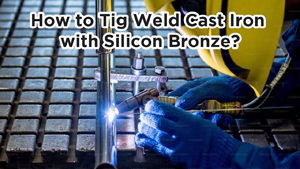
Are you ready to master the art of welding cast iron with nickel rods? The process may seem daunting at first, but with the right guidance and techniques, you can achieve a strong and durable weld. Cast iron is known for its brittleness and susceptibility to cracking, making it a challenging material to weld.

Image by alphaweld
By using nickel rods specifically designed for this purpose, you can overcome these challenges and create high-quality welds that stand the test of time.
Properties of Cast Iron
Before diving into the welding process, it’s essential to understand the properties of cast iron. Cast iron is a ferrous alloy that contains more than 2% carbon, which gives it its characteristic hardness and brittleness.
When exposed to high temperatures during welding, cast iron tends to crack due to its high carbon content. This is where nickel rods come into play – they act as a buffer, absorbing the carbon and preventing cracking while creating a strong bond with the cast iron.
When welding cast iron, it’s crucial to work with precision and patience. The material has low ductility, meaning it doesn’t stretch or deform easily. As a result, the welding process requires controlled heat input and a steady hand to avoid creating stress points that could lead to fractures.
By familiarizing yourself with the unique properties of cast iron, you can approach the welding process with confidence and precision.
Welding cast iron requires careful consideration of factors such as preheating, cooling rates, and the selection of appropriate filler materials.
Without proper preparation and understanding of the material, the risk of welding defects such as cracks, porosity, and brittleness increases. By taking the time to grasp the nuances of cast iron, you set yourself up for success when welding with nickel rods.
Choosing the Right Nickel Rods for Welding Cast Iron
Selecting the correct nickel rods is crucial for achieving a successful weld on cast iron. Nickel-based electrodes are specifically formulated to provide a strong bond with cast iron while accommodating the material’s unique properties. When choosing nickel rods, consider factors such as composition, tensile strength, and compatibility with the base metal.
It’s recommended to opt for nickel rods with a high nickel content and low carbon levels to minimize the risk of cracking and ensure a reliable weld.
In addition to nickel content, the diameter of the rod plays a significant role in the welding process. Thinner rods are ideal for welding thin sections of cast iron or performing intricate welds that require precision.
Thicker rods are better suited for welding thicker sections or building up material to fill gaps or holes.
By selecting the appropriate nickel rod size for the job at hand, you can enhance control over the weld pool and achieve optimal penetration and fusion.
When it comes to welding cast iron, the choice of nickel rod can make a significant difference in the quality and durability of the weld.
By investing in high-quality nickel rods that are specifically designed for welding cast iron, you can ensure a successful outcome and a weld that meets industry standards.
The right nickel rod is not just a tool – it’s a key component in creating a strong and long-lasting bond between the cast iron pieces.
Preparing the Cast Iron Surface for Welding
Proper preparation of the cast iron surface is essential for achieving a successful weld. Before starting the welding process, it’s crucial to clean the surface thoroughly to remove any contaminants, rust, or debris that could compromise the integrity of the weld.
Use a wire brush or grinder to clean the surface and create a smooth, clean area for welding. Consider preheating the cast iron to reduce the risk of thermal shock and minimize distortion during welding.
In addition to cleaning, it’s important to assess the condition of the cast iron piece and identify any potential issues that may affect the welding process.
Check for cracks, defects, or areas of weakness that may require pre-welding repairs or reinforcement. By addressing these issues proactively, you can prevent welding problems and ensure a seamless welding experience.
Proper preparation is the foundation of a successful weld, so take the time to prepare the cast iron surface thoroughly before proceeding.
Once the surface is clean and free of contaminants, it’s time to establish a suitable welding environment. Ensure proper ventilation to disperse fumes and gases generated during welding, and use appropriate personal protective equipment such as gloves, goggles, and a welding helmet.
Set up your welding equipment, including the welding machine, ground clamp, and nickel rods, in a well-lit and spacious area that allows for unrestricted movement and access to the workpiece.
With the cast iron surface prepared and the welding environment ready, you are now equipped to begin the welding process with confidence.
Setting Up the Welding Equipment
Before initiating the welding process, it’s essential to set up your welding equipment correctly to ensure a smooth and efficient operation. Start by adjusting the welding machine settings based on the type and thickness of the cast iron material you are working with.
Consult the manufacturer’s guidelines for recommended welding parameters, including voltage, amperage, and travel speed, to achieve optimal weld penetration and fusion.
Secure the ground clamp to the workpiece in close proximity to the welding area to establish a stable electrical connection. The ground clamp serves to complete the electrical circuit and ensure a consistent welding current flow.
Position the welding machine and electrode holder in a comfortable and ergonomic manner that allows for precise control and maneuverability during the welding process. Proper equipment setup is essential for achieving a high-quality weld and maintaining safety throughout the welding operation.
Once the welding equipment is in place, inspect the electrode holder and nickel rod for any defects or damage that could affect the welding process.
Ensure that the electrode holder is clean and free of debris to facilitate a secure grip on the nickel rod. Check the condition of the nickel rod for straightness and uniformity to prevent welding inconsistencies and defects.
By verifying the integrity of the welding equipment before starting, you can mitigate potential issues and ensure a successful weld on the cast iron material.
Step-by-Step Guide to Welding Cast Iron with Nickel Rods
Now that you have prepared the cast iron surface and set up the welding equipment, it’s time to dive into the step-by-step process of welding cast iron with nickel rods. Follow these guidelines carefully to achieve a strong and durable weld that meets industry standards and exceeds expectations.
Precision and patience are key when welding cast iron, so take your time and focus on maintaining control throughout the welding process.
Preheating
Begin by preheating the cast iron material to a temperature between 500-1200°F, depending on the thickness and composition of the material. Preheating helps reduce the risk of thermal shock and minimizes the formation of cracks during welding.
Use a temperature-indicating device such as a pyrometer to monitor the preheating process and ensure uniform heating of the material.
Tack Welding
Start by tack welding the cast iron pieces together to secure them in place before creating the final weld. Tack welding helps prevent distortion and misalignment of the pieces during the welding process.
Position the pieces accurately and tack weld them at regular intervals along the joint to create a stable foundation for the final weld.
Welding Technique
When welding cast iron with nickel rods, use a back-step welding technique to control heat input and minimize stress on the material. Start at the end of the joint farthest from the tack weld and weld in short sections, moving back towards the tack weld.
Maintain a consistent travel speed and electrode angle to achieve proper fusion and penetration without overheating the material.
Interpass Cooling
Allow the cast iron material to cool between welding passes to prevent overheating and retain the integrity of the weld. Use an air or water cooling method to control the temperature of the material and avoid rapid cooling, which can lead to cracking.
Monitor the cooling process closely to ensure that the material reaches a safe temperature before proceeding with the next welding pass.
Post-Welding Cleanup
After completing the welding process, inspect the weld for any defects such as cracks, porosity, or incomplete fusion. Use a wire brush or grinder to clean the weld and remove any slag or spatter that may have formed during welding.
Check the weld for uniformity and integrity, and make any necessary repairs or adjustments to ensure a high-quality finish.
Post-Welding Considerations and Precautions
Congratulations on successfully welding cast iron with nickel rods! As you wrap up the welding process, it’s essential to consider post-welding precautions to maintain the integrity of the weld and prolong the lifespan of the finished product.
Cast iron welds are susceptible to cracking and distortion if not handled properly post-welding, so follow these guidelines to ensure a durable and long-lasting weld.
Cooling Rate
Allow the welded cast iron piece to cool gradually to room temperature to prevent rapid cooling and minimize the risk of cracking. Avoid exposing the material to sudden temperature changes or quenching, as this can induce stress and compromise the integrity of the weld. Monitor the cooling process closely and ensure that the material cools uniformly to maintain the strength and durability of the weld.
Stress Relief
Perform stress relief annealing on the welded cast iron piece to alleviate internal stresses and improve the overall stability of the weld. Heat the material to a temperature below its critical point and hold it for a specified period to allow stress relaxation.
Stress relief annealing helps reduce the risk of distortion and cracking in the weld and enhances the mechanical properties of the cast iron material.
Surface Finishing
After the weld has cooled, consider performing surface finishing to enhance the appearance and durability of the welded cast iron piece. Use a grinder or sander to smooth out any rough edges or imperfections in the weld, creating a clean and polished surface.
Surface finishing not only improves the aesthetic appeal of the weld but also removes any potential stress risers that could lead to cracking or failure over time.
Challenges and Troubleshooting Tips
Welding cast iron with nickel rods can present various challenges that may affect the quality and integrity of the weld. From cracking to porosity, understanding common welding issues and how to troubleshoot them is essential for achieving successful welds on cast iron material.
Here are some common challenges you may encounter when welding cast iron and effective troubleshooting tips to address them:
Cracking
Cracking is a common issue when welding cast iron due to its high carbon content and brittleness. To prevent cracking, ensure proper preheating of the material, control heat input during welding, and use nickel rods with high nickel content. If cracking occurs, stop welding immediately, allow the material to cool, and address the root cause before proceeding.
Porosity
Porosity, or the presence of gas pockets in the weld, can weaken the integrity of the weld and compromise its strength. To minimize porosity, maintain a stable welding arc, use proper welding techniques, and ensure adequate shielding gas coverage. If porosity is detected, re-weld the affected area using a clean nickel rod and adjust welding parameters as needed.
Brittleness
Brittle welds are prone to cracking and failure under stress, posing a significant risk to the structural integrity of the welded piece. To reduce brittleness, anneal the welded cast iron piece to relieve internal stresses and improve ductility. Ensure proper weld cleaning and post-welding procedures to enhance the toughness and durability of the weld.
Safety Precautions for Welding Cast Iron with Nickel Rods
Welding cast iron with nickel rods poses specific safety hazards that must be addressed to protect yourself and others in the work environment.
From exposure to fumes to electrical hazards, understanding and implementing safety precautions is essential for a safe and productive welding experience. Follow these safety guidelines when welding cast iron with nickel rods to minimize risks and ensure a secure working environment:
Ventilation
Ensure adequate ventilation in the welding area to disperse fumes, gases, and airborne contaminants generated during welding. Use exhaust fans or open doors and windows to promote air circulation and reduce the concentration of harmful substances in the air. Proper ventilation is essential for maintaining air quality and safeguarding against respiratory issues.
Personal Protective Equipment (PPE)
Wear appropriate PPE, including welding gloves, a welding helmet with a proper shade lens, flame-resistant clothing, and safety goggles to protect against sparks, UV radiation, and heat.
PPE is your first line of defense against welding hazards and should be worn at all times during welding operations to prevent injuries and ensure personal safety.
Fire Safety
Keep a fire extinguisher nearby and familiarize yourself with its operation in case of a fire emergency. Clear the welding area of flammable materials, such as paper, fabric, or solvents, to minimize the risk of fire hazards. Maintain a clean and organized workspace to prevent the accidental ignition of combustible materials and ensure a safe working environment.
Conclusion
As you reach the end of this comprehensive guide on welding cast iron with nickel rods, you have gained valuable insights into the process, techniques, and considerations involved in welding this challenging material. By understanding the properties of cast iron, selecting the right rods, and following a step-by-step approach to welding, you can achieve strong and durable welds that meet industry standards and exceed expectations.
Welding cast iron requires precision, patience, and attention to detail. From preheating the material to choosing the correct welding techniques, each step plays a crucial role in the success of the welding process.
By following the guidelines outlined in this guide and implementing best practices for welding cast iron with nickel rods, you can overcome challenges, troubleshoot common issues, and create high-quality welds that stand the test of time.