So you’re wondering about the salary of an offshore oil rig underwater welder? This question comes up a lot, and I totally get the curiosity. It’s a bold and dangerous job, and with risk often comes high reward, right?
I’ve spent time researching and talking to people in this industry, and in this article, I’m going to break everything down for you in a way that makes sense—no fluff. Just real talk from one person to another.
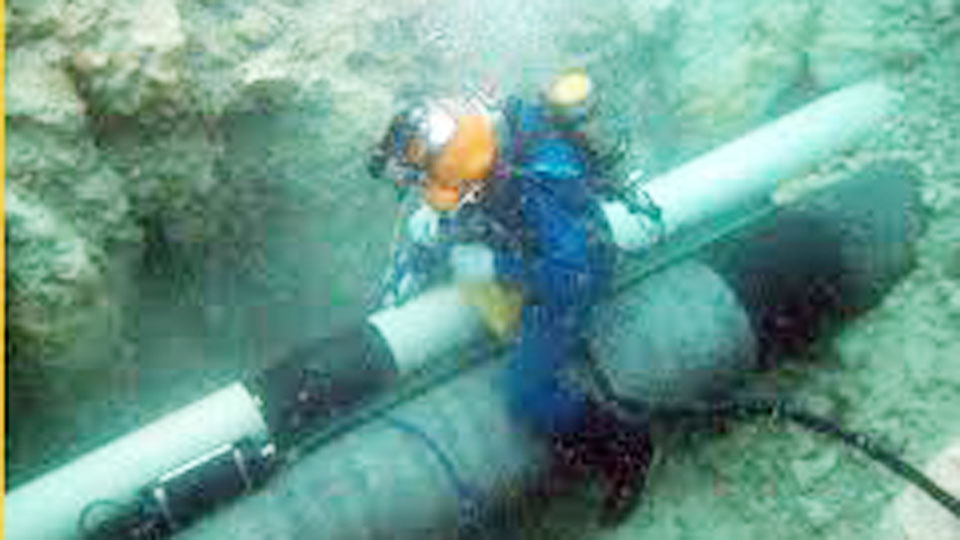
Photo by rigjobsonline
If you’re just curious, considering a career move, or already in welding and thinking of taking your skills offshore, I’ve got you covered.
What Is an Offshore Oil Rig Underwater Welder?
First things first, let’s get clear on what this job actually is. An offshore oil rig underwater welder is someone who performs welding tasks beneath the surface of the ocean—typically on oil rigs, pipelines, ships, and platforms. These professionals work in remote, often dangerous environments where mistakes are not an option.
You’re not just welding a pipe in your garage. You’re in the middle of the ocean, in scuba gear or a dry suit, with tools in your hand, under pressure—literally.
The work involves both commercial diving and welding skills, so the job requires double training. This means it’s not only physically demanding but mentally challenging as well.
Is the Salary Really That High?
You’ve probably heard that underwater welders on oil rigs make bank. And in many cases, that’s true. But it’s not quite as simple as saying “you’ll make six figures.”
Let me give you a better picture.
Here’s a rough breakdown of what an offshore underwater welder might earn annually:
| Experience Level | Estimated Annual Salary |
|---|---|
| Entry-Level (0-2 years) | $40,000 – $60,000 |
| Mid-Level (2-5 years) | $60,000 – $100,000 |
| Experienced (5+ years) | $100,000 – $200,000+ |
Yes, some highly experienced underwater welders working on high-risk jobs in remote locations can earn well over $200,000 in a single year. But don’t expect that right away. It takes years of training, hard work, and a bit of luck to reach that level.
What Factors Affect the Salary?
So why such a wide salary range? Well, the pay depends on several key things. Let’s break those down.
Experience and Certification
Like most trades, the more experience you have, the more you can earn. But it’s not just about time on the job. It’s also about certifications.
To get into this line of work, you’ll need:
- Commercial Diver Certification
- Underwater Welding Certification
- Offshore Safety and Survival Training (like HUET)
If you have additional certifications, such as NDT (Non-Destructive Testing), underwater inspection skills, or advanced scuba credentials, you may command even higher pay.
Job Location
Working in the Gulf of Mexico is not the same as working in the North Sea or off the coast of Brazil. Different countries and companies have different budgets and safety standards. Some locations are more dangerous or more remote, which can lead to higher pay.
U.S.-based welders working on rigs in the Gulf of Mexico make between $50,000 and $120,000. International jobs—especially in harsher climates—can pay more due to increased risk and complexity.
Type of Work
There’s a difference between maintenance welding and emergency repair work.
Routine jobs pay less but are steadier. Emergency or deep-sea repairs, on the other hand, can bring in big paychecks in a short period. But the stress level? Through the roof.
Also, saturation diving jobs—which involve staying in pressurized environments for extended periods—are the most lucrative. These assignments can pay thousands of dollars per day.
Contract vs Full-Time
Some underwater welders work full-time for large offshore companies. Others take contract jobs. Freelance or contract welders often make more per job but don’t get benefits like healthcare or paid time off. It’s a trade-off you need to consider.
Downtime and Job Rotation
Offshore work usually follows a rotation schedule. You might work for 3 weeks straight, then get 3 weeks off. That means while the daily pay might seem high, you’re not working year-round like a regular 9-to-5. This affects how you look at annual earnings.
What’s a Typical Day Like for an Offshore Underwater Welder?
Let me paint a picture for you. Imagine waking up in a room the size of a small closet on a floating steel city. You suit up, go through safety briefings, and then get lowered into the ocean. It’s cold, dark, and you’re welding metal where the margin for error is close to zero.
You might be down there for a few hours, and then you resurface, clean your gear, and get ready to do it again tomorrow.
The work is demanding—physically, mentally, and emotionally. If you like a challenge and enjoy hands-on work, it can be one of the most exciting jobs out there.
What Are the Perks Besides Salary?
Honestly, the money is just one part of the appeal. Many welders fall in love with the lifestyle. Here’s why:
- Adventure: Every job is different. New rigs, new countries, new challenges.
- Time Off: Those long breaks between rotations give you time to travel, relax, or take other work.
- Pride: Not many people can do what you do. It’s a badge of honor.
- Travel: You may end up in places most people will never visit in their lifetime.
- Teamwork: You’ll become close with the people you work with. That bond is real and lasting.
But What Are the Risks?
Let’s not sugarcoat it—this is a dangerous job. You’re dealing with:
- Deep-sea pressure
- Potential for equipment failure
- Limited visibility
- Strong currents
- Long periods away from home
- Mental fatigue
Safety is the number one priority, and offshore companies invest heavily in training and gear. There’s always a risk. That’s part of why the pay is so high.
How Do You Become an Offshore Underwater Welder?
If you’re serious about this career, here’s what the path usually looks like:
Learn Welding
Start with a basic welding course. Get good at it. Understand the techniques, especially for structural welding.
Get Certified
Complete a welding certification, preferably through AWS (American Welding Society). Then move on to a commercial diving program.
Enroll in a Commercial Diving School
This is where you learn how to dive professionally and safely. These schools can cost anywhere from $15,000 to $25,000.
Specialize in Underwater Welding
Some diving schools offer underwater welding certifications. You’ll practice welding in tanks and simulate offshore conditions.
Start With Small Jobs
Most people don’t jump into oil rig work right away. You’ll likely begin with harbor repairs or shallow water welding gigs before working your way up.
Apply for Offshore Jobs
Once you have the skills and experience, start applying to offshore contractors, oil companies, and marine construction firms.
Is It Worth It in the Long Run?
That’s a very personal question. From what I’ve seen and heard, people either love this job or they burn out fast.
If you’re someone who thrives under pressure, enjoys adventure, and isn’t afraid of risk, this career can be rewarding—both emotionally and financially.
It’s not for the faint of heart. The training is intense. The work is hard. And the lifestyle is far from ordinary. Yet for many, that’s exactly the appeal.
Offshore Oil Rig Underwater Welder Salary and Life
There you have it—an honest look at the salary and lifestyle of an offshore oil rig underwater welder. It’s a job like no other, and yes, the pay can be excellent. But it’s not a shortcut to riches. You have to earn every single dollar with sweat, skill, and a strong will.
If you’re serious about making this your career, start preparing today. Focus on your training, stay safe, and never stop learning. And when the time comes, you’ll not only be ready—you’ll be in demand.
I hope this gave you a real, inside look at what it’s like to earn your living under the sea. If you’ve got more questions, keep reading below.
Frequently Asked Questions
What is the average hourly rate for an offshore underwater welder?
The hourly rate can range from $20 to $60, depending on experience, certifications, and job difficulty.
Do offshore underwater welders get health benefits?
If you’re employed full-time by a company, yes. Contractors usually need to handle their own insurance.
How many months do underwater welders work per year?
It varies, but most work between 6 to 9 months per year due to the rotation schedule and downtime.
What’s the highest-paid underwater welding job?
Saturation diving jobs in deep, hazardous environments usually pay the most—sometimes up to $30,000 per month.
Can women become offshore underwater welders?
Absolutely. It’s a physically demanding job, but many women have successfully entered and excelled in this field.
Is it hard to get into the field?
Yes, it requires investment in training, physical fitness, and experience. But with dedication, it’s definitely achievable.
What is saturation diving, and why does it pay more?
It’s a method where divers live in a pressurized environment for extended periods, allowing deeper and longer dives. The risks and discomfort lead to higher pay.
Is the work seasonal?
Yes, weather plays a big role. Storm seasons and rough seas can delay or pause underwater welding operations.
Do underwater welders have career growth options?
They do! Many move into inspection, project management, or even teach diving and welding after years of experience.