As a professional welder, I understand how crucial it is to ensure weld quality and safety. The industry uses many testing methods to check the strength of welded joints. These methods range from simple visual checks to complex non-destructive tests.
Each test has its own role in keeping standards high and avoiding failures. But have you ever thought about the specific ways welds are tested? And how these methods help ensure quality? I’ll explore the main testing techniques and their benefits.

Image by prointegrityndt
Weld Testing
Weld testing is key to making sure welded structures and parts are strong, reliable, and safe. As a professional copywriting journalist, I will explain why weld quality matters. I will also give an overview of the main testing methods used in welding.
Importance of Weld Quality
High-quality welds are crucial for the performance and life of welded products. If welds don’t meet standards, they can weaken a component. This can lead to safety risks and expensive fixes. Testing welds helps find defects, ensures they meet specs, and keeps users safe.
Overview of Testing Methods
There are many ways to check weld quality, each with its own benefits and uses. Some common methods include:
- Visual Inspection: A basic method that looks at the weld’s appearance for any visible issues.
- Dye Penetrant Testing: Uses a colored dye to spot surface flaws in the weld.
- Magnetic Particle Testing: Finds subsurface defects by applying a magnetic field to the weld area.
- Radiographic Testing: Uses X-rays or gamma rays to check the weld’s internal structure.
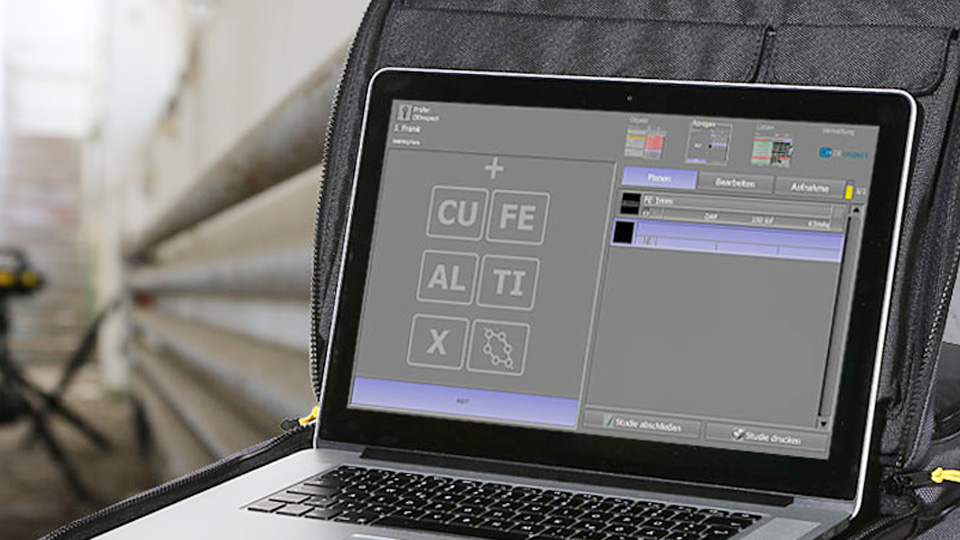
- Ultrasonic Testing: Uses high-frequency sound waves to find and locate internal flaws.
- Bend Testing: Tests the weld’s strength and ductility by applying mechanical stress.
Each method has its own strengths and weaknesses. The right choice depends on the weld’s needs and the type of defects it might have.
| Testing Method | Defects Detected | Advantages | Limitations |
|---|---|---|---|
| Visual Inspection | Surface defects | Simple, quick, and inexpensive | Cannot detect subsurface flaws |
| Dye Penetrant Testing | Surface-breaking defects | Highly sensitive to surface flaws | Requires clean, dry surfaces |
| Magnetic Particle Testing | Subsurface defects | Effective for detecting internal flaws | Limited to ferromagnetic materials |
| Radiographic Testing | Internal defects | Provides a permanent record of the weld | Requires specialized equipment and training |
| Ultrasonic Testing | Internal defects | Can detect and locate subsurface flaws | Requires a skilled operator and access to both sides of the weld |
| Bend Testing | Ductility and strength | Evaluates the mechanical properties of the weld | Destructive testing method |
Visual Inspection
Visual inspection is a key first step in checking weld quality. It’s simple yet vital. By looking closely at a weld’s appearance, I can spot problems and judge its strength. This method helps me find surface flaws, check if the weld is even, and see if it’s fully joined.
When I do a visual check, I look for a few important things:
Weld bead appearance: The weld bead should be smooth, uniform, and free of any visible discontinuities or irregularities.
Weld size and shape: The weld should match the specified dimensions and have the correct contour, with a consistent width and height.
Undercut and overlap: I check for any undercutting along the weld edges or overlapping of the weld metal, as these can compromise the weld’s strength.
Porosity and slag inclusion: I inspect the surface for any signs of gas pockets or trapped slag, which can indicate internal defects.
Cracks and fissures: Even tiny surface cracks or fissures can be a sign of more significant structural issues and must be addressed.
By carefully checking these visual signs, I get a good idea of the weld’s quality and strength. This hands-on method is a vital first step in my detailed weld evaluation.
Dye Penetrant Testing
In welding, making sure welds are good is key. Dye penetrant testing is a big help here. As a journalist, I’m eager to explain how it spots problems in welds. Dye penetrant testing, or liquid penetrant inspection, works on many materials. It uses a dye that goes into cracks or other defects. Then, a developer makes these defects show up, making them easy to find. This method is great at finding small problems.
It’s a must in welding to keep things safe and reliable. Plus, it’s cheap and doesn’t damage the material, which is why many welders use it.
But, dye penetrant testing only finds surface problems. For hidden issues, other tests like ultrasonic or radiographic testing are needed. To wrap up, dye penetrant testing is crucial in welding. It helps find surface problems, making welds safe and reliable. As welding gets more advanced, this testing will become even more important for welding pros.
Magnetic Particle Testing
Magnetic particle testing is a non-destructive method used to find defects in ferromagnetic materials. It magnetizes the object and adds magnetic particles to show flaws. These particles stick to any defects, making them easy to see.
The testing process is simple. First, the object is magnetized with electricity or a magnet. Then, magnetic particles are applied to the surface. These particles are drawn to any areas with magnetic field issues, like cracks or pores.
This method is great for finding many types of defects. It works well on welded joints, forgings, and castings. It’s also quick, affordable, and can handle different part sizes and shapes. A skilled technician follows specific steps for magnetic particle testing. They choose the right magnetic particles and control the magnetic field. They also know how to read the test results correctly.
Magnetic particle testing is a key non-destructive technique. It’s flexible, efficient, and good at finding defects in ferromagnetic materials. Its ability to spot various defects and its ease of use make it a favorite in many industries.
Radiographic Testing
Radiographic testing, also known as X-ray inspection, is a powerful way to check welds without damaging them. It uses X-rays or gamma rays to show what’s inside the weld. This helps find problems like porosity, inclusions, cracks, and lack of fusion.
This method is great because it can find hidden flaws. Unlike just looking at the surface, it can see inside the weld. This is very useful for checking the safety of important things like bridges, pipelines, and nuclear plants.
Radiographic Testing Process
The radiographic testing process includes a few steps:
- Putting the welded part in the right spot for the radiation.
- Shining high-energy radiation on the weld to make an image on film or a digital sensor.
- Looking closely at the image to find any defects or flaws.
- Deciding what to do next, like fixing the weld or keeping it as is.
This field needs a lot of training and skill. Technicians must know about radiation safety, how to read images, and quality control. This ensures they get accurate and reliable results.
| Advantages of Radiographic Testing | Limitations of Radiographic Testing |
|---|---|
| Can find internal defects Doesn’t damage the weld Checks the weld’s whole integrity Good for checking important structures | Needs special equipment and skills Can be risky because of radiation Not good for finding surface problems Can take a lot of time and money |
Radiographic testing is a key tool for checking welds. It has special abilities that help make sure important structures are safe and reliable. Knowing its good and bad points helps welding experts decide when to use it.
Ultrasonic Testing
Ultrasonic testing is a non-destructive method that uses sound waves to find flaws in welds. It gives deep insights into metal components’ strength. This makes it crucial for ensuring welding quality. The basic idea is simple. A probe sends sound waves into the material. These waves bounce back from any flaws. Technicians then use these signals to spot and measure defects, ensuring welds are safe and reliable.
This method is great because it can find hidden defects. It checks welds without damaging them. This is why it’s often used in aerospace, energy, and infrastructure. Ultrasonic testing has its downsides. It needs special tools and skilled people to get right. The test’s success also depends on the material’s surface and the weld’s shape.
| Advantages of Ultrasonic Testing | Limitations of Ultrasonic Testing |
|---|---|
| Ability to detect internal defects Non-destructive and non-invasive Suitable for critical applications Provides detailed information on defect size and location | Requires specialized equipment and trained personnel Accuracy can be affected by surface condition and geometry Not suitable for detecting surface-breaking defects Limited ability to inspect complex geometries |
Despite its challenges, ultrasonic testing is key in welding. It offers a detailed check of weld quality. Welding experts use it to make sure their work is safe and reliable.
Bend Testing
Bend testing is a key method to check if welds are strong and sound. It involves bending a weld sample to see how it holds up. This test helps find any weak spots in the weld.
There are different bend tests, each for a specific purpose. The main types are:
- Root Bend Test: This test checks if the weld can handle bending on the root side of the joint.
- Face Bend Test: It looks at how well the weld bends on the face side of the joint.
- Side Bend Test: This test sees how the weld bends when stressed from the side.
To do a bend test, the weld sample is clamped and bent until it reaches a certain angle. Then, it’s checked for cracks or other signs of damage. The test shows how ductile the weld is, which tells us about its quality.
| Bend Test Type | Purpose | Evaluation Criteria |
|---|---|---|
| Root Bend Test | Evaluates the weld’s ability to withstand bending stresses on the root side of the joint. | Checks for cracks, deformation, or other signs of failure on the root side of the weld. |
| Face Bend Test | Assesses the weld’s resistance to bending stresses on the face side of the joint. | Checks for cracks, deformation, or other signs of failure on the face side of the weld. |
| Side Bend Test | Examines the weld’s performance under bending stresses applied perpendicular to the weld face. | Checks for cracks, deformation, or other signs of failure on the side of the weld. |
Using bend testing in your weld quality program helps ensure welds are strong and reliable. It’s a key tool for making welds that can handle tough jobs.
Choosing the Right Testing Method
Choosing the right testing method is key to ensuring welded structures are safe and strong. As a professional copywriting journalist, I’ll guide you through the important factors to consider. When picking a testing method for welding, several factors matter. The material type, weld complexity, accessibility, and needed accuracy are all important. These factors help decide the best testing method.
For thin materials or hard-to-reach welds, ultrasonic or eddy current testing might be best. For checking the weld’s overall strength, bend testing could be better.
Here’s a list of key things to think about when choosing testing method:
- Material type and thickness
- Weld accessibility and complexity
- Required level of accuracy and detail
- Destructive vs. non-destructive testing
- Cost and time constraints
- Applicable industry standards and regulations
By considering these factors, you can pick the right testing method for your welding project. This ensures the highest quality and safety in your welds.
| Testing Method | Suitability for Thin Materials | Suitability for Complex Welds | Destructive or Non-Destructive |
|---|---|---|---|
| Visual Inspection | Excellent | Good | Non-Destructive |
| Dye Penetrant Testing | Good | Good | Non-Destructive |
| Magnetic Particle Testing | Good | Good | Non-Destructive |
| Radiographic Testing | Excellent | Excellent | Non-Destructive |
| Ultrasonic Testing | Excellent | Excellent | Non-Destructive |
| Bend Testing | Good | Good | Destructive |
Certification and Standards
Welding inspection and testing must follow industry-recognized programs and standards. These welding certification and welding standards are key. They guide how welds are evaluated for quality and safety. The American Welding Society (AWS) Certified Welder program is well-known. It tests and certifies welders. They must show they can make sound welds in different ways and materials.
Welders who pass the AWS exam get a credential. This shows they are skilled and reliable to employers and customers. There are also important industry standards for weld testing and inspection. The American Society of Mechanical Engineers (ASME) Boiler and Pressure Vessel Code is one. It sets rules for weld checks in boilers and pressure vessels.
The American Petroleum Institute (API) also has standards. They cover weld testing for the oil and gas sector. Following these welding certification programs and welding standards is crucial. It ensures weld quality is checked and kept high in many fields. This makes fabricators and manufacturers confident in their work’s safety and strength.
Best Practices for Weld Testing
Ensuring the quality of welded joints is key. Following best practices for weld testing is crucial for accurate results. As a professional copywriting journalist, I’ll guide you through the key steps to optimize your weld testing process.
Proper Preparation
Before starting any weld testing, clean the weld area well. Remove any surface contaminants to avoid false positive readings. Proper part alignment and fit-up are also essential for consistent results.
Standardized Procedures
Following industry-recognized testing standards is vital. Organizations like the American Welding Society (AWS) or the American Society for Testing and Materials (ASTM) provide detailed guidelines. These standards ensure a systematic and reliable approach to weld testing.
Interpreting Results
Accurate interpretation of weld testing data is crucial. Understanding the limitations and capabilities of each testing method is important. Consulting with qualified experts can help ensure correct analysis and necessary corrective actions.
Continuous Improvement
Regularly reviewing and refining the weld testing process is essential. Analyzing test data and identifying areas for improvement helps enhance the effectiveness of your weld testing program. This ensures the production of high-quality welded assemblies.
| Best Practices for Weld Testing | Benefits |
|---|---|
| Proper Preparation | Ensures accurate and reliable test results by eliminating surface contaminants and maintaining proper part alignment. |
| Standardized Procedures | Adherence to industry-recognized testing standards provides a systematic and consistent approach to weld testing. |
| Accurate Interpretation of Results | Enables informed decision-making and identification of necessary corrective actions to maintain weld quality. |
| Continuous Improvement | Regular review and refinement of the testing process leads to enhanced effectiveness and reliability of the weld testing program. |
By following these best practices for weld testing, you can ensure the quality and reliability of your welded assemblies. This contributes to the success and safety of your projects.
Conclusion
This article has covered many testing methods in welding. These methods help ensure welds are safe and of high quality. We’ve looked at everything from simple visual checks to more complex tests like radiography and ultrasonics. Knowing these what are the testing methods in welding? is key for any welder. It helps you make sure your welds are top-notch and meet all standards.
By learning these methods, you can spot and fix problems early. This keeps your welds strong and safe for a long time. The welding world is always changing. Keeping up with new what are the testing methods in welding? and techniques is vital. By using these methods in your work, you can be proud of your quality. This also helps your projects succeed and stay safe.