
Grinding out a bad weld or removing a cracked section of metal can get messy fast if you’re using the wrong method. Too much heat, uneven removal, or unnecessary damage to the base metal can turn a simple repair into a bigger problem.
That’s where understanding Types of Gouging in Welding becomes really important for clean, controlled metal removal.
In real fabrication and repair work, gouging isn’t just about cutting metal away—it’s about doing it in a way that preserves the integrity of the workpiece while preparing it for a strong reweld. Different processes behave differently depending on thickness, material type, and how much precision you need.
I’ve seen jobs saved simply because the right gouging method was chosen instead of forcing a one-size-fits-all approach.
Knowing the differences between gouging techniques helps you work faster, reduce rework, and avoid unnecessary material loss. In this guide, I’ll break down the main types of gouging in welding, how they’re used in real shop conditions, and when each method makes the most sense.
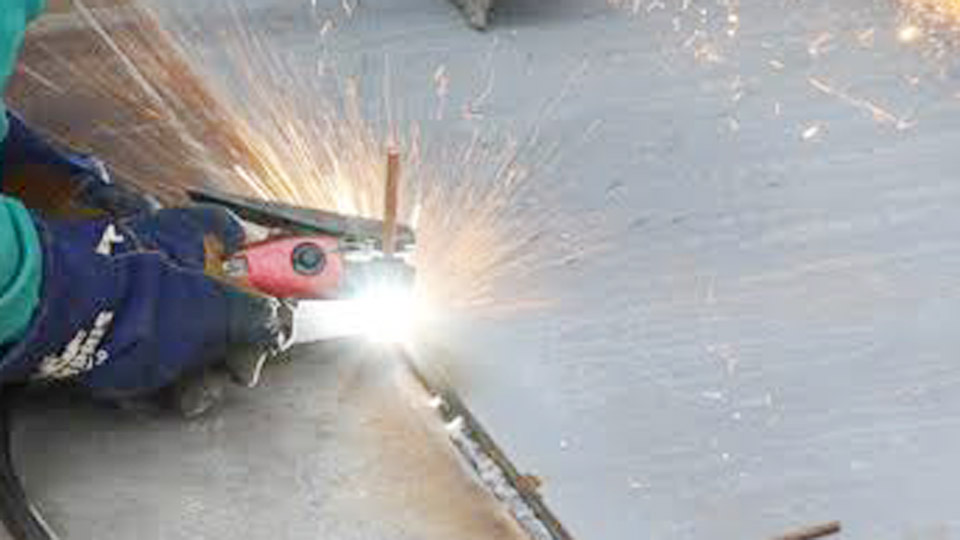
Image by fsmdirect
Why Gouging Matters More Than Most Welders Admit
In real fabrication or repair work, you can’t always grind everything perfectly. Thick plates, multi-pass welds, or castings with defects need material removed cleanly without adding too much heat that causes distortion.
Gouging lets you excavate to sound metal quickly, create proper bevels for new welds, or remove backing bars and old welds.
Poor gouging leads to inclusions, lack of fusion, or having to grind for hours. On the flip side, doing it right saves time, reduces rod burn-off on repairs, and keeps costs down.
I’ve back-gouged hundreds of feet of structural steel where skipping this step would have meant hidden cracks showing up during inspection or in service.
The main processes we’ll cover include air carbon arc gouging (the shop workhorse), plasma gouging, oxy-fuel gouging, and a few others like mechanical or MMA gouging. Each has its place depending on the material, thickness, shop setup, and job requirements.
What Is Air Carbon Arc Gouging and Why Is It So Common?
Air carbon arc gouging, often just called carbon arc or air arc gouging, is the go-to for most US welders in structural steel, ship repair, heavy equipment, and pipeline work. It uses a carbon electrode to create a hot arc that melts the metal, while compressed air blows the molten material away, leaving a groove.
How Air Carbon Arc Gouging Works in the Shop
You need a DC welding power source (usually constant current), a special gouging torch with air ports, carbon electrodes, and a good compressor delivering 80-100 psi. Strike the arc, angle the torch, and the air jet blasts the puddle out behind you. It’s loud, bright, and throws sparks everywhere—plan your workspace accordingly.
In practice, I set the machine to DC electrode positive (DCEP) for most carbons. The arc runs hot, around 35-55 volts, and amperage depends on electrode size and material thickness.
When and Why to Use Carbon Arc Gouging
Use it for back gouging welds to achieve full penetration, removing defective welds, cutting out cracks in castings, beveling thick plate edges, or taking off temporary attachments. It’s excellent on carbon steel, stainless, and many alloys because it doesn’t rely on oxidation like oxy-fuel.
I reach for it on jobs where speed matters and I have decent power and air. It’s faster than grinding for deep removals and gives good control over depth.
Practical Settings and Tips for US Machines
Common electrode diameters: 3/32″ for light work, 1/8″ or 5/32″ for general, up to 3/8″ or 1/2″ for heavy removal. For a 1/8″ carbon on mild steel, start around 150-200 amps. A 5/16″ might need 300-400+ amps on a big machine like a Miller or Lincoln 400-500 amp unit.
Keep air pressure at 80-100 psi. Torch angle around 35-45 degrees, pushing forward. Travel speed controls depth—slower for deeper grooves. Listen for that crisp hissing sound; a muffled arc means low voltage or bad settings, leading to carbon deposits.
Step-by-step for a typical back gouge:
- Clean the area of slag, paint, rust.
- Set machine to DCEP, appropriate amps.
- Turn air on first, strike arc without withdrawing too far.
- Maintain consistent angle and speed.
- After gouging, chip or grind any remaining slag or carbon.
Joint prep tip: For full pen welds on plate over 1/2″, gouge to a U or J shape for great fusion on the second side.
Common Mistakes with Carbon Arc Gouging
Beginners often use too low amperage and jab the electrode, causing sticking or uneven grooves. Pros sometimes crank amps too high on small electrodes, burning them up fast or losing control. Not enough air pressure leaves molten metal in the groove, requiring extra grinding. Overheating thin material causes distortion—use skip gouging or lower settings.
Always wear proper PPE: heavy leathers, face shield with dark lens (12-14), hearing protection, and keep bystanders away from the shower of sparks.
Plasma Gouging: Cleaner, Quieter Alternative for Precision Work
Plasma gouging uses a plasma cutter’s arc constricted through a nozzle, with gas blowing away molten metal. It’s become more popular as shops get better plasma systems like Hypertherm units common in the US.
How Plasma Gouging Works
The torch creates a plasma jet at extremely high temperatures. In gouging mode, you use a wider nozzle or specific consumables for a broader, less penetrating arc. Gas (air, nitrogen, or argon mixes) ejects the molten metal.
When to Choose Plasma Over Carbon Arc
Great for stainless, aluminum, thinner materials, or where you want less noise, fewer fumes, and minimal slag. Excellent for back gouging in shipyards, heavy equipment repair, or anywhere cleanup time matters. It produces a smoother surface, reducing grinding.
I use it more now on stainless jobs or when working indoors without great ventilation. It’s precise and doesn’t introduce carbon contamination.
Settings, Techniques, and Material Notes
Most modern inverters have a gouge mode. Amperage varies—lower than cutting, maybe 100-200 amps depending on thickness and machine. Use proper gouging consumables for a wider kerf.
Angle the torch similarly, around 30-45 degrees, and move steadily. Practice on scrap to dial in speed so you don’t blow through or leave too shallow a groove.
Pros: Cleaner, versatile on metals, less post-work. Cons: Higher initial equipment cost, slower material removal on very thick sections compared to carbon arc.
Comparison insight: On a repair job removing a bad fillet weld, plasma might leave a groove ready for welding with minimal grinding, while carbon arc gets it done faster but needs more cleanup.
Oxy-Fuel Gouging: Old-School Method for Carbon Steel
Oxy-fuel (or flame gouging) uses oxygen and fuel gas (acetylene, propylene, etc.) to preheat and then blow away oxidized metal with a high-pressure oxygen stream. It’s limited mostly to carbon steels.
How It Works and When It’s Useful
Light the preheat flames, then trigger the cutting oxygen to oxidize and eject material. It’s portable—no electricity needed beyond a basic setup—and cheap if you already have torch gear.
Use it for edge prep on plate, removing defects in mild steel, or field repairs where power/air isn’t available. Not ideal for stainless or aluminum since they don’t oxidize the same way.
Practical Tips and Safety
Tip size and pressures depend on thickness. Maintain proper standoff and travel speed. It’s slower and leaves more scale than arc methods, so expect grinding.
Common mistake: Using it on wrong materials or with contaminated gas, leading to poor results or safety issues. Always check for leaks and have fire watch.
Pros: Low cost, portable. Cons: Limited materials, more heat input (distortion risk), slower, messier slag.
Other Gouging Methods: Mechanical, MMA, and Hybrids
Mechanical gouging—grinding, chipping, milling—is precise but slow and labor-intensive. Great for finish work or where thermal methods aren’t allowed.
Manual Metal Arc (MMA) gouging uses special flux-coated electrodes on a stick welder. The coating creates gas that helps blow metal away. It’s handy if that’s all you have, but the groove isn’t as clean.
I’ve used MMA gouging electrodes on small repairs with just my welder—no extra torch or compressor needed. Settings are similar to heavy stick welding, higher amps.
Comparing Types of Gouging in Welding: Quick Decision Guide
Here’s a practical breakdown I’ve used to train guys:
- Carbon Arc: Fastest metal removal on thick steel, versatile, but noisy and spark-heavy. Best for structural and heavy fab.
- Plasma: Cleaner, better on alloys and thinner stock, less cleanup. Ideal for shops with good plasma machines.
- Oxy-Fuel: Portable, cheap for mild steel, but limited and hotter.
- Mechanical: Precise control, no heat issues, but time-consuming.
Choose based on material, thickness, available equipment, and required finish. For a typical US fab shop repairing heavy equipment, carbon arc handles 70% of the work, plasma the rest for quality.
Material-Specific Advice and Joint Preparation
On mild steel, all methods shine, but watch heat input on thin sections. Stainless needs plasma or careful carbon arc to avoid carbon pickup. Aluminum loves plasma gouging—carbon arc can contaminate it.
Always clean thoroughly before and after. For new welds after gouging, bevel to 20-30 degrees typically, ensure root face is sound, and use compatible filler (e.g., ER70S-6 for mild steel).
In repair jobs, test for cracks with dye penetrant after gouging to sound metal.
Safety Considerations Every Welder Must Nail
Gouging throws molten metal far—use screens, leathers, and keep the area clear. Fumes are heavy with carbon arc, so ventilation or respirators matter. Eye protection is non-negotiable; arcs are intense. Compressed air and high amps bring electrical and pressure hazards—inspect hoses and cables.
I’ve seen burns and fires from skipped precautions. Treat every gouge like a hot job.
Step-by-Step Gouging for Common Repair Scenarios
For removing a cracked weld in structural tube:
- Assess and mark the area.
- Gouge with carbon arc or plasma along the weld.
- Grind clean to bright metal.
- Inspect, then reweld with proper procedure.
For plate edge prep on 1″ thick steel: Carbon arc with 5/16″ electrode at 350 amps, steady push, then light grind.
Practice these on scrap until the groove is smooth and even.
Common Beginner and Pro Pitfalls (And How to Avoid Them)
- Too much pressure on the electrode: Increases consumption and loses control. Let the arc do the work.
- Wrong polarity or insufficient amps: Leads to sticking and poor results.
- Ignoring air flow: Slag inclusions galore.
- No post-gouge cleanup: Weld defects waiting to happen.
- Over-gouging thin material: Warpage and burn-through.
Pros sometimes get complacent with PPE or skip testing the groove. Stay sharp.
Real Fabrication Examples from the Shop Floor
On a trailer frame repair, carbon arc let me remove old rusted welds quickly without disassembling everything. For stainless tank work, switching to plasma saved hours of grinding and improved the final weld appearance.
In pipeline or pressure vessel work, proper back gouging is often code-required for x-ray quality joints.
Building Your Gouging Skills Over Time
Start with carbon arc on mild steel scrap. Experiment with electrode sizes and angles. Get comfortable with plasma for versatility. Track what works on your machines—every power source behaves a bit differently.
Taking Your Welding to the Next Level
After years of doing this, the biggest lesson is that gouging is as much art as science. Understanding the types of gouging in welding, matching them to the job, and paying attention to settings turns frustrating repairs into straightforward ones.
You’re now equipped with practical knowledge on processes, amperages, electrode choices, material handling, and avoiding the mistakes that waste time and money.
Always gouge a little wider and deeper than you think you need, then grind back to perfect. It ensures you hit sound metal every time and gives the new weld the best chance to fuse perfectly. Keep your torch steady, air flowing, and eyes open—your welds will show it.
FAQ: Answering Real Welding Questions on Gouging
How do I choose amperage for carbon arc gouging on different electrode sizes?
Match to manufacturer recommendations, but generally 150-250A for 1/8″, scaling up to 400A+ for larger. Test on scrap—too low causes sticking, too high burns electrodes fast. Use DCEP and good air pressure.
Is plasma gouging better than carbon arc for stainless steel?
Yes, in most cases. Plasma is cleaner, avoids carbon contamination, produces less slag, and is quieter. Carbon arc works but requires thorough cleaning afterward.
What safety gear is essential for air carbon arc gouging?
Heavy-duty welding leathers, high-shade helmet (12+), ear plugs or muffs, steel-toe boots, gloves, and good ventilation. Sparks fly far—protect everything around you.
Can I gouge aluminum effectively, and with what method?
Plasma gouging is preferred. Carbon arc can work but risks contamination. Clean thoroughly before and after, and use appropriate gas.
How much cleanup is needed after gouging before rewelding?
Depends on method. Plasma often needs minimal grinding. Carbon arc usually requires chipping slag and light grinding to bright metal. Never weld over residue.


