
The metal pipe in front of me refused to cooperate—my MIG torch in hand, sparks flying everywhere, and yet the joint just wouldn’t line up the way I wanted. That’s when it hit me: sometimes, welding isn’t the answer, and threading might be the smarter move.
Understanding the difference between welding vs threading isn’t just a debate for the classroom—it can save you hours in the shop, prevent leaks, and keep your projects strong and safe.
I’ll walk you through real-world scenarios, show when each method works best, and share tips I’ve learned the hard way to make your joints durable and reliable.
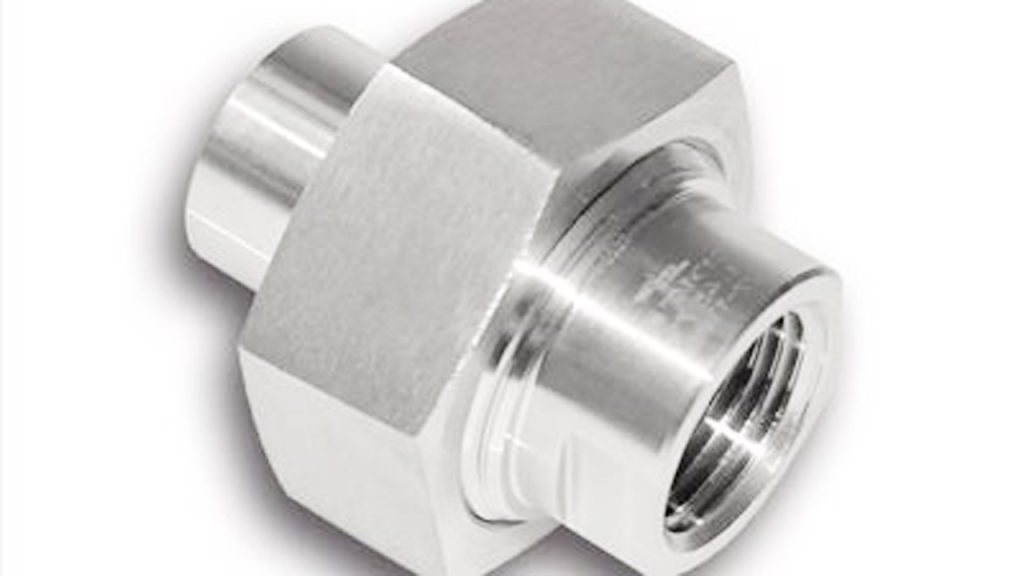
Image by schwer
Understanding Welding
Welding is a process where two or more pieces of metal are joined together by melting the parts and letting them fuse as they cool. This creates a strong, often permanent bond.
How Welding Works
In most welding methods, a filler material is used to help join the parts. The main goal is to create a bond that is as strong as the original materials. There are many types of welding, but the most common are:
- Arc welding – Uses electricity to create heat.
- MIG (Metal Inert Gas) welding – Uses a wire fed through a gun and a shielding gas.
- TIG (Tungsten Inert Gas) welding – Uses a tungsten electrode and separate filler.
- Stick welding – Uses a coated electrode.
Each type has unique features, but all involve intense heat and sometimes sparks or fumes.
Where Welding Is Used
You will find welding in many industries:
- Construction – Building bridges, buildings, and towers.
- Automotive – Joining car frames and repairing exhausts.
- Shipbuilding – Sealing hulls and decks.
- Oil & Gas – Assembling pipelines.
- Art and Sculpture – Creating metal artwork.
Welding is chosen when a strong, often permanent, and leak-proof joint is needed.
Benefits Of Welding
- High joint strength – Welded joints can be as strong as the base metal.
- No need for extra parts – No nuts, bolts, or gaskets required.
- Leak-proof – Good for gas and liquid systems.
- Smooth finish – Joints can be ground and polished.
Limitations Of Welding
- Requires skilled workers – Poor welding can create weak joints.
- Heat can damage metal – Warping and stress can occur.
- Permanent – Difficult to separate after welding.
- Safety risks – Burns, fumes, and eye damage possible.
Practical tip: Always check the metal type before welding. Some metals, like aluminum, require special skills and equipment.
Understanding Threading
Threading is a method of joining parts using a helical groove (thread) cut into the surface of a material. Parts with external threads (like bolts or pipe ends) are screwed into parts with internal threads (like nuts or pipe couplings).
How Threading Works
Threading does not melt the metal. Instead, it creates interlocking shapes that hold parts together. The main types of threading are:
- Machine screw threads – For bolts, nuts, and fasteners.
- Pipe threads – For plumbing and gas systems.
- Tapping threads – Making threads inside drilled holes.
Threaded joints can be easily assembled and disassembled with the right tools.
Where Threading Is Used
Threading is used everywhere you see screws, bolts, or pipes:
- Plumbing – Joining pipes in homes and factories.
- Mechanical engineering – Fastening machine parts.
- Aerospace – Assembling airplane parts.
- Electronics – Mounting components.
Threading is ideal when you need to take things apart for repair or maintenance.
Benefits Of Threading
- Easy to assemble/disassemble – Great for parts that need regular maintenance.
- No heat needed – No risk of heat damage to parts.
- Standardized sizes – Replacement parts are easy to find.
- Low skill requirement – Most people can use a wrench or screwdriver.
Limitations Of Threading
- Lower strength – Not as strong as a welded joint.
- Potential for leaks – Needs sealants or tapes for gas/liquid systems.
- May loosen over time – Vibration can cause threaded joints to fail.
- Extra parts required – Nuts, bolts, washers, or couplings needed.
Non-obvious insight: Threaded joints can be reused many times, but over-tightening can strip the threads and ruin the connection.
Direct Comparison: Welding Vs Threading
To help you see the differences clearly, look at this side-by-side comparison:
| Feature | Welding | Threading |
|---|---|---|
| Strength | Very high | Moderate |
| Ease of assembly | Harder, needs skill | Easy, needs tools only |
| Disassembly | Usually not possible | Easy |
| Best for | Permanently joined parts | Parts needing maintenance |
| Leak resistance | Excellent | Needs sealing |
| Typical cost | Higher (labor, equipment) | Lower (simple tools) |
Key Factors When Choosing Welding Or Threading
Choosing between welding and threading is not just about cost. Think about the following:
1. Joint Strength Needed
If your project needs the highest possible strength—like in bridges or pressure vessels—welding is often the better choice. Threaded joints are strong but usually cannot match a well-made weld.
2. Need For Disassembly
Do you need to take the joint apart for cleaning, repair, or upgrades? If yes, threading is more practical. Welded joints are usually cut or ground off if you want to separate the parts.
3. Risk Of Leaks
For gas or liquid systems, welding gives a more leak-proof seal. Threaded joints can leak if not sealed with tape or compound, and can loosen over time.
4. Type Of Material
Some materials are hard to weld, like certain stainless steels or aluminum alloys. Threading may be easier for these.
5. Environment And Vibration
If the joint will face a lot of vibration (like in engines), threads can loosen unless you use locking systems. Welds are less likely to fail from vibration.
6. Skill And Equipment
Welding needs special machines and trained workers. Threading usually requires only hand tools and simple machines.
7. Cost And Speed
Welding can be expensive and slow, especially for small jobs. Threading is often quicker and cheaper for simple connections.
Non-obvious insight: For very large pipes or structures, both methods might be combined. Welded main joints with threaded inspection ports are common.
Real-world Examples
To make things clearer, here are real situations and which method is usually chosen.
Oil Pipeline Construction
Welding is almost always used. Pipelines carry high-pressure oil or gas, and leaks are dangerous. Welded joints are stronger and less likely to leak than threaded ones.
Home Water Pipes
Both methods are used. Threaded pipes are common in small systems, especially for repairs and connections to valves or pumps. Welded (or soldered) joints are used for larger, permanent sections.
Automotive Assembly
Welding is used for car frames, as strength is critical. Threaded fasteners are used for parts that need to be removed—like wheels, engine covers, or suspension parts.
High-pressure Steam Systems
Welding is preferred for safety and strength. Threaded joints are avoided because heat and pressure can cause threads to fail or leak.
Temporary Structures
Threaded joints are used for scaffolding, temporary supports, or frames. These are easy to assemble and disassemble.
Cost Comparison
Costs can vary widely, but here is a basic idea:
| Scenario | Welding (USD) | Threading (USD) |
|---|---|---|
| Joining two 2-inch steel pipes | $30-50 (labor and equipment) | $10-15 (pipe and fittings) |
| Labor per hour | $60-100 (skilled welder) | $25-40 (mechanic/assembler) |
| Equipment cost | $500-2000 (welding machine) | $100-300 (threading set) |
Important: While threading looks cheaper, the real cost depends on the project size, skill needed, and repair costs over time.

Credit: www.spazioinsitu.it
Common Mistakes To Avoid
Many beginners make errors that lead to weak joints or costly repairs. Here are common mistakes:
- Ignoring joint design – Not all joints are suitable for welding or threading. For example, thin pipes can warp during welding.
- Over-tightening threads – This strips the threads and makes joints weak.
- Skipping cleaning – Dirty surfaces lead to poor welds or weak threads.
- Wrong thread type – Using the wrong pitch or size can cause leaks or failure.
- Not using sealant – For threaded joints in plumbing, always use Teflon tape or pipe compound.
- Improper welding technique – Bad welds can look good on the surface but fail under stress.
Tip: Always check manufacturer recommendations for joining methods, especially for pressure systems or critical parts.
Safety Considerations
Both methods have their safety risks.
Welding Risks
- Burns – From hot metal and sparks.
- Eye injury – From bright arc light.
- Toxic fumes – From heated metals and coatings.
- Fire – Welding can ignite flammable materials.
Threading Risks
- Cuts – From sharp threads or tools.
- Pinching – From wrenches slipping.
- Muscle strain – From heavy manual tightening.
Best practice: Always wear safety gear—gloves, eye protection, and proper clothing. For welding, use a helmet with the right filter and make sure your workspace is ventilated.

Credit: www.youtube.com
Industry Standards And Codes
Both welding and threading are controlled by strict standards in many industries. This ensures safety and quality.
- Welding standards: AWS (American Welding Society), ASME (for boilers and pressure vessels), ISO standards.
- Threading standards: ASME B1.1 (Unified Inch Screw Threads), ISO metric threads, BSP (British Standard Pipe) for plumbing.
Why does this matter? Using the wrong thread or weld type can void warranties and create legal or insurance problems if there is a failure.
Inspection And Testing
After making a welded or threaded joint, it should be checked for quality.
Welding Inspections
- Visual checks – Look for cracks, holes, or uneven welds.
- X-ray or ultrasonic testing – For hidden cracks.
- Pressure testing – For pipelines.
Threaded Joint Inspections
- Leak tests – Using air or water.
- Torque checks – Ensuring proper tightness.
- Visual checks – Looking for stripped or damaged threads.
Pro tip: Never skip inspection. Many failures happen because hidden defects are missed.
Environmental Impact
Both welding and threading have effects on the environment, but in different ways.
Welding
- Uses electricity and sometimes produces fumes.
- Can create waste if mistakes are made.
- Welded joints are usually long-lasting, so less waste over time.
Threading
- Uses oil or lubricants when cutting threads.
- Threaded joints may need to be replaced more often, creating more waste.
- Less energy is used compared to welding.
Green tip: Choose the method that gives the longest life with the least repairs to reduce environmental impact.
Advances And Future Trends
Technology is always improving both welding and threading.
- Robotic welding – Faster, more precise welds.
- Advanced thread coatings – Better corrosion resistance.
- Hybrid methods – Using both welding and threading for best results.
One new trend is using sensors to monitor joint health. For example, smart bolts can measure tightness and alert workers if a joint loosens.
When To Use Both Methods
Sometimes, the best answer is not one or the other, but both together. For example:
- Welded frame with threaded access ports – Strong main structure, easy maintenance.
- Threaded connections with tack welds – For extra safety in high-vibration areas.
- Temporary welds to hold parts for threading – Useful in complex assemblies.
Non-obvious insight: In critical systems, a welded main joint with a threaded backup connection is sometimes used to double safety.
Frequently Asked Questions
What Is Stronger: Welding Or Threading?
Welding usually gives a stronger joint, especially for metals of the same type. A good weld can be as strong as the base metal. Threaded joints are strong but can be weaker, especially if over-tightened or used in vibration.
Can You Weld And Thread The Same Joint?
Yes, in some cases both are used together. For example, a threaded pipe might be welded after assembly for extra strength or leak resistance.
Which Is Cheaper: Welding Or Threading?
For small jobs, threading is often cheaper because it uses simple tools and less labor. For large, permanent structures, welding may be more cost-effective because it gives higher strength and fewer leaks.
Is Threading Suitable For High-pressure Systems?
Threading can be used for moderate pressures, but for high-pressure systems (like steam or gas), welding is preferred for safety and leak resistance.
How Do I Know Which Method To Use?
Consider these points:
- Do you need to take it apart later? Use threading.
- Need maximum strength and leak-proof joints? Use welding.
- Are you working with materials that are hard to weld? Threading may be better.
- Check industry codes for your project.
Final Thoughts
Choosing between welding and threading is not just about picking a joining method; it is about making your project safe, reliable, and practical. Each method has its place in the world of metalwork and construction.
Welding gives unmatched strength and leak resistance, while threading offers flexibility and easy maintenance. The smartest engineers and builders look at all the factors—strength, cost, safety, materials, and future needs—before deciding.
Never rush your decision. Take time to think about the specific requirements of your project. Talk to experts, check industry standards, and always inspect your work for safety. With the knowledge you now have, you are ready to make a confident, informed choice for your next metal joining challenge.


