
I’ve seen beginners crank up the heat thinking hotter always means stronger—only to lift pads off a circuit board or weaken a thin copper joint. That’s when you realize soldering isn’t one-size-fits-all.
Understanding What Are the 4 Types of Soldering can save you from overheated parts, weak joints, and costly rework, whether you’re fixing electronics or sealing small copper lines.
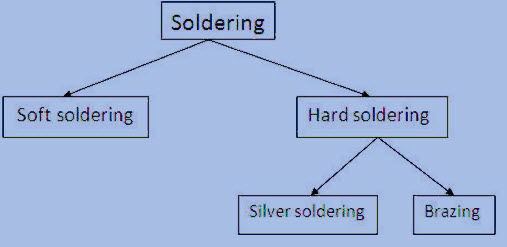
Each type serves a different purpose. Soft soldering is common for electronics and light plumbing. Hard soldering uses higher temperatures for stronger mechanical joints. Silver soldering gives you even more strength and better flow on certain metals.
And brazing—often grouped with soldering—operates at the highest temperatures, delivering strong, pressure-resistant connections.
I’ll break down how each method works, where it’s best used, and the practical heat-control tips that make the difference between a clean, reliable joint and one that fails under stress.
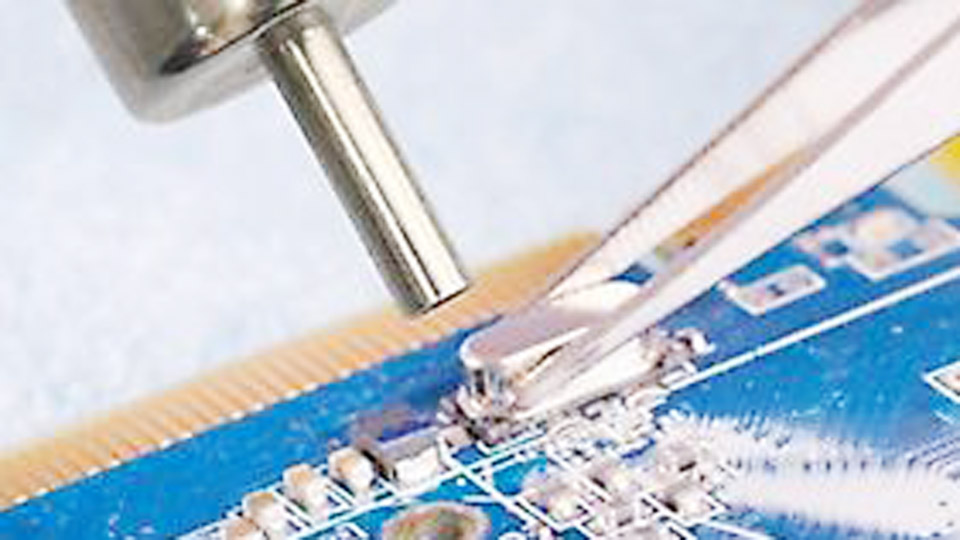
Image fruugo
What Is Soldering? The Foundation
At its core, soldering is the process of joining two or more metal items by melting a filler metal (called solder) into the joint. The filler metal has a lower melting point than the pieces being joined. When the solder cools, it creates a strong bond, both mechanical and (sometimes) electrical.
While the basic idea is simple, the details matter. The type of solder, the amount of heat, and even the atmosphere (air, vacuum, or inert gas) can change the results.
Soldering is different from welding (which melts the base metals) and brazing (which uses higher temperatures than soldering but does not melt the base metals).
The 4 Main Types Of Soldering
Each type of soldering has its own strengths and weaknesses. Here are the four main types:
- Soft Soldering
- Hard Soldering (Silver Soldering)
- Brazing
- Wave Soldering
Let’s look at each type in detail.
Credit: www.elprocus.com
Soft Soldering
Soft soldering is the most common and accessible type. It’s used everywhere from electronics to plumbing, and it’s the first soldering technique most people learn.
How Soft Soldering Works
Soft soldering uses a filler metal (solder) that melts at a relatively low temperature—typically below 400°C (752°F). The most popular soft solders are made from a combination of tin and lead (such as 60/40, meaning 60% tin and 40% lead), though lead-free solders (like tin-silver or tin-copper) are now common due to health and environmental concerns.
A handheld soldering iron is the primary tool, heating the joint and the solder until the solder flows into the gap by capillary action. As the joint cools, the solder solidifies, making the connection.
Where Soft Soldering Is Used
- Electronics: Connecting wires, components, and circuit boards.
- Plumbing: Sealing copper pipes (though some countries now use brazing for water pipes).
- Jewelry: Fixing small, delicate parts.
- Small Metalwork: Model building and crafts.
Key Advantages
- Low temperature: Reduces risk of damaging components.
- Simple tools: Soldering irons are cheap and widely available.
- Quick and clean: Joints form fast and can be reworked easily.
Limitations
- Weak joints: Not suitable for structural or high-stress parts.
- Temperature sensitivity: Joints can fail if exposed to high heat.
- Lead hazards: Lead-based solders are toxic; always use good ventilation or choose lead-free.
Non-obvious Insights
Many beginners believe soft soldering is only for electronics. In reality, soft soldering is also used in stained glass work, jewelry repair, and even some automotive tasks.
Another overlooked detail: flux is essential. Flux cleans the metal surfaces, helping solder flow smoothly and preventing oxidation. Skipping flux or using the wrong type can lead to weak, unreliable joints.
Example
When you open a TV remote or a computer mouse, you’ll see small, shiny bumps where wires or legs of chips meet a green circuit board. These are classic soft soldered joints.
Common Mistakes
- Using too much solder, creating “blobs” that bridge connections.
- Not heating the joint enough, causing “cold” or brittle joints.
- Forgetting to clean the tip of the soldering iron, which makes the process harder.
Hard Soldering (silver Soldering)
Hard soldering—often called silver soldering—uses higher temperatures and stronger filler metals. It’s a step up from soft soldering and is common in jewelry, HVAC, and metalwork.
How Hard Soldering Works
Hard soldering uses alloys that melt between 600°C and 900°C (1112°F to 1652°F). Silver is a common ingredient, mixed with copper, zinc, or other metals to adjust melting point and flow characteristics.
A blowtorch or gas torch supplies the heat, and the joint is often prepared with a special flux to prevent oxidation. The process is similar to soft soldering but needs more care to avoid overheating the parts.
Where Hard Soldering Is Used
- Jewelry: Making strong, invisible joints in gold, silver, and other metals.
- HVAC Systems: Joining copper pipes for air conditioning and refrigeration.
- Bicycles and Metal Frames: Assembling steel or brass parts.
- Musical Instruments: Repairing brass and wind instruments.
Key Advantages
- Stronger joints: Suitable for moderate mechanical stress.
- Invisible repairs: The joint is often as strong and smooth as the original metal.
- Works with many metals: Gold, silver, brass, copper, and steel.
Limitations
- Requires more skill: Overheating can damage parts.
- More expensive: Silver solder and torches cost more than soft solder and irons.
- Not for electronics: Too much heat for most electronic components.
Non-obvious Insights
One common myth is that “silver solder” always contains a lot of silver. In reality, even a small percentage of silver (like 2–5%) can make a big difference in flow and strength. Also, the color of the joint can be matched to the parent metal by selecting the right solder alloy—important in fine jewelry.
Beginners often skip the fit of the joint, thinking solder will fill large gaps. In hard soldering, tight joints (less than 0.05 mm) are vital for strength.
Example
If you’ve ever seen a gold ring resized, the jeweler likely used hard soldering. They cut the band, add or remove metal, then use a torch and silver solder to create a new, seamless joint.
Common Mistakes
- Overheating and melting the base metal.
- Using too little flux, causing the joint to oxidize.
- Choosing the wrong solder alloy, which can make the joint visible or brittle.

Credit: www.pcbasic.com
Brazing
Brazing is similar to hard soldering but uses even higher temperatures and different filler materials. Brazing creates joints that are nearly as strong as welding, making it popular for heavy-duty applications.
How Brazing Works
Brazing uses a filler metal (often brass or copper-based) with a melting point above 450°C (842°F) but below the melting point of the base metals. The process requires high, even heat—often from a large oxy-acetylene torch or a furnace. The filler metal is drawn into the joint by capillary action.
Flux is essential to prevent oxidation, and the parts must fit closely for the strongest joint.
Where Brazing Is Used
- Automotive: Joining steel or copper parts, radiators, and air conditioning lines.
- Plumbing: Sealing copper pipes (especially for gas or high-pressure lines).
- Metalwork: Assembling frames, gates, and tools.
- Aerospace: Joining heat-resistant or dissimilar metals.
Key Advantages
- Very strong joints: Suitable for high-stress and load-bearing applications.
- Works on large parts: Ideal for thick or big metal pieces.
- Can join dissimilar metals: Steel to copper, or stainless to carbon steel.
Limitations
- High temperatures: May warp or damage delicate parts.
- Specialized tools needed: Not practical for small home projects.
- Requires skill: Proper joint fit and heat control are critical.
Non-obvious Insights
Many people confuse brazing and welding. Unlike welding, brazing does not melt the base metals—only the filler flows. This makes brazing safer for joining thin or dissimilar metals, which might crack or distort if welded.
Another overlooked point: brazed joints are often stronger than the base metal if the fit is tight and the process is done correctly.
Example
In bicycle frame construction, especially for high-end steel bikes, brazing is often chosen over welding. The result is a strong, lightweight frame with smooth joints.
Common Mistakes
- Gaps that are too large, which weaken the joint.
- Uneven heating, leading to incomplete flow of the filler.
- Not cleaning the base metals thoroughly, causing poor bonding.
Wave Soldering
Wave soldering is a specialized technique used mainly in electronics manufacturing. It’s designed for creating many solder joints at once—fast, consistent, and suitable for mass production.
How Wave Soldering Works
Wave soldering uses a large bath of molten solder. A conveyor moves printed circuit boards (PCBs) over the bath, where a “wave” of solder splashes up and contacts the exposed metal pads and component leads. The solder forms quick, reliable joints as the board passes through.
The process usually includes preheating, fluxing, soldering, and cooling. It’s highly automated and controlled for precision.
Where Wave Soldering Is Used
- Electronics factories: Assembling computers, phones, TVs, and other devices with through-hole components.
- Mass production: Any application needing hundreds or thousands of identical soldered joints.
Key Advantages
- Speed: Solder hundreds of joints per minute.
- Consistency: Each joint is nearly identical.
- Cost-effective: Saves labor and reduces errors in large runs.
Limitations
- Not for small batches: Setup is expensive and complex.
- Limited to through-hole parts: Not suitable for most surface-mount technology (SMT).
- Difficult to rework: Fixing mistakes requires manual soldering.
Non-obvious Insights
Many people think wave soldering is “hands-off,” but manual inspection and quality control are still needed. Tiny issues like solder bridges or cold joints can slip through if not checked. Also, wave soldering is being replaced by reflow soldering for SMT, but it remains vital for certain applications.
Example
If you own a desktop computer, the main motherboard was likely wave soldered. All those rows of connectors and chips would be almost impossible to solder by hand at scale.
Common Mistakes
- Incorrect preheating, which can warp boards.
- Poor flux application, causing unsoldered joints.
- Solder wave too high or low, missing connections.
Comparing The 4 Types Of Soldering
It’s often hard to choose the right soldering method if you don’t see how they compare directly. The table below summarizes the main features of each type:
| Type | Typical Temperature | Main Tools | Common Uses | Joint Strength |
|---|---|---|---|---|
| Soft Soldering | Below 400°C | Soldering iron | Electronics, jewelry, plumbing | Low |
| Hard Soldering | 600–900°C | Torch | Jewelry, metalwork, HVAC | Medium |
| Brazing | Above 450°C | Oxy-acetylene torch, furnace | Automotive, heavy metalwork | High |
| Wave Soldering | 250–270°C (solder bath) | Wave soldering machine | Electronics manufacturing | Low to medium |
Choosing The Right Soldering Type
Not sure which soldering method to use? Consider these factors:
| Project Type | Recommended Soldering | Why |
|---|---|---|
| DIY Electronics | Soft Soldering | Low heat, simple tools, safe for components |
| Jewelry Making | Hard Soldering | Strong, invisible joints for precious metals |
| Pipe Fittings | Brazing or Hard Soldering | Withstands pressure and temperature changes |
| Mass Electronics Production | Wave Soldering | Speed and consistency for large batches |
Credit: www.slideshare.net
Safety And Environmental Considerations
Soldering isn’t just about joining metals—it can have health and safety impacts too. Here’s what to keep in mind:
- Fumes: Soldering releases fumes, especially if using flux or lead-based solder. Always use good ventilation.
- Lead: Lead is toxic. Choose lead-free solder whenever possible, and wash hands after handling.
- Heat: All soldering methods use high temperatures. Wear safety glasses and avoid loose clothing.
- Flux: Some fluxes are acidic and can irritate skin or eyes. Clean up spills promptly.
If you want more on soldering safety, consider reading the guidelines from OSHA.
Practical Tips For Better Soldering
Whether you’re using a soldering iron or a wave machine, a few practical tips can make your results more reliable:
- Clean surfaces: Dirt, oil, or oxidation will ruin joints. Use a file, sandpaper, or cleaning brush.
- Correct temperature: Too hot can burn components; too cold leads to weak joints.
- Use the right solder: Match the solder alloy to your metals and application.
- Practice: Good soldering is a skill—practice on scrap before working on important projects.
Wrapping Up
Soldering is a blend of science and craft. By understanding the four main types—soft soldering, hard soldering, brazing, and wave soldering—you can pick the right method for any project, avoid common mistakes, and create strong, lasting connections.
Whether you’re a hobbyist, an engineer, or a jeweler, mastering these techniques opens up a world of creative and practical possibilities.
Frequently Asked Questions
What Is The Difference Between Soldering And Welding?
Soldering uses a lower-temperature filler metal that melts below the base metals’ melting point. The base metals do not melt. Welding melts the base metals themselves, creating a very strong, fused joint. Soldering is better for electronics and delicate parts; welding is for structural metalwork.
Is Lead-free Solder As Good As Leaded Solder?
Lead-free solder is safer for health and the environment, but it typically melts at a higher temperature and can be harder to work with. Many electronics manufacturers now use lead-free solder. With practice and the right tools, you can get results as strong as with leaded solder.
Can I Use A Soldering Iron For All Types Of Soldering?
No. A soldering iron is only suitable for soft soldering (like electronics or small crafts). Hard soldering and brazing require much higher temperatures, usually supplied by a torch or furnace. Using the wrong tool can damage your project or be unsafe.
Why Is Flux Important In Soldering?
Flux cleans metal surfaces and prevents oxidation during heating. This helps the solder flow smoothly and bond well. Skipping flux can cause weak joints, poor electrical connections, and even total failure of the soldered part.
What’s The Main Reason Soldered Joints Fail?
The most common causes of solder joint failure are poor cleaning, wrong temperature, and not enough flux. Mechanical stress, vibration, and exposure to moisture can also cause joints to break over time. Careful technique and proper materials are the best prevention.


