Copper pipe looks easy—until you overheat the joint, burn the flux, and watch the filler bead up instead of flowing into the fitting. I’ve seen solid plumbing jobs fail weeks later because the braze never fully penetrated the joint.
That’s why knowing How to Braze Copper Pipe properly isn’t just about melting filler metal—it’s about controlling heat, preparation, and timing so the joint seals tight and stays leak-free under pressure.
Brazing works differently than welding. You’re not melting the base copper. Instead, you heat the pipe and fitting evenly, then draw a higher-temperature filler alloy into the joint by capillary action.
When done right, it creates a strong, pressure-resistant bond that’s ideal for HVAC lines, refrigeration systems, and high-stress plumbing where standard soldering just isn’t enough.
I’ll walk you through surface prep, torch control, filler selection, and the small heat-control tricks that prevent oxidation and weak spots. By the end, you’ll know exactly how to braze copper pipe cleanly, safely, and with confidence in your workshop or on-site.
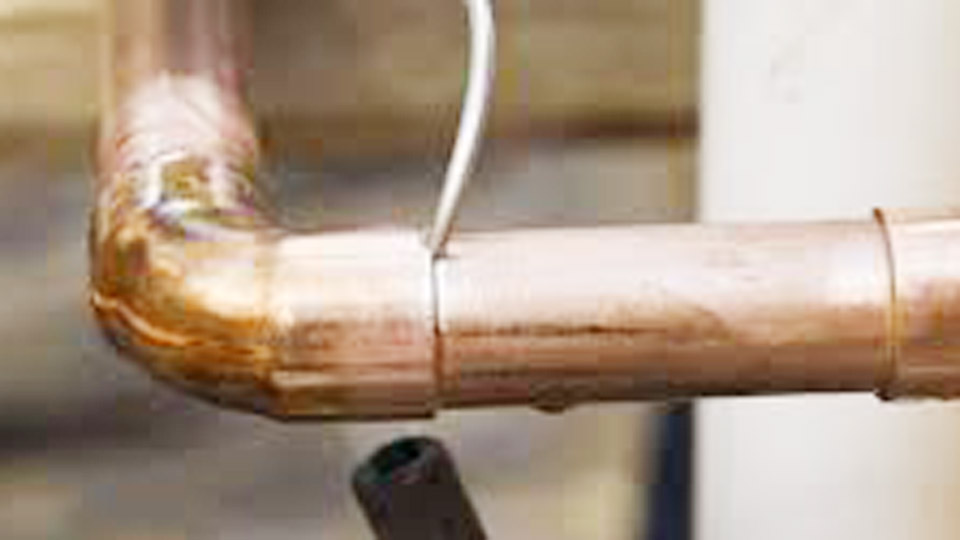
Image by manomano
What Is Brazing and Why Choose It Over Soldering for Copper Pipes?
Brazing is that sweet spot between soldering and full-on welding. It joins metals by heating them to a point where a filler rod melts and flows into the joint via capillary action, without melting the base metals themselves.
For copper pipe, we’re talking temperatures around 1,100 to 1,500 degrees Fahrenheit, depending on your rod. The filler bonds at a molecular level, creating a seal that’s tougher than solder but doesn’t require the intense heat or equipment of fusion welding like TIG.
How does it work? Heat draws the molten filler into the tiny gap between the pipe and fitting, filling it completely for a leak-proof bond. It’s all about that capillary pull—think of it like water wicking up a paper towel.
When to use it? Brazing shines in situations where joints need to withstand vibration, thermal expansion, or high psi, like in HVAC refrigerant lines or hot water systems.
Why not just solder? Soldering melts at lower temps (around 400-800°F), which is fine for cold water lines, but it can fail under heat or pressure.
I’ve seen soldered joints pop in boiler rooms, leading to floods that cost thousands. Brazing avoids that, plus it’s code-compliant for many US applications, like medical gas or fire sprinklers.
In my shop, I opt for brazing on copper when durability matters. For a recent repair on an old AC unit, soldering might have held for a season, but brazing ensured no leaks through summer heat cycles.
Pros: Stronger joints, better for dissimilar metals (like copper to brass), and no need for as much cleanup if you use self-fluxing rods.
Cons: Higher heat means more risk of distortion or burning through thin pipe if you’re not careful. Shop tip: Always match your method to the job—brazing for high-stakes, soldering for low-pressure basics.
| Brazing vs. Soldering for Copper Pipe | Brazing | Soldering |
|---|---|---|
| Temperature Range | 1,100-1,500°F | 400-800°F |
| Joint Strength (Typical Shear PSI) | 25,000+ | 5,000 |
| Best For | HVAC, hot water, high-pressure | Cold water, low-vibration |
| Filler Material | Silver-phosphorus rods | Tin-lead or lead-free alloys |
| Heat Source | Oxy-acetylene or air-acetylene torch | Propane torch or iron |
| Common Issues | Overheating base metal | Joint failure under heat |
Gathering the Right Tools and Materials for Brazing Copper Pipe
Before you strike that torch, let’s talk gear. Skimping here is like showing up to a job site without your tape measure—you’ll regret it. Over the years, I’ve built a kit that handles everything from 1/4-inch lines to 2-inch mains, and it’s all about reliability.
Essential Tools
Start with a good torch setup. I swear by an air-acetylene torch for most copper work—it’s portable, hits the right temps, and doesn’t require oxygen tanks unless you’re going oxy-acetylene for bigger jobs.
Get swirl tips for even flame distribution; a #3 or #4 works for 1/2- to 1-inch pipe. You’ll need a striker for lighting, not a lighter—safety first. Pipe cutters beat hacksaws for square cuts; I use a rigid tubing cutter to avoid crimps.
Deburring tool? Non-negotiable—burrs inside the pipe can clog systems. Cleaning: Stainless wire brush for insides, emery cloth or Scotch-Brite for outsides. Gloves (leather, not rubber—they melt), safety glasses, and a fire extinguisher nearby. For support, a simple jig or vise holds everything steady.
In one shop mishap early on, I skipped the deburring tool and ended up with a restricted refrigerant line that took hours to diagnose. Lesson learned: Invest in quality tools upfront.
Choosing the Best Brazing Rods and Flux
Rods are your filler metal—pick based on the job. For copper-to-copper, go phosphorus-bearing like Stay-Silv 5 or 15 (5-15% silver); they’re self-fluxing, meaning no extra flux needed, and melt around 1,300°F. Higher silver (45-56%) for copper to brass or steel—stronger but pricier.
Diameter: 1/16-inch for small pipes, 1/8-inch for larger. Flux? White paste like Stay-Silv for non-self-fluxing setups; it absorbs oxides and promotes flow. Avoid overapplying—residue can corrode lines.
Why these? Self-fluxing rods simplify things in tight spots, and phosphorus helps deoxidize. Common mistake: Using brass rods without flux—they melt too close to copper’s point, risking holes.
Shop anecdote: On a custom exhaust fab, wrong rod choice led to brittle joints that cracked under vibration. Switched to 15% silver, problem solved.
| Brazing Rod Options for Copper Pipe | Type | Silver Content | Melting Temp | Best Use | Pros | Cons |
|---|---|---|---|---|---|---|
| Stay-Silv 5 | Phos-Copper | 5% | ~1,300°F | Copper-to-Copper | Self-fluxing, affordable | Lower strength |
| Stay-Silv 15 | Phos-Copper | 15% | ~1,200°F | HVAC lines | Strong, good flow | More expensive |
| Safety-Silv 45 | High-Silver | 45% | ~1,145°F | Copper to Brass/Steel | High tensile, versatile | Requires flux, costly |
| Dynaflow | Phos-Copper | Variable | ~1,300°F | General plumbing | Easy to use | Not for ferrous metals |
Preparing Your Copper Pipes: The Key to a Strong Joint
Prep work is 80% of the battle. Dirty surfaces mean weak bonds, leaks, and headaches. I’ve pulled apart failed joints that looked fine but failed because of skipped cleaning.
Cutting and Deburring
Cut square—use a tube cutter, score and rotate for clean edges. Hacksaw if needed, but fixture it for straightness. Ream inside with a deburring tool, tilt down so burrs fall out. For out-of-round pipe, resize with a tool. Why? Burrs restrict flow, especially in HVAC where debris clogs valves.
Tip: Measure twice, cut once. On a burst pipe repair, I once cut short and had to improvise—wasted time.
Cleaning Surfaces
Brush insides with stainless wire, sand outsides and fitting cups with emery (120-grit) until shiny. Wipe with dry cloth—no solvents unless greasy. Overclean—pure copper bonds best. For medical gas, Scotch-Brite only to avoid scratches.
Real talk: Beginners skip this, thinking flux covers it. Nope—oxides form fast, blocking filler. I learned this fixing a pro’s botched job; recleaned and rebrazed, held perfectly.
Setting Up Your Torch: Safety and Flame Adjustment
Torch setup can make or break your day. Wrong flame? Oxidized joints or burned pipe.
Use air-acetylene for swirl combustion—set pressure 14-15 psi, open valve 3/4 turn. Neutral flame: Defined inner cone, no excess acetylene (feathery) or oxygen (hissing). Avoid oxidizing—blackens copper.
Safety: Ventilated area, no flammables, leather gear. Check leaks with soapy water. Anecdote: Early on, I used a propane torch—too cool, joint leaked. Switched to acetylene, game-changer.
Tip: For oxy-acetylene, carburizing flame removes oxides better.
The Step-by-Step Process: How to Braze Copper Pipe
This is where theory meets the shop floor.
Assembling the Joint
Flux male end thinly (if needed), insert into fitting to stop. Rotate for even coverage. Support to hold alignment—jig or clamp.
For clearance: 0.002-0.003 inch for small pipes, up to 0.010 for large. Too tight? No flow. Too loose? Weak joint.
Heating the Joint
Keep torch moving—start on pipe near fitting, alternate to fitting. Heat until flux bubbles then clears (like water). Dull red for copper—cherry red risks porosity.
Why? Uniform heat ensures capillary action. Vertical: Heat pipe first. Horizontal: Start bottom to dam filler.
Applying the Filler Metal
Touch rod to joint—base heat melts it, not flame. Feed as it flows, sweep torch along axis. Don’t overfill—excess wastes rod, doesn’t strengthen.
For HVAC: Nitrogen purge inside to prevent oxides. Shop lesson: No purge once led to clogged TXV—always flow low-pressure N2 now.
Brazing Vertical vs. Horizontal Joints
Vertical up: Heat pipe to draw filler up. Start low, build dam.
Horizontal: Heat circumference, start bottom. Filler runs down if overheated.
Tip: For large diameters, multi-pass. I brazed 2-inch mains horizontally—started bottom, worked up, no drips.
Common Mistakes When Brazing Copper Pipe and How to Avoid Them
Even pros slip up. Top offenders: Overheating (holes, porosity)—fix by dull red max. Dirty surfaces (poor flow)—always overclean. Wrong rod (brittle joints)—match to metals. No flux on dissimilar (oxides)—apply fully. Misalignment (gaps)—support properly.
Anecdote: Trainee overheated a fitting—collapsed under torque. Taught him heat control; now he’s solid.
| Common Mistakes | Why It Happens | How to Fix |
|---|---|---|
| Overheating | Too long on spot | Move torch, watch color |
| Insufficient Cleaning | Skipping steps | Sand to shine, wipe clean |
| Poor Flux Coverage | Uneven application | Brush thin, full area |
| Filler Not Flowing | Low heat | Heat to fluid flux stage |
| Joint Leaks | No inspection | Pressure test post-braze |
Post-Brazing: Cleaning, Inspecting, and Testing Your Joints
Quench with wet rag once set—cracks flux. Brush residues—emery or wire. Inspect: Shiny fillet, no holes. Test: Pressure or soap bubble for leaks.
Why? Residues corrode, hide defects. In a fab job, uncleaned flux ate through a line over months—always clean.
Tip: For refrigeration, wipe inside too.
Advanced Tips from Years in the Shop
Purge with nitrogen for clean insides. Bend rods 90° for tight spots. Join rod ends to avoid waste. For repairs: Cut out bad section, braze new. On slabs: Braze adapters, no fittings under concrete.
Personal story: Under-slab leak—brazed in PEX transition, held years. Pro move: Practice on scrap—builds feel for heat.
Wrapping Up
Nailing brazing copper pipe means fewer surprises and more reliable work. You’ve got the tools now to tackle joints that last, whether it’s a home fix or shop fab. Remember, it’s about feel—heat just right, let capillary do the work.
Always flow a bit of filler at the end to cap the joint; it’s that extra barrier against leaks that separates good from great.
FAQs
Can I Braze Copper Pipe Without Flux?
For copper-to-copper with phos rods, yes—they’re self-fluxing. But for brass or steel, always use white flux to fight oxides. Skip it, and you’ll get weak, porous bonds.
What’s the Right Temperature for Brazing Copper Pipe?
Aim for 1,100-1,500°F, depending on rod. Dull red color on copper—cherry red is too hot, risks burning through or creating brittle spots.
How Do I Fix a Leaky Brazed Joint on Copper Pipe?
Cut out the bad section, reclean, and rebrazed with fresh fittings. Pressure test after. Prevention: Proper prep avoids most leaks.
Is Brazing Copper Pipe Safe for Potable Water Lines?
Yes, if using lead-free rods and flux. Check local codes—brazing is often preferred over soldering for hot water due to strength.
What Torch Tip Size Should I Use for Different Copper Pipe Diameters?
For 1/2-inch: #3 tip. 1-inch: #4 or #5. Larger: Rosebud for even heat. Match to avoid underheating big joints.