Running a stick weld with the wrong rod size can make even a simple job feel impossible. If the rod is too large, you might struggle to control the puddle or burn through thinner metal.
If it’s too small, getting enough penetration and filling the joint properly can become a challenge. That’s why many welders eventually ask, what size welding rod should I use for the material in front of them.
The answer isn’t always as straightforward as picking the rod that’s already in the toolbox. Metal thickness, welding position, joint design, and machine output all play a role in choosing the right electrode diameter.
I’ve seen beginners blame their technique for poor welds when the real issue was that they were using the wrong rod size from the start.
Choosing the correct rod can make welding smoother, improve penetration, reduce defects, and help you produce stronger welds with less frustration.
I’ll break down how to match rod size to your project, explain common recommendations, and share practical tips that make rod selection much easier.
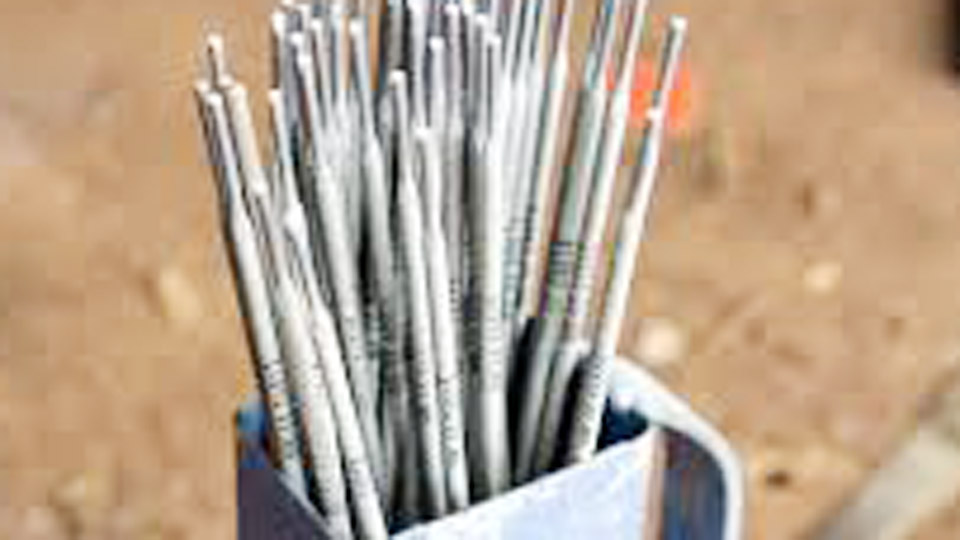
Image by senlisweld
Understanding Welding Rod Sizes and Why They Matter
Welding rods for SMAW (stick welding) come in specific diameters: 1/16″, 3/32″, 1/8″, 5/32″, 3/16″, and sometimes 1/4″ for really heavy work. The number refers to the core wire diameter, not including the flux coating.
Thicker rods deposit more metal per pass, run at higher amperage, and handle thicker materials. Smaller rods give better control on thin stock and tight joints.
A good rule of thumb I’ve followed for decades: the rod diameter should roughly match or be slightly less than the thickness of the base metal you’re welding. For example, on 1/8″ mild steel, a 3/32″ or 1/8″ rod works great. On 1/4″ plate, step up to 1/8″ or 5/32″.
Why does this matter in practice? Too large a rod on thin metal creates excessive heat, leading to burn-through, warping, and weak joints.
Too small on thick material means poor penetration, multiple extra passes, and higher chance of inclusions or lack of fusion. It also impacts your machine’s duty cycle and your own fatigue from longer welding times.
Key Factors That Determine the Right Rod Size
I never pick a rod size in isolation. Here’s what I consider every single time:
Material Thickness
This is the biggest driver. For material under 1/8″, I reach for 1/16″ or 3/32″. Between 1/8″ and 1/4″, 1/8″ becomes my go-to. Above 1/4″, I move to 5/32″ or larger, especially for multi-pass welds.
Joint Type and Position
Flat and horizontal positions let you run bigger rods and higher amps for faster deposition. Vertical or overhead? Drop down a size for better puddle control and less gravity-induced sag.
Power Source and Amperage Range
Most home and small shop machines top out comfortably around 140-200 amps. A 1/8″ rod is the sweet spot for these. Bigger industrial machines handle 5/32″ and 3/16″ without breaking a sweat.
Electrode Type
6013 and 7018 behave differently than 6010 or 6011. Fast-freeze rods like 6010 tolerate slightly different sizing than fill-freeze or low-hydrogen types.
Base Metal Condition
Dirty, rusty, or painted metal often needs a more forgiving rod like 6011 and sometimes a smaller diameter to maintain arc stability.
Common Welding Rod Diameters and Their Best Uses
1/16″ (1.6mm) Rods
These are for the thinnest work—sheet metal, auto body repairs, and light fabrication under 1/8″ thick. They run cool and give excellent control. Expect amperage in the 20-60 range depending on the coating. Great for 6013 on thin mild steel. Beginners often overlook these until they try welding 16-gauge without burning holes.
3/32″ (2.4mm) Rods
My everyday favorite for general DIY and light repair. Handles material from about 1/16″ to 3/16″ nicely. Runs 40-125 amps. Perfect balance of control and deposition. I use these a lot for farm equipment repairs and hobby projects.
1/8″ (3.2mm) Rods
The workhorse in most American shops. Covers 1/8″ to 3/8″ material effectively. Typical amperage 75-165A. This size works with 6010, 6011, 6013, and 7018. If I could only keep one size in stock, this would be it.
5/32″ (4.0mm) Rods
For heavier plate, structural work, and thicker sections over 1/4″. Needs 110-220 amps. Excellent for multi-pass welds on beams, frames, and heavy machinery repair. Requires a machine that can sustain higher output without overheating.
Larger Sizes (3/16″ and up)
Reserved for heavy fabrication, thick pressure vessels, or when maximum deposition matters. These demand serious power sources and good technique to avoid defects.
Amperage Settings by Rod Size: What Actually Works in the Shop
Getting amperage right is just as important as size. Here’s what I run on common rods with DC+ polarity (most common for these):
- 1/16″: 20-50A for 6013, slightly higher for penetrating rods.
- 3/32″: 40-90A for 6013, 50-110A for 6010/6011.
- 1/8″: 75-125A for 6010, 80-140A for 7018.
- 5/32″: 110-180A typical, up to 220A on some rods.
- 3/16″: 140-250A+.
These are starting points. I always test on scrap. Listen to the arc—if it sounds like bacon frying (too hot) or like it’s sticking constantly (too cold), adjust by 5-10 amps. Travel speed matters too. Faster travel needs slightly higher amps.
On inverter machines popular in home shops, I often run 5-10 amps lower than on old transformers because of the smoother output.
Choosing Rod Size for Different Materials
Mild Steel
Most common. Almost any general purpose rod works. I match size strictly to thickness. For repair on unknown steel, start with 6011 or 6013 in 3/32″ or 1/8″.
Stainless Steel
Use matching stainless rods (308, 316). Smaller diameters help control heat input to prevent warping and sensitization. Keep amps on the lower side.
Cast Iron
Nickel-based rods like 99% or 55% nickel. Smaller sizes (3/32″ or 1/8″) reduce cracking risk by minimizing heat.
Aluminum
Stick welding aluminum is tricky and not common anymore with TIG so accessible, but when needed, use aluminum-specific rods in smaller diameters with careful preheat.
Step-by-Step: How I Select and Test Rod Size on a New Job
- Measure the thickest section and joint type.
- Choose rod diameter close to (but not exceeding) material thickness.
- Check my machine’s output capability.
- Grab scrap of the same material and thickness.
- Set polarity correctly (usually DCEP).
- Strike an arc and run a short bead.
- Inspect for penetration, bead shape, spatter, and slag removal.
- Adjust amperage or switch size if needed.
This process takes five minutes and prevents hours of rework.
Common Mistakes I See (and How to Avoid Them)
- Using the same rod size for everything: One guy I worked with used 1/8″ on everything. Thin stuff looked terrible. Match the job.
- Ignoring machine capability: Trying 5/32″ on a 140-amp machine leads to underpowered welds.
- Poor storage: Damp rods cause porosity. Keep them in a rod oven or dry box, especially 7018.
- Wrong current: Too high causes undercut and spatter. Too low causes lack of fusion.
- Bad joint prep: Even perfect rod size fails on dirty metal. Grind clean, bevel where needed, and maintain proper gap.
Joint Preparation Tips That Make Rod Choice Easier
Clean metal is non-negotiable. I use a grinder with 40-grit flap disc, then a wire brush. For thicker plate, bevel edges to 30-35 degrees for better penetration with standard rods. Root gap of 1/16″ to 3/32″ helps with full penetration without excessive heat.
Comparison of Rod Sizes at a Glance
| Rod Size | Typical Thickness | Amperage Range | Best For |
| 1/16″ | <1/8″ | 20-60A | Sheet metal, light repair |
| 3/32″ | 1/16″-3/16″ | 40-125A | General DIY, auto, farm |
| 1/8″ | 1/8″-3/8″ | 75-165A | Most shop work, structural |
| 5/32″ | 1/8″-3/8″ | 75-165A | Heavy plate, multi-pass |
| 3/16″ | 3/8″+ | 140-300A | Heavy fabrication |
Safety Considerations When Running Different Rod Sizes
Larger rods at higher amps produce more heat, UV, and fumes. Always use proper PPE—shade 10-12 helmet for most stick work, leather gloves, jacket, and good ventilation. Larger rods also create more spatter, so keep your skin covered.
Building Experience: Start Simple and Progress
If you’re new, stock up on 3/32″ and 1/8″ 6013 and 7018. Practice on flat plate, then move to joints. Once comfortable, experiment with 6010 for root passes on pipe or plate.
Real-World Examples from the Shop
On a recent trailer repair with 3/16″ rusty steel, I used 1/8″ 6011 at 110 amps. Cleaned the joint, ran stringer beads, and it held strong. For a custom fire pit from 1/4″ plate, 5/32″ 7018 gave nice flat beads with good penetration.
For thin exhaust tubing, 3/32″ 6013 at around 70 amps prevented burn-through while giving enough fill.
Advanced Tips for Better Results
- Whip the rod slightly on vertical up with 6010 to control the puddle.
- Use weave technique on wider gaps with larger rods.
- For multi-pass, let each pass cool slightly before the next.
- Watch your arc length—keep it about equal to the rod diameter.
Takeaways for Better Welding
After reading this, you now understand that rod size isn’t guesswork—it’s a calculated decision based on thickness, position, machine, and desired outcome.
Match diameter to material, set amperage properly, prepare your joint, and test on scrap. These habits separate hobbyists from pros who consistently produce strong, good-looking welds.
When in doubt, go one size smaller and make an extra pass. It’s easier to add metal than to fix burn-through or distortion. Your welds will look better, and you’ll build better technique along the way. Keep striking arcs, stay safe, and enjoy the process.