
Plastic fabrication jobs can look simple from the outside, right up until a seam starts separating under pressure or exposure to harsh conditions. HDPE is tough, flexible, and resistant to chemicals, but getting a strong, leak-free joint takes more than just heating the material.
That’s where Extrusion Welding HDPE becomes an essential technique for fabricators, repair technicians, and anyone working with plastic tanks, pipes, or liners.
One thing I’ve learned from working with thermoplastics is that joint strength depends heavily on preparation and technique. A weld that looks solid on the surface can still fail if the base material isn’t heated correctly or the filler isn’t applied consistently. Small mistakes often don’t show up until the part is put into service.
But extrusion welding can produce extremely durable HDPE joints when done properly. I’ll walk through the process, common challenges, and practical tips that help create strong, reliable welds that stand up to real-world use.
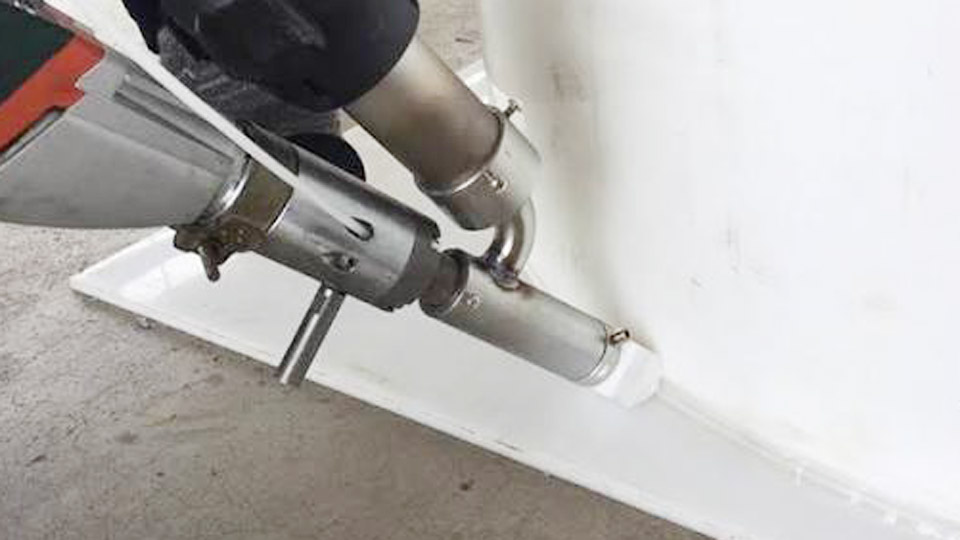
Image by pipe-weldingmachine
What Is Extrusion Welding HDPE and Why Does It Matter?
Extrusion welding HDPE is a manual fusion process where you feed HDPE welding rod or granules into a handheld extruder. The machine melts the filler and deposits it as a continuous bead onto a preheated joint while a hot air nozzle softens the base material. The molten plastic fuses at the molecular level, creating a bond often as strong as the parent material.
This isn’t hot air welding with a speed tip or butt fusion for pipes. Extrusion shines for heavy-gauge sheet, repairs, patches, corners, and seams on tanks, liners, or custom fabrications thicker than about 6mm.
In real jobs—like lining a containment pond or repairing a chemical tank—you need that robust fill and penetration that extrusion delivers without the setup of automated equipment.
Why it matters: HDPE resists chemicals, moisture, and UV, but joints are the weak point. A bad extrusion weld can crack under stress, distort, or fail to penetrate, leading to leaks.
I’ve seen rushed jobs fail inspection and require full cut-outs. Done right, these welds handle pressure, thermal cycling, and environmental exposure for years.
How Extrusion Welding HDPE Works: The Process Explained
The welder has two main actions happening simultaneously. A hot air blower preheats the joint and base material. At the same time, the extruder screw or drive melts and pushes out filler rod through a Teflon shoe that shapes and presses the bead into place.
You control temperature, speed, pressure, and angle. Preheat softens the surfaces for fusion. The extruded melt flows in, filling the joint. Proper technique ensures no voids, good sidewall fusion, and a smooth bead with slight rollover on the edges.
In practice, I start with a root pass if needed, then cap it. For geomembranes or liners, it’s often a single heavy bead. The process demands steady hands and consistent motion—jerking or hesitating creates cold laps or burn-through.
When and Why to Choose Extrusion Welding for HDPE
Use extrusion welding HDPE when dealing with irregular shapes, repairs on installed equipment, or thick sections where hot wedge or butt fusion isn’t practical. It’s ideal for:
- Patching holes in tanks or liners
- Joining sheet for custom fabrications
- Detail work around penetrations, corners, or sumps
- Field repairs where you can’t disassemble
Why? It gives excellent joint strength on heavy material, allows filling gaps, and works in positions other methods can’t. Compared to hot gas welding, it’s faster and deposits more material with less operator fatigue on long seams.
Avoid it for very thin sheet (under 2-3mm) where distortion is a risk or for production pipe joining—stick to butt fusion there.
Essential Equipment for Extrusion Welding HDPE
In a typical US shop, you’ll see handheld extrusion welders from brands like Leister, Miller Weldmaster, or PolyWeld setups. Look for models with adjustable preheat air, extruder temperature control, and interchangeable shoes for different joint profiles (V-groove, flat, fillet).
Basic kit:
- Extrusion welder (110V or 220V depending on shop power)
- Matching HDPE welding rod (3mm, 4mm, or 5mm round or triangular)
- Hot air gun for tacking and preheating
- Scrapers, grinders, and cleaning supplies
- Temperature probe or pyrometer
- Safety gear
I prefer welders with digital readouts for consistency. Keep spare shoes and nozzles— they wear out.
Choosing the Right HDPE Welding Rods
Rod compatibility is non-negotiable. Match the resin type, density, and melt flow index to your base HDPE. Using mismatched rod leads to poor fusion, cracking, or chemical incompatibility.
For standard HDPE (PE80 or PE100), use virgin HDPE rod from the same manufacturer when possible. Diameter depends on thickness: 3-4mm for lighter work, 5mm+ for heavy plate. Store rods dry and clean—moisture causes porosity.
Common mistake: Grabbing whatever black rod is on the shelf. Test a small sample first on scrap. Good rod melts smoothly and bonds without bubbling or separating.
Joint Preparation: The Foundation of Strong Welds
Skip this and nothing else matters. Start by scraping or grinding the surface to remove oxidation, dirt, and the skin layer. For sheets over 6mm, bevel edges to 45-60 degrees for better penetration.
Clean thoroughly with isopropyl alcohol or approved solvent on a lint-free cloth. No oils, dust, or moisture. I’ve seen welders wipe once and call it good—fails every time. For repairs, grind a wide area around the joint.
Tack the pieces with hot air first for alignment. Maintain a small gap if needed for thicker material, but keep it minimal.
Step-by-Step Guide to Extrusion Welding HDPE
Here’s how I approach a typical repair or seam:
- Prep the area: Grind, clean, bevel, and tack.
- Set temperatures: Preheat air around 250-300°C, extruder 200-230°C depending on rod and thickness. Test on scrap.
- Preheat the joint: Move the air nozzle steadily 10-15mm ahead.
- Start extruding: Position the shoe at 45-60° angle, apply firm even pressure. Move at a steady speed so the melt flows evenly on both sides.
- Maintain rhythm: Keep the preheat ahead and pressure consistent. Watch for shiny melt without burning.
- Finish the bead: Overlap starts and ends properly. Let cool naturally under light pressure if possible.
- Inspect: Look for uniform bead, no voids, good fusion lines.
Practice on flat scrap until the bead looks consistent with slight flash on edges indicating good penetration.
Machine Settings and Parameters for HDPE
Settings vary by material thickness, ambient temp, and machine, but here’s shop-tested guidance:
- Preheat air: 260-300°C for good softening.
- Extruder temp: 200-230°C for standard HDPE.
- Speed: 150-300mm/min depending on bead size—slower for thicker.
- Pressure: Firm but not forcing distortion.
- Air flow: Balanced for preheat without blowing melt away.
In cold shops, bump temps slightly. Hot days, dial back to avoid burning. Always verify with a thermometer. I log settings per job for repeatability.
For 10mm+ material, multiple passes: root then cap. Thinner can be single pass.
Safety Considerations in Extrusion Welding
Plastics welding involves hot surfaces, fumes, and power tools. Wear heat-resistant gloves, safety glasses, and a respirator for fumes—HDPE off-gassing isn’t harmless in confined spaces.
Keep the work area ventilated. Watch for hot plastic drips. Ground equipment properly. In the field, mind wind affecting preheat.
I’ve burned myself rushing cooldown—take your time. Proper PPE and habits prevent injuries that sideline you for days.
Common Mistakes Beginners (and Pros) Make
- Insufficient cleaning: Contamination is the top killer. Even tiny particles ruin fusion.
- Wrong temperature: Too low—no bond. Too high—degradation, weak brittle welds.
- Inconsistent speed/pressure: Leads to lumps, thin spots, or cold shuts.
- Poor angle: Shoe not flat causes uneven fill or lack of sidewall fusion.
- Skipping preheat: Weak surface bond and voids.
- Welding too fast: Doesn’t allow proper melt flow.
- Ignoring rod compatibility: Delamination later.
Pros sometimes get lazy on prep during deadlines. Don’t. A 10-minute extra clean saves hours of rework.
Pros and Cons of Extrusion Welding HDPE
Pros:
- Excellent strength on thick material
- Versatile for repairs and details
- Fills gaps and builds up
- Portable for field work
- High deposition rate
Cons:
- Operator skill dependent
- Slower than automated methods for long straight seams
- Equipment cost for good units
- Requires practice to master technique
- Potential for distortion if overheated
Compared to hot air welding, extrusion is stronger and faster for volume. Versus butt fusion, it’s more flexible for non-pipe work.
Material Compatibility and HDPE Grades
Stick to matching HDPE grades. PE100 rods for PE100 pipe/sheet. Carbon black pigmented for UV resistance in outdoor work. Some recycled content rods exist but test thoroughly—virgin is safer for critical applications.
Avoid mixing with other plastics like LDPE or PP unless specifically formulated. Different melt points cause failure.
In chemical tanks, confirm resin resistance matches the service.
Troubleshooting Weld Failures
- No fusion / delamination: Bad prep, low temp, wrong rod.
- Porosity / bubbles: Moisture in rod, overheating, or contamination.
- Cracks: Overheating, rapid cooling, stress from poor fit-up.
- Weak bead: Insufficient pressure or speed issues.
- Burn marks: Temp too high or dwell too long.
Cut test coupons and do bend or peel tests when learning. A good weld bends without separating.
Advanced Tips from the Shop Floor
For large patches, preheat the whole area gently. On vertical seams, work bottom-up to use gravity. For overhead, smaller beads and more passes.
In wind, use shields. For production, team up—one preps while another welds.
Experiment with shoe shapes for specific joints—custom ones help on odd angles.
Track your weld quality with visual inspection plus spark testing for liners or pressure testing for pipes/tanks.
Comparison: Extrusion vs Other HDPE Welding Methods
Hot air/speed tip: Good for thin material and quick tacks, but lower strength and slower deposition for thick stuff.
Hot wedge: Great for long straight liner seams, automated, consistent, but not for repairs or details.
Butt fusion: Ideal for pipe ends, high quality, but requires alignment jigs and not for sheets or patches.
Extrusion wins for versatility in fabrication and repair shops. Many pros combine methods—wedge for mains, extrusion for details.
Real-World Applications and Examples
I’ve used extrusion welding HDPE on agricultural pond liners, chemical storage tanks, and stormwater structures. One job involved patching a 12mm thick tank that had been banged by equipment—ground out the damage, prepped, and laid multiple passes. Held up under full load for years.
In geomembrane installation, extrusion handles boots around pipes and corner patches where wedge can’t reach.
For hobbyists, it’s perfect for building custom kayaks, fuel tanks, or workshop organizers from HDPE sheet.
Training and Certification for Better Results
Even experienced welders benefit from formal training. Standards like those from TWI or DVS cover technique, parameters, and quality.
Practice daily on scrap. Film yourself to check consistency. Join welding forums or local trade groups for feedback.
Maintaining Your Extrusion Welder
Clean the screw and nozzle regularly. Check air filters. Calibrate temps. Replace worn shoes promptly—they affect bead quality.
Store in a dry place. A well-maintained machine makes the difference between frustration and smooth welding.
Putting It All Together: Becoming Confident with Extrusion Welding HDPE
After years of welding everything from small prototypes to massive industrial repairs, the biggest lesson is that success comes down to preparation, consistency, and attention to detail.
Matching rod to material, thorough joint prep, dialed-in temperatures, and steady technique turn extrusion welding HDPE into a process you can trust under pressure.
You now understand the equipment, settings, common pitfalls, and real fixes. Focus on clean surfaces, test your settings, and build muscle memory through practice.
The next time you’re facing a tricky HDPE repair or fabrication, you’ll approach it with the confidence that comes from knowing the process inside out.
Always run a test weld on identical scrap material under the same conditions as the job—same temp, same humidity, same thickness. Cut it, bend it, and inspect before committing to the real piece. That single habit has saved more jobs than any fancy technique.
FAQ
What temperature should I set for extrusion welding HDPE?
Aim for extruder around 200-230°C and preheat air 250-300°C. Exact numbers depend on your rod, thickness, and machine—always test on scrap first and use a probe for accuracy. Too low and it won’t fuse; too high burns the plastic.
How do I prepare HDPE surfaces for extrusion welding?
Grind or scrape to remove oxidation and create roughness. Clean with isopropyl alcohol. Bevel thicker edges. Tack for alignment. Clean is everything—any residue kills the bond.
Can I use extrusion welding for HDPE pipe repairs?
Yes, especially for patches or saddles. For mainline joints, butt fusion is usually preferred, but extrusion excels at detail repairs and reinforcements around fittings.
What causes porosity in HDPE extrusion welds?
Moisture in the rod, contamination, or overheating. Dry your rod, clean thoroughly, and maintain steady speed and temp.
Is extrusion welding HDPE stronger than hot air welding?
Generally yes for thicker materials due to higher filler volume and better fusion. It’s the go-to for structural integrity in heavy applications.


