
If you’re wondering whether welding hurts your eyes, you’re asking a super important question. I’ve been fixing fences in my backyard to working on big construction projects, and I’ve learned firsthand how critical eye protection is.
I’ll never forget the time I got cocky and welded without proper gear—my eyes felt like they were full of sand for days! Welding can absolutely harm your eyes if you’re not careful, but with the right precautions, you can keep them safe.
I’m going to share everything I’ve learned about welding and eye safety, like we’re chatting over coffee in my shop. If you’re a beginner or a pro welder, I’ll keep it simple and engaging so you can protect your eyes and weld worry-free.
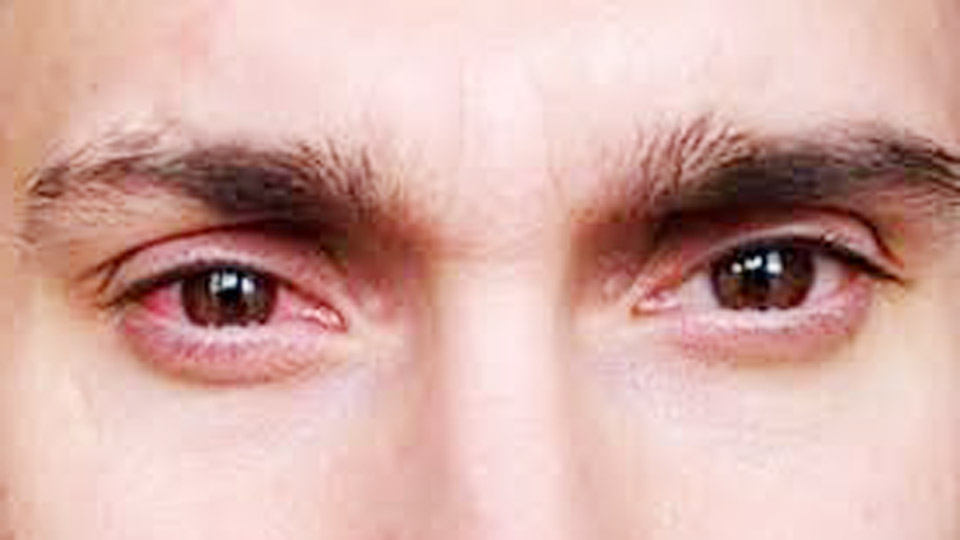
Image by radwell
What Makes Welding Dangerous for Your Eyes?
Welding is awesome, but it’s not gentle on your eyes. The process creates intense light, heat, and sparks that can cause serious damage if you’re not protected. I’ve seen what happens when welders skip safety steps, and it’s not pretty. Here’s why welding is risky for your eyes:
Bright Light: Welding produces a super bright arc that’s like staring at the sun. It gives off ultraviolet (UV) and infrared (IR) rays, which can burn your eyes. I’ve felt the sting of looking at an arc for even a second.
Sparks and Debris: Hot sparks and metal bits fly everywhere during welding. I’ve had sparks bounce off my helmet, and without protection, they could easily hit your eyes.
Fumes and Chemicals: Welding creates fumes that can irritate your eyes. I’ve worked with galvanized steel, and the fumes made my eyes water like crazy.
Reflections: UV rays can bounce off shiny surfaces, like metal or walls, and harm your eyes indirectly. I learned this when I got mild eye pain from reflected light in a small shop.
These risks make eye protection a must. I never weld without the right gear, and I’ll explain why it’s so important.
What Is Arc Flash and How Does It Affect Your Eyes?
Arc flash, also called welder’s flash or arc eye, is one of the most common eye injuries from welding. It’s like a sunburn on the surface of your eyes, caused by UV rays from the welding arc. I got arc flash once early in my welding days, and it was miserable—my eyes were red, gritty, and sensitive to light for two days.
Arc flash happens when you’re exposed to the arc’s UV light, even for a split second. It damages the cornea, the clear layer over your eye. Symptoms show up a few hours later and can include:
- Burning or gritty feeling in your eyes.
- Redness and tearing.
- Sensitivity to light.
- Blurry vision or feeling like something’s stuck in your eye.
I was lucky my case was mild, but severe arc flash can cause longer-lasting pain or even permanent damage. The good news? It’s totally preventable with proper protection, which I’ll cover soon.
Long-Term Eye Risks from Welding
Arc flash is painful, but it’s not the only eye risk from welding. I’ve talked to older welders who wish they’d been more careful, and their stories stuck with me. Welding without protection over time can lead to serious problems:
Cataracts: UV rays can cloud the lens of your eye, causing cataracts. I know a welder who needed surgery because he skipped eye protection for years.
Macular Degeneration: Long-term exposure to bright light can damage the retina, affecting central vision. It’s rare, but I don’t take chances with my eyes.
Pterygium: This is a growth on the eye’s surface from UV exposure. I’ve seen it in welders who worked outdoors without proper gear.
Permanent Vision Loss: Repeated UV burns or debris injuries can scar your eyes, reducing vision. I’ve heard horror stories of welders losing sight from ignoring safety.
These risks scare me, but they’re avoidable. I’ve made eye protection a non-negotiable part of my welding routine, and it’s kept me safe so far.
How Welding Affects Your Eyes Without Protection
Let’s talk about what happens if you weld without shielding your eyes. I’ve seen new welders think they can “tough it out” or peek at the arc briefly, but that’s a bad idea. Here’s what can go wrong:
Immediate Pain: Even a quick glance at the arc can cause arc flash. I felt it hours after a careless moment, and it was like sandpaper in my eyes.
Flying Sparks: Without a helmet or goggles, sparks can hit your eyes, causing burns or scratches. I’ve had sparks sting my face, and I’m glad my eyes were covered.
Fume Irritation: Fumes from welding, especially on coated metals, can make your eyes red and watery. I welded zinc once without a mask, and my eyes were irritated for hours.
Cumulative Damage: Small exposures add up over time, leading to cataracts or worse. I’ve seen welders regret not using protection consistently.
I learned early that unprotected welding is a gamble with your vision. It’s just not worth the risk when safety gear is so easy to use.
How to Protect Your Eyes While Welding
Protecting your eyes is simple if you use the right gear and habits. I’ve tried all sorts of equipment, and here’s what I do to keep my eyes safe:
Wear a Welding Helmet: A good helmet with a shaded lens is your best defense. I use an auto-darkening helmet that adjusts to the arc’s brightness instantly. It’s saved my eyes countless times.
Choose the Right Lens Shade: The lens shade depends on the welding process and amperage. For stick welding at 100–200 amps, I use shade 10–12. Check your welder’s manual for the right shade.
Use Safety Glasses: I wear safety glasses under my helmet for extra protection against sparks or debris. They’re cheap and comfy.
Cover Your Face: A full-face helmet or face shield keeps fumes and sparks away. I’ve had sparks bounce off my shield, and I’m glad my eyes were safe.
Protect Bystanders: If others are nearby, I set up welding screens to block UV light. I once gave a friend mild arc flash because I didn’t shield the area.
Work in a Ventilated Space: Good airflow reduces fume irritation. I use a fan or work outside to keep fumes from bothering my eyes.
I make sure my gear is in good shape before every weld. A scratched lens or loose helmet can let light or sparks sneak through, so I check everything first.
Types of Welding Helmets and Eye Protection
There are tons of helmets out there, and I’ve tried a bunch to find what works best. Here’s what I’ve learned about welding helmets and other eye protection:
Auto-Darkening Helmets: These switch from clear to dark in milliseconds when you strike an arc. I love my auto-darkening helmet—it’s easy on my neck since I don’t flip it up and down.
Fixed-Shade Helmets: These have a set lens shade, like 10 or 11. I used one starting out, but it’s less convenient for frequent starts and stops.
Passive Helmets: Simple and cheap, with a fixed dark lens. I still have one for quick jobs, but it’s harder to use for precision work.
Welding Goggles: For low-amperage processes like TIG, goggles work if a helmet’s too bulky. I use them for small repairs in tight spaces.
Face Shields: For grinding or cutting, I pair a clear face shield with safety glasses. It’s great for keeping sparks out of my eyes.
Prescription Options: If you wear glasses, some helmets have inserts for prescription lenses. I got one for a friend, and he loves it.
I spent $50 on my first helmet and upgraded to a $150 auto-darkening one later. It’s worth investing in quality to protect your eyes and weld comfortably.
Lens Shades for Different Welding Processes
Here’s a table I put together to help pick the right lens shade based on my experience:
| Welding Process | Amperage | Recommended Lens Shade |
|---|---|---|
| Stick (SMAW) | 50–100 amps | 9–10 |
| Stick (SMAW) | 100–200 amps | 10–12 |
| MIG (GMAW) | 50–150 amps | 9–11 |
| TIG (GTAW) | 50–100 amps | 8–10 |
| Plasma Cutting | 50–100 amps | 8–9 |
This table is a guide. I always check my welder’s manual for exact shade recommendations.
What to Do If You Get Arc Flash
If you get arc flash, it’s painful, but don’t panic. I’ve been there, and here’s how I handled it:
- Rest Your Eyes: Stay in a dark room to ease light sensitivity. I dimmed the lights and closed my eyes for a few hours.
- Use Cold Compresses: A cool, damp cloth on your eyes can reduce pain. I did this, and it felt soothing.
- Artificial Tears: Over-the-counter eye drops help with dryness. I used them every few hours to keep my eyes moist.
- Avoid Rubbing: Rubbing makes it worse. I resisted the urge, even though my eyes felt gritty.
- See a Doctor: If pain lasts more than a day or gets worse, get medical help. I went to a doctor once, and they gave me medicated drops that helped.
Most arc flash cases clear up in 1–2 days, but I always play it safe and see a doctor if I’m worried. Don’t mess around with your eyes.
Other Eye Safety Tips for Welders
Beyond helmets and glasses, I’ve picked up some habits that keep my eyes safe. Here’s what I do:
- Inspect Your Gear: I check my helmet’s lens for scratches or cracks before welding. A damaged lens can let UV light through.
- Clean Your Workspace: Dust or debris can get in your eyes when you lift your helmet. I sweep my shop before starting.
- Take Breaks: Long welding sessions strain your eyes. I take short breaks to rest them, especially on big jobs.
- Use Proper Lighting: Good shop lighting helps you see without straining. I added LED lights to my garage for better visibility.
- Educate Others: I tell helpers or bystanders to stay back or wear protective glasses. I’ve kept friends safe this way.
These tips are second nature to me now, and they make welding safer and more comfortable.
Common Mistakes Welders Make with Eye Safety
I’ve made mistakes, and I’ve seen others do the same. Here’s what to avoid to keep your eyes safe:
- Peeking at the Arc: Even a quick glance can cause arc flash. I did this once and regretted it for days.
- Using a Worn Helmet: A scratched or cracked lens won’t protect you. I replaced a bad lens after noticing blurry vision.
- Skipping Safety Glasses: Sparks can sneak under your helmet. I always wear glasses now, even if it feels like overkill.
- Welding Near Others: Not shielding your arc can harm bystanders’ eyes. I forgot a screen once, and a coworker got mild flash.
- Ignoring Fumes: Fumes irritate eyes, especially without ventilation. I learned to use a fan after a teary welding session.
Avoid these, and you’ll save your eyes a lot of trouble. I’ve learned the hard way so you don’t have to!
How Welding Eye Safety Standards Protect You
In the USA, there are rules to keep welders’ eyes safe, and I’ve seen how they help. Standards like ANSI Z87.1 set requirements for welding helmets and glasses, ensuring they block UV and IR rays. OSHA also requires employers to provide eye protection and train workers.
I always buy gear marked with ANSI Z87.1 to know it’s legit. On job sites, I’ve seen safety officers check helmets to make sure they meet standards. Following these rules keeps your eyes safe and avoids fines or accidents. Even in my home shop, I stick to these standards for peace of mind.
FAQs About Welding and Eye Safety
Does welding always hurt your eyes?
No, welding doesn’t hurt your eyes if you use proper protection. I wear a helmet and glasses, and my eyes stay safe.
What is welder’s flash, and how do I know if I have it?
Welder’s flash is a UV burn on your eyes. I had it once—my eyes felt gritty and were sensitive to light. Rest and drops helped.
Can welding cause permanent eye damage?
Yes, without protection, UV rays or sparks can cause cataracts or vision loss. I always use a helmet to avoid this.
What lens shade should I use for welding?
It depends on the process. For stick welding at 100–200 amps, I use shade 10–12. Check your welder’s manual.
How do I treat arc flash at home?
Rest in a dark room, use cold compresses, and try artificial tears. I did this, but see a doctor if it lasts more than a day.
Do I need safety glasses under my welding helmet?
Yes, they protect against sparks sneaking in. I wear them every time, and they’ve saved my eyes from debris.
Conclusion
I’ve had my share of eye scares—gritty arc flash, sparks flying too close—but every lesson made me a safer welder. There’s nothing like the thrill of laying a perfect bead, but it’s even better knowing your eyes are protected. If you’re welding in your garage or on a big job, make eye safety your top priority. Grab a quality helmet, wear safety glasses, and follow simple habits to stay safe. I’m cheering you on for safe, awesome welds.


