
If you’ve ever worked in a welding shop or even spent a weekend in your garage fixing up metal, you know one thing for sure—an angle grinder is your best friend.
I’ve been welding for years now, and if there’s one tool I always reach for, it’s that trusty grinder. Whether I’m cleaning up a weld, cutting metal, or smoothing out edges, I can’t imagine doing the job right without one.
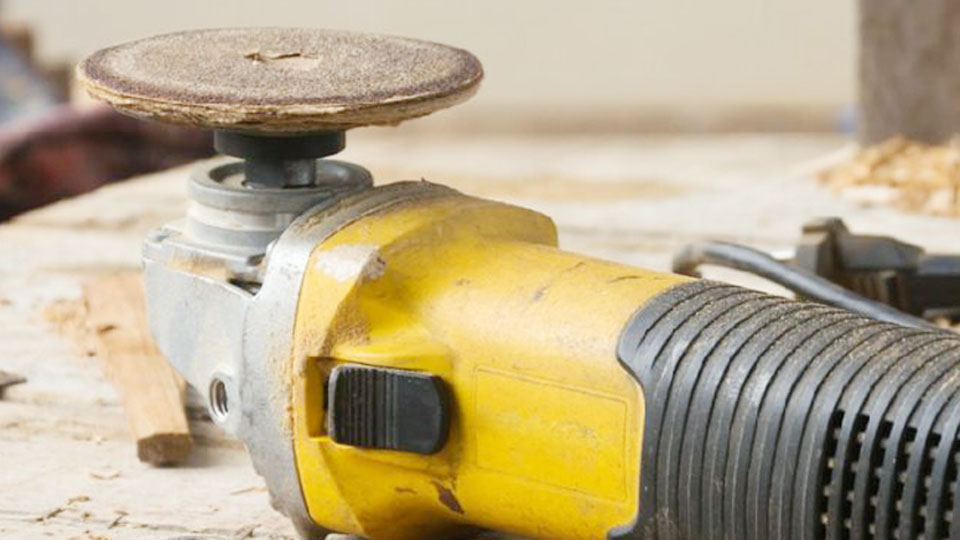
Photo by popularwoodworking
When folks ask me, “What’s the best angle grinder for welding?” I don’t just throw out a brand name. I talk from experience, because I’ve tested a bunch of them—some that made me smile with how smooth they ran, and others that made me want to toss them across the shop.
I’ll walk you through what really matters when choosing an angle grinder, the top options out there, and what features are worth your hard-earned money.
So pull up a chair, grab a cup of coffee, and let’s talk angle grinders like two welders sharing tips across a workbench.
Why You Need a Good Angle Grinder for Welding Work
Welding is not just about fusing metal—it’s about preparing and finishing, too. That’s where an angle grinder shines.
It’s not only used for cutting or grinding, but also for cleaning metal before welding and smoothing down those welds after you’re done. A poor grinder can leave behind uneven cuts, vibrations that make your arm sore, and inconsistent results.
A good grinder? It’s like a reliable workhorse. It saves time, improves your welds, and keeps you safer too.
What to Look for When Choosing an Angle Grinder for Welding
Before diving into specific models, let’s talk about the key features that really matter. I’ve used grinders from big brands and no-name companies, and here’s what I always check.
Motor Power
The first thing to look at is power. If you’re doing light work like grinding rust or paint, a lower-powered grinder will do fine. But for welding jobs—especially cutting or smoothing thick steel—you’ll want at least a 7 to 11-amp motor.
Higher amperage means more torque. More torque means the grinder won’t stall when you put pressure on it. Trust me, when you’re halfway through a cut and the grinder gives out, it’s beyond frustrating.
Disc Size
Most welders I know prefer the 4.5-inch grinder for everyday use. It’s the perfect mix of power and control. Bigger 7-inch grinders are great for heavy-duty jobs, but they’re bulkier and harder to handle.
I always tell beginners: start with a 4.5-inch grinder unless you’re doing major structural steel work.
RPM (Speed)
RPM means revolutions per minute. The higher the RPM, the faster the wheel spins. Most grinders spin between 9,000 and 12,000 RPM. Faster isn’t always better, though. It depends on your task and the material.
Also, look for variable speed if you can. It gives you more control when switching between different materials.
Safety Features
This part is no joke. I’ve seen grinders kick back, break discs, and fly across the shop. Look for features like:
- Paddle or dead-man switches (automatically shut off when you release)
- Tool-free wheel guards (so you can adjust quickly)
- Anti-kickback clutches (prevent the tool from jerking)
Safety gear matters, too—gloves, goggles, and always a face shield. Better safe than sorry.
Ergonomics and Comfort
If you’re welding all day, you don’t want a grinder that feels like you’re holding a brick. Look for one that has a comfortable grip, isn’t too heavy, and has vibration-dampening features.
A side handle that can move to different positions is great, too. It gives you better control whether you’re right- or left-handed.
Corded vs Cordless
Corded grinders offer constant power, but cordless models have come a long way. If you move around a lot on-site or don’t want cords tripping you up, cordless might be worth the extra price.
Just make sure it’s got a high-capacity battery, or you’ll be charging it more than using it.
My Top Picks: Best Angle Grinders for Welding Work
Here are some of the best grinders I’ve used or seen in the hands of trusted friends. Each one stands out for a reason.
| Brand & Model | Power (Amps) | Disc Size | Speed (RPM) | Corded/Cordless | Why I Recommend It |
|---|---|---|---|---|---|
| DeWalt DWE402 | 11 Amps | 4.5 inches | 11,000 | Corded | Powerful, tough, great balance |
| Makita XAG04Z (18V LXT) | Battery (18V) | 4.5 inches | 8,500 | Cordless | Quiet, great battery life |
| Metabo HPT G12SR4 | 6.2 Amps | 4.5 inches | 10,000 | Corded | Affordable and reliable |
| Bosch GWS13-50VSP | 13 Amps | 5 inches | 2,800–11,500 | Corded | Variable speed, smooth performance |
| Milwaukee 2780-20 M18 Fuel | Battery (18V) | 4.5 inches | 8,500 | Cordless | Brushless motor, great power |
Let me break a few of these down for you so you know what to expect.
DeWalt DWE402
This one is a beast. It’s my personal favorite for most welding work. It’s got enough power to cut through thick steel, but it’s not too heavy to handle. The build quality is solid—DeWalt did a great job balancing power and comfort.
It also has a smart design with a dust ejection system to keep particles from clogging the motor. That makes it last longer, especially in a dusty welding shop.
Makita XAG04Z (Cordless)
I was hesitant about cordless grinders at first, but this Makita changed my mind. It’s quiet, doesn’t vibrate much, and the battery life is impressive. I use it for remote jobs or when I don’t want to drag cords around.
It’s not as powerful as a corded grinder, but for general welding tasks like cleaning up welds and cutting thinner steel, it’s more than enough.
Metabo HPT G12SR4
If you’re looking for a good angle grinder on a tight budget, this one is it. It’s light, simple, and gets the job done. I’ve recommended it to many beginners who want something affordable but decent.
It doesn’t have all the bells and whistles, but it’s reliable and easy to control.
Accessories That Make Your Grinder Even Better
Sometimes it’s not just the grinder—it’s what you put on it. Here are a few accessories I always keep nearby:
- Flap Discs – Great for smoothing welds without taking off too much material.
- Cutting Wheels – Thin and fast, perfect for slicing metal.
- Wire Wheels – Ideal for cleaning rust or paint before welding.
- Grinding Discs – Best for heavy material removal.
Invest in good quality discs. Cheap ones wear out faster and are more likely to crack.
Tips for Using an Angle Grinder Safely and Effectively
Over the years, I’ve picked up a few grinder tricks that can really help. If you’re just getting started—or even if you’ve been at it for a while—these tips can make a big difference.
- Always check your disc before use. Cracks or damage can cause it to explode.
- Let the tool do the work—don’t force it.
- Grind at the right angle—about 15 to 30 degrees for welds.
- Keep both hands on the tool for better control.
- Wear proper PPE—face shield, gloves, and long sleeves.
- Clean the area after grinding—those metal particles are no joke.
Why the Right Grinder Makes a Difference in Welding
Choosing the right angle grinder is about more than just convenience—it’s about results. The better your grinder, the better your weld prep and finish will be. And in welding, surface prep is everything. Clean metal welds better. Smooth welds look better.
A good grinder helps you be faster, safer, and more professional. It’s a tool that earns its keep every single day.
Final Thoughts
If you’re serious about welding, investing in a great angle grinder is a no-brainer. I’ve used dozens over the years, and I always come back to a few reliable names—DeWalt, Makita, Milwaukee, Bosch, and Metabo. They’ve earned their reputation through performance, not just hype.
If you’re grinding down welds after a long day or cutting through a thick steel pipe, the right grinder turns a tough job into a smooth one. Don’t settle for cheap tools. You’ll end up replacing them or worse—hurting yourself.
Choose the one that fits your budget and work style, and it’ll be by your side for years.
Frequently Asked Questions
What size angle grinder is best for welding?
A 4.5-inch angle grinder is the most versatile and commonly used size for welding tasks. It’s compact enough for detailed work but powerful enough for cutting and grinding.
Can I use a cordless angle grinder for welding work?
Yes, cordless angle grinders are great for mobility and smaller jobs. Just make sure the battery life and torque are strong enough for your specific tasks.
How often should I replace the discs?
Replace discs as soon as you notice wear, reduced performance, or visible cracks. Don’t push a disc beyond its life—it’s a safety risk.
What’s the difference between flap discs and grinding wheels?
Flap discs are better for finishing work and smoothing welds. Grinding wheels are thicker and remove more material, making them ideal for rougher prep.
Do all angle grinders have the same RPM?
No, RPM can vary. Most range from 8,000 to 12,000 RPM. Some models even offer variable speed settings for better control.
Is it okay to use an angle grinder on aluminum?
Yes, but use a wheel specifically made for non-ferrous metals. Standard wheels can clog and become dangerous when used on aluminum.
If you’ve got any more questions, feel free to drop them in. I love chatting tools and welding—it’s what I do.


