Arc humming low, tungsten sharpened just right, and a clean bead forming like stacked dimes—that’s the kind of control that makes many welders fall in love with TIG. But more than once, I’ve heard someone say they’re doing “argon welding” as if it’s a completely different process. That confusion can lead to wrong setups, wasted gas, and disappointing results.
TIG welding vs argon welding isn’t really a battle between two separate methods—it’s about understanding what the process actually is and how shielding gas plays its role. I’ve worked jobs where switching gases changed penetration, arc stability, and overall finish quality.
Knowing the difference doesn’t just make you sound more professional—it directly affects weld strength, appearance, and cost.
If you’ve ever wondered whether TIG and argon welding are the same thing or when gas choice truly matters, let me break it down clearly and practically so you can set up your machine the right way from the start.

Image by novafabrication
What Is TIG Welding?
TIG stands for Tungsten Inert Gas, also known as Gas Tungsten Arc Welding (GTAW). It uses a non-consumable tungsten electrode to create the arc. You control the heat with a foot pedal or torch switch, add filler rod by hand when needed, and rely on a shielding gas to protect the molten puddle from oxygen and nitrogen in the air.
The result is precise, clean welds with excellent control over penetration and appearance. It’s the go-to for thin materials, critical joints, aluminum, stainless, and anything where looks and strength both count. In my experience, once you get comfortable with TIG, it becomes addictive because you can see exactly what’s happening in the puddle.
Why People Call It “Argon Welding”
Here’s where the terminology trips everyone up. Argon is the most common shielding gas used in TIG welding. It’s inert, heavy enough to blanket the weld area effectively at typical flow rates (15-20 CFH), and gives a stable arc that’s easy to start and maintain.
In many shops—especially smaller ones or among hobbyists and older welders—”argon welding” simply became shorthand for TIG because that’s the gas bottle you grab. You’ll hear it in garages, race shops, and even some training programs. It’s not technically a separate process; it’s TIG performed with argon (or argon-dominant mixes).
The confusion often comes when beginners see a TIG machine and a separate argon tank and assume “argon welding” is something different, like a MIG variant or a magical one-gas solution. It’s not. The process is TIG. The gas is argon (or a blend).
How TIG Welding Actually Works on the Shop Floor
You strike an arc between the tungsten and the workpiece. The tungsten doesn’t melt, so the arc stays consistent. Shielding gas flows out of the torch cup to create a protective envelope. When the puddle forms, you dip filler rod in as needed or run autogenous (no filler) on tight fits.
Unlike MIG, where wire feeds automatically and the gun does most of the work, TIG puts you fully in control. That control is why it’s slower but produces superior results on thin stock or exotic materials.
On a typical Miller Dynasty or Lincoln Power Wave in my shop, I can feather the pedal to start cold on thin aluminum and ramp up heat without blowing through.
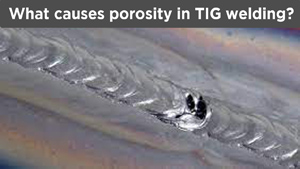
The inert gas is non-negotiable. Without it, the tungsten oxidizes instantly, the puddle gets contaminated, and you end up with porous, ugly welds that will fail inspection or leak in service.
TIG (Argon) Welding vs Other Processes: When It Makes Sense
TIG isn’t always the right tool. Here’s a practical breakdown I’ve used when deciding on jobs:
TIG vs MIG
TIG gives cleaner, more precise welds with no spatter and better control on thin material (under 1/8″). MIG is faster for thicker sections and production work, but the welds often need more cleanup. I use TIG for aluminum bike frames or stainless food-grade tanks; MIG for structural steel repairs where speed matters more than cosmetics.
TIG vs Stick (SMAW)
Stick is king for dirty, rusty, outdoor work and thick plate. TIG demands clean metal and indoor (or sheltered) conditions because wind destroys gas coverage. But for root passes on pipe or visible repairs, TIG leaves a bead that looks machined.
TIG vs Flux-Core
Flux-core is great for windy field work on heavy steel. TIG wins hands-down for appearance, thin metals, and non-ferrous alloys.
Last year I repaired a cracked aluminum transmission case. MIG would have been faster but risked burn-through and distortion on the thin walls. TIG with pure argon let me control the heat input perfectly and match the original casting appearance.
The Critical Role of Shielding Gas: Pure Argon vs Blends
Pure argon is the workhorse for 90% of TIG jobs in a typical shop.
- Mild steel and stainless: 100% argon gives excellent arc stability and a clean puddle.
- Aluminum: Pure argon works well, but adding helium (like 75/25 argon/helium) increases heat input and improves penetration on thicker sections. Helium is expensive, so I save it for production aluminum or when I need to move faster.
- Titanium and other exotics: Pure argon or argon/helium—never introduce oxygen or CO2, or you’ll ruin the material.
Gas flow: Start at 15 CFH for cups up to #8. Go to 20 CFH for larger cups or windy conditions. Too little flow = contamination. Too much creates turbulence that pulls in air.
Always purge your lines before starting, especially on long hoses. I once chased “mystery porosity” for an hour until I realized the argon bottle was nearly empty and the regulator was pulling in air.
Choosing Tungsten and Preparing It Right
Tungsten type matters more than most beginners realize.
- DC (steel, stainless, copper): 2% lanthanated or thoriated (if you can still get it). Sharpen to a point.
- AC (aluminum): Pure tungsten or zirconiated balls up nicely for a stable arc.
Diameter: Match to amperage. 1/16″ for up to about 150 amps, 3/32″ for 150-250 amps. Larger for heavy work.
Grind longitudinally, never across the wheel. A contaminated tungsten (touched to the puddle or filler) will cause the arc to wander and spit. I keep a dedicated grinding wheel just for tungsten.
Practical Amperage Settings That Work in Real Shops
These are starting points I’ve tested on common US machines (inverter types like Miller, Lincoln, Everlast). Adjust based on your machine, joint type, and technique. Rule of thumb for mild steel: roughly 1 amp per 0.001″ of thickness.
Mild Steel / Stainless (DCEN)
- 0.040″ (20 gauge): 20-40 amps
- 1/16″ (16 gauge): 40-60 amps
- 1/8″: 80-110 amps
- 3/16″: 120-160 amps
- 1/4″: 160-220 amps
Aluminum (AC, balanced around 70-80% EN)
- 1/16″: 60-90 amps
- 1/8″: 100-150 amps
- 3/16″: 150-200 amps
- 1/4″: 180-250+ amps (use helium mix for thicker)
Stainless runs a bit cooler than mild steel because it retains heat. Aluminum needs more amps to break the oxide layer but watch for distortion.
On my Dynasty 280, I often start 10-20 amps higher than the chart to establish the puddle quickly, then back off with the pedal. Hot and fast beats low and slow for minimizing heat-affected zone.
Filler Rod Selection and Joint Prep
Match filler to base metal. ER70S-2 or ER70S-6 for mild steel. 4043 or 5356 for aluminum (5356 is stronger). 308 or 316 for stainless.
Clean everything. I mean it. Use a dedicated stainless brush for aluminum and stainless—never cross-contaminate. Acetone or aluminum cleaner removes oils. For stainless, avoid carbon steel brushes entirely.
Joint types: V-groove for thicker material, square butt for thin with good fit-up. Leave a small gap for filler on butt joints so you don’t just melt the edges.
Step-by-Step: Running a Clean TIG Bead
- Set gas flow and pre-flow (0.5-1 second).
- Position torch at 10-15° push angle.
- Strike the arc (high frequency on modern machines).
- Establish a small puddle—watch for the shiny molten pool.
- Add filler with the other hand, dipping the rod into the leading edge of the puddle.
- Move steadily—travel speed is critical. Too slow overheats; too fast lacks fusion.
- Feather the pedal to control heat as you go.
- End with a gradual ramp-down to fill the crater.
Practice on scrap first. I still run test coupons when switching materials.
Common Mistakes I’ve Seen (and Fixed) Hundreds of Times
- Dirty metal: Oxide or oil causes porosity and inclusions. Clean twice as much as you think you need.
- Contaminated tungsten: Touching the puddle or filler. Grind it fresh.
- Wrong gas or low flow: Leads to black, sooty welds or porosity. Check your tank and lines.
- Poor torch angle or distance: Hold the cup 1/4″ to 1/2″ from the work. Too far loses coverage.
- Overheating thin material: Use the pedal and keep moving. Backstepping helps on long seams.
- Wrong polarity on aluminum: Must be AC. DC will ruin your tungsten instantly.
I once watched a trainee burn through three tungstens trying to TIG aluminum on DC. One quick polarity switch fixed it.
Safety Considerations Every Welder Should Live By
TIG produces intense UV light—cover your skin completely. Use a proper helmet with adjustable shade (9-13). Argon is an asphyxiant in confined spaces, so ventilate well. Keep your workspace dry; electricity and water don’t mix.
Wear leather gloves and a jacket. Tungsten particles are sharp—never use compressed air to clean your clothes after grinding.
Real Shop Applications Where TIG (Argon) Wins
- Custom exhaust systems: Thin stainless or mild steel tubing.
- Aluminum fab: Bike frames, marine parts, racing components.
- Food-grade stainless: Tanks, piping, counters.
- Repair work: Cracked castings, thin sheet metal patches.
- Artistic work: Sculptures or visible architectural details.
In one memorable job, we TIG-welded a set of aluminum fuel tanks for a vintage race car. The customer wanted mirror-like beads visible through the clear coat. Pure argon, careful heat control, and lots of practice on scrap delivered exactly what he wanted.
Takeaways That Will Make You a Better Welder Today
Understanding that TIG and “argon welding” refer to the same high-precision process removes the mystery and lets you focus on what actually matters: clean metal, proper gas coverage, right settings, and steady hands.
You’re now equipped to choose when TIG is the right tool, dial in your machine confidently, and troubleshoot the common problems that frustrate most beginners and even some pros. The best part? Every hour you put in practicing TIG pays off in cleaner, stronger, more professional welds.
When in doubt on amperage or gas, start conservative on heat and flow, then adjust while watching the puddle. The arc and puddle will tell you everything you need to know if you’re paying attention. Slow is smooth, smooth is fast.
FAQ
Can I use my MIG gas (75/25 argon/CO2) for TIG welding?
No. The CO2 will destroy your tungsten electrode and contaminate the weld. Stick to pure argon or approved TIG blends.
What’s the best gas for TIG welding aluminum?
Pure argon works great for most thicknesses. For thicker aluminum or when you need more heat and faster travel, switch to an argon/helium mix. Avoid CO2 or oxygen entirely.
How much argon do I actually use in a typical session?
Expect 15-20 cubic feet per hour of torch time. A standard 80 cu ft cylinder lasts a good while for hobby or small shop work, but track your usage—empty tanks mid-job are frustrating.
Do I need a water-cooled torch for TIG?
For anything over 150-200 amps or long sessions, yes. Air-cooled torches get uncomfortably hot and can lead to inconsistent technique. Most serious shops run water-cooled for daily TIG work.
Is TIG welding hard to learn if I’m coming from MIG or stick?
It’s a different skill set because of the two-handed coordination and foot pedal, but the fundamentals of puddle control transfer. Most welders I train pick up the basics in a weekend of focused practice, then spend months refining it. Start on mild steel before jumping to aluminum.