
Working on high-pressure pipe and inspection-critical joints quickly teaches you that some welding jobs leave absolutely no room for mistakes. Every bead has to be clean, penetration must be perfect, and even a small defect can mean starting over.
That’s what pushed me to seriously look into how to become a nuclear welder — the kind of specialist trusted to handle the most demanding welds in the industry.
This career isn’t just about better pay; it’s about precision, safety, and proving your work can survive extreme conditions and strict inspections.
From certifications and advanced testing to the mindset needed for zero-error welding, I’ve seen what separates regular shop work from nuclear-level standards. Let me walk you through the real steps and skills that actually get welders into this field.
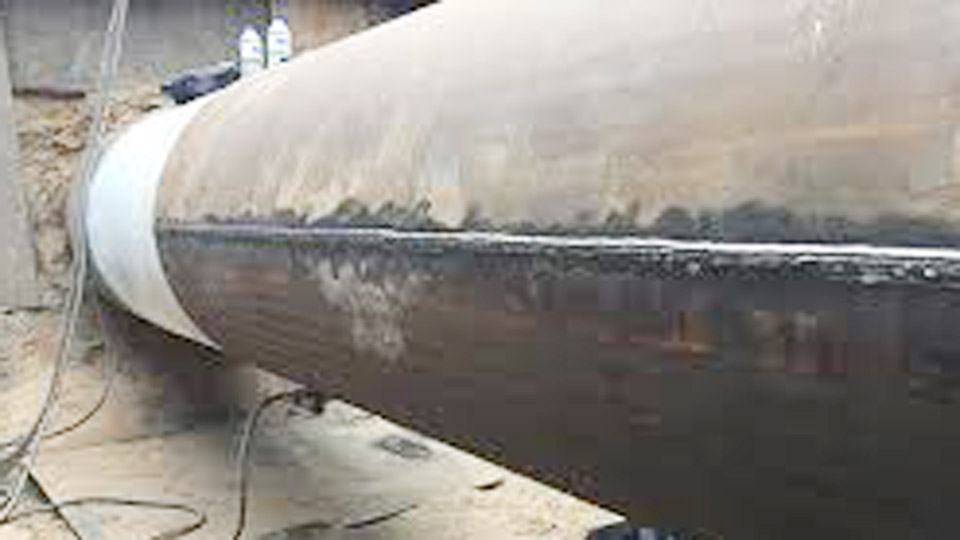
Photo by millerwelds
What Exactly Is Pipeline Welding and Why Is It a Game-Changer?
Pipeline welding involves joining sections of steel pipe to create long-distance transport systems for fluids like oil, gas, or water. It’s a specialized branch of welding that combines structural integrity with the ability to withstand extreme conditions—think high pressures, corrosive environments, and temperature swings.
Unlike shop fabrication where you might have a controlled setup, pipeline work happens in the field, often in ditches or on rigs, battling weather and tight deadlines.
How it works starts with prepping the pipe ends—beveling them to create a V-groove for better filler metal flow. Then, you align the pipes using clamps or come-alongs, tack them in place, and lay down root passes with processes like SMAW (stick welding) or GTAW (TIG) for the initial layer, followed by fill and cap passes.
I’ve always favored SMAW for its portability on remote sites; you can haul your machine in a truck and weld without fancy gas setups.
Use it when projects demand reliability over speed. Pipelines aren’t forgiving—if distortion from too much heat warps the joint, you’re reworking the whole section, wasting time and materials. Why bother? Because it’s lucrative and challenging.
In my early days, I switched to pipelines after burning out on repetitive shop jobs; the travel and variety kept me hooked, plus the paychecks funded my own rig setup back home.
Always inspect your pipe for mill defects before starting. I once had a crew delay because we missed a seam flaw—cost us a day. Start with clean, square cuts using a plasma cutter set at 40-60 amps for 1/2-inch wall pipe to avoid slag buildup.
Skills Every Aspiring Pipeline Welder Needs to Master
Breaking into this field means building a solid foundation of hands-on skills. It’s not enough to weld a bead on flat plate; you need to handle positions like 6G, where the pipe is fixed at 45 degrees, testing your control in overhead, vertical, and horizontal orientations.
What it entails: Core skills include reading blueprints, understanding metallurgy to match filler metals with base pipe (like API 5L grades), and controlling heat input to minimize hydrogen cracking. Amperage plays a huge role—too low, and you get lack of fusion; too high, and porosity ruins the weld.
How to develop them: Practice on scrap pipe. Set up a home rig with a Lincoln Electric welder, common in US shops, and run 7018 rods at 90-140 amps for 1/8-inch electrodes on carbon steel. I spent weekends in my garage mimicking pipeline joints, adjusting my arc length to 1/8 inch for better puddle control.
When to focus on this: Right from the start, before certifications. Pros use it daily to pass X-ray inspections, where even a tiny slag inclusion fails the weld. Beginners often rush the root pass, leading to undercut—fix it by weaving slower and maintaining a consistent travel speed of 4-6 inches per minute.
Shop-floor insight: I remember training a kid who kept overheating his welds. We dialed back to 110 amps on a 3/32 rod, and suddenly his beads were smooth. Always test on a coupon first; it saves rework on the job.
Getting Certified: The Key to Unlocking Pipeline Jobs
Certifications are your ticket in—no one’s hiring without proof you can weld to code. The big one is AWS D1.1 for structural, but for pipelines, aim for API 1104, which covers welding procedures for petroleum lines.
What it is: A standardized test where you weld test coupons in fixed positions, then they’re inspected via bend tests, X-rays, or ultrasonics. It’s rigorous, simulating real pipeline stresses.
How it works: Enroll in a welding school or union program. You’ll prep joints with a 37.5-degree bevel, root opening of 1/16 to 1/8 inch, and weld using low-hydrogen rods like E7018 to prevent cracking.
When and why: Use it to qualify for union jobs or contractors like Bechtel. Without it, you’re stuck in entry-level fab work. I got my API cert after failing once—underestimated the overhead position—and it opened doors to cross-country projects.
Practical tips: Practice in all positions. For vertical up, use a slight weave with 100-120 amps on 1/8-inch rods.
Common mistake: Poor joint prep leading to incomplete penetration. Fix by grinding the bevel clean and using a backing strip if allowed.
Safety note: Always wear FR clothing; sparks on pipelines can ignite residues.
Here’s a quick comparison table of common certifications:
| Certification | Focus | Test Positions | Typical Cost | Pros | Cons |
|---|---|---|---|---|---|
| AWS D1.1 | Structural steel | 1G-4G | $500-800 | Widely recognized, easier entry | Less pipeline-specific |
| API 1104 | Pipeline welding | 5G, 6G | $800-1,200 | Industry standard for oil/gas, high pay | Tougher tests, requires experience |
| ASME Section IX | Pressure vessels/pipes | Various | $600-1,000 | Versatile for boilers too | More theory-heavy, renewal every 3 years |
This table helped me decide back when I was choosing paths—API was worth the extra grind for the fieldwork.
Choosing the Right Welding Process for Pipeline Work
Pipeline pros swear by certain processes because they deliver clean, strong welds under tough conditions. SMAW is king for its simplicity, but FCAW (flux-cored) and GMAW (MIG) have their places for faster fills.
What each is: SMAW uses coated electrodes that provide shielding gas from the flux. FCAW adds wire feed for semi-auto speed, ideal for windy sites with self-shielding wires.
How they work in pipelines: For root passes, TIG offers precision with no slag, running at 70-100 amps on 3/32 tungsten. Then switch to stick for caps at 120-160 amps.
When to use: SMAW for remote areas without power for wire feeders. I’ve used it on mountain pipelines where dragging a MIG rig wasn’t feasible. Why? It reduces distortion on thin walls by allowing cooler interpasses.
Tips from the field: Match rod diameter to joint thickness—1/8 inch for 0.5-1 inch pipe walls. Beginners over-amp, causing spatter; drop to 90 amps and watch your puddle.
Anecdote: On a North Dakota job, wind killed our FCAW setup, so we fell back to stick—saved the schedule but taught me to always pack extras.
Pros and cons of SMAW vs. FCAW:
- SMAW Pros: Portable, no gas needed, good for all positions. Cons: Slower, more slag cleanup.
- FCAW Pros: Faster deposition, less skill for fills. Cons: Wind-sensitive, higher equipment cost.
Essential Gear and Safety Setup for Pipeline Newbies
Don’t skimp on gear—pipelines mean hazards like arc flash, fumes, and heavy lifting. Start with a quality helmet, gloves, and boots rated for oilfields.
What to get: Auto-darkening helmet with shade 10-13, leather gloves, and steel-toe boots. For machines, a diesel welder like Miller Big Blue handles remote power needs.
How to set up: Ground your machine properly to avoid shocks, and use fume extractors in confined spaces. Amperage safety: Stay within rod specs—E6010 at 75-125 amps for roots to prevent burn-through.
When safety matters most: Always on pipelines, where gas leaks amplify risks. I once saw a guy skip his respirator; ended up with metal fume fever. Why use it? Prevents long-term issues like welder’s lung.
Practical advice: Inspect cables daily for frays. For joint prep, use grinders at low RPM to avoid overheating metal, reducing warp. Mistake fix: If you get porosity from dirty rods, bake them at 250°F for an hour.
Finding Your First Pipeline Welding Job
Landing that initial gig requires networking and persistence. Unions like UA (United Association) are goldmines for apprenticeships.
What to do: Build a resume highlighting certs and any rig experience. Attend job fairs in Houston or Oklahoma City—energy hubs.
How the industry hires: Contractors post on Indeed or Rigzone, often needing welders for shutdowns or new builds. I started as a helper, grinding beads for $20/hour, then moved up.
When to apply: During boom cycles, like now with renewable transitions needing gas lines. Why? Steady work and OT.
Tips: Join local welding groups on Facebook. Common error: Showing up unprepared for weld tests—practice 6G daily. My first interview, I bombed the test from nerves; second time, I visualized the bead and aced it.
Training Programs and Schools Worth Your Time
Formal training accelerates your entry. Community colleges like Tulsa Welding School offer pipeline-specific courses.
What they cover: Hands-on with API standards, including amperage tuning for different rods—E8010 at 100-150 amps for high-strength pipe.
How to choose: Look for AWS-accredited programs with field simulations. I went through one in my 20s; the mock ditches prepared me for real mud.
When to enroll: Pre-cert, to build basics. Why? Employers favor grads with shop hours.
Insights: Avoid online-only; you need torch time. Fix common mistakes like uneven beads by practicing stringers at 110 amps.
Handling Common Challenges on Pipeline Sites
Field work throws curveballs like weather or poor access. Adaptability is key.
What challenges look like: Rain contaminating joints, or welding in cramped bell holes.
How to overcome: Use tents for shelter, and preheat pipe to 150°F with rosebuds to drive out moisture.
When they hit: Mid-project, testing your grit. Why prepare? Delays cost thousands.
Tips: Carry extra rods in dry boxes. I learned the hard way when humidity ruined a batch—now I always check forecasts.
Building a Career Beyond Entry-Level
Once in, aim for rig welder or inspector roles. Continuous learning keeps you advancing.
What progression means: From helper to foreman, maybe specializing in exotic alloys.
How: Get more certs, like CWI (Certified Welding Inspector). Network at AWS conferences.
When to push: After 2-3 years experience. Why? Higher pay, less physical strain.
Anecdote: I moved up by volunteering for tough jobs; showed reliability.
Wrapping Up
Breaking into pipeline welding reshaped my life—from scraping by in a shop to traveling the country, welding lines that fuel economies. You’ve got the roadmap now: certs, skills, gear, and persistence.
With the right rod in hand—say, a 1/8-inch 7018 at 120 amps for that perfect cap—you’re equipped to avoid the pitfalls I hit early on, like underestimating joint prep or ignoring safety protocols. You’ll weld stronger, safer, and smarter, turning potential disasters into solid careers.
Always X-ray your practice welds at a local lab before tests—it reveals hidden flaws no eye can catch, saving you from on-site failures.
FAQs
What’s the Best Welding Process for Beginners in Pipelines?
Stick with SMAW for starters. It’s forgiving in the field—no gas to worry about—and teaches control. Run E6010 for roots at 80-110 amps, then 7018 for fills. Practice on 6-inch pipe to build confidence without wasting big materials.
How Do I Choose the Right Electrode Diameter for Pipeline Joints?
Match it to wall thickness. For 0.25-0.5 inch walls, go 3/32 inch at 70-100 amps for precision. Thicker? 5/32 inch at 140-180 amps for faster deposition. Test on scrap—too thin a rod overheats, too thick lacks penetration.
What Amperage Settings Work for Common Pipeline Steels?
For API 5L X52, aim 90-130 amps on 1/8-inch rods. Adjust +10 for vertical, -10 for flat. Monitor heat—interpass temps under 300°F prevent brittleness. I’ve fixed burn-through by dropping 20 amps and slowing travel.
How Can I Avoid Common Mistakes in Pipeline Weld Tests?
Prep meticulously: Bevel clean, align perfectly. Don’t rush the root—keyhole too big leads to suck-back. Practice full coupons, then destructively test them yourself with a hammer to spot weaknesses before the real exam.
Is Pipeline Welding Worth the Travel and Hours?
Absolutely, if you thrive on variety. Pay offsets the road time, and skills transfer anywhere. But prep for 12-hour shifts—stay fit, pack healthy food. I wouldn’t trade the experiences, but it’s not for homebodies.


