
If you’ve ever taken on a car painting project, you know it’s not just about spraying color and hoping for the best. One of the biggest lessons I learned while working on my first car was how important sanding is between coats. I used to think it was optional—just extra work.
But no, it’s absolutely necessary if you want that smooth, glossy, professional finish. So if you’re wondering what grit sandpaper to use between coats of paint on a car, I’ve got you covered with everything I’ve learned through trial, error, and some good old elbow grease.
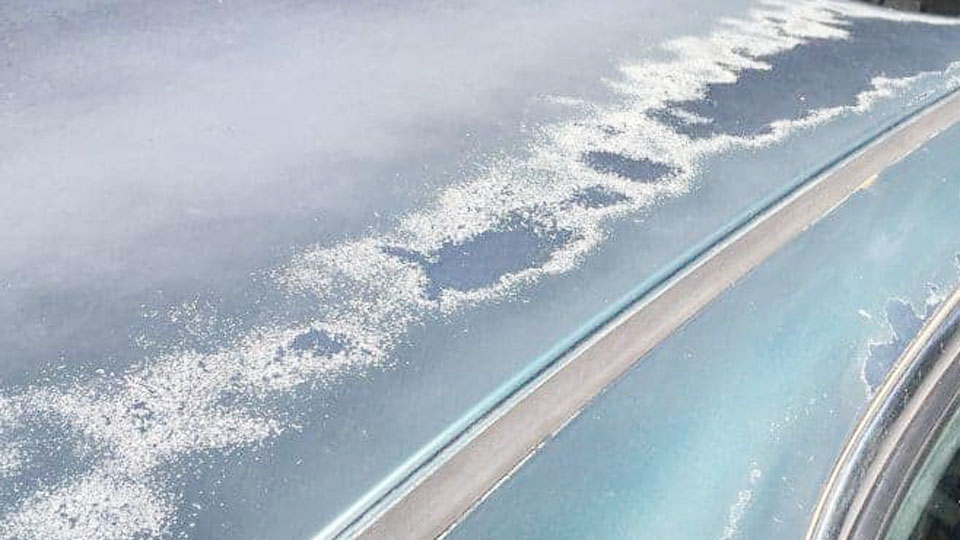
Photo by avalonking
If you’re restoring an old ride or touching up a few panels, sanding between coats makes a huge difference. The goal is not just to rough up the surface for the next coat to stick better, but also to level out imperfections like dust, orange peel, or drips. I’ll walk you through exactly what grit to use, when to use it, and how to avoid common mistakes.
This guide is written just like I would explain it to a friend. So grab your favorite drink, and let’s talk sandpaper, car paint, and how to make your paint job look like it rolled off a showroom floor.
Why Sand Between Coats of Car Paint?
I used to think that painting was all about spraying and letting it dry. I saw my first finished paint job. It looked rough—dull in spots, a little bumpy, not what I expected. That’s when I learned about sanding between coats.
Here’s why it matters:
- Improves adhesion: Paint sticks better to a surface that has a little “tooth” or texture.
- Smooths out imperfections: Dust, lint, or little bumps can be knocked down before the next coat.
- Creates an even finish: Layers of paint build up cleanly, avoiding runs or uneven spots.
It’s not about removing the paint you just laid down. It’s about refining it—kind of like polishing a rough stone until it shines.
Grit Numbers: What Do They Mean?
Before I even held my first sheet of sandpaper, I was confused about grit numbers. Let me make it simple.
The grit number tells you how coarse or fine the sandpaper is. Lower numbers mean rougher sandpaper, higher numbers mean smoother. It’s measured by how many abrasive particles are in a square inch.
Here’s a quick reference:
| Grit Number | Type | Use Case |
|---|---|---|
| 40–80 | Coarse | Removing old paint, body filler shaping |
| 120–180 | Medium | Feathering edges, smoothing primer |
| 320–400 | Fine | Between coats of paint |
| 600–800 | Very Fine | Between clear coats, light sanding |
| 1000–2000 | Ultra Fine | Wet sanding for final polishing |
The sweet spot for sanding between coats of paint on a car is usually between 320 to 600 grit, depending on the situation.
What Grit Sandpaper to Use Between Base Coats?
When applying multiple base coats (color coats), I typically go with 400 grit sandpaper. It gives just enough bite without cutting too deep. If you’re working on a solid color and want a nice, clean layer to build on, 400 grit is your friend.
Here’s how I do it:
- Wait until the base coat is completely dry
- Wet sand gently with 400 grit sandpaper
- Keep the surface and paper wet to avoid scratching
- Use light pressure—don’t dig in
- Rinse and wipe down with a tack cloth before spraying the next coat
If you’re spraying metallic or pearl paint, be extra careful. Deep scratches from low-grit paper can show through the top layers.
What Grit Sandpaper Between Clear Coats?
Clear coat is where the gloss comes in. I usually apply two to three layers of clear. Between these coats, I switch to a 600 grit wet sanding approach. This lets the next coat of clear stick better while leveling out any texture.
When using 600 grit:
- Keep everything wet
- Use a sanding block to stay flat
- Watch for dullness—don’t sand through the clear coat
- Wipe dry and inspect under bright light
If you sand too aggressively, you’ll cut into the color coat, and that’s a pain to fix. I always go slow here and let the paper do the work.
Should You Sand Between Primer Coats Too?
Absolutely. Primer doesn’t always go on smoothly, especially if sprayed in a dusty area or on a hot day. I usually sand my primer with 320 or 400 grit, depending on how rough it is.
The goal is to:
- Remove surface texture
- Feather out any repair areas
- Prep for the base coat to lay down smoothly
I prefer dry sanding for primer, but wet sanding works too—just be sure the primer is compatible with water or it can swell.
Wet Sanding vs. Dry Sanding: What’s the Difference?
This is a common question I get, and I’ve used both.
Wet sanding involves soaking your sandpaper in water and keeping the surface wet while sanding. It reduces dust and gives a finer finish. I use it between base coats and clear coats.
Dry sanding is better for rough work—like stripping old paint or shaping body filler. It’s faster and more aggressive.
Here’s a comparison:
| Sanding Type | When to Use | Grit Range |
|---|---|---|
| Wet Sanding | Between paint/clear coats | 400–2000 grit |
| Dry Sanding | Primer, old paint, bodywork | 80–400 grit |
Always make sure to clean the surface thoroughly before painting after either method.
How Many Coats Should You Sand Between?
I usually sand between every 2 coats unless the paint looks perfect. Some people don’t sand between coats at all and just sand at the end, but I find that sanding between layers gives a better finish with fewer problems to fix later.
It also depends on:
- Type of paint (some require sanding between coats)
- Desired finish (smooth gloss vs. matte)
- Spray environment (dusty areas usually need more sanding)
If you’re working in a clean, temperature-controlled booth, you might not need to sand every time. But for us home garage folks, it’s a safe step that makes a big difference.
My Step-by-Step Process for a Smooth Paint Job
To give you a better idea, here’s how I usually approach a full paint job:
- Prep the car: Wash, degrease, and sand the old surface with 320 grit
- Apply primer: 2–3 coats, sanding with 320 between if needed
- Base coat: Apply 2–3 coats of paint, sanding with 400 grit between each
- Clear coat: Spray 2–3 coats, sanding with 600 grit if needed between coats
- Final wet sand and polish: Use 1000–2000 grit for a glassy finish
This routine gives me clean lines, deep shine, and minimal issues to correct afterward.
Tips for Sanding Between Coats of Car Paint
Over time, I’ve learned some tricks that make a huge difference:
- Use a foam sanding pad or block: It helps keep the pressure even
- Always sand in a circular or crosshatch motion: This avoids visible streaks
- Change your sandpaper often: Worn paper doesn’t cut cleanly
- Keep your hands clean: Oils from your fingers can affect adhesion
- Don’t overdo it: Light passes are better than heavy sanding
I used to get impatient and sand too hard, thinking it would smooth things faster. That always led to cutting into the layer below and having to redo the work.
Can You Skip Sanding Between Coats?
Technically, yes—some paints are designed to bond chemically if applied within a specific time window. But if that window passes or you’re doing multiple layers over several days, sanding is essential.
I always recommend sanding if:
- You feel bumps or texture on the surface
- You’re waiting more than a few hours between coats
- You want the smoothest possible finish
Skipping sanding might save time now, but it could cost you in the long run with poor adhesion or a rough surface.
Conclusion
Sanding between coats of paint on your car is one of those small steps that makes a big difference. It’s not just about smoothing things out—it’s about laying the groundwork for a finish that looks flawless and lasts.
If you’re working on a DIY paint job, use 400 grit between base coats and 600 grit between clear coats. Always keep the surface clean and use wet sanding where possible for the best results.
It takes a little extra time, but the payoff is huge. When you see that deep, shiny finish reflecting the sky, you’ll know it was worth every minute.
FAQs
What grit sandpaper should I use between coats of car paint?
Use 400 grit between base coats and 600 grit between clear coats for best results.
Can I use dry sandpaper between coats?
Yes, but wet sanding is better between coats to avoid scratches and dust buildup.
Do I have to sand between every coat of paint?
Not always. If you spray the next coat within the recoat window, sanding may not be required. But sanding gives a smoother, more even result.
Is it okay to sand metallic or pearl base coats?
Yes, but be gentle. Use 600 grit and wet sand carefully to avoid disturbing the flakes or color layers.
What happens if I don’t sand between coats?
You may get a rough texture, poor adhesion, or even peeling over time. It’s safer to sand lightly for better results.


