
When I first got into car painting, I quickly realized that sanding is the most important step. If you get it wrong, the paint won’t stick properly, and you’ll end up with peeling, uneven, or rough-looking results.
If you choose the right sandpaper grit and use it correctly, you’ll create a smooth surface that holds paint beautifully for years to come.
So, what grit of sandpaper should you use before painting a car? It depends on the condition of the surface and the stage of the process. Sanding a bare metal car body, an old paint job, or a fresh primer coat all require different grits. Let’s go through everything you need to know.
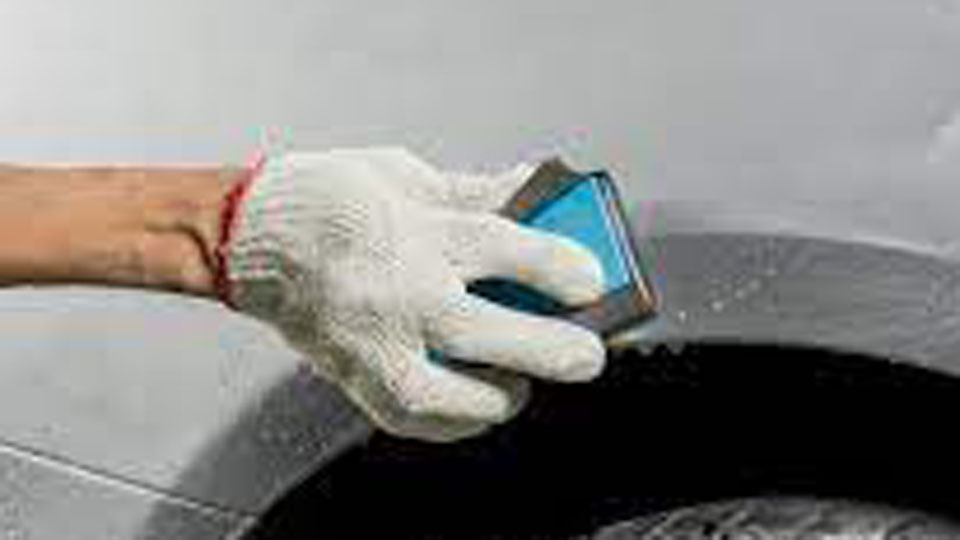
Image by way
Why Sanding is Essential Before Painting a Car
Painting a car isn’t just about spraying color onto the surface. If you want professional-looking results, sanding is crucial because it:
- Removes old paint – This prevents uneven layering or peeling.
- Smooths imperfections – Sanding levels out small dents, scratches, and bumps.
- Creates a rough texture – Paint and primer need a slightly rough surface to stick properly.
- Eliminates oxidation – Older paint can have oxidation that affects adhesion.
Skipping this step can lead to a poor finish, wasted time, and money on a paint job that won’t last.
Choosing the Right Sandpaper Grit for Each Stage
Sandpaper comes in different grit sizes, and each serves a specific purpose in car painting. The grit number refers to how fine or coarse the sandpaper is—the lower the number, the rougher it is.
Here’s a breakdown of the best sandpaper grits for different stages of car painting:
| Grit Number | Type | Best For |
|---|---|---|
| 40-80 | Coarse | Removing old paint, rust, or body filler |
| 120-180 | Medium | Smoothing after paint removal, shaping body filler |
| 220-320 | Fine | Final sanding before applying primer |
| 400-600 | Extra Fine | Prepping the surface before base coat |
| 1000-2000+ | Ultra Fine | Wet sanding for a smooth, glossy finish |
Let’s go step by step through the entire sanding process before painting your car.
Step 1: Removing Old Paint or Rust
If you’re repainting a car, you need to remove the old paint first. This step ensures that you’re starting with a fresh surface that won’t cause peeling or uneven layers.
- Use 40-80 grit sandpaper for this stage.
- A dual-action (DA) sander or sanding discs will make this process much faster.
- If there’s rust, you might need a wire brush or grinder for deep corrosion.
Don’t worry about making the surface perfectly smooth at this stage. You’re just getting rid of the old layers.
Step 2: Smoothing and Shaping the Surface
Once the old paint is gone, you need to smooth out any imperfections before applying primer.
- Use 120-180 grit sandpaper to remove deep scratches left by the coarse sandpaper.
- If you’ve applied body filler, this is the best grit to shape and smooth it.
At this stage, the car body should feel even but still slightly rough, allowing the primer to adhere properly.
Step 3: Sanding Before Primer Application
Before you apply primer, the surface needs to be even smoother.
- Use 220-320 grit sandpaper to prepare the metal or filler areas.
- Make sure to wipe away dust with a clean cloth after sanding.
This step ensures the primer sticks well and creates a solid base for the paint.
Step 4: Sanding the Primer Before Base Coat
After applying primer, you need to sand again to create a smooth base for the paint.
- Use 400-600 grit sandpaper for this step.
- Wet sanding works best here because it prevents clogging and provides a fine finish.
At this stage, the car should feel silky smooth, and the surface should be even without visible scratches.
Step 5: Final Sanding Before Clear Coat
For a flawless finish, wet sanding before applying the clear coat is highly recommended.
- Use 1000-2000 grit sandpaper to smooth out any imperfections.
- Always use wet sanding at this stage to avoid scratching the paint.
This final sanding step makes the paint job look professional and glossy once the clear coat is applied.
Wet Sanding vs Dry Sanding – Which is Better?
Both wet and dry sanding are useful in car painting, but they serve different purposes.
| Method | Best For |
|---|---|
| Dry Sanding | Removing paint, shaping filler, initial sanding |
| Wet Sanding | Smoothing primer, final sanding before clear coat |
Wet sanding is done with very fine grit sandpaper (1000+ grit) and a water/lubricant mixture. It prevents deep scratches and gives a showroom-quality finish.
Tips for the Best Sanding Results
- Use the Right Sandpaper Type – Automotive sandpaper is designed for metal surfaces, so avoid wood or drywall sandpaper.
- Use a Sanding Block or DA Sander – These tools help apply even pressure for a uniform finish.
- Work in Steps – Don’t skip grits. Gradually move from coarse to fine sandpaper for the best results.
- Clean Between Stages – Wipe away dust and debris after each sanding stage to prevent imperfections.
- Be Gentle – Let the sandpaper do the work. Too much pressure can cause deep scratches.
- Use Wet Sanding for Fine Grits – Anything above 400 grit should be done with water to prevent clogging.
Common Mistakes to Avoid
- Skipping sanding steps – Moving straight to fine grit without smoothing rough areas first can cause uneven paint adhesion.
- Using the wrong sandpaper grit – Coarse grit can leave deep scratches, and fine grit won’t remove enough material.
- Not cleaning properly between sanding – Dust and debris can create imperfections in the paint.
- Sanding too aggressively – Applying too much pressure can cause dips and uneven areas.
Conclusion
So, what grit sandpaper should you use before painting a car? It depends on which stage of the process you’re at.
- 40-80 grit for removing old paint and rust.
- 120-180 grit for smoothing body filler and rough areas.
- 220-320 grit for sanding before primer.
- 400-600 grit for sanding the primer before base coat.
- 1000-2000 grit for wet sanding before the clear coat.
Taking the time to sand properly will give you a smooth, long-lasting paint job that looks professional. Whether you’re painting a full car or just fixing up a small section, following these sanding steps will help you get the best results.
FAQs
Can I paint over old car paint without sanding?
It’s not recommended. Sanding helps paint stick better and prevents peeling.
What grit sandpaper should I use to remove rust from a car?
Use 40-80 grit to remove heavy rust, then smooth it with 120-180 grit.
Do I need to wet sand before painting a car?
Wet sanding is best for final smoothing before the base coat and clear coat.
How long should I sand before painting?
Sanding time depends on the condition of the car, but it’s worth spending extra time for a professional finish.
Can I use a sander on a car?
Yes, a dual-action (DA) sander speeds up the process and provides even results.


