You know that sinking feeling when your MIG welder starts acting up right in the middle of a job? One minute it’s running smooth, the next it’s sputtering, spitting, or refusing to strike an arc at all.
I’ve had days where I spent more time troubleshooting than actually welding — and that’s how I learned what really goes wrong with these machines. Getting to know how to fix a MIG welder isn’t just handy; it’s part of being a welder.
Most problems aren’t as bad as they seem — a bad ground, clogged liner, or worn tip can shut you down fast, but they’re easy to spot once you know where to look. The key is learning to read the signs before they cost you time (or wire).
In this guide, I’ll break down the most common MIG welder issues I’ve faced and the quick fixes that actually work — no fancy tools, just shop smarts and a little patience.

Image by weldingweb
Understanding How Your MIG Welder Works Before You Fix It
Before we jump into fixes, let’s get on the same page about what makes a MIG welder tick. It’s not magic; it’s a symphony of electricity, wire, gas, and mechanics. At its core, MIG—Metal Inert Gas welding—feeds a continuous wire electrode through a torch, where it meets an electric arc that melts it into the joint.
Shielding gas (usually argon or a CO2 mix) protects the puddle from air contamination, and your power source ramps up the amps and volts to control the heat.
I’ve seen newbies skip this step and end up chasing ghosts. Picture this: You’re welding 1/4-inch mild steel plate for a gate frame. The wire (say, ER70S-6, solid .030-inch) feeds at 200 inches per minute, voltage at 20V, on a 75/25 Ar/CO2 mix at 20 CFH.
That setup gives a smooth spray transfer for clean penetration without burn-through. But if any piece is off—like a clogged gas line or worn drive rolls—the whole thing falls apart.
Why does this matter for fixes? Knowing the flow helps you pinpoint where the breakdown happens. For DIYers building birdhouses or pros fabricating trailers, it’s the difference between a bead that looks pro and one that needs grinding out. And safety-wise? Proper function means less arc flash risk and stable operation, aligning with OSHA guidelines for shop setups.
Signs Your MIG Welder Needs Attention
Spotting trouble early saves headaches. I’ve learned the hard way: Ignoring that faint whine or inconsistent hum leads to bigger bills. Common red flags include no arc at all, wire that birdnests (tangles up like a bad fishing reel), excessive spatter flying like popcorn, or porosity pocking your welds like Swiss cheese.
Take erratic arc, for instance. It crackles and flares, leaving uneven beads. In my early days as a fab shop apprentice, this plagued my aluminum repairs—turns out, inconsistent grounding was the culprit, causing voltage drops mid-weld. Another tell: If your wire burns back to the tip, fusing it solid, that’s often too-short stickout or low voltage.
For hobbyists on thinner stock, watch for burn-through—holes where heat overwhelms the metal. Pros dealing with structural steel might see lack of fusion, where layers don’t bond, failing pull tests per AWS D1.1. And don’t overlook the basics: If the machine won’t power on, it’s likely a tripped breaker or bad cord, not the inverter.
Listen to your setup. A healthy MIG sounds like steady bacon sizzling; problems roar like a chainsaw choking on wet wood. Catching these early keeps you welding, not wrenching.
Step-by-Step Guide to Diagnosing MIG Welder Issues
Grab your multimeter, a can of compressed air, and let’s diagnose like pros. This isn’t guesswork—it’s a logical path from power to puddle. I’ll walk you through it, based on countless shop fixes.
First, power check. Plug in, flip the switch—nothing? Test the outlet with a lamp or meter; U.S. standards call for 120V/240V grounded circuits. No juice? Inspect the cord for frays—I’ve nicked mine on a bench grinder more than once. If it powers up but no trigger response, probe the trigger switch continuity; a faulty one cost me a morning on a jobsite once.
Next, grounding. Clip your work lead to clean metal, not a rusty table. Loose connection? Voltage dips, arc stutters. Clean the clamp jaws with a wire brush—simple, but it fixed a “dead” machine for a student I mentored last year.
Wire feed test: Unspool a foot without welding. Jerky? Dive into the drive rolls. Open the panel, release tension, inspect for shavings or flat spots.
Common mistake: Over-tightening crushes soft aluminum wire. Adjust to just grip—knuckle-tight—and you’re golden.
Gas flow: Pull the trigger sans wire; hear a hiss? Dial your regulator to 15-25 CFH for most jobs. Bubbles in the line? Check for kinks or empty bottles. I once traced a porosity plague to a half-empty CO2 tank—switched to argon, problem solved.
Torch inspection: Feel for heat buildup post-weld. Hot neck? Could be restricted cooling in water-cooled guns. Disassemble: Nozzle spattered? Clean with a reamer. Tip oversized? It arcs wide—replace with a matching bore for your wire size.
Run a test bead on scrap. Flat? Good. Porous? Back to gas. Burned back? Voltage tweak. This sequence catches 80% of issues without tearing everything apart.
Common MIG Welder Problems and How to Fix Them
Now, let’s tackle the big ones. These are the gremlins that sneak up on everyone—from garage tinkerers to union ironworkers.
No Power or Won’t Start
Dead as a doornail? Start simple: Switch on? Cord plugged firm? In the U.S., MIGs draw serious amps—ensure your breaker matches (20A for 120V units). Blown fuse inside? Pop the cover, replace with the rated one (check your manual—Lincoln specs 15A slow-blow).
Overload trip? Let it cool; these thermal protectors save your inverter from burnout. Anecdote time: On a hot Texas fab job, my Miller went silent—dust-clogged fan. Blasted it clean, back in business. Pro tip: Vacuum internals monthly to dodge this.
If it’s deeper—like a failed PCB—call a tech, but that’s rare with basic checks.
Wire Feed Problems: Jams, Birdnesting, and Burnbacks
Wire’s your lifeline; when it rebels, productivity tanks. Birdnesting? That tangled mess at the rollers screams wrong tension or liner drag. Fix: Loosen rolls, clear debris, re-tension per wire type—looser for aluminum, tighter for steel.
Jams often trace to a kinked liner. Pull it out (unscrew at both ends), blow through with air, reinstall straight. I’ve straightened bent ones with pliers, but replace if mangled—cheap insurance.
Burnback—wire welds to tip? Short stickout or high feed speed. Clip the wire to 3/8-inch, dial voltage up 1-2V. Common error: Forcing thick wire on thin stock; match ER70S-6 .035 for 18-gauge sheet.
Table for quick fixes:
| Problem | Likely Cause | Quick Fix | Prevention |
|---|---|---|---|
| Birdnesting | Over-tensioned rolls | Loosen to light grip, clear shavings | Inspect weekly, use anti-jam guides |
| Wire Jam | Kinked liner or dirty spool | Replace liner, unwind spool smoothly | Store wire dry, cut straight ends |
| Burnback | Low voltage/short stickout | Increase V by 1, extend to 1/2″ | Test on scrap, match settings to material |
These tweaks keep you feeding clean.
Erratic Arc and Inconsistent Welds
That fluttering arc? Frustrating as a flickering fluorescent. Grounding’s prime suspect—clean clamp, attach direct to work. Rusty tables eat voltage; I’ve lost hours to this on outdoor repairs.
Next, consumables: Worn tip bores widen, arcing wild. Measure with a gauge—replace if off by .005″. Diffuser clogged? Unscrew, tap clean. Nozzle spatter? Ream it; buildup disrupts gas.
Settings mismatch: Too-high wire speed on low volts sputters. Use charts— for 1/4″ steel, 18-22V, 150-250 IPM. Personal story: Teaching a hobbyist group, one guy’s arc popped like fireworks—over-gassed at 40 CFH. Dropped to 20, smooth sailing.
If it’s voltage drop, check leads for resistance—long runs need thicker cable.
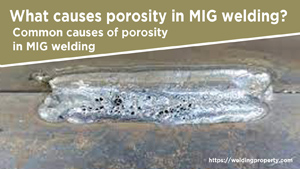
Gas Flow Issues Causing Porosity
Porosity weakens welds like termites in wood—tiny voids from air sneaking in. First, flow rate: 20-25 CFH for short guns, 30-35 for long. Too low? Gaps let oxygen contaminate. Too high? Turbulence sucks air back.
Leaks? Soap-test hose fittings—bubbles mean tighten or tape. Drafty shops? Wind blocks help; I rig cardboard shields for garage breezes.
Contaminate check: Rusty base metal traps gas—grind to bright. Wet wire? Bake it at 250°F for an hour. Fixed a buddy’s trailer frame this way; his “porous” beads passed inspection.
Overheating and Thermal Shutdowns
Your welder’s sweating? Duty cycle exceeded—run 60% at max amps means 6 minutes on, 4 off. Fans clogged? Clean ’em; dust is a killer in dusty U.S. Midwest shops.
For air-cooled torches, spatter buildup insulates heat—clean daily. Water-cooled? Check coolant levels, flush yearly to prevent corrosion. I overheated a unit once ignoring the pump hum—new block after.
Cool-down ritual: Unplug, let rest. Prevents inverter fries, saving hundreds.
Essential Maintenance Practices to Prevent MIG Welder Breakdowns
Fixing’s reactive; maintenance is proactive. Treat your MIG like a truck—oil it, or it’ll strand you. Weekly: Wipe down exterior, inspect cables for cuts. Monthly: Full liner blow-out, roll inspection.
Consumables rotation: Tips every 8-10 hours, nozzles weekly. Wire storage: Dry, upright—rust kills feed. Gas regulator: Zero out when done, prevents diaphragm bursts.
Safety weave-in: Gloves off for internals, unplug always. Aligns with ANSI Z49.1—keeps you code-compliant.
Pro insight: Log settings per job. My notebook’s gold—spots patterns like seasonal humidity spiking porosity.
Safety Considerations When Fixing Your MIG Welder
Welding’s hot work; fixing it shouldn’t spark trouble. Lockout/tagout before internals—OSHA mandates. Eye pro against flash, even on checks.
Ventilate for gas—CO2 buildup’s no joke. Ground yourself to avoid shocks. Gloves for hot parts, but cotton for electrics.
In shops, fire watch post-fix—residual heat ignites oils. My rule: Extinguisher handy, never weld alone on repairs.
Advanced Fixes for Stubborn MIG Welder Problems
When basics fail, go deeper. Trigger wiring frayed? Solder new leads—fixed a intermittent stutter on my old Hobart. Inverter hum odd? Capacitor test with meter; bulged ones fail under load.
For flux-core users, spatter city? Switch gases or anti-spatter spray. Aluminum pros: Pure argon, U-groove tips.
If it’s toast, upgrade—modern inverters like YesWelder’s handle surges better. But DIY first; saves dough.
Choosing the Right Tools and Parts for MIG Repairs
Stock smart: Universal liners (nylon for steel, Teflon for alum), knurled rolls for knobby wires. Multimeter’s your buddy—under $20 at Harbor Freight.
U.S. brands shine: Bernard tips last longer, Tregaskiss for heavy duty. Match to your machine—Lincoln liners fit Millers, but check.
Budget tip: Bulk consumables cut costs 30%.
When to Call a Professional for MIG Welder Repairs
DIY’s empowering, but know limits. Blown rectifier? Tech time—high voltage bites. Warranty intact? Don’t void it tinkering.
Signs: Persistent no-arc post-checks, burnt smells. Local shops charge $100-200 diagnostic; worth it for downtime aversion.
Conclusion: Weld Confidently with a Tuned-Up MIG
We’ve covered —from dead starts to finicky feeds, all to get your MIG purring again. Key takeaways? Diagnose systematically, maintain religiously, and respect safety—it’s your ticket to welds that endure hauls, heat, and time.
You’re now armed to spot issues early, tweak settings for any metal, and avoid those costly shop visits. Whether you’re a student sparking your first bead or a vet framing beams, this know-how builds trust in your setup.
Go fire it up on some scrap—feel that steady sizzle? That’s victory. One pro tip: After every fix, run a “confidence bead” on witness stock. Log it, compare future runs. Keeps you sharp, saves sanity. What’s your next project? Hit the arc knowing you’ve got this.
FAQs
Why Is My MIG Welder Spitting and Sputtering?
That spit-take’s usually spatter from mismatched voltage/wire speed or dirty contacts. Dial volts down 1-2 if too hot, clean tip/nozzle. Test on mild steel—smooth arc means you’re set. Common on beginners; practice evens it out.
How Do I Stop Wire from Birdnesting in My MIG Welder?
Birdnests scream drag—check liner for bends, rolls for burrs. Loosen tension slightly, ensure spool unwinds free. For flux-core, use V-rolls only. Fixed mine by swapping to a straight liner; no jams since.
What’s Causing Porosity in My MIG Welds?
Air sneaking in via low gas flow, leaks, or dirty metal. Hit 20 CFH, soap-check hoses, grind joints clean. Drafts? Shield it. Switched a student from rusty stock to prepped—porosity vanished, beads popped.
My MIG Welder Keeps Overheating—What Now?
Duty cycle breach or clogged vents. Run bursts, vacuum fans. Water-cooled? Flush lines. I added a shop fan for airflow; dropped temps 20%. Monitor gauges—prevents shutdowns mid-job.
Can I Fix a Burnt MIG Tip Myself?
Absolutely—clip the fused wire, ream the hole, or replace cheap. Oversized bore arcs erratic, so match wire (.030 needs .031 tip). Quick swap keeps you welding; stock extras.