Running a MIG welder without shielding gas can feel confusing at first. The arc sounds different, the sparks are more aggressive, and the bead doesn’t behave like gas-shielded MIG at all. That’s usually when beginners start asking How to MIG Weld Without Gas for Beginners, especially after fighting spatter and wondering why the weld looks rough.
I learned this by practicing with flux-cored wire on outdoor jobs where wind made gas useless. Welding without gas has its place—it’s more forgiving outside, cheaper to get started, and still strong when done right. But if your settings, technique, or wire choice are off, you’ll burn through metal fast and end up grinding more than welding.
If flux-core welding has been frustrating or confusing so far, you’re not alone. Let me walk you through the basics that actually matter, step by step, so you can get cleaner, stronger welds without gas.

Photo weldgears
What Exactly Is MIG Welding Without Gas?
MIG welding without gas isn’t some hack—it’s a legitimate process called self-shielded flux-cored arc welding. You feed a tubular wire filled with flux through your MIG gun, and as it melts, the flux vaporizes to form a protective slag and gas shield right at the weld site.
How does it work? The arc starts when you pull the trigger, melting the wire and base metal into a pool. The flux inside the wire releases gases that push away oxygen and nitrogen, preventing oxidation. Leftover slag covers the weld as it cools, which you chip off later. It’s similar to stick welding but continuous, like regular MIG.
I use this when I’m out in the field without easy access to argon or CO2 mixes. It’s ideal for thicker materials over 1/8 inch, like structural steel or heavy repairs, because it deposits metal faster and penetrates deeper.
It saves money on gas—those cylinders add up—and it’s less sensitive to rust or paint on the metal. In my shop, I’ve welded galvanized steel without major zinc fume issues, something gas MIG struggles with.
Start with E71T-GS wire for all-position welding. It’s versatile for beginners and runs on DCEN polarity, which most home MIG machines support. Test on scrap first to feel the drag angle—about 10-15 degrees pushing works best for smooth beads.
Why Would a Beginner Choose Gasless MIG Over Traditional Methods?
As a newbie, you might think gas is essential for clean welds, but gasless MIG shines in scenarios where portability matters. Think DIY projects in your backyard or quick fixes on job sites without power for gas regulators.
It works by relying on the flux to shield, so no need for windshields or indoor-only rules. Use it for outdoor fabrication, like building gates or repairing trailers, where wind scatters gas shields and causes porosity.
Why choose it? Cost is huge—entry-level flux-cored setups run under $200, and wire spools last longer without gas expenses. It also handles contaminated surfaces better, reducing prep time. I’ve saved hours on rusty farm implements by skipping full grinding sessions.
But it’s not perfect. Pros: Deeper penetration, higher deposition rates, and no gas hassles. Cons: More spatter to clean, slag removal required, and it’s louder with more smoke. For beginners, stick to mild steel first; it’s forgiving and cheap.
If you’re welding thin auto panels, gasless might burn through easier due to higher heat. Dial amperage down to 80-100 amps for 18-gauge, and use short bursts to control distortion.
Essential Gear for Getting Started with Gasless MIG
Before you strike an arc, let’s talk equipment. You need a MIG welder capable of flux-cored wire—most inverter models like the Lincoln Electric or Miller handle it with a polarity swap.
What gear? A welder with at least 140 amps output, flux-cored wire (0.030-inch diameter for starters), contact tips sized to your wire, and a good helmet with auto-darkening lens rated shade 10-13.
How it all fits: The wire feeds through the liner, and you set the machine to DCEN (electrode negative) for gasless. Ground clamp attaches to your workpiece for a solid circuit.
Use this setup for home repairs or hobby builds. It’s why I keep a portable unit in my truck—plug into 110V, and you’re welding without dragging gas tanks.
Practical advice: Invest in anti-spatter spray for your nozzle; it cuts cleanup time. And always check wire tension—too loose, and it birds-nests; too tight, and it flattens the wire.
Here’s a quick comparison table of basic setups:
| Component | Budget Option | Pro Recommendation | Why It Matters |
|---|---|---|---|
| Welder | Harbor Freight 90A | Lincoln 140 | Higher amps for thicker metal, better duty cycle |
| Wire | 0.035″ E71T-11 | 0.030″ E71T-GS | Finer wire for beginners, less burn-through |
| Helmet | Basic fixed shade | Speedglas auto-darken | Faster reaction, less eye strain on long jobs |
| Gloves | Leather work gloves | Tillman MIG gloves | Heat resistance, dexterity for gun control |
This gear keeps you safe and efficient without breaking the bank.
How to Set Up Your Machine for Flux-Cored Welding
Setting up is where most beginners trip up, but it’s straightforward once you get the hang. First, flip your welder’s polarity to DCEN—check the manual, as it’s often a simple cable swap inside.
What settings? For 0.030-inch wire on 1/4-inch steel, start at 120-140 amps and 18-20 volts. Wire feed speed around 250-300 inches per minute gives a steady arc.
How it works: Higher amps mean more heat and penetration, but too much causes undercut. Voltage controls arc length—lower for short arc, less spatter.
Do this for any mild steel job, like welding brackets or frames. I once fixed a cracked mower deck with these settings, and it held up through seasons of abuse.
Tip: Use a drag technique, pulling the gun toward you at 10 degrees. It helps the slag flow back and protects the pool. Test on scrap to dial in—listen for that consistent “bacon frying” sound.
Step-by-Step Guide: Your First Gasless MIG Weld
I’ll walk you through welding a simple butt joint on mild steel, something every beginner should master.
Step 1: Prep the metal. Clean edges with a wire brush or grinder to remove rust—gasless tolerates some dirt, but clean is better for strong bonds.
Step 2: Set your machine. DCEN polarity, 100-120 amps for 1/8-inch plate, 17-19 volts, wire speed 200-250 IPM.
Step 3: Clamp pieces with a 1/16-inch gap for filler. Ground to the workpiece.
Step 4: Hold the gun 1/2-inch from the joint, 10-15 degree angle, and pull the trigger. Move at 1/2 inch per second for a flat bead.
Step 5: Watch the pool— it should be oval, not splashing. Overlap beads by 50% for multi-pass.
Step 6: Cool, chip slag with a chipping hammer, wire brush the weld.
I remember teaching a buddy this on his first gate build—he burned through initially from high amps, but dropping to 110 fixed it. Practice on scrap until beads look like stacked dimes.
For T-joints, increase amps to 130 for better fusion. Always wear PPE—fumes from flux are no joke.
Common Mistakes Beginners Make and How to Fix Them
Even pros slip up, but beginners often overdo travel speed or ignore polarity. Wrong polarity? You’ll get erratic arc and poor penetration—always double-check DCEN.
What happens with fast travel? Shallow welds that crack under stress. Slow down to let the pool form properly.
Why avoid it? Weak joints lead to rework, wasting wire and time. I’ve seen DIY fences fail because of this.
Fix: Practice stringer beads on flat plate. If spatter builds, clean nozzle often and lower voltage.
Another pitfall: Using solid wire without gas—total mess with porosity. Stick to flux-cored only.
Early on, I welded a trailer hitch with too thin wire— it fed inconsistently. Switched to 0.035-inch, and problem solved. Match wire to material thickness.
Safety First: Protecting Yourself in the Workshop
Safety isn’t optional—I’ve dodged enough sparks to know. Gasless MIG produces more UV light and fumes, so ventilation is key.
What to do: Wear flame-resistant clothing, leather gloves, and a respirator for flux smoke, which can irritate lungs.
How to stay safe: Set up fans or work outside. Inspect cables for frays to avoid shocks.
Use these habits on every job, especially with beginners who might overlook arc flash risks.
Tip: Keep a fire extinguisher handy—molten spatter can ignite rags. And never weld on galvanized without extra ventilation; zinc fumes are toxic.
Troubleshooting: Fixing Ugly Welds on the Spot
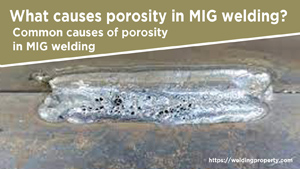
Bad weld? Don’t scrap it—troubleshoot. Porosity looks like pinholes from moisture or wind—dry your wire and shield from drafts.
Undercut? Edges melted away from high amps or fast travel. Lower heat and pause at toes.
How to fix: Grind out defects, reweld with proper settings. For bird-nesting wire, check drive rolls for wear.
In my experience, 90% of issues stem from dirty metal or wrong amps. Test settings always.
Pros/cons table for common problems:
| Issue | Cause | Fix | Prevention |
|---|---|---|---|
| Porosity | Contaminants | Grind and reweld | Clean thoroughly |
| Excessive Spatter | High voltage | Drop to 18V | Anti-spatter gel |
| Lack of Penetration | Low amps | Increase to 130 | Match to thickness |
| Burn-Through | Too hot | Short bursts | Lower amps on thin |
This keeps your projects strong and looking pro.
Advanced Tips: Material Compatibility and Joint Prep
Once basics click, think compatibility. Flux-cored works great on carbon steel, but for stainless, use specific wires like E308LT.
Prep joints: Bevel edges on thick plates for better fusion—45 degrees for V-grooves.
Why? Proper prep ensures full penetration without voids. I’ve welded heavy beams this way, holding tons without fail.
Tip: For aluminum, gasless isn’t ideal—stick to gas MIG. But for mild steel repairs, it’s unbeatable.
Amperage ranges: 80-110 for 16-gauge, 120-150 for 1/4-inch. Always start low and adjust.
When to Switch Back to Gas MIG
Gasless isn’t always best. For clean indoor work on thin sheets, gas gives smoother beads with less cleanup.
How? Argon/CO2 mix shields better for cosmetics, like auto body.
Use gasless outdoors or on dirty jobs, gas for precision.
I’ve mixed both in my shop—gas for fab, gasless for repairs. Know your project.
Real Shop Applications: From Repairs to Builds
Apply this to everyday tasks. Repairing exhaust? Use 0.030 wire at 100 amps for thin pipes.
Building a workbench? T-joints on square tube with 140 amps hold solid.
For pros, it’s quick for structural work; beginners, forgiving for learning curves.
Wrapping Up
I’ve been down the road of trial and error with gasless MIG, and what sticks is how it empowers you to tackle jobs anywhere without fancy setups. You now know the setups, settings, and fixes to avoid common headaches, making your welds stronger and your projects faster.
Remember, welding’s about practice—grab some scrap and experiment. Always weave slightly on wider joints for even fill; it prevents cold laps and builds toughness that lasts.
FAQs
Can I use any MIG welder for gasless welding?
Most can, but confirm it supports flux-cored with DCEN polarity. Swap leads if needed, and use knurled drive rolls for better wire grip—smooth ones slip on tubular wire.
What’s the best wire size for beginners?
Start with 0.030-inch—it’s versatile for 1/8 to 1/4-inch steel, easier to control than thicker options. For heavier stuff, step up to 0.035-inch once you’re comfortable.
How do I reduce spatter in gasless MIG?
Lower voltage to 17-19V, use anti-spatter spray, and keep a 1/2-inch stickout. Clean your nozzle after every few beads, and avoid dragging too slow.
Is gasless MIG stronger than stick welding?
It can be, with deeper penetration on thick materials, but stick excels in all positions. For beginners, gasless is easier to learn for flat welds.
What safety gear is non-negotiable?
Auto-darkening helmet, respirator for fumes, leather gloves and jacket, plus closed-toe boots. Never skip ear protection—the arc’s loud.