
Waiting on epoxy to cure can feel longer than the repair itself—especially when you’ve got parts clamped up and a job that needs to move. You mix it right, apply it clean, and then you’re stuck checking it every few minutes, hoping it’s set enough to handle. That’s when the question How to Make JB Weld Harden Faster starts to matter in a real, practical way.
In workshop conditions, curing time isn’t just about patience—it affects workflow, strength, and whether you can trust the repair under load.
I’ve seen solid fixes fail simply because the epoxy didn’t get the right conditions to fully cure, while small tweaks in temperature and prep made a huge difference in how fast and how strong it set.
Understanding this can save you time without cutting corners on durability. In this guide, I’ll walk through the practical ways to speed up JB Weld curing safely, what actually works, and what you should avoid if you don’t want to weaken the bond.
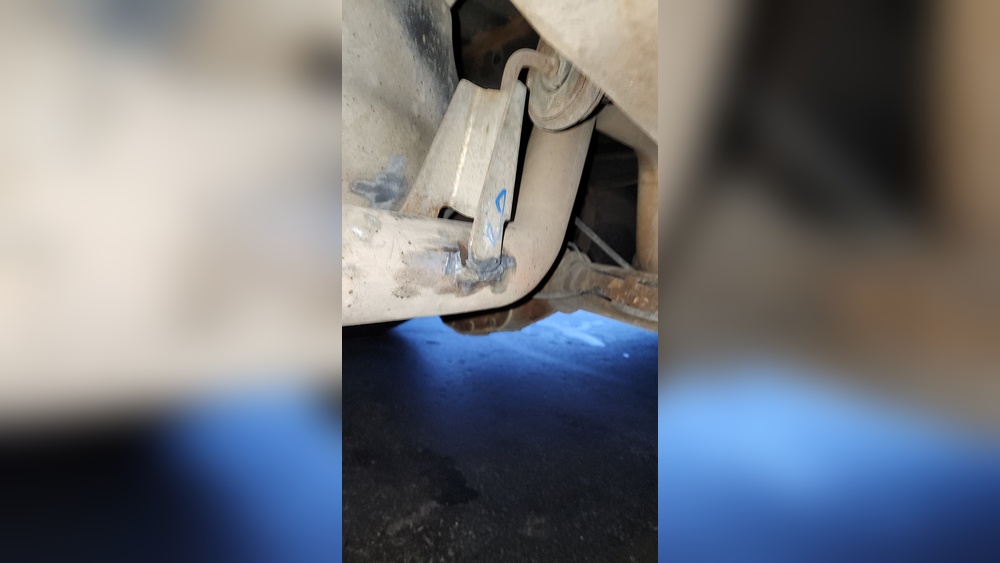
What Is JB Weld and Why Does Cure Time Matter in Welding and Fabrication?
JB Weld is a two-part epoxy adhesive reinforced with steel particles. It bonds metal to metal (and many other materials) with impressive strength once cured—often exceeding the base material in shear tests for non-structural fixes.
The original formula sets in 4-6 hours at room temperature and reaches full cure in 15-24 hours. Variants like JB Kwik set much faster, in about 5-6 minutes, with a full cure in a few hours.
In real shop situations, cure time isn’t just an inconvenience. Slow curing delays pressure testing, painting, or assembly. On cold days in a garage or during winter field repairs, it can take days instead of hours.
Heat, humidity, and application thickness all play roles, and getting any of them wrong leads to soft spots that fail when stressed.
I’ve seen beginners apply it thick on a cold part and walk away thinking it’s done—only to find it gummy the next day. Pros know that rushing without control risks distortion-free repairs turning into cracked patches.
Understanding the chemistry helps: it’s an exothermic reaction where the resin and hardener cross-link. Speeding it up safely means controlling that reaction.
Understanding the Science Behind JB Weld Curing
The curing process is a chemical reaction, not simple drying. Mixing equal parts of the steel-filled resin and hardener starts polymerization. Heat accelerates molecular movement, so higher temperatures shorten both set and cure times.
At around 70-90°F (21-32°C), you hit the sweet spot for reliable, fast hardening. Below 50°F (10°C), the reaction slows dramatically—sometimes doubling the time or preventing full cure. High humidity introduces moisture that interferes with cross-linking, leaving cloudy or weaker bonds.
Thicker applications generate more internal heat from the reaction, which can speed surface cure but leave the core soft if not managed. Thinner layers cure more evenly but may need external help in cool conditions.
From experience, I’ve learned that patience with mixing pays off more than any trick. Poorly mixed batches never reach full hardness, no matter the temperature.
How to Make JB Weld Harden Faster: Proven Methods That Actually Work
The most reliable way to accelerate JB Weld is controlled heat. Chemical reactions roughly double in speed for every 18°F (10°C) rise in temperature, within limits.
Use gentle, even heat sources. After the initial set (usually 4-6 hours for original), apply a heat lamp, incandescent bulb, or low-setting heat gun from a safe distance.
One shop trick I’ve used on engine repairs is placing the part near a trouble light or in a warm oven at no more than 150-200°F. This can cut full cure time significantly—sometimes by half—without degrading the bond.
Avoid direct high heat early on; it can cause the epoxy to run or create bubbles. For small parts, a hair dryer on high for short bursts works, but rotate the piece for even exposure. In summer, direct sunlight on a black surface can provide passive warming.
Pre-warm the materials and workspace. Store tubes at room temperature. Warm the repair surface slightly before application using a heat gun on low. This prevents the cold metal from sucking heat out of the mixture.
Choose the right product for the job. If speed is critical, reach for JB Kwik or similar 5-minute formulas instead of fighting the original. I’ve switched mid-project when timelines tightened, and the difference is night and day.
Control humidity and airflow. Work in a dry shop. Fans can help after initial set by moving air, but early on they cool the mixture and slow things down. I once ruined a radiator patch by using a fan too soon—it never fully hardened.
Practical tip: Mix on a disposable surface like cardboard or a plastic lid. Let it sit for a few minutes after mixing to start the reaction before applying. This “pre-cure” tackiness helps it stay put on vertical surfaces and shortens overall time.
Step-by-Step Guide: Applying JB Weld for Faster, Stronger Results
Here’s how I handle a typical repair, like fixing a cracked cast iron bracket or sealing a leak in a fuel tank fitting.
Prepare the surface thoroughly. Clean with acetone or brake cleaner to remove oil, grease, and dirt. Roughen with a wire brush, sandpaper (80-120 grit), or grinder for mechanical bite. On smooth metals like aluminum, score deeply—epoxy doesn’t love slick surfaces.
Mix properly. Squeeze equal lengths from each tube. Mix vigorously for at least 2-3 minutes until uniform color. Scrape sides and bottom repeatedly. Inadequate mixing is the top reason for soft spots.
Apply in the right conditions. Aim for 70°F+ ambient. Apply thinly where possible, building layers if filling gaps. For deep voids, use reinforcement like fiberglass mesh or screen embedded in the first layer.
Clamp or support. Hold parts firmly during initial set. Masking tape or clamps prevent sagging.
Accelerate the cure. After 1-2 hours (when it firms up), introduce gentle heat. Monitor to avoid exceeding 250°F early, as excessive heat can soften the bond before full cross-linking.
Allow full cure before loading. Even with acceleration, test strength gently after 12-24 hours. Full properties develop over time.
I’ve repaired exhaust manifolds this way in cold shops by warming the part first and using a heat lamp overnight. The bond held under heat and vibration better than rushed cold applications.
Common Mistakes That Slow Down or Weaken JB Weld
Beginners often apply it too thick in one go. Thick masses can overheat internally and crack, or cure unevenly. Build in thin layers, allowing each to tack before adding more.
Cold starts are killers. Applying to a frozen part in winter almost guarantees failure. Always warm the metal first.
Rushing mixing leads to streaks of unmixed hardener or resin that never cure. Take the extra minute—it’s worth it.
Ignoring humidity in humid Southern shops or coastal areas causes issues. I’ve seen clear versions turn milky from moisture.
Over-relying on heat too early makes the epoxy runny, ruining the joint. Wait for initial set.
Pros sometimes forget compatibility. JB Weld excels on steel and iron but struggles more with aluminum without heavy prep. Test small areas on critical jobs.
Another pitfall: using expired or old stock. While it doesn’t have a hard date, separated or hardened tubes in the tube perform poorly.
Material Compatibility and When JB Weld Beats Actual Welding
JB Weld shines on non-structural repairs where welding would cause distortion, like thin sheet metal, castings, or heat-sensitive parts. It’s great for filling pits in engine blocks, repairing threads, or bonding dissimilar metals.
For high-stress or load-bearing joints, nothing replaces a proper weld—SMAW with 7018 rods at correct amperage for the electrode diameter, or MIG with proper gas and settings on American machines like Millermatic or Lincoln Power MIG.
I’ve used JB Weld to temporarily patch a cracked transmission case until I could TIG it properly. It held pressure long enough for the drive home.
Comparison of approaches:
JB Weld: No heat distortion, no special equipment, good for gaps up to 1/4 inch or so. Strength around 3960 PSI tensile once cured. Fast for small fixes.
Welding (SMAW): True metallurgical bond, much stronger, but risks warping thin material. Requires rod selection (e.g., 1/8″ 6010 for penetration at 80-120 amps), joint prep with bevels, and post-weld cleaning.
Brazing: Lower heat than fusion welding, good compromise for some repairs.
Use epoxy when welding isn’t feasible—outdoor sites without power, or when avoiding fire hazards near fuel lines.
Safety Considerations Every Welder and DIYer Should Know
Wear gloves—epoxy irritates skin and can cause sensitization over time. Work in ventilated areas; fumes aren’t terrible but aren’t pleasant in confined spaces.
When using heat to accelerate, watch for fire risks, especially near flammables. Never heat sealed containers or pressurized parts.
Eye protection is non-negotiable when grinding cured JB Weld—it’s abrasive and dusty.
For professionals, note that some repairs with epoxy may not meet code for pressure vessels or structural work. Know your limits and when to call in a certified welder.
JB Weld Product Variants: Choosing the Right One for Speed
Original Cold Weld: Versatile, steel reinforced, slower cure. Best for maximum strength.
JB Kwik: Sets in minutes, ideal when you need to file or machine soon after.
ClearWeld: For visible repairs or non-metal bonds.
ExtremeHeat or High-Temp formulas: For exhausts or engines, but still benefit from warmth during initial cure.
In my toolbox, I keep both original and Kwik. For a quick patch on a leaky radiator in the field, Kwik gets me moving; original for permanent shop fixes where I can control conditions.
Joint Preparation Tips That Make or Break the Repair
Surface prep separates amateur from pro results. Degrease twice. Abrade until you see fresh metal. On rusty cast iron, wire wheel until clean, then etch lightly with acid if needed (neutralize well).
For gaps, bevel edges slightly for better filling. Clamp with even pressure—too much squeezes epoxy out, too little leaves voids.
On aluminum, some swear by a light acid etch or specific primers, though standard JB Weld works with aggressive sanding.
Real-World Examples from the Shop Floor
One job involved a broken lug on a tractor wheel hub. Welding risked cracking the casting further, so I cleaned thoroughly, warmed the hub with a torch on low, applied JB Weld with mesh reinforcement, and used a heat lamp. It hardened enough to drive in by evening and held for years.
Another time, a friend tried fixing a cracked aluminum intake manifold in a cold garage. It never set right because of temperature. We redid it indoors with pre-warming and got a solid repair.
These experiences taught me that controlling environment beats fancy techniques every time.
Pros and Cons of Accelerating JB Weld Cure
Pros:
- Faster project turnaround
- Better productivity in time-sensitive repairs
- Can improve bond in some cases by completing reaction fully
Cons:
- Risk of uneven cure if heat is uneven
- Potential for reduced strength if overheated too soon
- Added steps and monitoring required
Weigh them against the job. For non-critical patches, acceleration is a game-changer. For safety-critical parts, full room-temp cure plus extra time is smarter.
Advanced Tips for Consistent Results Every Time
Mix larger batches in small portions if needed to avoid waste from fast setting in warm conditions. Keep unmixed tubes cool for longer pot life.
For vertical or overhead repairs, let the mix tack up on the mixing board first so it doesn’t sag.
Test cure on a scrap piece under the same conditions. This small step has saved me headaches more than once.
When machining or sanding cured JB Weld, it behaves like mild steel—use sharp tools and light pressure to avoid loading.
Reflection on Getting the Most from Epoxy Repairs in a Welding World
After handling hundreds of repairs, the key takeaway is respect for the material and the conditions. How to make JB Weld harden faster comes down to temperature management, thorough prep, and smart product choice more than any single trick.
Understand when epoxy complements welding—filling voids, quick fixes, or distortion-free bonds—and when a bead with proper amperage and rod is the only real solution.
You’re now equipped with shop-tested ways to control cure times, avoid common failures, and decide between glue and actual weld for your next project.
The difference between a patch that lasts and one that fails under vibration often comes down to those extra minutes spent on prep and heat control.
Always warm the repair area to at least 70°F before mixing, then apply gentle post-set heat while monitoring closely. It turns a 24-hour wait into a same-day job more often than not, without compromising the bond that keeps equipment running.
FAQs
Does heating JB Weld with a hair dryer or heat gun really make it harden faster?
Yes, but timing matters. Use after initial set to avoid running. Short bursts or indirect heat can reduce total cure time by up to 50% in my experience. Keep the surface around 100-150°F and rotate for even results. Never overheat fresh applications.
Why didn’t my JB Weld harden fully even after 24 hours?
Common culprits are cold temperatures below 50°F, poor mixing, high humidity, or dirty surfaces. Old product or incorrect ratios also cause issues. Warm the area and redo with fresh tubes and aggressive cleaning for reliable results.
Is JB Weld as strong as an actual weld for metal repairs?
No—for structural or high-heat/high-load applications, welding provides a superior metallurgical bond. JB Weld excels in shear strength for non-critical fixes and gap filling where welding would warp parts. Use it as a complement, not a replacement, on critical jobs.
Can I speed up JB Weld in cold weather shop conditions?
Absolutely—pre-warm parts, work indoors if possible, and use a heat lamp or enclosed space after application. Avoid fans early on. In extreme cold, consider JB Kwik formulas designed for quicker sets.
How long should I wait before sanding or machining accelerated JB Weld?
Give at least 6-8 hours with heat assistance before light sanding, and full 12-24 hours before heavy machining or loading. Test hardness with a fingernail or light file first. Rushing leads to gouging soft material.


