
Using J-B Weld Fiberglass Resin can feel like stepping into the world of professional repairs. Whether you are patching a boat hull, restoring a car, or fixing a cracked plastic panel, this product offers a strong and lasting solution. Many people hear about J-B Weld but are unsure how to use fiberglass resin correctly.
Some worry about mixing the resin, preparing the surface, or making a mess. With a few clear steps and the right advice, anyone can achieve impressive results—even without much experience.
In this guide, you’ll learn exactly how to use J-B Weld Fiberglass Resin, from start to finish. We’ll explore what makes this product special, how to prepare your project, and how to apply the resin for a strong, smooth finish.
Along the way, you’ll find tips and insights that even many regular users miss. If you want to repair, strengthen, or create with confidence, read on.
What Is J-b Weld Fiberglass Resin?
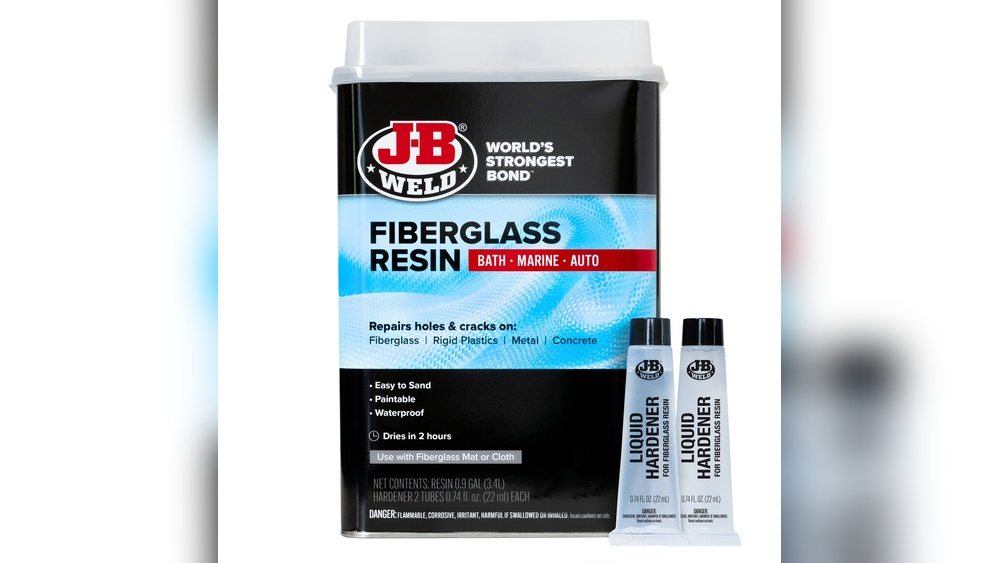
J-B Weld Fiberglass Resin is a two-part system used for bonding, repairing, and laminating. When mixed with a hardener, the resin turns from a liquid into a tough, solid plastic. It can bond fiberglass, metal, wood, and some plastics. This makes it useful for car bodies, boats, showers, pools, and even home crafts.
Unlike simple glues, fiberglass resin creates a chemical reaction that forms a waterproof, heat-resistant, and sandable surface. When combined with fiberglass cloth or mat, it can rebuild missing pieces or reinforce weak spots.
Many users choose J-B Weld for its reputation. The brand is known for strong, reliable products. Their fiberglass resin is popular because it’s easy to use, cures quickly, and works on many materials.
When Should You Use J-b Weld Fiberglass Resin?
Understanding when to use this product helps you get the best results. Here are common situations:
- Repairing holes or cracks in fiberglass boats, surfboards, or canoes.
- Fixing rusted or damaged areas on car panels.
- Restoring broken plastic parts (bumpers, fairings, etc. ).
- Sealing leaks in tubs, showers, or water tanks.
- Strengthening joints or seams in metal, wood, or plastic projects.
J-B Weld Fiberglass Resin is not for every material. It does not bond well to some flexible plastics, oily surfaces, or silicone. Always check the product label for compatibility.
Tools And Materials Needed
Before starting, gather all the tools and materials you need. This makes the process smoother and reduces mistakes.
You will need:
- J-B Weld Fiberglass Resin and hardener
- Fiberglass cloth or mat (for larger repairs)
- Mixing container (disposable)
- Stir stick
- Measuring cup or spoon
- Gloves (nitrile or latex)
- Safety glasses
- Dust mask (for sanding)
- Sandpaper (various grits: 80, 120, 220)
- Acetone or strong cleaner
- Brush or roller (for resin application)
- Scissors (for cutting fiberglass)
- Masking tape (to hold pieces or protect areas)
- Plastic spreader (optional, for smoothing)
If you are working indoors, make sure the area is well ventilated. The fumes can be strong, and proper airflow is important for safety.
Surface Preparation: The Key To Strong Repairs
Many beginners rush through preparation, but this is the most important step. Even the best resin will fail if the surface is dirty or oily.
Clean The Area
Remove all dust, grease, wax, and loose paint. Use a strong cleaner or acetone. Wipe and let dry completely. Even fingerprints can affect bonding.
Sand The Surface
Roughen the area with 80-120 grit sandpaper. This helps the resin “grab” the surface. Sand at least 1 inch past the damaged area. If repairing a hole, bevel the edges so the patch will be flush.
Remove Dust
After sanding, wipe away all dust with a clean, dry cloth. Do not use water, as it can slow curing.
Tape And Support
If the repair is on a vertical surface or ceiling, tape a piece of plastic or cardboard behind the hole. This holds the resin and cloth in place. For tricky shapes, masking tape can help control the resin.
How To Mix J-b Weld Fiberglass Resin
Mixing the resin correctly is critical. Too little or too much hardener can cause weak spots or slow curing.
- Read the instructions on your resin kit. J-B Weld usually recommends a ratio of 12 drops of hardener per 1 ounce (28 grams) of resin.
- Pour the resin into a clean, disposable mixing cup. Measure carefully.
- Add the hardener. Count drops exactly. Mix only as much as you can use in 10-15 minutes.
- Stir completely. Scrape the sides and bottom. Mix for at least 1 minute until the color is even.
Working Time
After mixing, you have about 10-15 minutes before the resin starts to harden. Plan your steps so you can finish before it thickens.
Cutting And Placing Fiberglass Cloth
Fiberglass cloth adds strength and helps the resin fill holes or gaps.
- Cut the cloth to cover the repair area, with at least 1 inch of overlap on all sides.
- For large holes, cut several layers, each slightly larger than the last. This creates a strong patch.
- Lay the cloth dry over the repair to check the fit. Trim if needed.
Applying J-b Weld Fiberglass Resin: Step-by-step
Here’s how to apply the resin and cloth for a solid, invisible repair:
Step 1: Wet The Surface
Brush a thin layer of mixed resin onto the sanded area. This helps the cloth stick and prevents air bubbles.
Step 2: Lay The Cloth
Place the fiberglass cloth over the wet resin. Press gently so it sticks.
Step 3: Saturate The Cloth
With a brush or roller, apply more resin over the cloth. Make sure the cloth is fully soaked—look for a clear, wet look. Do not flood with too much resin, as this can make the patch brittle.
Step 4: Remove Air Bubbles
Use the brush or a plastic spreader to smooth out bubbles or wrinkles. Work from the center outwards.
Step 5: Repeat Layers (if Needed)
For strong repairs, add more layers of cloth and resin. Each new piece should be larger than the last. Stop when the repair is slightly higher than the surrounding area.
Step 6: Let It Cure
Allow the resin to harden fully. This can take 2-6 hours at room temperature. Do not touch or move the patch while curing.
Step 7: Sand And Finish
Once hard, sand the repair smooth with 120-220 grit sandpaper. For a perfect finish, you can apply more resin as a topcoat, then sand again.
Tips For A Professional Finish
Many people can spot a fiberglass repair because it looks rough or lumpy. With a few tricks, you can make your work nearly invisible.
- Feather the edges of your patch when sanding. This blends the repair into the old surface.
- Use a light touch when brushing resin. Too much pressure can move the cloth or create bubbles.
- For visible surfaces, finish with a layer of automotive primer and paint.
- If the resin starts to gel before you finish, stop and mix a new batch. Never add hardener after mixing.
Common Mistakes And How To Avoid Them
Even experienced users make errors. Here are some to watch for:
- Incorrect mixing ratio. Always measure both parts carefully. Guessing can cause soft or brittle patches.
- Not preparing the surface. Skipping cleaning or sanding leads to weak repairs.
- Using old resin. Resin that has turned yellow or thick may not cure properly.
- Working in cold or humid conditions. Resin cures best at 60–80°F (16–27°C) and low humidity.
- Touching the repair too soon. Let the resin harden fully before sanding or painting.
Real-world Example: Repairing A Boat Hull
Suppose your boat has a 2-inch crack. Here’s how you would fix it:
- Sand 1 inch around the crack. Bevel the edges.
- Clean with acetone.
- Tape plastic behind the crack inside the boat.
- Mix 1 ounce of resin with 12 drops of hardener.
- Cut three pieces of fiberglass cloth: 2.5”, 3”, and 3.5” square.
- Brush resin on the repair.
- Lay the smallest cloth piece, saturate with resin, repeat with the other two pieces.
- Smooth out bubbles.
- Let cure overnight.
- Sand flush. Paint as needed.
This method provides a patch as strong as the original hull.
Comparing Fiberglass Resin To Other Repair Methods
How does J-B Weld Fiberglass Resin compare to other options? Consider strength, application, and cost.
| Repair Method | Strength | Waterproof | Ease of Use | Cost |
|---|---|---|---|---|
| J-B Weld Fiberglass Resin | Very High | Yes | Moderate | Low-Medium |
| Epoxy Putty | High | Yes | Easy | Medium |
| Plastic Filler (Bondo) | Medium | No | Easy | Low |
| Welding | Very High | Yes | Difficult | High |
J-B Weld Fiberglass Resin offers a balance of strength, water resistance, and value. It’s easier than welding and stronger than most fillers.
How Long Does J-b Weld Fiberglass Resin Last?
A common question is about durability. When applied properly, this resin can last for years—even in harsh conditions.
- Boats: 5-10 years with proper sealing and maintenance.
- Car panels: Over 5 years if kept painted and protected.
- Household uses: Often outlasts the repaired item itself.
Some resins yellow under UV light, but painting or sealing protects the patch. Many professional boat builders use similar resins for permanent repairs.
Safety Tips For Using Fiberglass Resin
Safety should never be an afterthought. Resin and hardener can irritate skin and eyes, and their fumes are strong.
- Always wear gloves and safety glasses.
- Work in a well-ventilated area. Open windows or use a fan.
- If sanding cured resin, wear a dust mask.
- Clean spills with acetone, but avoid contact with skin.
- Store unused resin and hardener separately and tightly sealed.
Storage And Shelf Life
Proper storage keeps your resin fresh and ready for the next project.
- Keep containers tightly closed.
- Store in a cool, dry place—60–80°F (16–27°C) is best.
- Do not freeze.
- Most resin lasts 1–2 years unopened; once opened, use within 6 months.
If the resin turns thick or smells sour, it’s time to replace it.
Advanced Tips: Getting The Most From Your Resin
Experienced users often find ways to get even better results. Here are two insights many beginners miss:
- Tinting the Resin: You can add a small amount of pigment to the resin for color-matched repairs. Always test first, as too much pigment can affect curing.
- Layering Techniques: For large or curved repairs, use multiple thin layers instead of one thick one. Thin layers cure more evenly and are less likely to trap air.
For more advanced advice, the official J-B Weld site has technical datasheets and safety guidelines.
Troubleshooting: Fixing Common Problems
If something goes wrong, here’s how to recover:
- Sticky or soft repair: Not enough hardener or cold temperatures. Remove the patch and start over.
- Bubbles in the surface: Sand smooth, then apply a thin layer of resin.
- Patch peels off: Surface was not clean or sanded. Re-prep and repeat the steps.
Project Ideas Using J-b Weld Fiberglass Resin
This resin is not only for repairs. Creative users find many uses:
- Making custom fairings for motorcycles or bicycles.
- Building speaker boxes with smooth, curved edges.
- Sealing wooden planters for outdoor use.
- Crafting waterproof outdoor signs or decorations.
Always start small and practice on scrap material before tackling bigger projects.
Comparing J-b Weld Fiberglass Resin Kits
Not all kits are the same. Here’s a quick look at popular J-B Weld kits:
| Kit Name | Includes Hardener | Fiberglass Cloth Included | Coverage Area | Price Range |
|---|---|---|---|---|
| J-B Weld MarineWeld Kit | Yes | Yes | Up to 25 sq. in. | Low |
| J-B Weld Fiberglass Repair Kit | Yes | Yes | Up to 50 sq. in. | Medium |
| J-B Weld Liquid Resin (Only) | Yes | No | Up to 100 sq. in. (with extra cloth) | Medium |
Choose a kit based on your project size. For small repairs, a basic kit is enough. For bigger jobs, buy extra resin and cloth separately.
Frequently Asked Questions
How Long Does J-b Weld Fiberglass Resin Take To Cure?
At room temperature (70°F/21°C), J-B Weld Fiberglass Resin usually cures in 2–6 hours. Full strength is reached after 24 hours. Colder temperatures slow curing. Always wait until the patch feels hard before sanding or painting.
Can I Use J-b Weld Fiberglass Resin On Plastic?
It works on many hard plastics, but not all. Test on a small spot first. It does not bond to oily, flexible, or waxy plastics like polyethylene or polypropylene. For best results, roughen the surface and clean well.
Is J-b Weld Fiberglass Resin Waterproof?
Yes, when fully cured, it forms a waterproof and chemical-resistant seal. It’s commonly used for boats, pools, and outdoor repairs. Always seal edges with paint or gelcoat for the longest life.
Can I Paint Over J-b Weld Fiberglass Resin?
Absolutely. Sand the cured resin smooth, wipe off dust, and use a suitable primer. Then paint as desired. Most automotive and marine paints work well. For a glossy finish, use a fine grit sandpaper before painting.
What Is The Difference Between Resin And Epoxy?
Resin is a general term. J-B Weld Fiberglass Resin is a polyester resin, often used with fiberglass cloth. Epoxy is a different type of two-part adhesive—stronger, more flexible, and usually more expensive. Both are good for repairs, but epoxy can bond more materials and is less sensitive to mixing errors.
Final Thoughts
Using J-B Weld Fiberglass Resin is a skill that gets easier with practice. With the right preparation and careful application, you can achieve repairs that last for years and look great. Whether you are fixing a boat, car, or household item, this product offers a reliable and affordable solution.
Take your time, follow the steps, and you’ll be surprised at what you can accomplish—even on your first try.


