
Getting JB Weld on your hands is a common problem for anyone who works with adhesives, repairs, or DIY projects. JB Weld is a strong epoxy that can bond metal, plastic, and many other surfaces. While it is great for fixing things, it is very hard to remove once it gets on your skin.
If you do not clean it quickly, it can dry, harden, and even cause skin irritation. Many people panic or try the wrong methods, making the problem worse. But you do not have to worry. With the right steps, you can safely and effectively clean JB Weld off your hands without damaging your skin.
In this guide, you will learn everything you need to know about removing JB Weld from your hands. You will discover why it sticks so well, what not to do, the best cleaning methods, and how to protect your skin in the future.
Whether you are a beginner or have used JB Weld many times, this article gives you practical solutions and advice you might not know. Let’s get started and make your hands clean and comfortable again.
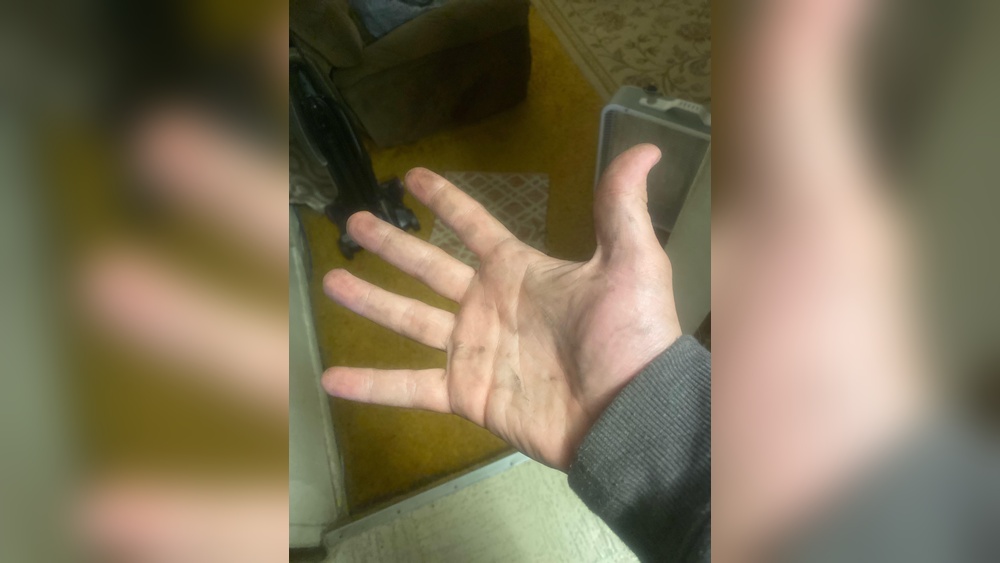
Understanding Jb Weld And Why It Sticks
JB Weld is a two-part epoxy adhesive. When you mix the resin and hardener, they react and create a chemical bond. This bond is very strong and can resist heat, chemicals, and water. The same qualities that make JB Weld useful for repairs also make it hard to remove from your skin.
Unlike regular glue, epoxy adhesives like JB Weld do not just sit on the surface. They partially soak into tiny cracks in your skin and harden. This is why washing with soap and water alone often does not work. You need to act fast and use the right tools and materials.
Not all JB Weld products are the same. Some dry in 5 minutes, others in a few hours. The faster it cures, the less time you have to clean it easily. If it is still sticky, it is easier to remove than when it is fully hard.
Immediate Actions: What To Do First
The moment you notice JB Weld on your hands, time matters. The sooner you start cleaning, the easier it will be.
- Stay calm. Do not rub your hands together or wipe them on your clothes. This can spread the epoxy to other areas.
- Check if the epoxy is wet or dry. Wet JB Weld is much easier to remove. If it is already dry, you will need stronger methods.
- Gather your supplies. For most cleaning methods, you will need:
- Paper towels or old rags
- Mild soap
- Warm water
- Disposable gloves (for later protection)
- Solvents like acetone or isopropyl alcohol (if needed)
- A soft brush or old toothbrush
- Petroleum jelly or a gentle hand lotion
Acting quickly in this phase can save you a lot of scrubbing later.
Main Methods To Clean Jb Weld Off Hands
1. Soap And Warm Water (for Fresh Epoxy)
If the JB Weld is still wet or sticky, use this method first.
- Wash your hands under warm running water.
- Use a generous amount of mild soap.
- Rub your hands together for at least one minute.
- Focus on the spots with JB Weld, using your nails or a soft brush to gently loosen it.
- Rinse and repeat if needed.
This method is gentle and safe, but it works best when the epoxy is very fresh. If you wait too long, it will not be enough.
2. Citrus-based Hand Cleaners
Mechanic’s hand cleaners with citrus oils can break down JB Weld before it cures.
- Apply the citrus cleaner directly to the affected areas.
- Rub in small circles for 2-3 minutes.
- Wipe with a paper towel or rag.
- Wash with soap and water afterward.
Citrus hand cleaners are less harsh than solvents, so they are better for sensitive skin. They also leave a pleasant smell.
3. Acetone (nail Polish Remover)
Acetone is a strong solvent that can dissolve epoxy. Use it only if the first two methods do not work.
- Pour a small amount of acetone on a cotton ball or pad.
- Dab it on the JB Weld. Do not soak your whole hand.
- Rub gently until the epoxy softens and lifts.
- Wash your hands with soap and water immediately after.
Acetone can dry or irritate your skin, so use a moisturizer afterward. Never use acetone on open cuts or wounds.
4. Isopropyl Alcohol (rubbing Alcohol)
Isopropyl alcohol is less harsh than acetone but still effective.
- Apply alcohol to a clean cloth or pad.
- Rub the affected area for 2-5 minutes.
- Repeat until most of the JB Weld is gone.
- Wash your hands with soap and water.
Alcohol is safer for skin but might take longer to work on hardened epoxy.
5. Petroleum Jelly Or Oil
Oily substances can help break the bond between JB Weld and your skin.
- Rub a thick layer of petroleum jelly, mineral oil, or even cooking oil on the spot.
- Cover your hand with a plastic glove or bag for 10-20 minutes.
- Remove the glove and gently rub off the epoxy.
- Wash your hands well.
This method is safe and can be repeated as needed. It is especially good if you have sensitive or dry skin.
6. Pumice Soap Or Hand Scrubs
Pumice soap contains tiny rough particles that can physically lift dried epoxy.
- Wet your hands.
- Apply a small amount of pumice soap.
- Scrub gently in circles, focusing on the JB Weld spots.
- Rinse and repeat.
Do not scrub too hard, or you could damage your skin. This method is best for small, stubborn bits.
7. Gentle Abrasion (nail File Or Fine Sandpaper)
If you have a small, dry spot of JB Weld, you can try very gentle abrasion.
- Use a fine nail file or 800+ grit sandpaper.
- Rub lightly, only on the epoxy, not your skin.
- Stop if you feel discomfort or see redness.
- Wash your hands after.
Never use this method on large areas or sensitive skin. It is a last resort for tiny, dried bits.
8. Commercial Epoxy Removers
There are special products made to remove epoxy adhesives. Check your local hardware store.
- Follow the instructions on the package.
- Most require you to apply, wait, and then wash off.
- Some are safer for skin than others—check the label.
This is often the best option if you get JB Weld on your hands frequently.
What Not To Do: Common Mistakes
Many people try the wrong methods and end up with sore, damaged hands. Here are mistakes to avoid:
- Do not use sharp tools like knives or razors to scrape the epoxy off. You could cut yourself.
- Do not use strong acids or household bleach. These can burn your skin and do not dissolve epoxy.
- Do not try to peel off large pieces forcefully. This can tear your skin.
- Do not use gasoline or other automotive solvents. They are toxic and dangerous for skin contact.
- Do not ignore the problem. Dried JB Weld can take days or even weeks to wear off naturally.
Knowing what to avoid is as important as knowing what to do.
Comparing Cleaning Methods
To help you choose the best method, compare their effectiveness, speed, and skin safety.
| Method | Effectiveness (Wet) | Effectiveness (Dry) | Skin Safety |
|---|---|---|---|
| Soap & Water | High | Low | Excellent |
| Citrus Cleaner | High | Medium | Good |
| Acetone | Medium | High | Fair |
| Alcohol | Medium | Medium | Good |
| Petroleum Jelly/Oil | Low | Medium | Excellent |
| Pumice Soap | Low | Medium | Fair |
| Abrasion | Low | High | Poor |
| Epoxy Remover | High | High | Varies |
This table shows that soap and water are best for fresh spills, while acetone or epoxy removers work for dry, hard spots. Always start with the safest method.
Step-by-step Guide: Removing Jb Weld From Hands
The process you use depends on how much JB Weld is on your hands and whether it is wet or dry.
For Fresh, Wet Jb Weld
- Quickly wipe off as much as you can with a paper towel.
- Wash your hands with soap and warm water for several minutes.
- Use a citrus-based cleaner if needed.
- Rinse and repeat.
For Partially Cured Or Dried Jb Weld
- Try a citrus cleaner first, scrubbing gently.
- If that does not work, apply acetone or isopropyl alcohol with a cotton pad.
- Rub until the epoxy softens, then wash with soap and water.
- For small bits, use pumice soap or gentle abrasion.
- Moisturize your hands after cleaning.
For Large, Hardened Spots
- Apply petroleum jelly or oil, cover with a glove, and wait 15-20 minutes.
- Remove the glove and scrub with a soft brush.
- Use a commercial epoxy remover if needed.
- Wash and moisturize.
If you have sensitive skin or allergies, test solvents on a small area first.
Handling Difficult Cases And Sensitive Skin
If you have eczema, allergies, or broken skin, take extra care. Solvents can worsen irritation. Try these tips:
- Use petroleum jelly or mineral oil. These are gentle and do not sting.
- Cover the area with a plastic glove to let the oil soak in.
- Avoid harsh scrubbing or strong solvents.
- If the epoxy does not come off, let your skin heal and try again later.
For children or elderly people, avoid all strong chemicals. Use only soap, water, and oil.
How Long Does Jb Weld Stay On Skin?
If you do nothing, JB Weld can stay on your skin for 1-2 weeks. Your skin will eventually shed the layer with the epoxy, but this takes time and can cause dryness or cracking. It is better to remove it safely as soon as possible.
Safety Tips For Using Jb Weld
The best way to avoid a sticky mess is to prevent JB Weld from touching your hands in the first place. Here are some practical safety tips:
- Wear disposable gloves every time you use JB Weld.
- If you do not have gloves, cover your hands with a thin layer of petroleum jelly before starting. This makes cleaning easier.
- Work in a well-ventilated area.
- Keep paper towels or rags nearby for quick cleanups.
- Do not touch your face, eyes, or mouth while using epoxy.
Most experienced DIYers and mechanics keep nitrile gloves in their toolbox for this reason. It is a small investment that saves a lot of time and trouble.
The Science: Why Jb Weld Bonds To Skin
Many people wonder why epoxy adhesives are so stubborn on skin. Here’s a simple explanation:
- JB Weld is designed to seep into cracks and pores of surfaces, including your skin.
- When the two parts mix, they create long chains of molecules that harden fast.
- Your skin is not smooth; it has tiny grooves and oils that trap the epoxy.
- Epoxy is resistant to water, so normal washing does not remove it.
- Only solvents or abrasion can break the bond once it hardens.
Knowing this helps you understand why time and the right method matter so much.
When To Seek Medical Help
Most of the time, JB Weld on your skin is not dangerous. But sometimes, you should see a doctor:
- If you develop a rash, blisters, or severe redness.
- If the epoxy covers a large area and will not come off.
- If you get JB Weld in your eyes, mouth, or on a cut.
- If your skin feels numb, burns, or hurts for more than a few hours.
Epoxy allergies are rare but serious. If you have trouble breathing or swelling, get emergency help.
Comparing Skin-friendly And Strong Solvents
Not all cleaning agents are equal. Here is a quick comparison of the most common ones:
| Solvent | Epoxy Removal Power | Skin Irritation Risk | Smell |
|---|---|---|---|
| Acetone | High | Medium-High | Strong, chemical |
| Isopropyl Alcohol | Medium | Low-Medium | Mild, alcohol |
| Citrus Hand Cleaner | Medium | Low | Pleasant, citrus |
| Mineral Oil/Petroleum Jelly | Low-Medium | Very Low | None |
| Pumice Soap | Low | Medium (if scrubbed hard) | Mild, soapy |
Choose the safest solvent that works for your situation. For children or sensitive skin, always start with oil or citrus-based cleaners.
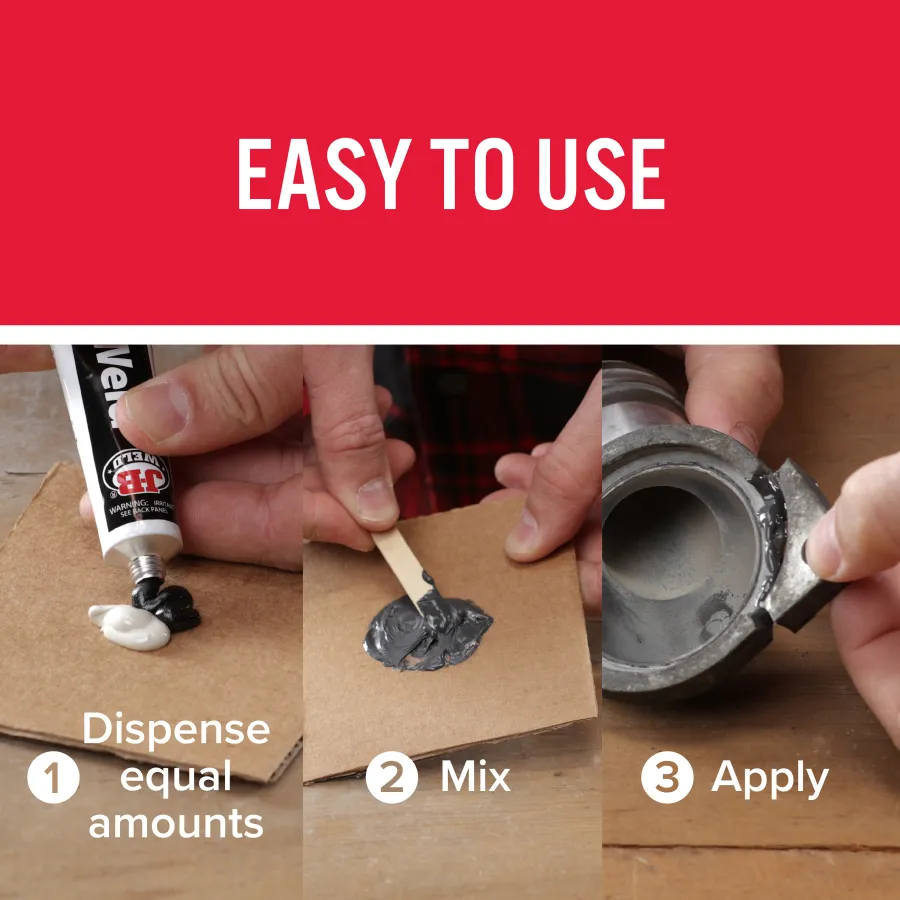
Credit: www.jbweld.com
Two Non-obvious Insights Most Beginners Miss
- Petroleum jelly can loosen even dry JB Weld if you give it time to soak. Many people try to scrub right away, but letting the oil sit under a glove for 20 minutes can make removal much easier and gentler on your skin.
- Nitrile gloves are much better than latex for working with epoxy. JB Weld can soak through thin latex gloves, but nitrile provides a better barrier. Always check your glove type before starting a project.
Long-term Skin Care After Using Solvents
Solvents and scrubbing can dry out your skin. After cleaning, take care of your hands:
- Rinse thoroughly with cool water.
- Pat dry with a clean towel.
- Apply a gentle hand lotion or aloe vera gel.
- Avoid further exposure to strong chemicals for a day or two.
If your skin feels tight or cracks, use a thicker moisturizer like shea butter or petroleum jelly overnight.
Real-life Example: Mechanic’s Experience
A professional mechanic once got JB Weld on his fingers during a late-night car repair. He tried to wash it off with water, but it dried in minutes. Scrubbing made his skin sore. He finally used a citrus cleaner, let it sit for 10 minutes, and gently rubbed with a pumice soap.
Most of the epoxy came off. For small bits under his nails, he used a nail file very gently. His advice: always keep gloves and hand cleaner nearby, and do not wait to clean your hands.
Why Prevention Is Easier Than Removal
No matter how good your cleaning method is, prevention is always better. JB Weld is designed to last through heat, water, and vibration. It is much easier to avoid touching it than to scrub it off later.
- Always wear gloves.
- Mix epoxy with a stick, not your fingers.
- Clean up spills right away.
- Teach children and helpers about epoxy safety.
A little preparation saves your skin and your time.
Final Thoughts
Cleaning JB Weld off your hands can be frustrating, but with the right knowledge and tools, you can do it safely and easily. Remember to act quickly, use the safest method for your skin, and always protect your hands in future projects.
Frequently Asked Questions
What Happens If Jb Weld Dries On My Hands?
If JB Weld dries on your skin, it will not come off easily with soap and water. You will need to use solvents like acetone or a pumice soap to remove it. The epoxy will wear off naturally as your skin sheds, but this can take a week or more.
Try safe removal methods as soon as possible.
Is Jb Weld Toxic To Skin?
JB Weld is not highly toxic for short skin contact, but it can cause irritation, dryness, or allergic reactions in some people. Avoid touching your eyes, mouth, or any open wounds after handling JB Weld. Always wash your hands well and use gloves for protection.
Can I Use Paint Thinner Or Gasoline To Remove Jb Weld?
It is not recommended. Paint thinner and gasoline are harsh chemicals that can harm your skin and are dangerous to breathe. Use safer options like acetone, isopropyl alcohol, or a citrus hand cleaner instead.
What Should I Do If Jb Weld Gets Under My Fingernails?
Try soaking your fingertips in warm, soapy water for 10-15 minutes. Use a soft brush or nail file to gently loosen the epoxy. Do not dig with sharp tools, as this can injure your skin. If it does not come out, let it wear off naturally as your nails grow.
How Can I Prevent Jb Weld From Getting On My Hands In The Future?
Wear nitrile gloves every time you use JB Weld. Keep your workspace clean and have paper towels ready for spills. Mix epoxy with tools, not your fingers, and wash up immediately if you get any on your skin.


