You don’t really think much about rod storage—until you strike an arc and the weld starts popping, hissing, and throwing porosity into what should’ve been a clean bead. Moisture gets into the coating faster than most beginners expect, and once that happens, even a good rod can turn into a problem.
That’s when figuring out the Best Way to Store Welding Rods stops being optional and becomes part of doing the job right.
In real workshop conditions, especially with stick welding, rod storage directly affects arc stability, penetration, and overall weld quality. I’ve dealt with rods that looked perfectly fine on the outside but caused weak, inconsistent welds because they’d absorbed moisture sitting on a shelf.
That’s why this topic matters more than it seems. Proper storage isn’t just about keeping things organized—it’s about protecting your weld quality, reducing waste, and avoiding rework.
I’ll walk you through practical storage methods, what actually works in a real shop, and how to keep your welding rods in top condition.
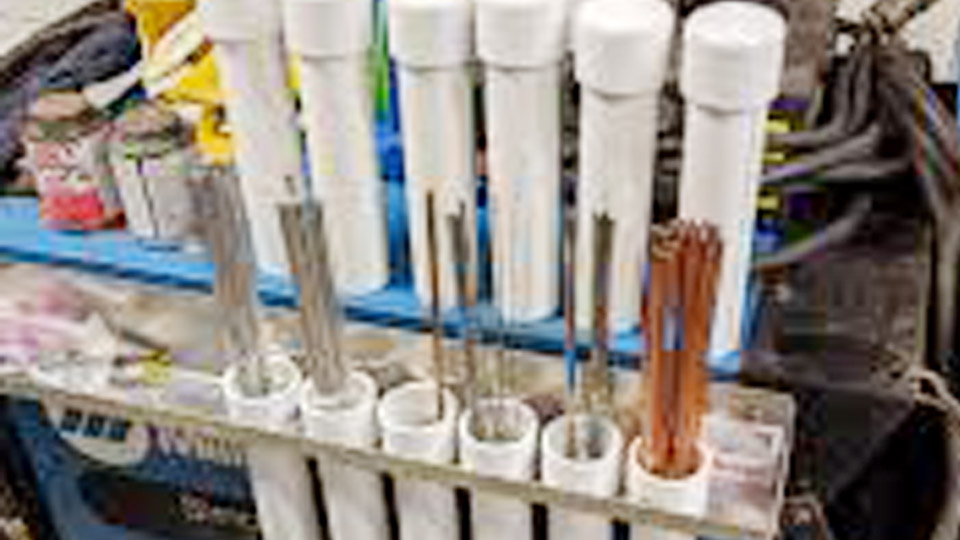
Image by PRIMEWELD EQUIPMENT USERS
Why Welding Rod Storage Actually Impacts Every Weld You Make
Welding rods (stick electrodes) consist of a core wire and an extruded flux coating that stabilizes the arc, shields the puddle, and adds alloying elements. That coating is hygroscopic—meaning it pulls water from the air like a sponge.
Once moisture sneaks in, it changes everything: arc starts get sluggish, slag inclusion increases, and mechanical properties drop.
In real fabrication or repair work—whether you’re building a trailer hitch, fixing farm equipment, or running structural steel—badly stored rods show up immediately. Beginners often blame their machine settings or technique when the real culprit is damp 7018 that pops and hisses.
Pros know that skipping proper storage leads to rejected welds, cut-outs, and expensive delays. In humid U.S. regions or during seasonal swings, this becomes even more critical.
I’ve seen 7018 left out overnight in a coastal shop produce welds that looked fine visually but failed bend tests due to hidden cracking. On the other hand, well-stored rods give smooth, quiet arcs, easy slag release, and reliable penetration every time.
Different Welding Rod Types and Their Storage Needs
Not all rods behave the same. Their coatings dictate storage rules. Treat them generically and you’ll pay for it.
Cellulosic rods (E6010, E6011)
These rely on moisture in the coating (typically 3-7%) for deep penetration and fast-freeze characteristics. They run best with a “digging” arc on DC+. Store them at room temperature in a dry area with relative humidity below 70%.
Avoid heated ovens entirely—excess drying makes the coating brittle and prone to cracking off. Many hobbyists and field welders keep these in their original cardboard boxes or sealed plastic tubes on a shelf, away from direct sunlight or chemicals.
Rutile or titania-coated rods (E6013, E7014, E7024)
These are more forgiving and produce smooth beads with easy slag removal. They tolerate mild moisture but still benefit from protection. Store opened packages at 100–130°F (40–55°C) in a low-humidity cabinet. This prevents excessive pickup without over-drying.
Low-hydrogen rods (E7018, E7016, E7028 and similar)
These are the most demanding. Designed to deposit weld metal with very low diffusible hydrogen (often H4 or better), their basic flux has minimal initial moisture (0.1–0.4%).
Once the hermetically sealed can opens, they absorb atmospheric moisture rapidly. Store immediately in a rod oven at 225–300°F (107–149°C), with many manufacturers recommending 250–300°F. Failure here leads to hydrogen cracking, especially on thick material or high-yield steels like A514.
Stainless and low-alloy rods follow similar rules to low-hydrogen types—keep them dry and warm.
Common Beginner Mistake
Tossing everything into one oven or drawer. I’ve watched guys store 6010 next to 7018, only to find the low-hydrogen rods contaminated with extra moisture from the cellulosic ones. Always segregate by type.
Role of Moisture and Hydrogen in Weld Defects
Moisture breaks down in the arc into hydrogen and oxygen. Hydrogen dissolves into the molten weld pool and can cause delayed cracking as the metal cools—micro-fissures that aren’t visible until days later or during inspection.
Porosity appears when gas bubbles get trapped. On low-hydrogen rods, this often shows at the start of a new electrode because the tip has absorbed the most moisture. “Fingernailing” (uneven burn-off) is another telltale sign of uneven moisture absorption.
In practice, on a repair job with rusty mild steel, damp rods make the arc unstable and force you to grind more or run hotter settings that increase distortion. Proper storage keeps your amperage ranges predictable—typically 70–110A for 3/32″ 7018, 90–150A for 1/8″, depending on position and machine.
Joint prep matters too. Clean metal helps, but even perfect prep can’t overcome contaminated rods. Always remove mill scale, oil, and rust before welding, especially when using low-hydrogen electrodes that produce less forgiving slag.
Recommended Storage Methods: From Pro Shops to DIY Setups
The gold standard is a dedicated welding rod oven (also called a hot box or electrode oven). These maintain consistent temperature with thermostats and often include vents to release any residual moisture.
Portable units hold 10–50 lbs, while larger floor models serve busy shops. Set them to 250–300°F for low-hydrogen rods right after opening the sealed container.
For unopened hermetically sealed cans (the vacuum-packed or foil-lined ones from Lincoln, ESAB, Hobart, etc.), you can store at room temperature indefinitely in a cool, dry place. Once opened, transfer to the oven within minutes.
DIY alternatives that actually work:
- Sealed plastic rod tubes or airtight containers with desiccant packets for smaller quantities or non-low-hydrogen rods.
- Old refrigerators or freezers converted with a low-wattage bulb (40–75W) and thermostat control for gentle warmth—aim for 100–120°F for general rods, but never rely on this for code-critical 7018 without verification.
- Metal ammo cans or 5-gallon buckets with tight lids and silica gel for hobbyists in drier climates.
Avoid common hacks like wrapping in plastic and freezing—condensation forms when they thaw and ruins the coating. Also skip unvented ovens or storing near solvents and grinding dust.
In my experience, for a home garage or small fab shop in the U.S., buying rods in 5- or 10-lb cans and using quality portable ovens pays for itself quickly through reduced waste.
Step-by-Step Guide to Proper Rod Storage
Receive and inspect: Check packaging for damage. Hermetically sealed containers should feel vacuum-tight. Store unopened stock in a cool, dry area (ideally below 80°F and 50% RH).
Open only what you need: Plan your weld session. Open one can at a time. Immediately place low-hydrogen rods into the preheated oven.
Organize by type: Use separate sections or containers. Label clearly with date opened and type.
Monitor exposure time: On code jobs (AWS D1.1), low-hydrogen rods have strict atmospheric exposure limits—often 4 hours max before re-baking or discard. Use timers or issue only what you’ll use in a shift.
Re-dry when necessary: If rods have been exposed or show signs of moisture (soft coating, white powdery residue, or rust on the wire), recondition in a vented oven. For 7018: bake at 500–800°F for 1–2 hours. Do this no more than 2–3 times before the coating degrades.
Daily routine: At the end of the day, return unused rods to the oven. Never leave them in your stinger or pocket.
Always remove any cardboard or damaged packaging before oven storage to avoid fire hazards or contamination.
Comparison of Storage Requirements by Rod Type
Here’s a practical table based on manufacturer guidelines and field experience:
| Rod Type | Unopened Storage | Opened/ Holding Oven Temp | Reconditioning (if moist) | Max Exposure Time (typical) | Notes |
|---|---|---|---|---|---|
| E6010 / E6011 (Cellulosic) | Room temp, dry | Ambient (do not heat) | Not recommended | Unlimited if dry | Needs some moisture; over-drying ruins performance |
| E6013 / E7014 (Rutile) | Room temp, dry | 100–130°F | 250–300°F for 1 hr | Several days | Forgiving for general fabrication |
| E7018 / Low-Hydrogen | Cool, dry | 225–300°F (250–300°F ideal) | 500–800°F for 1–2 hrs | 4 hours (per AWS D1.1 for many) | Critical for structural and high-strength steel |
| Stainless (e.g., E308-16) | Similar to low-hydrogen | 225–260°F | 500–600°F for 1 hr | Short | Prevent carbon pickup and cracking |
These ranges come from real-world testing on U.S. machines like Miller and Lincoln. Adjust slightly for your local humidity—coastal shops need stricter control than desert ones.
Pros of proper oven storage: Consistent arc, fewer defects, longer rod life.
Cons: Initial cost of oven, electricity use, space. For hobbyists, sealed containers often suffice if you buy small packs and use them quickly.
Common pro mistake: Assuming “R”-designated moisture-resistant 7018 doesn’t need an oven. It buys extra exposure time but still requires protection.
Practical Tips for Different Shop Environments
In a professional U.S. fabrication shop running multiple processes, invest in portable rod ovens that plug into standard 120V outlets. Keep one at the workstation for quick access. Rotate stock using FIFO (first in, first out) to avoid old rods sitting too long.
For DIY welders and students in garages: Buy 5-lb packs. Use airtight plastic canisters with desiccant for 6013 and similar. For occasional 7018 structural work, a small benchtop oven is worth it—many run under $200 and last years.
On job sites with variable weather, use heated portable ovens powered by generators and issue rods in small quantities. Track exposure with colored tags or logs.
Material compatibility note: When welding high-carbon or thick sections, low-hydrogen rods are preferred for their crack resistance—but only if stored correctly. Pair with proper preheat and interpass temperatures for best results.
Safety first: Rod ovens get hot—use gloves. Keep flammable materials away. Ensure good ventilation in storage areas to avoid fume buildup from any off-gassing.
Amperage and diameter tips tied to storage: Damp rods often require higher settings to maintain arc, which increases spatter and heat input. With dry 1/8″ 7018, stick to 110–150A on DC+ for flat/horizontal; drop 10–20A for vertical-up. Clean joints thoroughly—wire brush or grind to bright metal.
Re-Drying and Reconditioning Salvaged Rods
Sometimes rods get exposed. Signs include: coating that feels soft or chalky, rust on the core wire, or welds that suddenly develop porosity.
For non-low-hydrogen: Mild re-drying at 250–300°F for an hour often restores them.
For low-hydrogen: Higher temps (500–800°F) for 1–2 hours in a vented oven. Spread rods in a single layer or no more than 6 deep. Cool slowly to room temp before use.
Limit re-bakes—flux can become brittle after repeated cycles. If the coating flakes off during welding, discard the rods. In code work, follow strict procedures; many shops discard after one re-bake cycle if exposure limits were exceeded.
I’ve reclaimed batches that sat in a humid trailer by proper baking, but prevention is always cheaper than cure.
Common Mistakes Beginners and Pros Still Make
- Storing all rods together in one container or oven.
- Leaving opened cans on the bench “for quick access” during lunch breaks.
- Using household ovens (gas or self-cleaning modes can contaminate or overheat unevenly).
- Ignoring humidity— even in “dry” shops, seasonal changes matter.
- Buying bulk 50-lb lots without storage infrastructure, then watching half go bad.
- Forgetting that portable rod warmers (quivers) only hold a few rods and aren’t for long-term storage.
Pros sometimes cut corners on non-code jobs, only to have defects show up in later NDT or service.
Taking Control of Your Rod Storage for Better Results
Once you dial in storage by rod type, temperature, and exposure limits, your welds become more predictable. You’ll dial in amperage ranges with confidence, achieve better penetration without excessive heat, and minimize distortion on thin or critical fabrications. Joint prep and machine settings finally get the credit they deserve because the rods aren’t fighting you.
The real payoff shows in fewer repairs, cleaner shop practices, and the quiet satisfaction of striking an arc that behaves exactly as expected—whether on mild steel repair, stainless food-grade work, or heavy structural members.
Treat your low-hydrogen rods like the precision tools they are. Open only what you’ll consume in a shift, keep the oven at a steady 250–275°F, and never compromise on segregation.
A few extra minutes managing storage saves hours grinding out bad welds and builds habits that separate consistent performers from the rest.
Final Thoughts
Mastering the best way to store welding rods isn’t glamorous, but it underpins every solid weld you lay down. Put these practices to work in your shop or garage and you’ll notice cleaner arcs, stronger joints, and fewer headaches on every project.
FAQ: Real Answers to Common Welding Rod Storage Questions
How long can I leave 7018 rods out of the oven before they need re-baking?
On most code jobs following AWS D1.1, it’s around 4 hours maximum atmospheric exposure for standard E7018 after removal from the oven. “R” suffix rods may allow longer. In non-code hobby work, you can stretch it if humidity is low, but why risk it? Return them promptly or use a portable quiver for short jobs.
Can I store E6010 and E7018 in the same rod oven?
No. Cellulosic rods like 6010 need their moisture content and will transfer it to low-hydrogen rods, defeating the “low-hydrogen” benefit and risking cracking. Keep separate storage entirely.
What’s the cheapest effective way for a home welder to store 7018 rods?
Buy in 5- or 10-lb sealed cans, use them within a few days of opening, and store leftovers in airtight plastic rod tubes with fresh desiccant packets in a climate-controlled garage. For more frequent use, a small 10-lb portable rod oven is the next reliable step.
Do I need to re-dry rods that got slightly damp?
Yes, if they show any signs or have been exposed in humid conditions. For 7018, bake at 500–800°F for 1–2 hours. Test a few on scrap first—if the arc is stable and no porosity appears, they’re good. Severely damaged coatings can’t be saved.
Why do my welds have porosity even though the rods look dry?
Often residual moisture absorbed unevenly, especially at the tips. Proper oven storage prevents this. Also check for contaminated base metal, wrong polarity, or excessive arc length. Dry rods plus clean joints solve most cases.