
Dealing with a part that’s been bonded using high-temp epoxy can turn into a real headache, especially when it refuses to budge no matter how much force you apply.
I’ve run into situations where a repair done with JB Weld Extreme Heat held so strong that disassembly felt nearly impossible without damaging the base metal. That’s when learning How to Remove JB Weld Extreme Heat becomes more than just helpful—it’s necessary.
In real workshop conditions, this type of epoxy is designed to handle serious heat and stress, which is great for repairs but frustrating when you need to undo them. If you go at it the wrong way, you can easily warp parts, scar the surface, or waste time with methods that don’t work.
That’s why this topic matters. Removing it properly means protecting the material underneath while actually getting the job done efficiently. In this guide, I’ll walk you through practical, shop-tested methods to break down JB Weld Extreme Heat safely and effectively without making the problem worse.
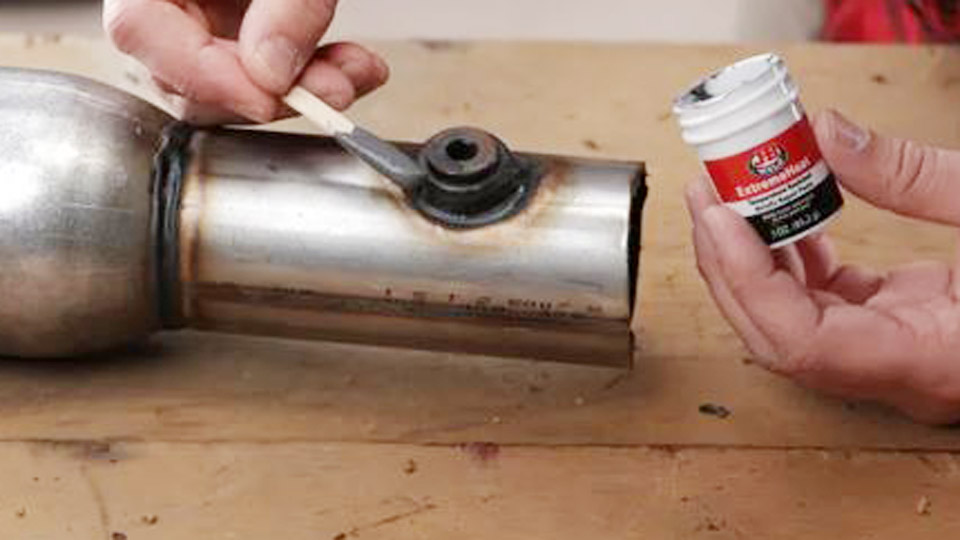
Image by jbweld
Understanding J-b Weld Extreme Heat
Before you start, it’s important to know why J-B Weld Extreme Heat is so strong and difficult to remove. This epoxy is designed for use on metal parts exposed to very high temperatures, like exhaust manifolds, engine blocks, and mufflers. Once cured, it forms a ceramic-like bond that is both heat-resistant and chemical-resistant.
The main ingredients are iron, silica, and thermoset polymers. When mixed and applied, they react to form a solid mass that is much harder than ordinary glues. Because of this, traditional solvents like acetone, paint thinner, or ordinary degreasers do not work.
The bond is mechanical and chemical, which means it grabs into the pores of the metal and hardens in place.
Why Removal Is Challenging
- High heat resistance: Most removal methods rely on heat, but this epoxy is designed to survive extreme temperatures.
- Mechanical strength: Even scraping or grinding can be slow and difficult.
- Surface protection: You need to avoid damaging the underlying metal or part.
Knowing these facts helps you choose the best method and avoid wasting time on solutions that won’t work.
Preparation: Safety And Tools
Removing J-B Weld Extreme Heat is a hands-on task that requires safety and planning. Here’s what you should prepare:
Safety Precautions
- Wear gloves: Protect your hands from sharp tools and chemical cleaners.
- Eye protection: Flying debris is common when grinding or scraping.
- Respirator or mask: If you are sanding, grinding, or using chemicals, always wear a mask.
- Work in a ventilated area: Especially important when using solvents or creating dust.
Tools And Materials Checklist
You’ll need a mix of mechanical and chemical tools. Not every tool is required for every job, but having these available will save you time.
- Metal scraper or putty knife
- Wire brush (manual or drill attachment)
- Angle grinder with flap disc or wire wheel
- Heat gun or propane torch
- Acetone or specialty solvents (for final cleaning, not removal)
- Sandpaper (coarse and fine grits)
- Rags and paper towels
- Small chisel (for tight spaces)
- Rotary tool (Dremel) with grinding bits (optional)
- Protective gear (gloves, goggles, mask)
Having these ready before you start will let you switch techniques easily and avoid delays.

Credit: www.ebay.ca
Methods To Remove J-b Weld Extreme Heat
There is no single “best” way to remove J-B Weld Extreme Heat. The method depends on the surface, the amount of epoxy, and how much access you have. In most cases, you’ll use a combination of methods for best results.
Let’s break down each technique, why it works, and step-by-step instructions.
1. Mechanical Removal
This is the most reliable method. It involves physically breaking, chipping, or grinding away the cured epoxy. Mechanical removal should be your starting point.
Scraping
Use a metal scraper, putty knife, or small chisel. Place the edge under the epoxy and apply steady pressure. Tap lightly with a hammer if needed. This can remove large chunks, especially if the bond is not perfect.
- Best for: Flat surfaces, thick layers, corners.
- Tip: Don’t use a razor blade—it can snap and cause injury.
Wire Brushing
After scraping, a wire brush (manual or drill-powered) can wear away stubborn areas. Hold the brush at a shallow angle and use firm, even strokes. This works well for textured or curved surfaces.
- Best for: Pipes, curved metal, thin layers.
Grinding
For the toughest jobs, use an angle grinder with a wire wheel or flap disc. Always use light pressure to avoid overheating the metal or creating gouges. A rotary tool (Dremel) can help in tight spaces.
- Best for: Large, flat surfaces or heavy buildup.
Limitations
Mechanical removal can be slow, and it may scratch or mar the metal. Go slow, and check your progress often. Always finish with sandpaper to smooth the surface.
2. Heat Application
Ironically, even though J-B Weld Extreme Heat is designed for heat, sometimes *more* heat can help. Extreme heat can make the epoxy brittle or cause it to soften just enough to scrape away.
Using A Propane Torch
Apply a propane torch directly to the epoxy for 1–2 minutes, moving the flame constantly. Do not overheat—stop if the metal glows red. Once hot, use a scraper to pry away the softened or brittle epoxy.
- Best for: Thick applications on metal parts that can handle high heat.
- Warning: Not safe for thin metals or near flammable materials.
Using A Heat Gun
A heat gun (set to max) can work for smaller parts or when a torch is unsafe. Heat the epoxy for several minutes, then scrape or brush away the residue.
- Best for: Controlled heating, delicate parts.
Insights Most Miss
Many beginners think more heat is always better. In reality, overheating can warp the metal or damage paint and nearby gaskets. Always heat gradually and never leave the torch in one spot too long.
3. Chemical Softening
Most household solvents won’t touch J-B Weld Extreme Heat, but there are specialty chemicals that can help soften the bond or at least clean the surface.
Penetrating Oils
Penetrating oils like WD-40, PB Blaster, or Liquid Wrench can sometimes seep into the bond line, especially if the epoxy is old or cracked. Spray generously, let soak for several hours, then attempt scraping.
- Best for: Small cracks, partial failures.
Specialty Epoxy Removers
Some companies make epoxy removers or debonders, but most are made for regular epoxy, not high-heat formulas. However, products like Attack Epoxy Remover or Motsenbocker’s Lift Off can be tried. Always test on a small area first.
Why Chemicals Rarely Work
The ceramic and iron-filled structure resists most chemicals. At best, solvents can help clean the surface after you have removed the bulk mechanically.
4. Combination Techniques
Most real-world jobs require a blend of techniques. For example:
- Heat the area, then scrape.
- Wire brush, apply penetrating oil, let soak, then wire brush again.
- Grind away most of the epoxy, then sand and clean with acetone.
Switch methods if one isn’t working. The goal is to remove the epoxy without damaging the underlying part.
Step-by-step Example: Removing J-b Weld Extreme Heat From An Exhaust Manifold
Let’s walk through a practical example so you can see how the process works in real life.
1. Prepare The Area
- Move the part to a well-ventilated workspace.
- Wear gloves, goggles, and a mask.
- Clean any loose dirt or grease with soap and water.
2. Scrape The Bulk
- Use a metal scraper to chip off as much as possible.
- For thick blobs, tap the scraper with a hammer.
3. Apply Heat
- Use a propane torch to heat the remaining epoxy for 1–2 minutes.
- Move the flame constantly to avoid overheating.
- The epoxy may turn gray, crack, or become brittle.
4. Scrape Again
- Quickly scrape off the softened or brittle epoxy.
- Repeat the heating and scraping as needed.
5. Wire Brush
- Use a drill-powered wire brush to remove thin layers or residue.
- Work slowly and check your progress.
6. Final Cleaning
- Sand with coarse, then fine sandpaper.
- Wipe with acetone to remove dust and any oil.
7. Inspect The Surface
- Check for scratches or damage.
- If the part is going to be reused, make sure it is completely clean before applying new adhesive or paint.
This process can take 30 minutes to several hours, depending on the amount and age of the epoxy.
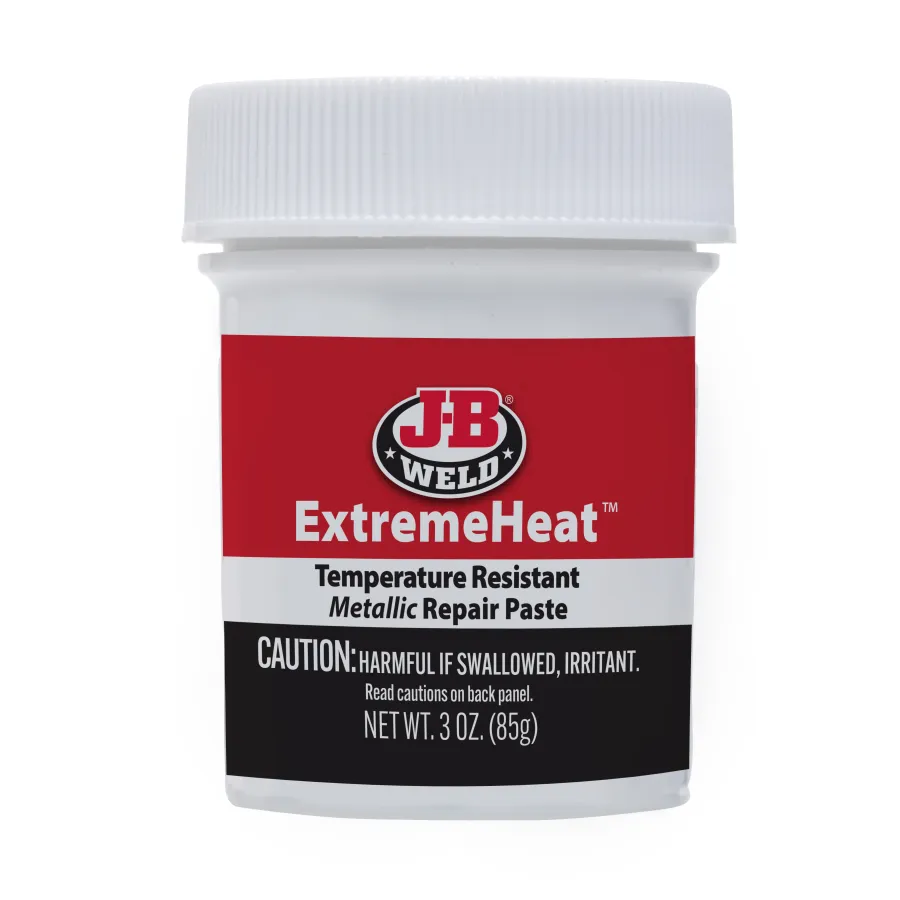
Credit: www.jbweld.com
Comparison Of Removal Methods
Here’s a side-by-side look at the main methods:
| Method | Effectiveness | Surface Safety | Time Required |
|---|---|---|---|
| Scraping | Moderate | High (if careful) | Medium |
| Wire Brushing | High (for residue) | Medium | Medium |
| Grinding | Very High | Low (risk of damage) | Fast |
| Heat Gun/Torch | Variable | Medium | Medium |
| Solvents | Low | High | Slow |
Tips For Best Results
Use Sharp Tools
A dull scraper or worn-out wire brush will only make the job harder. Replace blades and brushes as needed.
Work In Stages
Don’t expect to remove all the epoxy in one pass. Take your time, and check your progress after each stage.
Avoid Overheating
Too much heat can cause metal to warp or paint to blister. Always move the torch or heat gun in circles, and stop if you see discoloration.
Clean Thoroughly
Even small traces of epoxy can cause problems if you plan to re-bond or paint the area. Use acetone or a degreaser for the final clean.
Common Mistakes To Avoid
- Using too much force: This can gouge or bend the metal.
- Skipping safety gear: Eye injuries and burns are common.
- Relying only on solvents: Most chemicals won’t work on this epoxy.
- Not testing heat: Check that your part can handle high temperatures before using a torch.
- Leaving residue: Any leftover epoxy will ruin a new repair.
J-b Weld Extreme Heat Removal On Common Parts
Some parts are easier to clean than others. Here’s a quick reference:
| Part Type | Best Method | Special Precautions |
|---|---|---|
| Exhaust Manifold | Heat + Scrape + Wire Brush | Avoid overheating nearby sensors |
| Engine Block | Scrape + Grind | Protect gasket surfaces |
| Muffler | Wire Brush + Heat | Check for thin metal before grinding |
| Radiator | Scrape + Sand | Do not use torch; risk of leaks |
| Aluminum Parts | Manual Scraping | Aluminum is soft—avoid power tools |
When To Leave It Alone
Sometimes, trying to remove J-B Weld Extreme Heat causes more harm than good. If the part is still functional and the epoxy is not in the way, you may be better off leaving it alone. Especially on thin metals or old parts, aggressive grinding or heating can cause cracks or leaks.
Surface Preparation After Removal
If you plan to re-bond or paint the area, surface prep is key:
- Sand until smooth and clean
- Remove all dust and grease
- Wipe with acetone or isopropyl alcohol
- Let dry completely before applying new adhesive or paint
This step is often skipped, but it’s vital for a long-lasting repair.
Non-obvious Insights For Professionals
- Ultrasonic cleaners: For small parts, an ultrasonic cleaner with a degreaser can help remove residue after mechanical cleaning. This is especially useful for intricate shapes.
- Dry ice blasting: Some shops use dry ice blasting to remove epoxies without damaging the metal. This is expensive but effective for high-value parts.
Environmental And Legal Concerns
Disposal of removed epoxy is rarely discussed. Most cured J-B Weld Extreme Heat is inert and can be thrown away as regular trash, but check local regulations. Do not wash dust or slurry down the drain, as it can clog pipes and harm the environment.
When To Seek Professional Help
If the part is valuable, delicate, or safety-critical (like a cylinder head or fuel system), consider taking it to a professional. Machine shops have better tools and experience to avoid damaging expensive parts.
Table: Pros And Cons Of Diy Removal Vs Professional Service
| Option | Pros | Cons | Cost |
|---|---|---|---|
| DIY Removal | Low cost, immediate, learn a skill | Risk of damage, time-consuming | $10–$50 (tools/consumables) |
| Professional Service | Best results, less risk to part | Higher cost, may take days | $50–$200+ |
Final Thoughts
Removing J-B Weld Extreme Heat is a challenging but manageable job with the right tools and techniques. Start with mechanical methods, add heat or specialty chemicals if needed, and always protect your surfaces and yourself. Most important, be patient—rushing leads to mistakes.
If you’re unsure or working on a high-value part, don’t hesitate to ask a professional for advice. For a deeper understanding of high-temperature epoxies and their removal, you can check this Wikipedia article on Epoxy.
With proper planning and care, you can restore your parts to a like-new condition and be ready for whatever your next project needs.
Frequently Asked Questions
What Solvent Will Dissolve J-b Weld Extreme Heat?
There is no common solvent that will completely dissolve J-B Weld Extreme Heat after it has cured. Specialty epoxy removers may soften the bond, but mechanical removal is usually necessary.
Can I Use A Heat Gun Instead Of A Propane Torch?
Yes, a heat gun can be used, but it will not reach the same temperature as a torch. It is safer for delicate parts but less effective on thick or large areas of epoxy.
Is It Safe To Grind J-b Weld Extreme Heat Off Aluminum?
Yes, but use caution. Aluminum is soft and can be easily gouged or warped. Use manual tools or a rotary tool with low speed, and avoid heavy grinding.
Will Removing J-b Weld Extreme Heat Damage My Part?
There is always some risk of scratches or surface marks. Go slowly, use the right tools, and check your progress often. For critical parts, consider professional help.
How Can I Tell If All The Epoxy Is Gone?
Run your finger over the surface—it should feel smooth, with no raised or rough spots. For best results, clean and inspect under good light before reapplying any new adhesive or paint.


