Trying to make a clean weld on thin metal without blowing through it can be frustrating, especially when the heat feels hard to control. That’s where What is Oxy-Hydrogen Welding starts to come into the picture.
It’s a process that uses hydrogen and oxygen to create a precise, high-temperature flame—something I’ve found surprisingly useful when working on delicate jobs where control matters more than brute heat.
In real workshop use, this method isn’t as common as oxy-acetylene, but it has its place. The flame burns clean, produces minimal carbon contamination, and works well for specific materials like aluminum or thin sheets. Still, it comes with limitations in heat intensity and application range, which means it’s not a go-to for every welder.
Understanding how oxy-hydrogen welding works—and when to use it—can help you expand your skill set without wasting time on the wrong setup. I’ll break it down in simple terms, including how it works, where it fits best, and what to expect when you try it in your own shop.

Image by millerwelds
How Oxy-Hydrogen Welding Actually Works
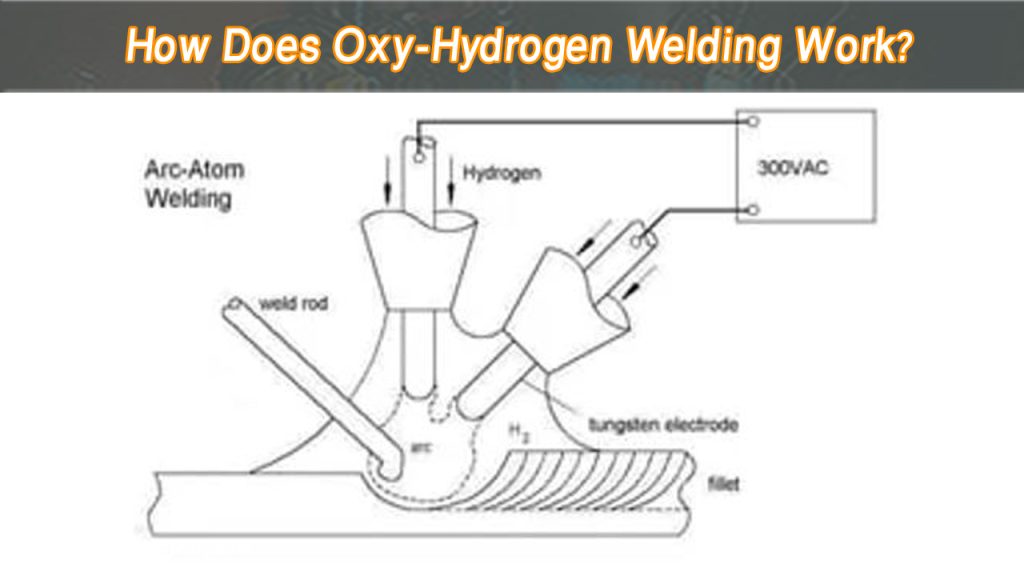
Oxy-hydrogen welding is straight-up gas welding. You burn a precise mix of hydrogen and oxygen at the torch tip to create a flame that melts the base metal and fuses it—sometimes with a filler rod, sometimes without. The combustion reaction is simple: 2H₂ + O₂ → 2H₂O. The only byproduct is water vapor. No carbon, no soot, no black scale to chip off later.
In the torch, hydrogen is the fuel and oxygen is the oxidizer. You control the flame by adjusting the gas pressures and the needle valves on the handle. Unlike oxy-acetylene, where the inner cone is sharp and roaring, the oxy-hydrogen flame is softer, more diffuse, and almost invisible in bright shop light.
That’s why old-timers taught me to light it in a shaded corner or with the lights low until I could see the pale blue inner cone clearly.
The flame temperature tops out around 2,800 °C—hot enough to weld aluminum or copper easily, but not as ferocious as acetylene’s 3,500 °C. That lower peak temperature is actually an advantage on thin material because you can bring the puddle up without blowing holes or overheating the surrounding area. Heat input is easier to manage, which means less distortion and fewer cracked panels on restoration work.
When and Why You Should Reach for Oxy-Hydrogen in the Shop
I pull out the oxy-hydrogen setup when the job screams for precision and cleanliness. Think aluminum boat hull patches, copper tubing repairs in HVAC work, jewelry-scale fabrication, or thin-gauge sheet metal on classic car bodies. It shines on materials where acetylene’s extra heat would cause warping or where carbon pickup from the flame would contaminate the weld.
Why it matters in real jobs:
Distortion control: Lower overall heat means your 1/16-inch aluminum sheet stays flatter.
Clean welds: No carbon means less post-weld cleaning and better corrosion resistance on aluminum.
Safety and convenience: Modern HHO generators make gas on demand from water and electricity—no heavy cylinders to haul or store.
Cost: After the initial generator investment, you’re only paying for electricity and distilled water. In my shop that beats acetylene refills by a wide margin on repetitive light-gauge work.
Underwater or enclosed spaces: The water-vapor byproduct produces fewer rising bubbles, which matters for some specialized repairs.
It’s not the right call for thick steel plate or heavy structural work. For that, I still grab oxy-acetylene or switch to MIG/TIG. But for the jobs it fits, oxy-hydrogen cuts my rework time in half.
Oxy-Hydrogen vs. Oxy-Acetylene: What the Shop Floor Really Shows
After running both side-by-side on hundreds of jobs, here’s the no-BS comparison I give every apprentice.
| Aspect | Oxy-Hydrogen | Oxy-Acetylene | Shop Winner For… |
|---|---|---|---|
| Flame Temperature | ~2,800 °C | ~3,500 °C | Oxy-Hydrogen on thin aluminum |
| Heat Input Control | Excellent, softer flame | Higher, more aggressive | Oxy-Hydrogen for precision |
| Byproduct | Water vapor only | Carbon oxides, soot | Oxy-Hydrogen for clean welds |
| Visibility | Nearly invisible in daylight | Bright, easy to see | Oxy-Acetylene for speed |
| Cylinder Handling | None with HHO generator | Heavy tanks, frequent refills | Oxy-Hydrogen for portability |
| Distortion on Thin Metal | Very low | Higher | Oxy-Hydrogen |
| Cost per Hour (long run) | Lower (electricity + water) | Higher (gas refills) | Oxy-Hydrogen |
| Best Materials | Aluminum, copper, thin sheet | Steel, thick plate | Depends on job |
The table tells the story, but the real test is in your hands. On a 0.063-inch aluminum fender, oxy-hydrogen lets me feather the heat and lay a bead that barely needs dressing. Acetylene would have me chasing warpage all day.
Setting Up Your Oxy-Hydrogen Equipment the Right Way
I’ve seen too many guys burn money or get hurt because they treated it like acetylene. Here’s the exact routine I use every time.
Choose your equipment: For bottled hydrogen, use a standard equal-pressure oxy-acetylene torch set (Harris or Victor work fine). Swap the acetylene regulator for a high-pressure hydrogen regulator (CGA 350 connection). Keep oxygen the same. If you go the generator route—and I recommend it for most shops—buy a quality HHO unit sized for your torch (look for 5–10 LPM hydrogen output).
Pressure settings: Start conservative. For most aluminum work up to 1/8 inch I run 1–2 psi hydrogen and 2–3 psi oxygen. Thicker material might need 3–5 psi hydrogen and 4–6 psi oxygen. Always check the manufacturer’s tip chart, but treat it as a starting point and adjust by feel.
Tip size: Use the same size you would for acetylene on similar thickness, but expect to go one size larger sometimes because the flame is softer.
Leak check: Twice. Soap solution on every connection. Hydrogen is sneaky and flammable.
Flame adjustment: Open hydrogen first, light it, then add oxygen until you see a soft inner cone with a faint blue color. Run it slightly rich (more hydrogen than the 2:1 stoichiometric ratio) to prevent an oxidizing flame that will ruin aluminum.
The flame will look almost invisible in full shop light—that’s normal. Walk to a darker area or cup your hand around the tip to verify the cone shape before you touch metal.
Step-by-Step: Welding Thin Aluminum Like a Pro
Let’s walk through a real job—say, patching a 0.040-inch aluminum panel on a restoration.
Joint prep: Clean to bare metal with a stainless wire brush or dedicated aluminum grinder. No grinding wheels that touched steel. Bevel edges slightly on thicker stock for better penetration.
Filler rod: Use 4043 or 5356 aluminum rod matched to your base alloy. Preheat flux isn’t always needed with oxy-hydrogen, but a light coat helps on dirty or oxidized material.
Tack it: Quick tacks every inch or so. Keep the torch moving—don’t dwell.
Welding: Hold the torch at about 45° and the rod at 30–45°. Use a small circular motion to control the puddle. Travel speed is faster than acetylene because the heat is more focused. Watch the puddle color—it should be silvery and fluid, not orange and sluggish.
Post-weld: Let it cool naturally. No quenching unless you’re in a rush and willing to risk cracking. Wire-brush the weld to remove any light oxide.
I’ve repaired dozens of fenders this way. The bead comes out smooth, with almost no cleanup.
Common Mistakes Beginners (and Some Pros) Still Make
- Running the flame too lean: Creates an oxidizing flame that eats aluminum and leaves porosity.
- Ignoring the invisible flame: Leads to accidental burns or starting fires you don’t see coming.
- Using wrong pressures: Too high and you blow holes; too low and you get cold laps.
- Skipping joint cleaning: Aluminum oxide laughs at heat—clean it like your paycheck depends on it.
- Forgetting flashback arrestors and check valves: Hydrogen is fast and unforgiving.
Learn these the easy way by listening to the guy who’s already made the mistakes.
Safety Practices That Keep You Working Tomorrow
Gas welding safety isn’t optional. Hydrogen is lighter than air and highly flammable, but the real risks are the same as any oxy-fuel setup: leaks, flashbacks, and poor ventilation.
Wear shade 4–5 goggles (the flame is softer than acetylene). Keep a fire extinguisher rated for metal fires nearby. Never weld near flammables. Store generators or cylinders upright, secured, and away from ignition sources. With an HHO unit, make sure it has automatic shutoff and pressure relief.
Check hoses daily for cracks. Purge lines before lighting. And the golden rule I learned the hard way: check for leaks twice, light once.
Material Compatibility and Filler Metal Choices
Oxy-hydrogen loves non-ferrous metals. Aluminum, copper, brass, and some stainless grades work beautifully. It’s less ideal for mild steel because the flame doesn’t transfer heat as aggressively as acetylene, and some welders report slight hydrogen embrittlement risks on thicker sections.
For aluminum: 4043 for general use, 5356 for higher strength. No flux needed on clean material with proper flame adjustment. For copper: Use silicon-bronze or copper filler and a slightly oxidizing flame to prevent porosity.
Joint Prep and Technique Tips That Save Hours of Grinding
Clean, clean, clean. Degrease with acetone, then mechanically remove oxide. On sheet metal, back the joint with a copper chill bar or heat sink to control distortion. Keep your travel speed consistent—too slow and you overheat; too fast and you get lack of fusion.
On pipe or tubing, rotate the work if possible so you’re always welding downhill or flat. Practice on scrap until the puddle behaves exactly the way you want.
Real-World Shop Examples That Prove the Point
I once helped a local HVAC contractor switch his refrigeration line repairs to oxy-hydrogen. No more hauling acetylene bottles into crawl spaces, no carbon contamination inside the lines, and the brazed joints looked like jewelry.
Another time, a classic car restorer needed flawless aluminum patch panels on a 1960s Corvette. Oxy-hydrogen gave us beads that required almost zero planishing.
These aren’t lab results—they’re jobs that paid the bills.
Taking Your Oxy-Hydrogen Skills to the Next Level
Once you’re comfortable with the basics, experiment with different tip sizes and flame adjustments on various thicknesses. Record your pressure settings in a notebook so you can repeat success. Pair it with TIG for the root pass on thicker aluminum when you need absolute perfection.
The process rewards patience and attention to detail more than raw power.
Wrapping Up
After years of running oxy-hydrogen alongside every other process in the shop, I can tell you it earns its keep on the jobs that matter most to fabricators who care about quality and efficiency. You now have a clear picture of how the flame behaves, when to use it, how to set it up safely, and the exact techniques that deliver clean, strong welds with minimal distortion.
The single best pro-level tip I can leave you with: Always verify your flame adjustment in a low-light area before you touch the workpiece. A properly adjusted oxy-hydrogen flame will look soft and slightly rich—pale blue with a gentle envelope. Get that right and the rest of the weld is easy. Miss it, and you’ll fight the material the entire time.
Keep practicing, stay safe, and enjoy the satisfaction of a weld that looks as good as it performs.
FAQ: Real Questions Welders Ask About Oxy-Hydrogen Welding
Can I weld mild steel with oxy-hydrogen?
Yes, but it’s not the best choice for thick sections. The lower flame temperature makes it slower and less forgiving than acetylene. Stick to thin sheet or use it only when cleanliness is critical. For most steel work I still prefer oxy-acetylene or MIG.
How much does switching to an HHO generator actually save?
After the upfront cost of a good unit, my monthly gas expense dropped about 60–70% on aluminum and copper jobs. No more cylinder rental fees, delivery charges, or hazmat paperwork. Electricity and distilled water are cheap by comparison.
Is the flame really that hard to see?
In full daylight, yes. That’s why I always check it in shade or with the shop lights dimmed. Once you know the look of a good flame it becomes second nature, but never skip the visual check.
Do I need special flux for aluminum?
On clean material with a properly adjusted slightly rich flame, many jobs need little or no flux. If the aluminum is oxidized or dirty, a light coat of aluminum brazing flux helps the filler flow and protects the puddle.
What’s the biggest safety difference from acetylene?
Hydrogen doesn’t have the same explosive range when mixed with air that acetylene does, and generators produce gas only when you need it. Still treat every connection like it could leak—because it can. Proper regulators, flashback arrestors, and leak checks are non-negotiable.