Running a solid MIG bead in the shop is one thing—doing it under test conditions with someone inspecting every pass is a different story.
The pressure is higher, the standards are stricter, and small mistakes that usually slide can cost you the whole test. That’s exactly why so many welders start asking how to get MIG welding certification before stepping into that booth.
In real-world terms, certification isn’t just a piece of paper—it proves you can produce clean, consistent welds that meet industry standards. I’ve seen skilled welders struggle simply because they weren’t prepared for the test format, joint setup, or inspection criteria.
Getting certified can open doors to better-paying jobs, more opportunities, and long-term career growth—but only if you approach it the right way. I’ll walk you through the process step by step, what to expect during the test, and how to prepare so you can pass with confidence.
Image by neit.edu
Why Get MIG Welding Certification in the First Place?
MIG welding certification—technically the AWS Certified Welder (CW) qualification under GMAW—tells employers and inspectors you can produce welds that meet structural or fabrication codes like AWS D1.1. It’s not a “degree.” It’s a performance qualification.
You weld a test plate, it gets visually inspected and bent or x-rayed, and if it passes, you’re qualified for that process, position, and material thickness.
Why does it matter on the floor? Because shops lose money on rework, porosity, and lack of fusion. A certified MIG welder reduces those headaches. On a recent bridge repair job I ran, the non-certified guys burned through two days of grinding and rewelding vertical fillets.
The certified crew knocked it out clean the first time. Certification also means higher hourly rates—often $4–8 more per hour—and the ability to sign off on your own work in many shops.
It’s process-specific. You can get certified in MIG without touching SMAW or TIG, but many full-time welders stack qualifications. For most entry-level fab and repair work in the US, a solid GMAW 3G vertical plate cert gets you in the door faster than anything else.
What Does a MIG Welding Certification Test Actually Look Like?
The test is straightforward but unforgiving. At an AWS Accredited Test Facility (ATF), you weld a groove or fillet coupon according to a qualified Welding Procedure Specification (WPS). For MIG on mild steel, the most common is a 3G vertical uphill plate test on 3/8-inch or 1-inch A36 plate with a 22.5° bevel and backing bar.
You run root, fill, and cap passes with ER70S-6 wire, usually 0.035-inch diameter, C25 shielding gas (75% argon/25% CO2). The inspector checks for:
- No cracks, no undercut deeper than 1/32 inch
- Proper reinforcement (no more than 1/8 inch)
- Full penetration on the root
- No porosity or inclusions
After visual, they cut specimens for face and root bend tests. The coupon must bend 180° without opening more than 1/8 inch. Fail that, and you retest.
I always tell trainees: the test isn’t about pretty beads—it’s about repeatability under pressure. One bad travel speed or gas flow and you’re done.
How Long Does It Take and How Much Does It Cost to Get MIG Certified?
Realistic timeline: 4–12 weeks if you’re starting from scratch in a structured program. Experienced welders can prep in a weekend and test the following week.
Cost breakdown I’ve seen across US shops and schools:
- ATF test fee: $250–$450 for a single position/process
- Full MIG certificate program at community college or trade school: $2,800–$4,500 (includes 100–200 hours of booth time)
- Self-prep + test: under $600 if you already own a machine and can borrow plate
Maintenance is cheap—every six months you submit a simple form showing you’ve welded with the process. No fee in most cases.
Choosing the Right Training Path for MIG Certification
You don’t need a fancy degree, but you do need trigger time. Trade schools like Tulsa Welding School, Hobart Institute, or local community college ATFs give you the fastest route because they have the test booths on site.
Look for programs that include:
- Dedicated MIG stations with 220V or 440V machines (Miller, Lincoln, or ESAB)
- Practice on 1/4-inch to 1-inch plate in all positions
- Instruction on WPS reading and joint prep
Apprenticeship programs at union halls or large fab shops often test you for free during the interview. That’s how I got my first cert—showed up, welded a 3G plate, passed, and started Monday.
DIY route works if you’re disciplined. Buy scrap plate, set up your machine exactly like the test WPS, and video your runs for self-critique. But nothing beats an instructor watching your puddle in real time.
MIG Machine Settings That Pass Certification Every Time
Here’s the part most beginners get wrong. MIG isn’t stick—there’s no “rod burn-off” guesswork. It’s voltage and wire feed speed (WFS) working together with gas flow.
Typical settings for 1/4-inch mild steel plate (the sweet spot for most tests) with 0.035-inch ER70S-6 wire and C25 gas:
| Plate Thickness | Wire Diameter | Voltage | Wire Feed Speed (ipm) | Approx. Amps | Travel Speed |
|---|---|---|---|---|---|
| 1/8″–3/16″ | 0.030″ | 18–20 | 250–350 | 90–130 | 8–12 ipm |
| 1/4″ | 0.035″ | 20–22 | 320–400 | 140–180 | 6–10 ipm |
| 3/8″–1/2″ | 0.035″ | 22–24 | 380–480 | 180–220 | 5–8 ipm |
Start with the manufacturer’s chart on your machine, then fine-tune. Too much voltage and you get a flat, wide bead with undercut. Too little and the wire stubs and spatters like crazy. I run 21–22 volts and 360 ipm WFS for most vertical 3G tests on 3/8-inch plate. Gas flow at 25–30 cfh, torch angle 10–15° push.
Pro tip from the booth: run a test bead on scrap first, cut it, and look at penetration. If the root isn’t fused to the backing bar, bump WFS 20 ipm and try again.
Joint Preparation and Technique That Make Inspectors Happy
Clean metal wins tests. Grind or wire-wheel the bevels to bright metal, remove mill scale, and gap the root 1/16–3/32 inch max. Backing bar must be tight—no gaps.
For vertical uphill MIG:
- Start with a small root pass at slightly lower voltage to control the puddle.
- Use a tight weave or stringer beads—no wide oscillations that trap slag or gas.
- Keep the wire in the leading edge of the puddle so the arc pushes forward.
I’ve failed guys who tried to “make it pretty” with big weaves. Short, controlled passes keep heat input low and distortion minimal—exactly what D1.1 wants.
Common MIG Mistakes That Fail Certification Tests
I’ve seen these repeat for years:
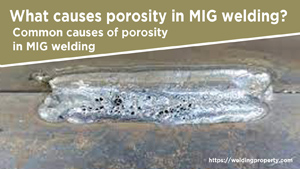
- Dirty metal or wrong gas—porosity city.
- Incorrect WFS/voltage combo—either lack of fusion or burn-through.
- Wrong travel speed—too fast and you get convex beads that fail bend tests; too slow and you overheat and warp the plate.
- Pulling instead of pushing the gun—traps spatter and creates inclusions.
- Forgetting to trim the wire stick-out to 3/8–1/2 inch every pass.
One kid last month ran perfect-looking beads but forgot to purge the line after changing gas. Instant porosity on the x-ray. Don’t be that guy.
Safety Practices Every Certified MIG Welder Lives By
Ventilation first—fume extractors or fans pulling away from your face. C25 gas isn’t as nasty as pure CO2, but you’re still melting steel. Leather sleeves, good gloves, auto-darkening helmet set to 11–12 shade, and safety glasses under the hood. Keep your leads dry and your machine grounded.
In the test booth, inspectors watch how you handle the plate. Heat it to 50°F minimum if it’s cold, and don’t quench hot coupons. Real shops care about this stuff because one bad habit turns into a $10,000 insurance claim.
What Happens on Test Day and Right After You Pass
Show up early, bring your own PPE and tools if allowed, and follow the WPS exactly. The ATF inspector will watch you weld but won’t coach. Finish the coupon, let it cool, and hand it over.
Pass rate at good schools is 80–90% on the first try if you practiced the exact test. You get a wallet card and digital record. Update it every six months and you’re golden.
Maintaining Your Certification and Putting It to Work
Your qual stays active as long as you keep welding MIG at least every six months. Most shops track this for you. When you switch employers, they may require a new test to their specific WPS—normal in the industry.
With a MIG cert you can walk into manufacturing, structural steel, trailer fab, or repair shops and start at journeyman rates. I’ve placed guys who went from hobby MIG to $28/hour certified positions in under three months.
Takeaway from the Booth
ou’re now equipped to walk into any ATF, lay down a clean 3G MIG coupon, and know exactly why it will pass. The difference between guessing and knowing the settings, prep, and technique is the difference between weekend welding and a career that pays the bills and then some.
Here’s the one pro-level tip I give every welder before they test: film your practice runs on your phone, slow it down, and watch the puddle. If the leading edge isn’t shiny and the wire is staying in front of the pool, you’re doing it right. That single habit has passed more certifications than any book ever could.
FAQ: Real Questions Welders Ask About MIG Certification
How different is MIG certification from SMAW or flux-core?
MIG (GMAW) is cleaner and faster but more sensitive to wind and gas flow. SMAW certs use stick rods and different WPS variables. You can test separately—most shops want MIG for production speed and flux-core for outdoor dirty work. The test process is identical: same coupon, same bend tests.
Can I get MIG certified without going to welding school?
Yes. If you’ve got solid booth time and can follow a WPS, just schedule directly with an ATF. Many community colleges let experienced welders test for $300–$400 without the full program. Practice the exact joint and positions first.
What wire and gas should I use for the test?
ER70S-6 wire, 0.035-inch is the go-to for most D1.1 tests. C25 mixed gas at 25–30 cfh. Never use 100% CO2 on a cert test unless the WPS specifically calls for it—penetration and bead shape change too much.
Does my certification expire if I don’t weld for a while?
Only if you go six months without using the process. Then you simply retest. No classes required—just prove you can still lay down the bead.
Is a MIG cert enough to weld aluminum or stainless?
No. Those require separate qualifications with different wire, gas, and often pulsed MIG settings. Start with carbon steel and add endorsements later. Most entry jobs only need mild steel GMAW anyway.