Welding is a skill that powers industries all over the world. From building bridges to repairing farm machinery, welding connects metal and keeps our world running. But even the most skilled welder can run into trouble if their equipment is not working right.
One small but important part of this system is the welding liner. When this part gets worn out, dirty, or clogged, it causes problems that can make a big difference in your work. Understanding welding liner replacement can save time, money, and frustration.
Many beginners think replacing a liner is a simple task—unscrew and swap. But there are many details that are easy to miss. The type of liner, its condition, and even how you install it can affect the welding arc, wire feed, and overall weld quality.
Overlooking small steps can lead to wire jams, bird-nesting, or even costly machine repairs. This guide will take you step-by-step through the process, with practical advice and real-world tips that make the job easier and safer.

Image by MakeAndTest, YT
What Is A Welding Liner?
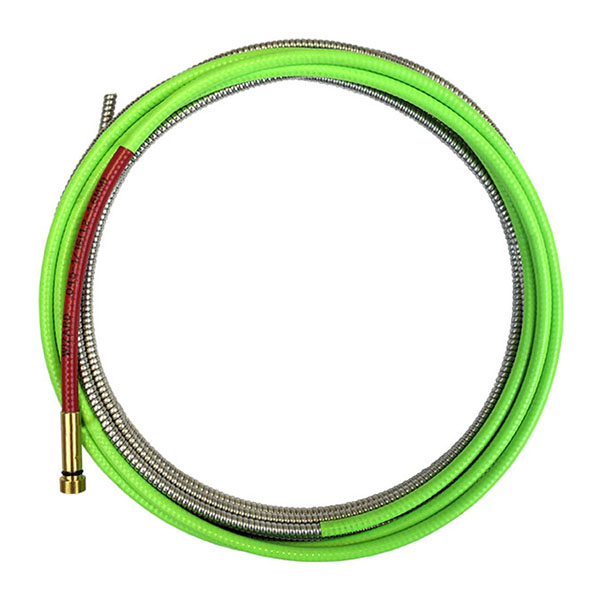
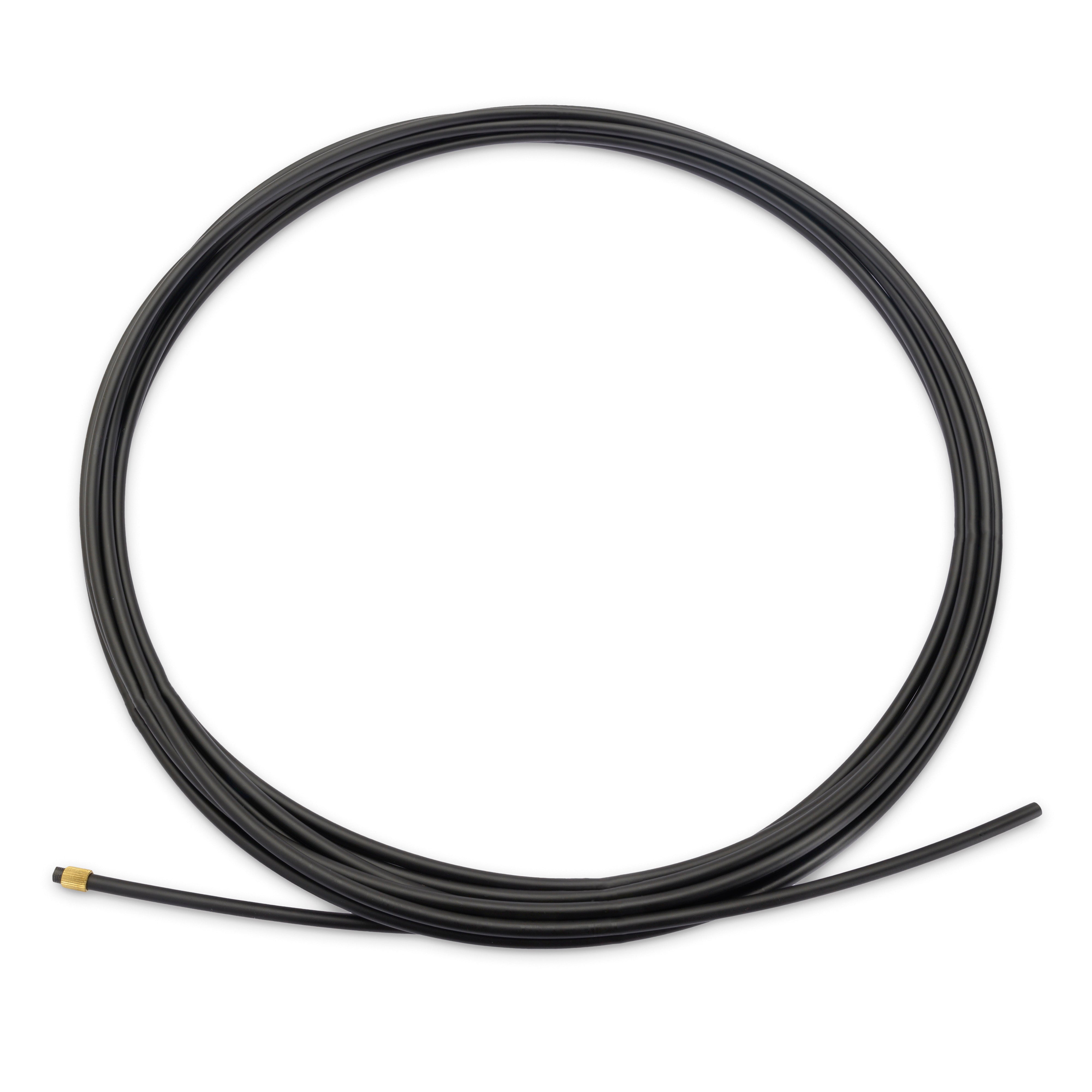
A welding liner is a thin tube inside the welding torch’s cable. It guides the welding wire from the feeder to the welding tip. Liners are usually made from steel, Teflon, nylon, or a combination. The right liner ensures smooth, trouble-free wire feed and reduces friction.
Over time, liners collect dust, metal shavings, and debris. This buildup increases resistance and can cause wire feeding problems. Sometimes liners bend, kink, or wear out, especially in environments with heavy use. That is why regular liner replacement is critical for anyone who welds often.
Signs That A Welding Liner Needs Replacement
The liner is a hidden part, so most problems show up as symptoms in your welding work. Watch for these common signs:
- Wire feeding issues: The wire does not move smoothly or stops suddenly.
- Irregular arc: The arc sputters, or you hear popping sounds.
- Bird-nesting: The wire tangles inside the feeder.
- Inconsistent welds: Welds look weak or uneven, even with correct settings.
- Increased resistance: The feeder motor sounds strained or slows down.
- Visible debris: Metal dust or shavings come out with the wire.
- Tip blockages: Tips clog more often than usual.
If you notice any of these, inspect your liner as soon as possible.
Credit: www.wire-wizard.com
Tools And Materials Needed For Liner Replacement
Before starting, gather these basic tools and materials:
- Replacement liner (correct type and length for your welding torch)
- Wire cutters or sharp snips
- Small screwdriver or wrench (depending on torch model)
- Pliers
- Clean rag or compressed air
- Safety gloves and eye protection
Some welders also use a liner gauge or measuring tape to ensure a precise fit.
Types Of Welding Liners
Not all liners are the same. Choosing the correct liner is key for good performance. Here are the most common types:
| Type | Material | Best Use | Advantages |
|---|---|---|---|
| Steel | Spring steel | Carbon steel, stainless steel wire | Durable, handles rough wire |
| Teflon (PTFE) | Polytetrafluoroethylene | Aluminum, soft wires | Low friction, prevents wire shaving |
| Nylon | Synthetic polymer | Soft wires, some flux-cored wires | Flexible, handles tight bends |
| Carbon-Fiber | Composite | High-speed feeding | Stable, long life |
Tip: Always check your torch manual for the recommended liner type. Using the wrong liner can cause more problems than it solves.
Step-by-step Guide To Welding Liner Replacement
Replacing a welding liner is not hard, but attention to detail matters. Here’s how to do it right:
1. Turn Off And Unplug The Welder
Safety always comes first. Make sure the welder is switched off and unplugged. Let it cool down if you just finished a job.
2. Remove The Welding Wire
Cut the wire near the feeder. Gently pull out any wire left in the cable. This prevents jams during removal.
3. Detach The Welding Torch
Unscrew the torch from the cable. Some torches use a quick-connect fitting, while others need a wrench.
4. Remove The Nozzle And Contact Tip
Take off the nozzle and the contact tip at the end of the torch. This gives you access to the liner.
5. Unscrew And Remove The Old Liner
Find the liner retaining nut—usually at the back of the torch handle. Unscrew it. Carefully pull the old liner out from the cable. If it resists, don’t force it. Check for bends or blockages.
6. Clean The Torch Cable
Before inserting a new liner, blow compressed air through the cable or use a clean rag. This removes dust, debris, and metal shavings.
7. Prepare The New Liner
Measure the new liner against the cable length. Liners are often a bit longer than needed. Trim the liner with wire cutters so it fits perfectly. The liner should reach the end of the tip holder but not stick out.
8. Insert The New Liner
Slowly feed the new liner through the cable. Guide it gently to avoid kinks or bends.
9. Secure The Liner
Screw the retaining nut back in place. Make sure it is snug, but do not overtighten. Overtightening can crush the liner and cause feeding issues.
10. Reassemble The Torch
Put the contact tip and nozzle back on. Reattach the torch to the cable.
11. Reload The Welding Wire
Feed the welding wire through the feeder and into the new liner. Run it until it comes out the tip.
12. Test The System
Turn on the welder and test the wire feed. It should move smoothly without resistance or noise.
Insider tip: Some experienced welders coat the inside of steel liners with a small amount of dry lubricant. This reduces friction and wire shaving, especially for long torches.
Common Mistakes During Liner Replacement
Even experienced welders make mistakes. Here are some pitfalls to avoid:
- Wrong liner size: Using a liner with the wrong diameter or length causes poor feeding or jams.
- Skipping cleaning: Not cleaning the cable before installing a new liner leaves debris that can cause future problems.
- Overtightening: Tightening the retaining nut too much crushes the liner and restricts the wire.
- Forcing the liner: Forcing the liner through the cable can kink it.
- Trimming too short: A liner that’s too short leaves a gap, causing wire to catch or bend.
- Using the wrong liner material: For example, using a steel liner with aluminum wire can lead to wire shaving and contamination.
How Often Should You Replace A Welding Liner?
There is no exact rule for all welders, because usage varies widely. For most hobbyists, checking the liner every 6–12 months is enough. Professionals who weld daily may need to inspect and replace liners every few weeks.
Here are some guidelines:
- Light use (few hours per week): Replace every 12 months
- Medium use (daily, light industry): Replace every 3–6 months
- Heavy use (industrial, all-day): Inspect monthly, replace every 1–2 months
If you notice any feeding problems or debris, replace the liner immediately.
Comparing Liner Materials And Their Lifespan
Choosing the right liner material can impact how often you need to replace it. Here’s a comparison:
| Liner Material | Average Lifespan | Best For | Cost |
|---|---|---|---|
| Steel | 3–6 months | Hard wires, general use | Low |
| Teflon | 1–3 months | Aluminum, soft wires | Medium |
| Nylon | 2–4 months | Flux-cored, soft wires | Medium |
| Carbon-Fiber | 6–12 months | High-speed, professional | High |
Insight: Sometimes, the cheapest liner is not the best value. For example, if you weld aluminum often, paying more for a Teflon liner may save you money in the long run by reducing downtime and wire waste.
Special Considerations For Different Welding Processes
Welding liners are not one-size-fits-all. Here’s how the process affects your choice and maintenance:
Mig Welding (gmaw)
MIG welding uses a continuous wire feed. Liners must be smooth and match the wire diameter closely. Steel liners are most common, but for aluminum wire, always use Teflon or nylon liners.
Tig Welding (gtaw)
TIG welding does not use a liner in the same way as MIG. Instead, it uses a tungsten electrode and filler rods fed by hand. However, some TIG torches for automated systems may use liners for feeding filler wire.
Flux-cored Arc Welding (fcaw)
Flux-cored wire is softer and can be messy. Nylon or special liners designed for flux-cored use last longer and reduce clogging.
Aluminum Welding
Aluminum wire is very soft and prone to bird-nesting. Teflon liners are a must. Also, keep the cable as straight as possible to prevent jams.
Expert tip: If you switch wire types often, consider using a liner system that allows fast changes or modular liners.
How To Choose The Right Welding Liner
With so many options, making the right choice can be confusing. Here’s what matters most:
- Wire type: Match the liner material to your wire (steel, aluminum, flux-cored).
- Wire diameter: Use a liner with an inner diameter just slightly larger than your wire.
- Cable length: Liners must be cut to the exact length of your torch cable.
- Feeding speed: High-speed feeders do best with low-friction liners.
- Torch model: Always check the manufacturer’s recommendation.
Mistake to avoid: Using an “almost right” liner can lead to persistent issues. If in doubt, ask your supplier or refer to the torch manual.
Maintenance Tips For Longer Liner Life
You can extend your liner’s lifespan with a few simple habits:
- Clean the cable regularly with compressed air.
- Keep your work area clean to reduce dust and debris.
- Use quality wire—cheap wire sheds more metal dust, clogging the liner faster.
- Avoid sharp bends in the torch cable.
- Lubricate steel liners with a dry lubricant if recommended.
Routine checks save money and prevent frustrating breakdowns.
Real-world Example: Cost Of Neglecting Liner Replacement
At a fabrication shop, one welder ignored signs of wire feeding trouble. Over several weeks, poor welds and wire jams slowed down production. The cause was a clogged steel liner that had not been replaced in over a year. The cost?
Lost time, wasted wire, and several hours of machine downtime. After replacing the liner and cleaning the cable, the problem vanished.
This example shows how a small part like a liner can have big effects on quality and productivity.

Credit: www.tractorsupply.com
Advanced Tips And Non-obvious Insights
- Use color-coded liners if you work with multiple wire types. This reduces mistakes during liner changes.
- Inspect the liner visually by removing it and holding it up to a light. If you see blockages or kinks, replace it—even if you do not have feeding issues yet.
- Store spare liners correctly. Keep them straight and in a clean, dry place to prevent bends and corrosion.
- Try modular liner systems if you change wires often. Some brands allow you to swap just the tip section, saving time.
Many welders overlook these small details, but they make a difference in the long run.
Welding Liner Replacement For Beginners: Key Takeaways
- A welding liner guides the wire and is essential for smooth welding.
- Replace your liner when you see feeding problems, notice debris, or after heavy use.
- Always choose the correct liner type, size, and length for your torch and wire.
- Take your time during replacement—attention to small steps prevents big headaches.
- Regular inspection and cleaning will make your liner last longer and improve your welds.
For more in-depth welding equipment guidance, check the Welding page on Wikipedia.
Credit: www.weldingstore.com
Final Thoughts
Replacing your welding liner is a simple but vital maintenance task. Done right, it keeps your welding smooth, your equipment healthy, and your projects on track. Pay attention to the details, use the right parts, and you’ll avoid most common welding headaches.
Frequently Asked Questions
What Happens If I Use The Wrong Type Of Welding Liner?
Using the wrong liner can cause wire feeding issues, increased friction, and even wire shavings in the cable. This leads to poor weld quality and can damage your equipment.
How Can I Tell If My Welding Liner Is Too Short Or Too Long?
A liner that is too short leaves a gap, making the wire catch or bend at the tip. A liner that is too long will not seat properly and can cause jams. Always measure and trim the liner to match your torch cable’s length.
Can I Clean And Reuse An Old Welding Liner?
Some minor dust can be removed with compressed air, but most liners should be replaced when dirty or clogged. Reusing a worn or damaged liner can cause repeated problems.
How Often Should I Check My Welding Liner?
Check your liner every few months for light use, or monthly if you weld daily. Inspect more often if you notice feeding issues or weld defects.
Is Welding Liner Replacement The Same For All Torch Brands?
No. Each brand and model may have different liner sizes, attachment methods, and recommendations. Always check your torch’s manual before replacing the liner.