
You’re halfway through a weld, sparks flying, and everything looks fine—until you chip the slag and spot porosity or uneven fusion staring back at you. That moment makes you realize pretty quickly that knowing the Advantages and Disadvantages of Arc Welding isn’t just theory—it directly affects how strong and clean your welds turn out.
Arc welding is one of the most common processes in any shop, from quick repairs to heavy fabrication. It’s versatile, relatively affordable, and works in all kinds of conditions—even outdoors where other methods struggle. But it also comes with its downsides, like spatter, slag cleanup, and the skill it takes to get consistent results.
That’s why it’s worth breaking it down properly. When you understand where arc welding performs best—and where it can hold you back—you make better decisions on the job.
I’ll walk you through the real pros and cons, based on hands-on experience, so you can weld smarter and avoid the common mistakes that cost time and quality.
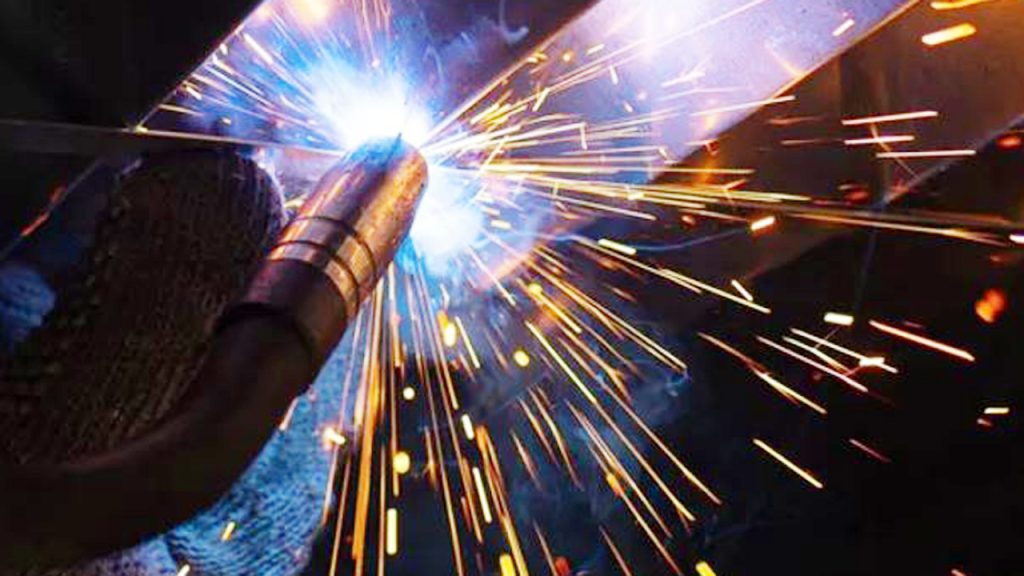
Image by choongngaiengineering
What Exactly Is Arc Welding and Why Do Welders Keep Coming Back to It?
Arc welding, in the context most of us mean when we say “stick” or “arc,” is SMAW. You strike an electric arc between a flux-coated consumable electrode and the base metal. That arc melts both the rod and the workpiece, creating a molten puddle that fuses them together.
The flux coating does double duty: it shields the weld pool from atmospheric contamination and forms a slag layer that protects the cooling bead.
I remember my first real job on a bridge repair crew in the Midwest. The wind was howling, and the inspector wouldn’t let us drag out a MIG rig. We stuck with 7018 rods and banged out vertical-up passes all day. That’s when it clicked—arc welding isn’t flashy, but it’s the process that shows up when conditions are less than perfect.
It works because the power source (your typical AC/DC welder, like a Miller or Lincoln 225-amp machine common in U.S. shops) supplies constant current. The electrode melts at a predictable rate, depositing filler while the flux generates shielding gases on the fly. No external gas, no wire feeder to jam—just you, the rod, and the arc.
You reach for it when portability and simplicity trump speed. Think field repairs on heavy equipment, pipeline work, or structural steel erection. It shines on materials thicker than 1/8 inch and handles rusty, painted, or mildly contaminated surfaces better than most processes. But it’s not magic; you still need clean metal for the best results.
How the Arc Forms and What Happens in the Puddle
Strike the rod, lift slightly to maintain a short arc (about 1/16 to 1/8 inch), and you’re in business. The heat—around 6,000°F at the arc—melts the electrode core and flux. Droplets of metal transfer across the arc into the puddle, while the flux vaporizes to push away oxygen and nitrogen. As the puddle solidifies, the slag floats to the top, protecting the bead from cracking.
I always tell trainees: watch the puddle like it owes you money. A good arc sounds like bacon frying—crisp and steady. Too short and the rod sticks; too long and you get porosity and weak fusion. Travel speed matters too. Drag it too slow on 6010 and you’ll undercut the toes; push too fast and penetration drops off.
In practice, this process gives excellent penetration even in all positions. That’s why pipeline welders still swear by 6010 root passes followed by 7018 hot passes and caps. It’s forgiving on fit-up gaps that would make a MIG welder cry.
The Real Advantages That Save Time and Money in the Shop
The biggest advantage of arc welding is its low barrier to entry and insane versatility. A decent 200-amp inverter welder runs you under $500 new, fits in the bed of your truck, and needs nothing but a power cord and some rods. No gas bottles to haul, no regulators to freeze in winter.
Portability wins jobs. I’ve welded rebar cages on a jobsite with nothing but a generator and a box of 5/32-inch 7018s. Try that with MIG in 20-mph wind—the gas shield blows away and you’re chasing porosity all day.
It handles a wide range of metals: mild steel, low-alloy, stainless, even cast iron with nickel rods. Electrode choices let you dial in exactly what you need—deep penetration for root passes, low-hydrogen for crack-sensitive steels, or iron-powder for high-deposition fillets.
Cost per foot of weld is hard to beat on heavy plate. Rods are cheap, and you’re not burning through expensive spool wire. Plus, it works in every position: flat, horizontal, vertical, overhead. That’s why structural ironworkers and boilermakers still use it daily.
Durability is another plus. Done right, arc welds on pressure vessels or heavy machinery last decades under vibration and load. The slag actually helps slow cooling, reducing cracking in thick sections.
The Downsides That Can Cost You Hours of Rework
Arc welding isn’t perfect, and pretending it is will bite you. The process is slower than MIG or flux-core. You’re constantly stopping to change rods every 8–12 inches, chipping slag, and brushing between passes. On a long production run, that adds up fast.
Operator skill is non-negotiable. Beginners fight sticking rods, undercut, and lack of fusion more than with wire processes. The visible arc and slag mean you’re constantly adjusting arc length and travel speed by eye—no automatic wire feed to save you.
Cleanup is mandatory. Slag inclusions kill fatigue life, so you’re chipping and grinding after every pass. Spatter is heavier than MIG, especially with 6010 or 6011 rods, meaning more post-weld grinding on visible fabrications.
It struggles on thin material under 1/8 inch. Burn-through is easy, and distortion can warp light sheet before you finish the seam. High heat input also creates a wider heat-affected zone, which can weaken heat-treatable alloys if you’re not careful.
Electrode storage matters. Low-hydrogen 7018 rods pick up moisture in humid shops and cause hydrogen cracking. I’ve seen pros lose entire joints because they left a pack open overnight.
When Arc Welding Beats MIG and TIG—And When It Doesn’t
Here’s the comparison every fabricator asks for. Use this table as your quick shop reference:
| Process | Best For | Speed | Skill Level | Outdoor Use | Cost of Setup | Cleanup Needed | Thin Material | Thick Material |
|---|---|---|---|---|---|---|---|---|
| Arc (SMAW) | Field repairs, thick steel, all positions | Medium | Medium-High | Excellent | Low | High | Poor | Excellent |
| MIG (GMAW) | Production, auto body, clean shop | Fast | Low-Medium | Poor | Medium | Low | Excellent | Good |
| TIG (GTAW) | Precision, aluminum, stainless | Slow | High | Poor | High | Very Low | Excellent | Good |
Arc wins when you need to weld outdoors, on dirty steel, or with minimal gear. MIG takes over for high-volume clean shop work because it’s faster and prettier. TIG is the artist’s choice for critical cosmetic or thin work but costs more and moves slower.
I switch to MIG for trailer frames in the shop—clean beads, no slag. But when a customer calls with a broken excavator bucket in the field, arc welding is in the truck before I hang up the phone.
Choosing the Right Electrode: The Decision That Makes or Breaks Your Weld
Electrode selection is 80% of success. Here’s what I keep in stock and when I grab each:
- E6010: Deep penetration, cellulose flux, great for root passes on pipe. Runs DC+ only. Use on dirty or rusty steel. Amperage: 3/32″ = 40–80A.
- E6011: Similar to 6010 but works on AC or DC. My go-to for farm repairs.
- E6013: Easy arc, smooth bead, low spatter. Beginner-friendly for flat and horizontal. Great on thin stuff.
- E7018: Low-hydrogen, high strength. Must be stored dry. Perfect for structural steel and pressure work. 1/8″ = 90–150A typical.
- E7024: High deposition, iron powder. Flat and horizontal fillets only—fast fill on thick plate.
Match diameter to thickness: 3/32″ for material under 1/4″, 1/8″ for 1/4″ to 1/2″, 5/32″ above that. Always check the manufacturer’s range on the rod box and start in the middle, then adjust by sound and puddle behavior.
Dialing In Amperage: The Secret to Consistent Beads
Amperage is your heat dial. Too low and the puddle won’t wet in; too high and you undercut or burn through. Rule of thumb I use: one amp per thousandth of an inch of electrode diameter as a starting point, then tweak.
Practical ranges I run on common U.S. machines (Lincoln 225 or Miller Bobcat):
- 3/32″ rods: 40–90A
- 1/8″ rods: 75–140A
- 5/32″ rods: 110–190A
- 3/16″ rods: 140–250A
Position matters—drop 10–15% for vertical or overhead. Material thickness and joint type adjust it further. On a butt joint in 3/8″ plate, I might run 1/8″ 7018 at 110A flat. Same rod vertical-up? Drop to 95A and use a slight weave.
Test on scrap first. Listen for that frying sound. Watch the puddle—edges should feather smoothly into the base metal. I keep a notebook in my toolbox with settings for every machine and rod combo I own. Saves hours of guessing.
Joint Preparation That Prevents 90% of Defects
Clean metal is non-negotiable. Grind or wire-brush to bright metal, remove mill scale, paint, oil, and rust. Bevel thick plate to 30–35 degrees with a 1/16″ root face for full penetration.
Fit-up gaps should be no more than 1/8″ on most joints—wider and you’ll need backing or multiple passes. Tack welds every 4–6 inches, then grind them flat so they don’t crack out.
For repairs on old equipment, I preheat cast iron or thick sections to 300–400°F with a rosebud torch to reduce cracking. On mild steel over 1″ thick, preheat isn’t always needed but helps.
Step-by-Step: Running a Flawless Bead Every Time
- Gear up: Helmet down, gloves on, leathers buttoned. Safety glasses under the hood.
- Set machine: Polarity (usually DCEP for most rods), amperage in range.
- Strike the arc: Drag method or scratch—lift to proper length.
- Establish puddle: Pause slightly at start for fusion.
- Travel: 10–15 degrees drag angle, consistent speed so ripples are uniform.
- End the crater: Pause and fill, then whip off to break the arc cleanly.
- Clean between passes: Chip slag completely, wire brush.
Repeat for multi-pass joints, staggering starts and stops.
Safety Considerations Every Welder Must Live By
Arc flash is no joke—UV rays will burn your skin and eyes in seconds. Auto-darkening helmet rated 9–13 shade. Leather gloves, jacket, and boots. Ventilate or use fume extractor—flux smoke isn’t healthy.
Ground clamp must make solid contact. Keep cables dry and out of puddles. Never weld on containers that held flammables without proper purging.
Common Mistakes Beginners (and Pros) Still Make
Running too long an arc tops the list—causes spatter, porosity, and weak welds. I see it constantly with new guys.
Wrong polarity kills 7018 performance. DC+ is almost always right; AC works but the arc is less stable.
Skipping slag removal between passes traps inclusions. I’ve repaired too many “professional” welds that failed inspection because of this.
Storing 7018 rods in a damp toolbox—moisture equals hydrogen cracks.
Overheating thin material instead of switching to 6013 or dropping amps.
Putting It All Together: Why Arc Welding Still Rules for So Many Jobs
After all these years, arc welding remains my first choice for jobs where reliability under tough conditions beats speed or beauty. You’ve now got the real-world knowledge—electrode choices, amperage sweet spots, joint prep tricks, and the pitfalls to dodge—that separates weekend warriors from welders who get paid to do it right.
Next time you fire up the machine, you’ll hear that perfect arc and know exactly why the puddle is behaving. That confidence comes from understanding both sides of the coin: the advantages that make arc welding indispensable and the disadvantages that demand your full attention.
One pro-level tip I give every trainee before they walk out of my shop: always keep a spare rod in your glove. When the one in the stinger burns down to a nub on a critical pass, you won’t lose your rhythm or your place. Small habit, massive difference in quality and speed.
FAQ: Real Questions from Real Welders
How do I stop my 7018 rods from sticking all the time?
Shorten your arc length to about the diameter of the rod core. Strike with a quick scratch and lift immediately. If they still stick, your amperage is probably too low—bump it up 10 amps and try again. Keep rods in a rod oven or sealed container.
Can I weld thin sheet metal with arc welding without burning through?
Yes, but use 6013 rods in 3/32″ diameter and drop to the low end of the amperage range (40–60A). Tack frequently, use a back step technique, and consider a backing bar. For anything under 1/8″, MIG or TIG is honestly easier.
What’s the best way to remove slag without scratching the weld?
Let the bead cool just enough that the slag pops off cleanly with a chipping hammer—too hot and it sticks. Follow immediately with a stainless wire brush. On production work, I use an angle grinder with a flap disc for speed, but never skip brushing.
Is arc welding safe for stainless steel?
Absolutely, with 308L or 316L rods. Run DC+, keep heat input moderate to avoid carbide precipitation, and clean thoroughly before and after. Post-weld passivation helps in corrosive environments.
How do I choose between 6010 and 7018 for a structural repair?
Use 6010 for the root pass if you need deep penetration and can tolerate the aggressive arc. Cap with 7018 for strength and low hydrogen. On critical load-bearing steel, 7018 all the way—never skip the low-hydrogen requirement.


