If you’ve worked with metals or in industries where metal strength is critical, you might have heard of hydrogen embrittlement. It’s a phenomenon that can weaken metals, leading to sudden failure without warning.

Image by wha-international
Understanding hydrogen embrittlement is crucial for anyone who deals with high-stress applications, especially in industries like aerospace, construction, and automotive. Let’s dive into what hydrogen embrittlement is, how it occurs, and why it’s such a concern.
Hydrogen Embrittlement
Hydrogen embrittlement happens when metals become brittle and prone to cracking due to the presence of hydrogen.
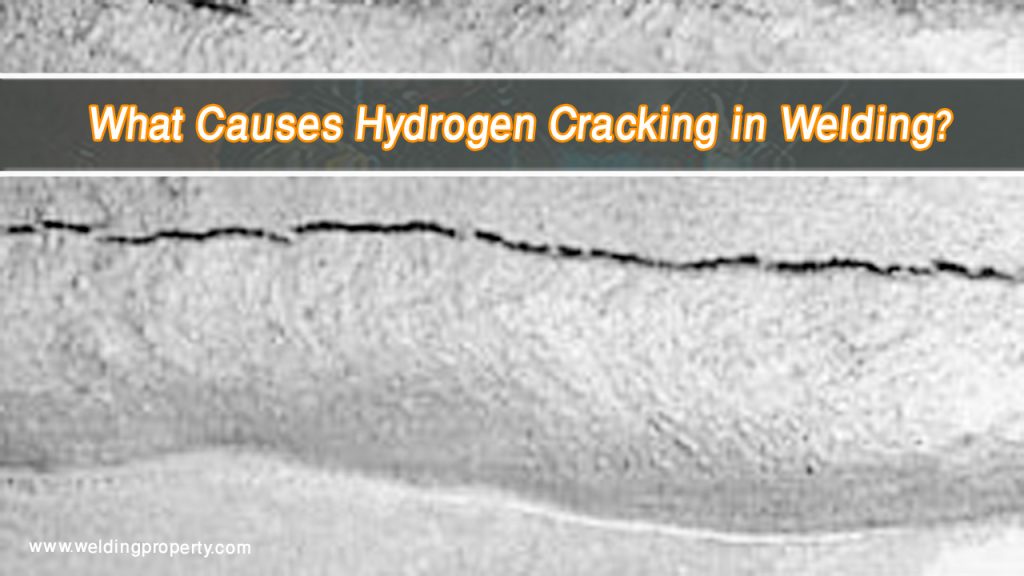
When hydrogen atoms penetrate the metal, they get trapped in the material’s structure, particularly at points of high stress. This can reduce the metal’s ductility and make it more susceptible to cracking under stress.
Think of it as a kind of “metal poisoning.” The hydrogen doesn’t damage the metal’s surface; instead, it works its way into the internal structure, creating weak points. Over time, this can lead to tiny cracks that expand and eventually cause the metal to break.
Why Hydrogen Embrittlement is a Concern
Hydrogen embrittlement is a serious issue because it often goes undetected until it’s too late. Metal can appear strong and stable, but under certain conditions, it can suddenly crack or fail.
This is especially dangerous in industries where metal failure can lead to significant risks, such as in structural components, pipelines, or critical fasteners.
What makes hydrogen embrittlement even more challenging is that it doesn’t require a large amount of hydrogen to cause damage. Even trace amounts of hydrogen can cause embrittlement in susceptible materials. Understanding the conditions that lead to hydrogen embrittlement can help us prevent it or at least minimize the risk.
How Hydrogen Enters Metals
Hydrogen can enter metals in several ways, and knowing these pathways can help in understanding how embrittlement occurs. Here’s how hydrogen typically finds its way into metals:
Electroplating: In this process, hydrogen atoms can be introduced as a byproduct, especially if there’s a reaction with acidic solutions.
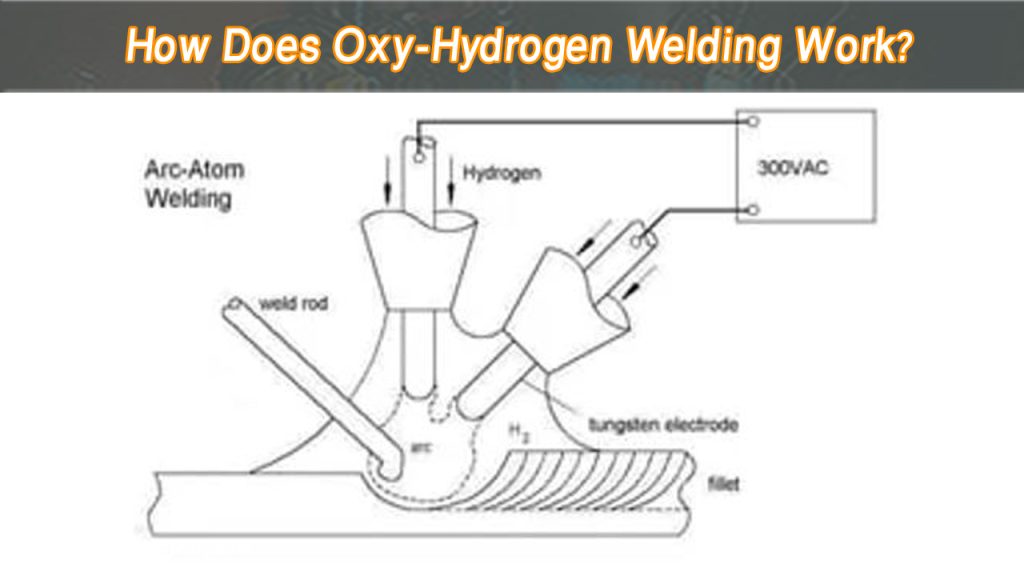
Welding: During welding, hydrogen can be absorbed into the metal from moisture in the atmosphere, filler materials, or surface contaminants.
Corrosion: When metals corrode, particularly in acidic environments, hydrogen ions can be absorbed by the metal.
Exposure to Hydrogen Gas: In high-pressure environments where metals come into direct contact with hydrogen gas, hydrogen can diffuse into the metal’s surface.
Once hydrogen is inside the metal, it can move through the material and settle in areas of high stress, setting the stage for embrittlement.
Types of Metals Susceptible to Hydrogen Embrittlement
Not all metals are equally prone to hydrogen embrittlement. Generally, metals with high strength, particularly certain steels, are more susceptible. Here’s a comparison of how different metals respond to hydrogen embrittlement:
| Metal Type | Susceptibility to Hydrogen Embrittlement | Common Applications |
|---|---|---|
| High-Strength Steels | High | Structural components, automotive, aerospace |
| Stainless Steels | Moderate to High (depends on alloy) | Food processing, medical equipment |
| Aluminum Alloys | Low | Aerospace, automotive, consumer products |
| Copper Alloys | Very Low | Electrical wiring, plumbing |
High-strength steels and some stainless steels are the most vulnerable to hydrogen embrittlement because their atomic structures make it easier for hydrogen to penetrate and settle.
Softer, more ductile metals like aluminum and copper are less prone to embrittlement, though it can still occur under extreme conditions.
Mechanism of Hydrogen Embrittlement
To truly understand hydrogen embrittlement, let’s look at the mechanism behind it. Here’s a simple breakdown of the process:
Hydrogen Diffusion
The first step in hydrogen embrittlement is hydrogen diffusion. Once hydrogen atoms enter the metal, they diffuse or spread through the metal’s structure. They are small enough to move easily within the atomic lattice of the metal. Over time, these atoms gather at points where the metal is under the most stress.
Formation of Microvoids
As hydrogen accumulates in high-stress areas, it creates tiny voids or spaces within the metal. These voids weaken the bonds between the metal atoms. In a way, it’s like forming tiny “air bubbles” within the metal, though in this case, they’re filled with hydrogen.
Stress-Induced Cracking
When the metal is put under external stress, such as bending, twisting, or compressing, these microvoids can start to connect and form small cracks. The hydrogen atoms act like tiny wedges, pushing the metal atoms apart.
Propagation of Cracks
As the metal continues to be stressed, these cracks grow. Eventually, they reach a critical size, causing the metal to fail suddenly. This failure is usually brittle, meaning the metal snaps or breaks rather than deforming, which is why hydrogen embrittlement is so dangerous.
Signs and Symptoms of Hydrogen Embrittlement
Detecting hydrogen embrittlement is challenging because it’s often invisible until the metal fails. However, there are a few warning signs:
- Unexpected Fractures: If a metal part fails suddenly without significant deformation, hydrogen embrittlement may be the cause.
- Surface Cracking: Some metals may show tiny surface cracks before the main fracture occurs.
- Reduced Ductility: Materials that normally bend may snap or break without warning.
If you see any of these signs, particularly in high-strength steel parts, it may be a red flag for hydrogen embrittlement.
How to Prevent Hydrogen Embrittlement
Preventing hydrogen embrittlement starts with understanding the conditions that allow hydrogen to enter the metal and minimizing these as much as possible. Here are some steps to reduce the risk:
Use Low-Hydrogen Welding Techniques
Welding is a common source of hydrogen exposure. Using low-hydrogen electrodes, preheating, and keeping materials dry can significantly reduce the amount of hydrogen introduced during welding. Additionally, post-weld heat treatment can help remove any hydrogen that may have entered during welding.
Avoid Acidic Environments
Corrosive environments, particularly acidic ones, promote hydrogen absorption. If possible, avoid exposing high-strength metals to acidic conditions, or use protective coatings to minimize contact.
Control Electroplating Processes
If electroplating is necessary, post-process treatments such as baking or thermal treatment can help remove hydrogen from the material. The baking process helps diffuse hydrogen out of the metal, reducing the chance of embrittlement.
Select Resistant Materials
For applications where hydrogen exposure is inevitable, choosing materials that are less prone to hydrogen embrittlement can be a smart preventive measure. For example, aluminum and copper alloys are generally less affected than high-strength steels.
Apply Protective Coatings
Applying coatings to metal surfaces can prevent hydrogen from penetrating. Protective coatings can act as barriers, particularly in environments where hydrogen exposure is high.
Hydrogen Embrittlement vs Other Forms of Metal Failure
Hydrogen embrittlement is often confused with other forms of metal failure, like stress corrosion cracking (SCC) or fatigue failure. Here’s a quick comparison:
| Type of Failure | Caused By | Signs | Prevention Methods |
|---|---|---|---|
| Hydrogen Embrittlement | Hydrogen in metal’s structure | Brittle failure, small cracks | Reduce hydrogen exposure, post-weld treatment |
| Stress Corrosion Cracking | Combined stress and corrosion | Branched cracks on metal surface | Reduce stress, use resistant alloys |
| Fatigue Failure | Repeated cyclic stress | Gradual crack growth over time | Improve design, reduce cyclic stress |
While SCC and fatigue failure also weaken metals, hydrogen embrittlement is unique because it involves hydrogen atoms weakening the metal at an atomic level, often resulting in sudden, brittle failure.
Real-World Examples of Hydrogen Embrittlement
Hydrogen embrittlement has been a serious problem in industries where metal strength is critical. Here are some real-world examples:
Aerospace: In aircraft manufacturing, high-strength steels are essential for weight savings and strength. Even small amounts of hydrogen can cause embrittlement, making it a concern for fasteners, landing gear, and structural components.
Automotive: In the automotive industry, hydrogen embrittlement can affect bolts and fasteners in areas exposed to moisture or chemicals. This can lead to premature failure and even safety hazards.
Oil and Gas Pipelines: In pipelines that transport hydrogen-rich fuels, embrittlement is a risk factor. Hydrogen embrittlement can weaken the pipeline material, leading to cracks and potential leaks.
Final Thoughts on Hydrogen Embrittlement
Hydrogen embrittlement is a silent but dangerous issue in metalworking and high-stress applications. By understanding the mechanisms behind it and recognizing the conditions that contribute to it, we can take steps to prevent it.
If you’re involved in welding, manufacturing, or metal design, keeping hydrogen embrittlement in mind can save you from unexpected failures and ensure the longevity of your materials.
Choosing the right materials, controlling your processes, and applying preventive treatments can make a huge difference. In industries where safety is paramount, these steps are invaluable for protecting both people and equipment.