Cast iron has a way of humbling you the moment you put heat on it. Push it too hard and it cracks, go too cold and nothing bonds the way it should. That’s exactly why more welders start looking into tig welding cast iron with silicon bronze—it offers a different approach that’s often more forgiving than traditional fusion welding.
Out in the shop, this method is less about melting everything together and more about controlled heat and careful filler work.
Using silicon bronze with TIG lets you keep temperatures lower, reduce the risk of cracking, and still build a solid repair on tricky cast parts. But it’s not foolproof—you need the right prep, technique, and patience to make it work.
This matters because cast iron repairs can get expensive fast if they fail. In this guide, I’ll walk through how this process actually works in real conditions, where it shines, and the practical steps that help you get a clean, durable result without ruining the part.
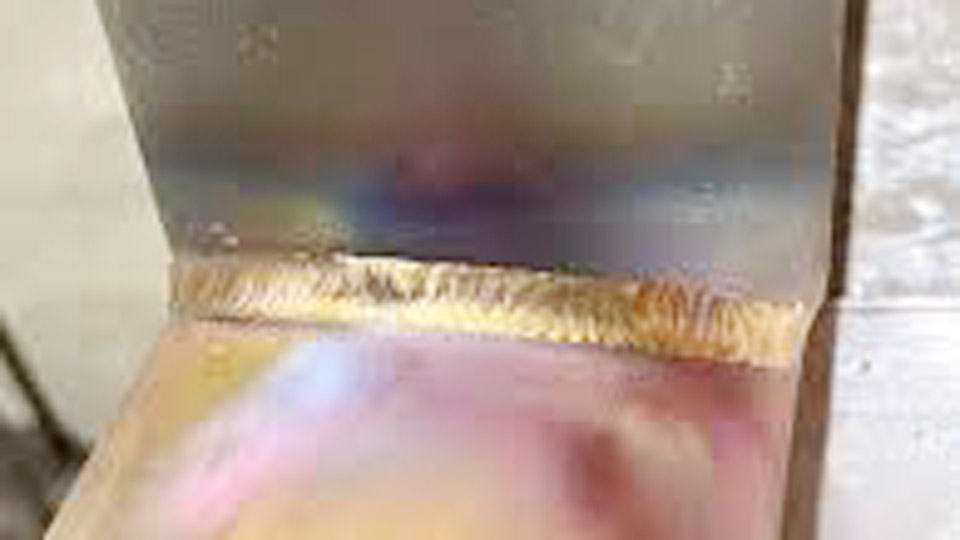
Image by Fabrication Vault
What Is TIG Brazing Cast Iron with Silicon Bronze?
Silicon bronze filler (typically ERCuSi-A) is a copper-based rod with silicon and other elements that lower its melting point to around 1,800–1,900°F—well below cast iron’s roughly 2,200–2,500°F range.
In TIG brazing, you use the TIG torch to heat the cast iron just enough for the filler to melt and wet the surface through capillary action and surface bonding, without melting the parent metal.
This creates a braze joint rather than a fused weld. The silicon helps deoxidize and improves flow, while the bronze adds corrosion resistance and some flexibility.
I’ve used it successfully on gray cast iron for non-structural repairs where machinability after the fact is important—think rebuilding fins on old heads or sealing cracks in decorative or low-stress parts.
Compared to oxy-acetylene brazing, the TIG torch gives you precise, localized heat control and better shielding with argon, reducing oxidation issues. It’s not a high-strength structural fix for heavily loaded parts under extreme heat or impact, but for many real-world repairs, it holds up exceptionally well.
Why Choose Silicon Bronze for Cast Iron Repairs?
Cast iron repairs fail for common reasons: too much heat causes cracking during cooling, poor cleaning leaves contaminants that prevent bonding, or mismatched expansion rates create stress. Silicon bronze addresses several of these.
Lower heat input reduces the risk of cracking in the heat-affected zone. The filler flows nicely into prepared joints, and the resulting bead is often easier to grind or machine than a nickel-welded repair. Many welders report it’s more forgiving than pure nickel 99 rods, which can be picky about cleanliness and temperature.
It shines when joining cast iron to steel or other dissimilar metals, or when you want minimal distortion on thin sections. In my experience, it’s great for automotive or agricultural castings that see vibration but not extreme temperatures. The joint has decent tensile strength—around 50 ksi range—combined with better ductility than brittle cast iron itself.
However, it’s not ideal for high-temperature applications like exhaust manifolds, where differential expansion can cause issues over time. For those, nickel-based fillers or specialized rods that better match cast iron’s properties often perform better.
Pros and Cons of TIG Brazing Cast Iron with Silicon Bronze
Pros:
- Significantly lower heat input, meaning less warping and cracking risk.
- Easier for beginners than full fusion welding cast iron.
- Good flow and wetting on properly prepared surfaces.
- Produces a somewhat machinable deposit in many cases.
- Versatile—works on cast iron, steel, and dissimilar combinations.
- Less preheat required compared to traditional methods.
- Cleaner process with TIG argon shielding versus oxy-fuel flux.
Cons:
- Lower strength than fusion welds or nickel repairs for high-load applications.
- Not suitable for parts seeing sustained high heat due to expansion differences.
- Requires very clean surfaces—contamination causes poor bonding.
- The bead can appear dark or oxidized initially but cleans up nicely with a wire wheel.
- Filler is more expensive per pound than basic steel rod, though you use less overall.
In side-by-side shop tests on scrap cast iron, silicon bronze often wins for speed and appearance on cosmetic or light-duty repairs, while nickel might edge it out for maximum strength in critical areas.
When Should You Use This Technique?
Reach for TIG silicon bronze when:
- The casting is thin or prone to distortion.
- You need a machinable repair.
- Preheating the entire part isn’t practical.
- You’re repairing cracks in non-pressurized, low-to-moderate stress areas.
- Joining cast iron to mild steel or stainless in fabrication.
Avoid it on heavy structural castings under high cyclic loads, pressure vessels, or parts that operate above a few hundred degrees Fahrenheit regularly. For those, consider preheating and nickel 99 or 55 rods with SMAW, or consult a specialist.
I’ve used it on everything from restoring old vises to patching cracked transmission cases where full disassembly for preheat wasn’t feasible. It saved the part more than once when a fusion weld would have turned it into scrap.
Material Compatibility and Filler Rod Choices
Silicon bronze pairs well with gray cast iron, ductile iron in some cases, and combinations with mild steel or stainless. Common rod is 1/16″ or 3/32″ ERCuSi-A. Keep a few diameters on hand—thinner for precision work, thicker for building up larger gaps or fillets.
Some shops prefer aluminum bronze (ERCuAl-A2) for cast iron because it can run nicely on AC and offers higher strength in certain applications. Aluminum bronze wets aggressively with the cleaning action of AC, but silicon bronze on DCEN is simpler for many setups and flows beautifully once you dial in the heat.
Always verify your filler with the manufacturer specs. Contaminated or old rod can cause porosity or poor flow.
Proper Joint Preparation for Success
This is where most repairs go wrong. Cast iron is porous and holds oil, dirt, and oxides deep in the surface.
Start by grinding or machining out the crack into a V or U groove, at least 1/8″ deep depending on thickness, to remove any contaminated metal and create a path for the filler. Bevel both sides if possible for better access and strength.
Next, clean aggressively. Use a grinder with a flap disc or wire wheel to bright metal, then degrease with acetone or brake cleaner. For stubborn oil-soaked castings, preheat gently first to drive out contaminants, then reclean. I’ve seen pros bake larger parts in an oven at 500–600°F to burn out oils before final prep.
Avoid leaving sharp edges—chamfer them slightly so the bronze can flow in cleanly. On thick sections, a wider groove helps reduce stress concentration.
Machine Settings and TIG Torch Setup
On most US inverter TIG machines (think Dynasty, Invertig, or similar), set up for DCEN (electrode negative) as your starting point. This gives good penetration and heat into the work without excessive tungsten contamination.
Typical amperage ranges:
- Thin cast iron (1/8″–1/4″): 40–80 amps, often pedal-controlled starting low.
- Medium sections (1/4″–1/2″): 70–150 amps.
- Larger build-up: Up to 150–200+ amps with bigger cups and rods, but keep it controlled.
Use a #8 or larger gas lens cup for better coverage—argon flow around 15–20 CFH. A 3/32″ or 1/8″ lanthanated or ceriated tungsten sharpened to a blunt point works well for broader heat distribution. You want even heating, not a pinpoint arc that might melt the base locally.
Some welders experiment with AC for a cleaning action, especially if the surface has light oxides, with balance set high (80%+ EN) to act more like DC. Frequency around 100 Hz can help focus the arc. P
ulse settings—1–1.5 PPS with 30% peak time—allow you to lay the rod in the puddle and advance with the pulse, reducing oxidation on the filler tip.
Keep interpass temperature low, ideally under 150–200°F, to prevent overheating the bronze and causing hot cracking or excessive oxides.
Step-by-Step Guide to TIG Brazing Cast Iron with Silicon Bronze
Prep the part: Groove the crack, grind to bright metal, degrease thoroughly. Tack in place if needed with small dots of bronze.
Setup your machine: DCEN, appropriate amperage on the pedal, good argon flow, blunt tungsten.
Preheat if necessary: For larger or oil-soaked parts, warm the surrounding area evenly to 300–500°F using a rosebud or oven. This helps drive out gases and improves flow without shocking the iron.
Start the arc: Heat a small area ahead of your joint until it glows dull red. Don’t melt the cast iron—watch for the surface to “sweat” slightly.
Add filler: Dip or lay the silicon bronze rod into the heated zone. It should melt and flow smoothly across the surface. Move the torch in small circles or a slight weave to distribute heat evenly and encourage wetting.
Build the bead: Work in short segments, especially on long cracks, to control heat. Keep the puddle fluid but not overheated. Overlap passes cleanly.
Cool slowly: Cover the repair with insulating material like vermiculite, kaowool, or even dry sand in a bucket to slow cooling and reduce cracking risk.
Post-weld cleanup: Let it cool completely, then wire brush or grind the dark surface oxide for a clean brass appearance. Test the joint for soundness.
Practice on scrap first. The technique feels closer to soldering or brazing than steel TIG welding—you’re chasing the heat and letting the filler do the work.
Common Mistakes Beginners and Pros Make
Insufficient cleaning: Oil or graphite in cast iron prevents wetting. The bronze balls up instead of flowing. Always degrease after grinding.
Too much amperage: Melting the cast iron creates a messy fusion zone that can crack. Keep heat low and localized.
Overheating the filler: The rod tip oxidizes or burns off, leading to porosity. Use pulse or quick dips.
Rapid cooling: Especially on larger parts—this is the silent killer of cast iron repairs. Insulate properly.
Poor gas coverage: Turbulence or low flow causes oxidation in the puddle. Use a gas lens and watch for discoloration.
Ignoring expansion: On complex shapes, uneven heating warps the part. Work symmetrically when possible.
I’ve ruined a few test pieces learning these the hard way. The biggest pro tip? If the bronze won’t wet, stop, reclean, and try again—forcing it rarely works.
Safety Considerations in the Shop
Cast iron repairs can release fumes, especially if old paint, oil, or unknown coatings are present. Use proper ventilation or a fume extractor. Wear a good respirator rated for metal fumes.
Silicon bronze produces coppery fumes—nothing like galvanized, but still worth respecting. Keep your argon pure and watch cylinder pressures.
Protect your eyes with a proper TIG helmet (shade 9–12 usually works). Leather gloves, jacket, and boots are standard. Be mindful of hot cast iron retaining heat longer than steel.
On food-contact repairs like cast iron pans or skillets, ensure the bronze stays on the exterior and doesn’t migrate into cooking surfaces. Most shops consider exterior handle repairs safe once cooled and cleaned.
Comparison: Silicon Bronze vs. Other Cast Iron Repair Methods
Vs. Nickel 99/55 Stick: Nickel offers higher strength and better expansion match but requires more skill, flux management, and often more preheat. TIG silicon bronze is cleaner and lower heat.
Vs. Aluminum Bronze on AC: Aluminum bronze can be stronger and wets aggressively with AC cleaning. Some prefer it for cast iron. Silicon bronze is often easier on straight DC setups.
Vs. Oxy-Acetylene Brazing: Torch brazing is traditional and excellent for large areas, but TIG gives better precision and no flux mess in tight spots.
Vs. Full TIG Fusion with Cast Iron Rod: Rarely recommended due to cracking risk and machinability issues.
Choose based on the part’s service conditions, your equipment, and required finish.
Real-World Examples from the Shop
One job that stands out was repairing a cracked cast iron vise jaw. Traditional welding would have warped the precision faces. With silicon bronze TIG, I grooved the crack, cleaned meticulously, used about 60–80 amps on DCEN, and built a small fillet. Minimal distortion, machined flat afterward, and it’s still holding strong years later.
Another time, patching a small hole in an old engine bracket. Low amps, quick passes, slow cool in vermiculite—saved buying a new casting.
These aren’t high-tech aerospace parts, but they’re the kind of practical fixes that keep equipment running in American garages and small fabs.
Advanced Tips for Better Results
- Use a lay-wire technique with pulse for consistent beads on longer runs.
- For very dirty castings, a light preheat and reclean cycle works wonders.
- Blend the toes of the bead smoothly into the base metal for reduced stress risers.
- Test your settings on similar thickness scrap every time—cast iron varies by age and composition.
- If the repair needs painting, the bronze takes primer well after cleaning.
Experiment with torch angle—push or pull slightly depending on flow. Keep your tungsten clean and your filler dry.
After handling dozens of these repairs, the key lesson is patience with temperature control. Rush the heat and you’ll fight cracks. Respect the material’s brittleness and the bronze’s flow characteristics, and you’ll get consistent, professional-looking results.
Final Thoughts
You’ve now got the practical framework: proper prep, controlled low heat, clean technique, and slow cooling. Whether you’re a welding student practicing on scrap, a hobbyist fixing backyard finds, or a pro tackling field repairs, this approach expands what you can salvage in the shop.
One strong pro-level tip I’d pass on to any welder: Always have a piece of similar cast iron scrap nearby to test your exact settings and cleaning method before committing to the actual part. Cast iron isn’t forgiving of assumptions—verify on the bench, then execute confidently on the job.
FAQs
Can you TIG weld cast iron with silicon bronze without preheating?
Yes, on smaller or thinner sections with good cleaning, you can often skip full preheat. However, for thicker or oil-contaminated parts, a gentle local or overall preheat to 300–500°F dramatically improves results and reduces cracking risk. Test first.
What amperage should I use for TIG brazing cast iron with silicon bronze?
Start around 40–80 amps for thin material and work up to 100–150 amps for medium thicknesses, using the foot pedal for fine control. Focus on heating the cast iron just enough to melt the rod without fusing the base. Adjust based on your machine, tungsten size, and joint mass.
Is the silicon bronze repair as strong as a nickel rod weld?
For many low-to-moderate stress applications, it’s plenty strong and more ductile. Nickel rods generally provide higher tensile strength and better thermal matching for critical or high-heat parts. Silicon bronze excels where low distortion and ease of repair matter more than ultimate strength.
Why does my silicon bronze bead look black after TIG brazing cast iron?
Surface oxidation is normal due to heat and residual oxides. It usually wipes or wire-brushes off to reveal the brass-like color underneath. Improve gas coverage or reduce heat if porosity accompanies the darkening.
Does TIG silicon bronze work on old, dirty cast iron like engine blocks?
It can, but success depends heavily on preparation. Grind out cracks deeply, burn out oils with preheat if needed, and reclean thoroughly. Dirty cast iron is the biggest cause of failure—don’t skip this step.